
The soft, rhythmic vibration of a cat’s purr is one of the most universally recognized sounds in the animal kingdom. Often associated with contentment, this low-frequency hum can be heard when a cat lounges on a sunlit windowsill or curls into its owner’s lap. Yet, purring extends far beyond simple happiness. Scientists and veterinarians have long studied this phenomenon, uncovering layers of complexity that reveal purring as a multifaceted form of communication, self-soothing, and even biological healing.
This article dives deep into the physiological mechanisms behind purring, explores its emotional and social functions, and examines how cats use this unique vocalization across different life stages and situations. From kittens to senior cats, purring plays a vital role in survival, bonding, and health.
The Science Behind the Purr: How Cats Produce Sound
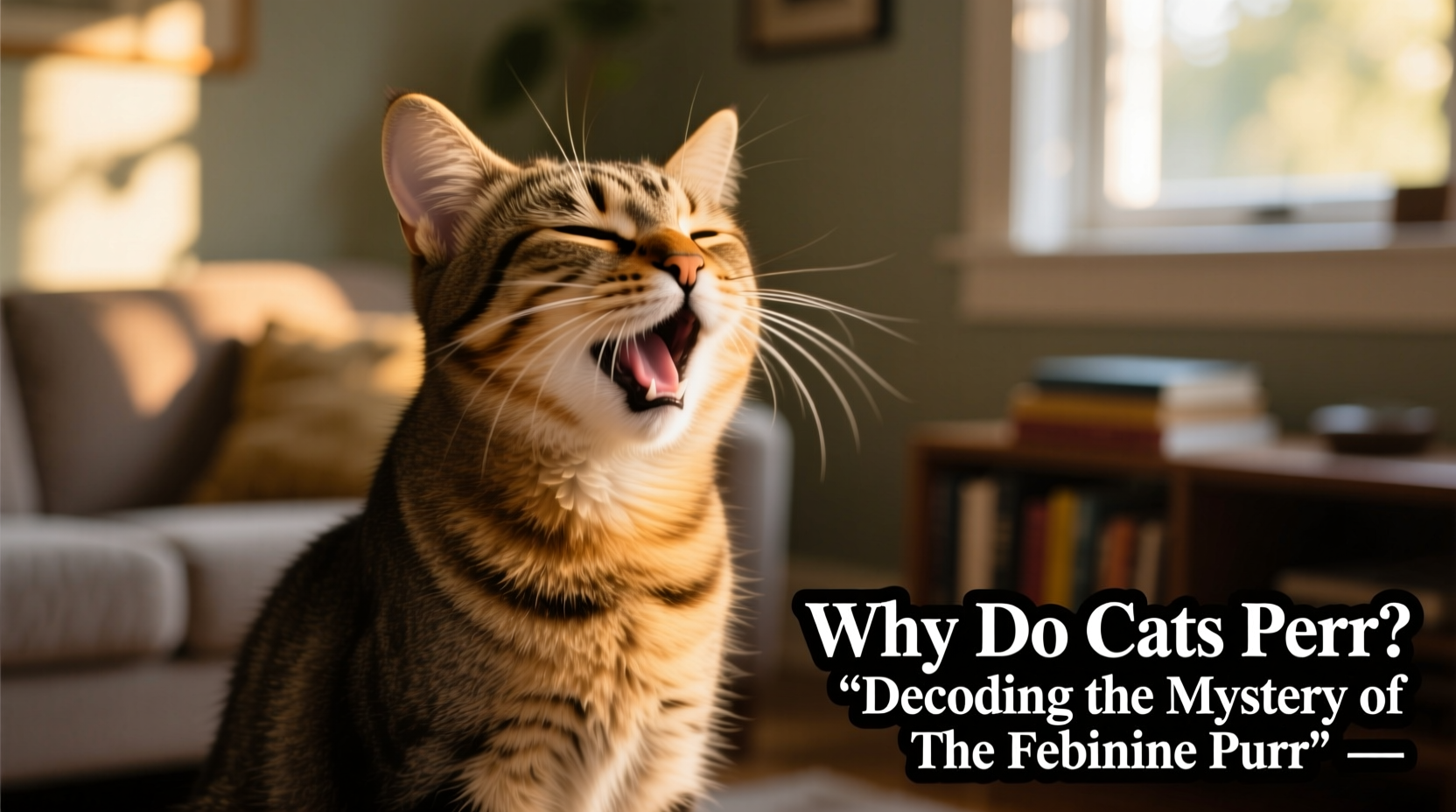
Purring is not produced by the vocal cords alone. Instead, it originates in the cat’s larynx and involves a specialized neural oscillator—often referred to as the “purring center” in the brain. This neural mechanism sends rhythmic signals to the laryngeal muscles, causing them to twitch at frequencies between 25 and 150 Hz. As the cat breathes in and out, the rapid opening and closing of the airway generate the continuous, vibrating sound we recognize as purring.
Unlike most other vocalizations, which occur only during exhalation, purring happens during both inhalation and exhalation, creating an uninterrupted, cyclical hum. This consistent frequency range has been shown to promote tissue regeneration, reduce pain, and improve bone density—suggesting evolutionary advantages beyond communication.
Tip: If your cat purrs while resting but shows signs of lethargy or discomfort, consult a veterinarian—purring can sometimes mask pain.Emotional and Social Functions of Purring
While many assume purring always indicates pleasure, cats use this sound in a wide range of emotional contexts. Kittens begin purring within days of birth, primarily as a signal to their mother during nursing. The vibration helps the queen locate her offspring and reassures the litter, strengthening maternal bonds.
In adult cats, purring serves multiple social purposes:
- Bonding: Cats often purr when near trusted humans or other animals, reinforcing social connections.
- Appeasement: A cat may purr when approached by a larger or unfamiliar animal to signal non-aggression.
- Stress Response: Cats frequently purr in stressful environments such as veterinary clinics or during travel, suggesting a self-calming function.
“Purring is less about expressing happiness and more about maintaining emotional equilibrium. It’s a tool for regulating stress, much like deep breathing in humans.” — Dr. Karen Benkert, Feline Behavior Specialist
Healing Frequencies: The Therapeutic Power of Purring
Research has identified that the frequencies emitted during purring—particularly between 25 and 50 Hz—are conducive to physical healing. These vibrations stimulate:
- Muscle and tendon repair
- Bone growth and fracture healing
- Reduction of inflammation and swelling
- Improved respiratory function
A study published in the *Journal of the Acoustical Society of America* found that exposure to frequencies similar to those of cat purrs accelerated wound healing and improved recovery time in musculoskeletal injuries. Some experts believe that cats instinctively use purring to heal themselves after injury or illness.
Interestingly, these same frequencies may benefit humans. Petting a purring cat has been linked to reduced blood pressure, lower stress hormone levels, and decreased anxiety. This mutual therapeutic effect may explain why cat ownership is associated with lower risks of heart disease and stroke.
| Purring Frequency (Hz) | Biological Effect |
|---|---|
| 25–50 | Enhances bone density and fracture healing |
| 50–100 | Reduces muscle atrophy and improves joint mobility |
| 100–150 | May aid in respiratory clearance and reduce pain perception |
Mini Case Study: Bella’s Recovery After Surgery
Bella, a 7-year-old domestic shorthair, underwent abdominal surgery following an intestinal blockage. During her recovery, her owner noticed she spent nearly 80% of her time purring—even while sleeping. Though initially weak, Bella showed faster-than-expected healing, with minimal scarring and no postoperative infection.
Her veterinarian, Dr. Alan Reyes, noted, “We don’t prescribe purring, but I’ve seen enough cases like Bella’s to know there’s something remarkable happening physiologically when cats purr consistently during recovery.” He suspects the constant vibration helped reduce internal inflammation and promoted tissue regeneration.
When Purring Isn’t About Happiness: Decoding Contextual Cues
One of the most misunderstood aspects of feline behavior is assuming purring equals joy. In reality, cats may purr when frightened, injured, or in pain. This paradoxical behavior likely stems from an evolutionary adaptation—using a calming signal to avoid appearing vulnerable.
To interpret what a cat’s purr truly means, observe accompanying body language:
- Ears forward, slow blinks, relaxed posture: Contentment.
- Flattened ears, dilated pupils, tail twitching: Anxiety or fear.
- Hiding, reluctance to move, excessive grooming: Possible pain, despite purring.
Checklist: Understanding Your Cat’s Purr
- Observe the environment—is your cat in a safe, familiar space?
- Note body language: relaxed or tense?
- Listen for consistency—is the purr steady or interrupted?
- Check for recent changes in behavior or routine.
- Monitor appetite, litter box habits, and activity level.
- Consult a vet if purring occurs alongside limping, vocalizing, or withdrawal.
Frequently Asked Questions
Do all cats purr?
Most domestic cats purr, but not all. Some breeds are quieter than others, and individual temperament plays a role. Additionally, big cats like lions and tigers do not purr continuously; instead, they produce a similar sound called “chuffing” during social interactions.
Can cats stop purring?
Cats can control their purring, though the mechanism is largely involuntary once initiated. They may cease purring when highly agitated or in extreme distress, especially if breathing becomes labored.
Why does my cat purr when I’m not touching them?
Cats may purr in anticipation of interaction, while dreaming, or simply because they feel secure in their environment. Solitary purring often reflects inner calm rather than a desire for attention.
Conclusion: Listening Beyond the Hum
The feline purr remains one of nature’s most elegant adaptations—a blend of communication, comfort, and self-preservation. While we often associate it with warmth and affection, understanding its full spectrum requires attentiveness to context, physiology, and behavior. By recognizing that purring is not just a sign of happiness but a complex survival tool, we deepen our connection with these enigmatic companions.
Next time your cat settles beside you and begins to vibrate gently, take a moment to observe more than just the sound. Watch their eyes, feel their breathing, and consider what they might truly be expressing. In doing so, you honor not only their trust but also the intricate biology and emotional intelligence behind every purr.
💬 Have you noticed your cat purring in unexpected situations? Share your experiences in the comments—your story could help others better understand their feline friends.








