
Feeding time should be a calm, positive experience for every dog—especially puppies still learning social behaviors and boundaries. When multiple dogs share a home or interact regularly, improper feeding practices can lead to tension, resource guarding, anxiety, or even aggression. Ensuring your puppy eats safely among other dogs requires more than just separation; it demands consistency, observation, and proactive training. With the right approach, you can foster respectful mealtimes and help your puppy grow into a confident, well-adjusted adult dog.
Understanding Puppy Behavior During Mealtimes
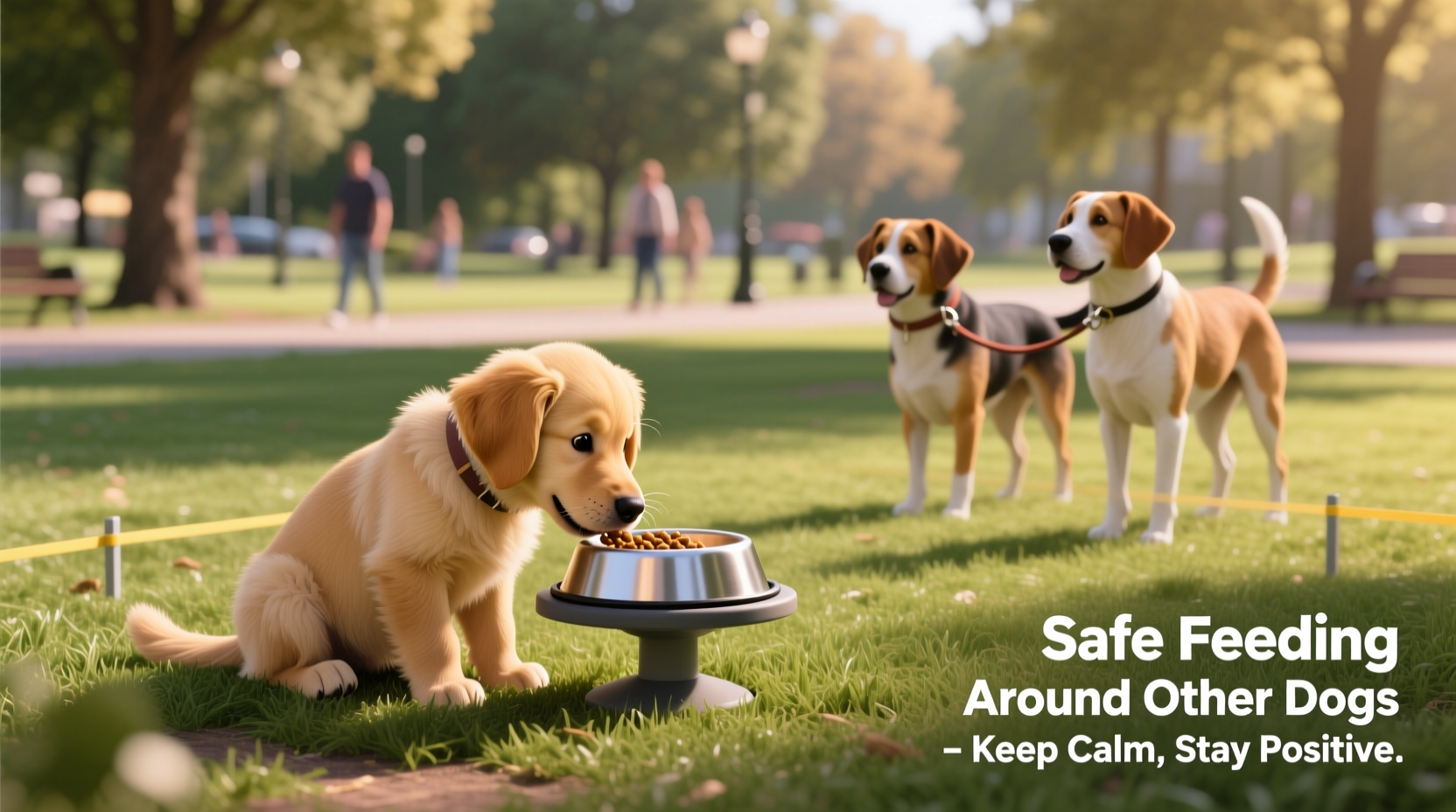
Puppies are highly impressionable during their first year, and early feeding experiences shape how they respond to food and other animals throughout life. A puppy who feels threatened while eating may develop defensive habits such as growling, rushing their meal, or becoming overly possessive of their bowl. These behaviors often intensify if reinforced by competition or stress from nearby dogs.
Dogs are naturally inclined to protect valuable resources—a trait rooted in survival instincts. While modern domestication has softened these tendencies, they remain present, particularly in young animals navigating new social dynamics. When two or more dogs eat in close proximity, even friendly ones, one may assert dominance or another may feel pressured, leading to subtle signs of discomfort like stiff posture, rapid eating, or avoiding eye contact.
“Puppies learn what’s safe and expected during feeding within the first few months. Consistent, low-stress routines set the foundation for lifelong confidence.” — Dr. Lena Torres, Veterinary Ethologist
Step-by-Step Guide to Safe Feeding Around Other Dogs
Safely managing mealtimes with multiple dogs doesn’t require complex tools—just structure, timing, and awareness. Follow this sequence to minimize conflict and build trust:
- Assess Each Dog’s Temperament: Observe how each animal behaves near food. Does one guard their bowl? Does your puppy freeze or retreat when others approach? <
- Feed in Separate Rooms Initially: Use baby gates or closed doors to create individual feeding zones. This prevents competition before it starts.
- Use Identical Bowls and Routines: Uniformity reduces perceived inequality. Feed at the same time, using the same type of bowl, so no dog feels favored.
- Gradually Introduce Proximity: Once all dogs eat calmly apart, begin placing them in adjacent rooms with partial visibility (e.g., open door, gate). Monitor closely.
- Increase Exposure Slowly: After several successful meals, try feeding in the same large room but at opposite ends, separated by at least 10 feet.
- Add Distractions Gradually: Once comfortable, introduce mild distractions—like someone walking between them—to simulate real-life conditions.
- Revert If Needed: If tension appears (stiffness, staring, lip licking), return to earlier steps. Progress isn’t always linear.
Do’s and Don’ts of Multi-Dog Feeding
| Do’s | Don’ts |
|---|---|
| Feed all dogs simultaneously to avoid anticipation stress | Free-feed multiple dogs in a common area |
| Use physical barriers like crates or baby gates | Allow one dog to finish early and roam near others still eating |
| Supervise every meal until behavior is predictable | Leave uneaten food out for hours where others can access it |
| Practice “leave it” and “stay” commands during feeding prep | Scold or punish a dog showing food-related stress without addressing the cause |
| Rotate feeding locations occasionally to prevent territorial attachment | Feed high-value treats in group settings before basic manners are established |
Real Example: Managing Two Puppies in a Shared Home
The Rivera family adopted a six-month-old Labrador mix, Milo, two months after bringing home a rescue terrier, Bella, age eight months. Both were enthusiastic eaters, but Bella would stiffen and growl softly if Milo came within five feet of her bowl—even when he showed no interest.
Following a trainer’s advice, they began feeding both dogs in separate bedrooms with doors closed. They used identical stainless steel bowls and started meals at exactly 7:00 AM and 5:30 PM daily. After two weeks of calm eating, they moved to feeding in the living room with a baby gate between them, placing bowls 12 feet apart. They played soft music to mask small noises and stayed nearby without hovering.
Over three weeks, they reduced the distance by two feet every few days. By week six, both dogs could eat 6 feet apart with relaxed body language. The key was patience and refusing to rush progress—even on days when both seemed “ready.” Today, Milo and Bella eat side by side with no signs of tension.
Essential Checklist for Safe Puppy Feeding
- ✅ Designate individual feeding stations away from foot traffic
- ✅ Use consistent feeding times each day
- ✅ Supervise all meals until behavior stabilizes
- ✅ Remove bowls immediately after eating
- ✅ Train “wait” and “leave it” commands before introducing group feeding
- ✅ Watch for subtle stress signals: whale eye, lip licking, tucked tail
- ✅ Avoid hand-feeding in front of other dogs until your puppy is secure
- ✅ Consult a certified trainer if guarding or fear persists beyond 12 weeks of structured feeding
Frequently Asked Questions
Can I train my puppy not to guard food around other dogs?
Yes—with careful desensitization and counter-conditioning. Start by tossing high-value treats near your puppy’s bowl while they eat, teaching them that another dog’s presence predicts good things. Never force interaction. Work slowly, ideally with guidance from a force-free trainer.
How long should I keep feeding my puppy separately?
There’s no fixed timeline. Some puppies adapt in four weeks; others need three months or more. Continue separate feeding until your puppy eats calmly with other dogs visible and moving nearby without showing stress or defensiveness.
Is crate feeding a good idea when other dogs are present?
Crate feeding can be effective if your puppy views the crate positively. However, never lock a dog in a crate during meals if they show anxiety or guarding behaviors—it may escalate stress. Use crates only as neutral zones, not confinement tools, during feeding transitions.
Conclusion: Building Confidence One Meal at a Time
Safe feeding practices protect not only your puppy’s physical well-being but also their emotional development. By creating structured, predictable mealtimes and respecting canine communication, you lay the groundwork for harmonious multi-dog living. Remember, consistency outweighs speed. A puppy who learns to eat calmly amid distractions grows into a balanced, resilient companion. These habits don’t just prevent problems—they build trust between you and your pet.
💬 Have a success story or challenge with feeding multiple dogs? Share your experience below—your insights could help fellow pet owners create safer, calmer mealtimes.








