Occasional hand shaking is normal—especially after caffeine or during stress. But when tremors become frequent, disruptive, or worsen over time, they may signal an underlying health issue. Hand tremors affect millions worldwide, ranging from benign essential tremor to neurological conditions like Parkinson’s disease. Understanding the root cause is critical for proper management. This article explores the most common reasons behind shaky hands, how doctors diagnose them, and what treatments can bring relief.
Common Causes of Hand Tremors
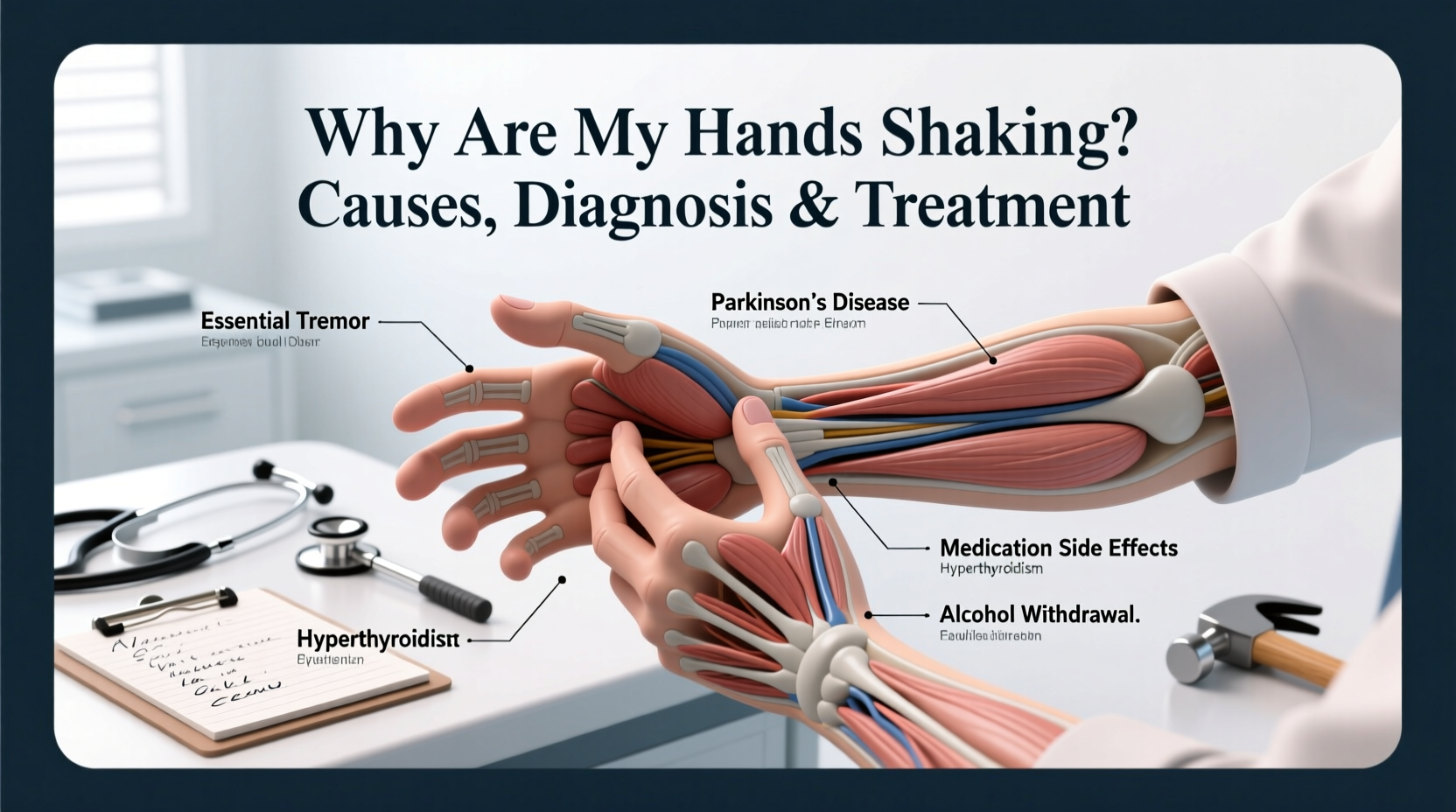
Hand tremors occur when muscles contract involuntarily, causing rhythmic shaking. They can affect one or both hands and may extend to arms, head, or voice. The triggers vary widely, from lifestyle factors to chronic diseases.
- Essential Tremor: The most frequent neurological cause of adult-onset tremors. It's often hereditary and worsens with movement. Unlike Parkinson’s, it typically affects both hands symmetrically.
- Parkinson’s Disease: Characterized by resting tremors—shaking that occurs when the hand is relaxed, such as when resting on a lap. Often begins on one side and progresses gradually.
- Hypoglycemia: Low blood sugar can trigger shakiness, sweating, and dizziness. Common in people with diabetes taking insulin or certain medications.
- Caffeine and Stimulants: High intake of coffee, energy drinks, or ADHD medications can induce temporary tremors.
- Anxiety and Stress: Adrenaline release during panic or anxiety episodes causes muscle tension and trembling.
- Thyroid Disorders: Hyperthyroidism speeds up metabolism, leading to fine, rapid hand tremors along with weight loss and palpitations.
- Medication Side Effects: Drugs like corticosteroids, asthma inhalers (albuterol), and mood stabilizers may cause tremors as a side effect.
- Alcohol Withdrawal: Sudden cessation after heavy drinking can lead to severe shaking, usually within 6–48 hours.
- Multiple Sclerosis (MS): Neurological damage from MS can interfere with motor control, resulting in intention tremors—shaking when reaching for objects.
- Cerebellar Damage: Strokes, tumors, or trauma affecting the cerebellum disrupt coordination and balance, causing tremors during precise movements.
Diagnosing the Cause of Shaky Hands
No single test confirms all types of tremors. Diagnosis relies on a detailed medical history, physical examination, and targeted testing to rule out specific conditions.
- Neurological Exam: A neurologist assesses muscle strength, reflexes, coordination, and tremor characteristics (at rest vs. action).
- Blood Tests: Check thyroid function, glucose levels, electrolytes, liver/kidney function, and drug toxicity.
- Imaging Studies: MRI or CT scans help detect brain lesions, strokes, or structural abnormalities.
- Electromyography (EMG): Measures electrical activity in muscles to distinguish tremor types and nerve involvement.
- Tremor Analysis: Specialized devices record frequency and pattern, helping differentiate essential tremor from Parkinson’s.
A key diagnostic clue is whether the tremor occurs at rest (suggesting Parkinson’s) or during movement (indicating essential tremor or cerebellar dysfunction). Family history also plays a role—essential tremor often runs in families.
When to Seek Medical Evaluation
Sudden onset, unilateral tremors, cognitive decline, or accompanying symptoms like stiffness or balance issues warrant prompt assessment. Early diagnosis improves outcomes, especially in progressive disorders.
| Condition | Tremor Type | Key Features | Age of Onset |
|---|---|---|---|
| Essential Tremor | Action/Postural | Worsens with movement, may involve head/voice | Often >40 years |
| Parkinson’s Disease | Resting | Rigidity, slow movement, small handwriting | Typically >60 years |
| Hyperthyroidism | Fine Postural | Heat intolerance, weight loss, rapid heartbeat | Any age |
| Drug-Induced | Action or Rest | History of stimulant use or new medication | Variable |
| Alcohol Withdrawal | Gross Tremor | Nausea, sweating, agitation | Adults with alcohol dependence |
Treatment Options Based on Cause
Effective treatment depends entirely on identifying the underlying condition. There is no universal cure, but many patients achieve significant symptom control.
Pharmacological Treatments
- Propranolol: A beta-blocker commonly prescribed for essential tremor. Reduces tremor amplitude in up to 50–70% of cases.
- Primidone: An anticonvulsant effective for long-term tremor suppression, though side effects like drowsiness may limit use.
- Levodopa: Gold standard for Parkinson’s-related tremors. Replenishes dopamine in the brain.
- Methimazole/PTU: Used to treat hyperthyroidism, which resolves associated tremors once hormone levels normalize.
- Benzodiazepines: Short-term use for anxiety-induced tremors or alcohol withdrawal symptoms.
Non-Drug Approaches
- Lifestyle Adjustments: Eliminate caffeine, manage stress through mindfulness, ensure adequate sleep.
- Physical and Occupational Therapy: Strengthens muscles, improves coordination, and teaches adaptive techniques for daily tasks.
- Weighted Utensils: Help stabilize hand movements during eating or writing.
- Deep Brain Stimulation (DBS): Surgical option for severe essential tremor or Parkinson’s unresponsive to medication. Electrodes implanted in the thalamus modulate abnormal brain signals.
“Not all tremors are Parkinson’s. Essential tremor is far more common but often misdiagnosed. Accurate classification is the first step toward effective therapy.” — Dr. Rachel Nguyen, Neurologist and Movement Disorder Specialist
Real-Life Example: Recognizing the Signs Early
Mark, a 58-year-old accountant, began noticing his right hand shaking slightly when holding a coffee cup. At first, he dismissed it as fatigue. Over six months, the tremor worsened, affecting his typing and handwriting. His primary care physician referred him to a neurologist. After a detailed exam and MRI, Mark was diagnosed with early-stage Parkinson’s disease. Starting on levodopa and engaging in regular physical therapy helped reduce his tremor significantly within weeks. He credits early detection with preserving his independence and work performance.
This case illustrates how subtle symptoms can escalate—and why timely evaluation matters. Left untreated, some tremor-causing conditions progress rapidly, impacting quality of life.
Step-by-Step Guide to Managing Hand Tremors
- Track Symptoms: Note frequency, timing, triggers, and severity using a journal or app.
- Review Medications: Consult your doctor about any drugs you're taking that might contribute to tremors.
- Eliminate Triggers: Cut back on caffeine, nicotine, and decongestants.
- Get Lab Work Done: Request thyroid panel, glucose, and metabolic screening.
- See a Neurologist: Especially if tremors persist, worsen, or interfere with daily activities.
- Start Treatment: Follow prescribed medication or therapy plans consistently.
- Adapt Your Environment: Use slip-on clothes, electric razors, and non-slip mats to maintain autonomy.
Frequently Asked Questions
Can dehydration cause shaky hands?
Yes. Severe dehydration disrupts electrolyte balance, impairing nerve and muscle function. This can result in tremors, weakness, and dizziness. Rehydrating with water or oral rehydration solutions often resolves symptoms quickly.
Is it normal for older adults to have shaky hands?
While more common with aging due to natural neurological changes, persistent or worsening tremors are not “normal aging.” They should be evaluated to rule out treatable conditions like essential tremor or Parkinson’s.
Can anxiety cause long-term hand tremors?
Anxiety typically causes temporary tremors during acute stress. However, chronic anxiety may lead to persistent muscle tension and perceived shakiness. Cognitive behavioral therapy (CBT) and relaxation techniques can provide lasting relief.
Tip: Practice deep breathing or progressive muscle relaxation for 10 minutes daily to reduce stress-related tremors.Conclusion: Take Control of Your Health
Shaky hands are more than a minor inconvenience—they can be a window into your neurological and metabolic health. Whether caused by lifestyle habits, medications, or medical conditions, understanding the source empowers you to take meaningful action. From simple adjustments like cutting caffeine to advanced therapies like deep brain stimulation, effective solutions exist. Don’t ignore persistent tremors. Speak with a healthcare provider, get properly diagnosed, and start on a path to better control and confidence.
💬 Have questions about your tremors or experiences managing them? Share your story in the comments below—your insight could help someone else find answers.








