
Dogs are creatures of habit, and when they start urinating indoors, it’s rarely out of defiance. More often than not, indoor urination is a signal—either of a medical issue, emotional distress, or a breakdown in training. For pet owners, this behavior can be frustrating, but understanding the root cause is the first step toward resolution. Whether you’re dealing with a puppy still learning the rules or an older dog suddenly regressing, addressing the problem with patience, consistency, and informed action leads to long-term success.
Medical Causes Behind Indoor Urination
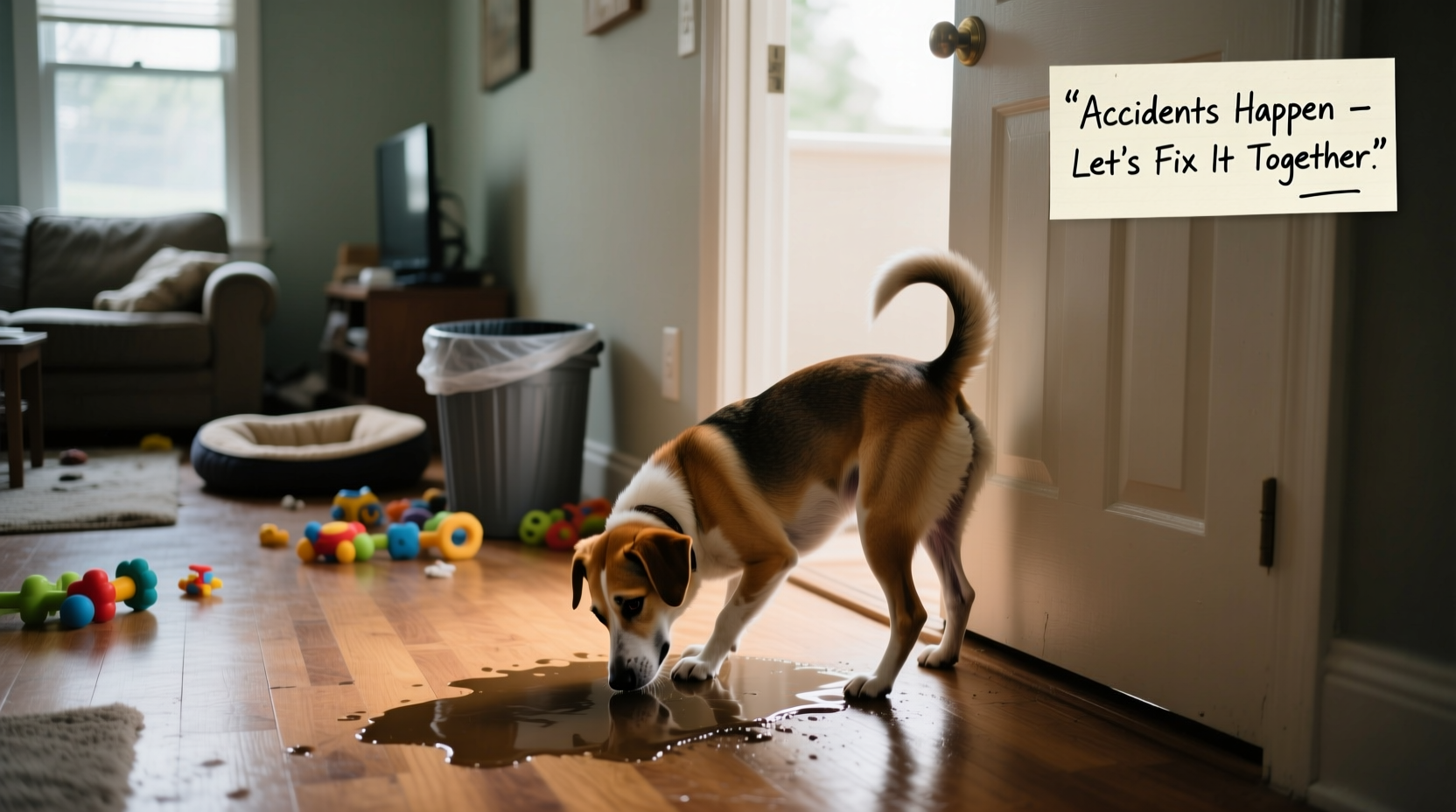
Sudden changes in bathroom habits should prompt a veterinary visit. Several health conditions can cause dogs to lose control of their bladder or feel the urgent need to urinate frequently. Common medical issues include:
- Urinary tract infections (UTIs): One of the most frequent causes, especially in female dogs. Symptoms include frequent attempts to urinate, straining, and strong-smelling urine.
- Bladder stones or crystals: These can irritate the urinary tract and lead to accidents.
- Diabetes: Increased thirst and urination are classic signs.
- Kidney disease: Older dogs may develop kidney problems that affect bladder control.
- Hormonal imbalances: Spayed females sometimes develop urethral sphincter incompetence, leading to passive leakage while resting.
Treating the underlying condition often resolves the urination problem. Never scold a dog for accidents linked to illness—they cannot control them.
Behavioral and Training Factors
When medical causes are ruled out, behavior becomes the primary focus. Dogs don’t pee indoors to “get back” at their owners. Instead, stress, anxiety, poor training, or environmental triggers play key roles.
Submissive or Excitement Urination
Young or timid dogs may urinate when greeted, approached, or scolded. This is not a housebreaking failure but a social response. The dog lowers its body, tucks its tail, and releases a small amount of urine to show non-threat.
Marking Behavior
Unneutered males are more prone to marking, but spayed or neutered dogs may also mark due to stress or territorial insecurity. Marking is usually a small amount of urine on vertical surfaces like furniture legs or walls.
Poor Housebreaking Foundation
Puppies taken from their litter too early or inconsistently trained may never fully grasp where to eliminate. Owners who react harshly to accidents can inadvertently create fear-based behaviors that worsen the problem.
“Dogs thrive on predictability. A consistent routine for feeding, walking, and bathroom breaks reduces confusion and builds reliable habits.” — Dr. Laura Bennett, DVM, Canine Behavior Specialist
Solutions That Work: A Step-by-Step Approach
Resolving indoor urination requires a structured plan. Follow these steps methodically to retrain your dog and prevent recurrence.
- Rule out medical issues with a full veterinary exam, including urine analysis.
- Re-establish a potty schedule: Take your dog outside every 2–3 hours, after meals, naps, and play sessions.
- Use positive reinforcement: Praise and treat immediately after outdoor elimination.
- Supervise closely indoors: Use leashes or baby gates to limit access until reliability improves.
- Clean accidents thoroughly: Use enzymatic cleaners to remove odor cues that attract repeat incidents.
- Neuter or spay if not already done: Reduces hormonal urges to mark territory.
- Address anxiety triggers: Identify and minimize stressors like loud noises, new pets, or separation.
Common Mistakes and What to Avoid
Even well-meaning owners can unintentionally reinforce bad habits. The following table outlines typical errors and better alternatives.
| Don't | Do Instead |
|---|---|
| Yell or punish after an accident | Calmly interrupt if caught in the act, then redirect outside |
| Assume the dog \"knows better\" | Re-train as if starting from scratch, regardless of age |
| Let the dog roam freely in the house unsupervised | Use confinement (crate or gated area) when unattended |
| Use vinegar or bleach to clean urine | Apply enzymatic cleaner designed for pet stains |
| Ignore subtle signs like sniffing or circling | Recognize pre-urination behaviors and act quickly |
Real-Life Example: Max, the Anxious Rescue Dog
Max, a three-year-old mixed breed, was adopted from a shelter. Within a week, his new owner noticed he was peeing near the front door whenever guests arrived. Initially thought to be poor training, the pattern suggested otherwise. After a clean bill of health from the vet, a trainer observed that Max would tense up, avoid eye contact, and squat slightly during greetings.
The diagnosis: submissive urination triggered by social anxiety. The solution involved modifying greeting routines—owners were instructed to ignore Max for the first few minutes, avoid direct eye contact, and crouch sideways to appear less intimidating. Over six weeks, with consistent practice and positive reinforcement, Max stopped urinating during visits. His confidence grew, and the accidents ceased entirely.
This case highlights how critical it is to observe context and behavior rather than assume disobedience.
Checklist: How to Stop Indoor Urination
Follow this actionable checklist to regain control and build lasting habits:
- ✅ Schedule a veterinary check-up to rule out UTIs, diabetes, or incontinence.
- ✅ Establish a fixed potty routine: every 2–3 hours, after eating, drinking, or waking.
- ✅ Choose a designated outdoor spot and use a consistent cue word like “Go potty.”
- ✅ Reward immediately with treats and praise when your dog eliminates outside.
- ✅ Supervise constantly indoors or confine your dog to a manageable area.
- ✅ Clean all past accident sites with enzymatic cleaner to eliminate scent markers.
- ✅ Reduce stress by maintaining a predictable environment and using calming aids if needed.
- ✅ Consider neutering if marking is suspected and the dog is intact.
Frequently Asked Questions
Why is my spayed female dog peeing in the house?
Spayed females can develop urethral sphincter mechanism incompetence (USMI), where weakened muscles cause leakage, especially when lying down. It’s treatable with medication. Always consult your vet to confirm the cause.
My dog was fully house-trained—why the sudden regression?
Sudden regression often signals a medical issue (like a UTI), environmental change (new pet, move, or schedule shift), or anxiety (separation, loud noises). Investigate recent changes and consult a vet or behaviorist.
How long does it take to rehousebreak a dog?
With consistent effort, most dogs show improvement within 2–4 weeks. Full reliability may take up to 8 weeks, depending on age, temperament, and prior training history.
Conclusion: Patience and Consistency Are Key
Indoor urination is one of the most common yet solvable challenges in dog ownership. Success doesn’t come from punishment or frustration, but from understanding, structure, and empathy. Whether the cause is medical, emotional, or simply a gap in training, every dog can improve with the right approach. Start with a vet visit, implement a clear routine, and respond with calm consistency. Your dog isn’t trying to misbehave—they’re communicating. Listen, act wisely, and you’ll rebuild trust and cleanliness together.
💬 Have a story about overcoming indoor peeing? Share your experience in the comments—your insight could help another dog owner find hope and solutions.








