A healthy tongue is typically pink and slightly textured, but changes in color or texture can signal underlying issues. One of the most common concerns people notice is white spots on the tongue. While often harmless, these patches can sometimes indicate infections, chronic conditions, or more serious health problems. Understanding the root causes, appropriate treatments, and warning signs can help you respond effectively and avoid complications.
Common Causes of White Spots on the Tongue
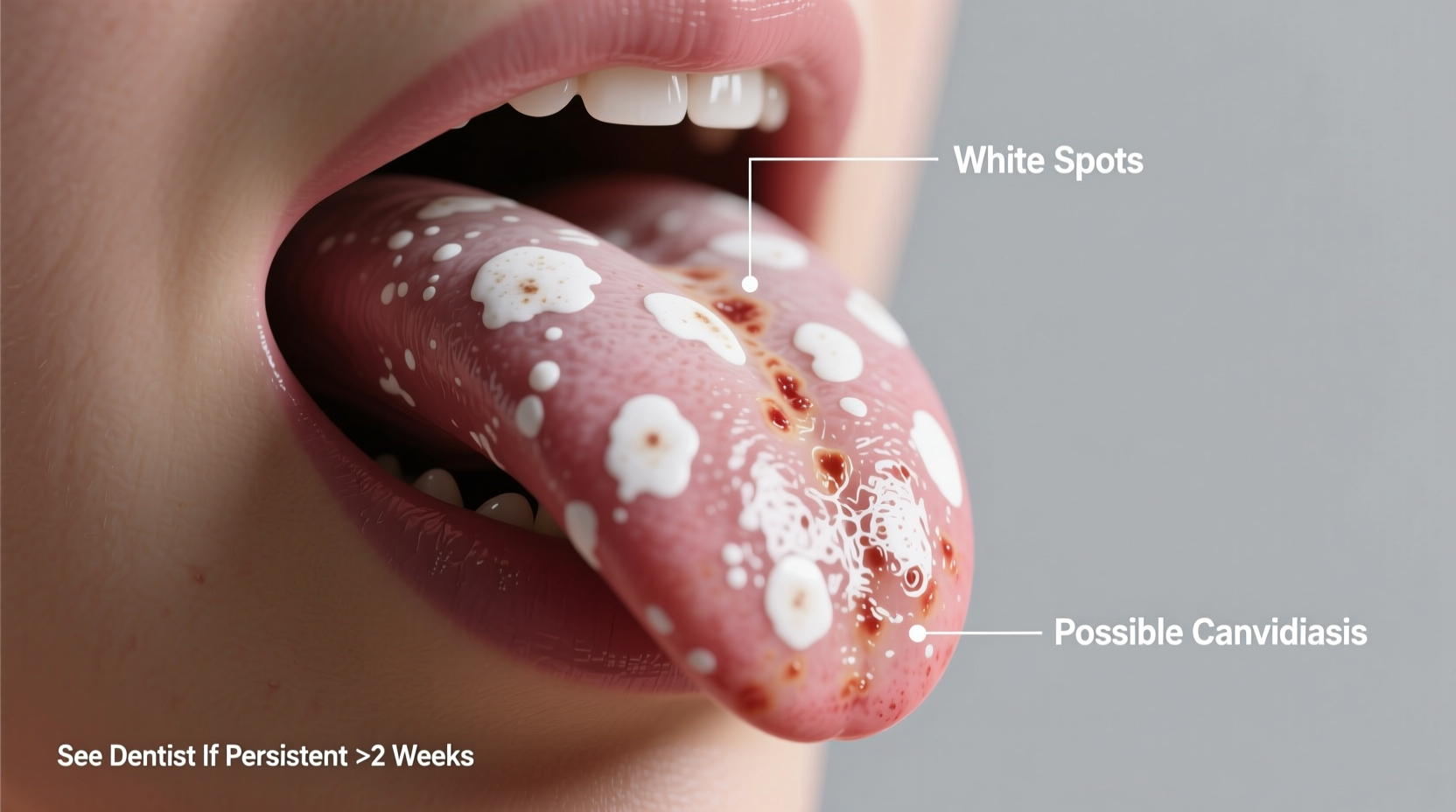
White spots are rarely isolated symptoms—they usually stem from specific physiological or environmental factors. The most frequent causes include:
- Oral thrush (Candidiasis): A fungal infection caused by an overgrowth of Candida yeast. It appears as creamy white lesions that may bleed if scraped.
- Leukoplakia: Thickened white patches caused by irritation—often from smoking, alcohol, or rough teeth. These cannot be wiped away and may be precancerous.
- Geographic tongue: A benign condition where smooth, red patches with white borders form due to shedding of tongue tissue. It’s called \"geographic\" because of its map-like appearance.
- Oral lichen planus: An inflammatory condition causing lacy white lines or dots, sometimes with redness or ulcers.
- Canker sores (aphthous ulcers): Small, painful ulcers with a white or yellow center surrounded by a red halo.
- Dehydration or dry mouth: Reduced saliva flow allows bacteria and debris to accumulate, leading to temporary white coating.
- Poor oral hygiene: Buildup of food debris, bacteria, and dead cells on papillae can cause a white film.
Treatment Options Based on Cause
Effective treatment depends entirely on identifying the underlying cause. Self-diagnosis can be misleading, but knowing what options exist prepares you for informed discussions with healthcare providers.
- For oral thrush: Antifungal medications such as nystatin (mouthwash) or fluconazole (oral tablet) are commonly prescribed. Diabetics or those on antibiotics should monitor closely, as they’re at higher risk.
- For leukoplakia: Eliminating irritants like tobacco or alcohol is the first step. If lesions persist, a biopsy may be needed to rule out dysplasia or early cancer.
- For geographic tongue: No treatment is required since it's harmless and often resolves on its own. Avoiding spicy or acidic foods reduces discomfort.
- For oral lichen planus: Corticosteroid gels or rinses reduce inflammation. In severe cases, immunosuppressants may be used under supervision.
- For canker sores: Over-the-counter topical anesthetics (like benzocaine) and antimicrobial mouthwashes provide relief. Most heal within 7–10 days.
- For general coating or debris: Improved hydration, tongue cleaning, and antiseptic mouthwashes (e.g., chlorhexidine) help restore normal appearance.
| Condition | Appearance | Can Be Wiped Off? | Typical Treatment |
|---|---|---|---|
| Oral Thrush | Creamy white patches | Yes (may leave red base) | Antifungal medication |
| Leukoplakia | Thick, white plaques | No | Remove irritants; biopsy if persistent |
| Geographic Tongue | Red patches with white borders | N/A – not a buildup | None needed |
| Oral Lichen Planus | Lacy white lines or dots | No | Corticosteroids, anti-inflammatories |
| Canker Sores | Small, round ulcers with white center | No (but may crust) | Topical pain relief |
When to Worry: Red Flags That Require Medical Attention
Most white spots are temporary and resolve with basic care. However, certain symptoms suggest a need for prompt evaluation by a dentist or physician.
“Any persistent white lesion lasting more than two weeks, especially if associated with pain, bleeding, or ulceration, warrants professional assessment.” — Dr. Lena Patel, Oral Medicine Specialist
Seek medical advice if you experience any of the following:
- The spot does not go away after 2–3 weeks despite good oral hygiene.
- It becomes painful, hard, or grows in size.
- You have difficulty swallowing or moving your tongue.
- The lesion bleeds easily when touched.
- You are a smoker or heavy drinker with new or changing patches.
- You notice white spots spreading to other areas of the mouth (gums, cheeks, throat).
In rare cases, persistent leukoplakia or erythroplakia (red patches) can progress to oral cancer. Early detection significantly improves outcomes, so timely evaluation is crucial.
Step-by-Step Guide to Managing and Preventing White Spots
Whether you're dealing with a current outbreak or aiming to prevent future issues, follow this practical timeline:
- Day 1–3: Assess and Clean
- Inspect the spot: note size, texture, and whether it wipes off.
- Begin gentle tongue brushing twice daily.
- Rinse with warm salt water (½ tsp salt in 8 oz water) 2–3 times per day.
- Day 4–7: Monitor and Adjust Habits
- Eliminate known irritants: stop smoking, reduce alcohol, avoid spicy foods.
- Stay hydrated—drink at least 8 glasses of water daily.
- Use an alcohol-free mouthwash to maintain balance.
- Week 2: Evaluate Progress
- If the spot has faded or disappeared, continue preventive habits.
- If unchanged or worsening, schedule a dental or medical appointment.
- Ongoing: Prevention
- Maintain regular dental checkups every 6 months.
- Replace your toothbrush every 3 months.
- Manage systemic conditions like diabetes or dry mouth.
Real-Life Example: When Home Care Wasn’t Enough
Sarah, a 42-year-old teacher, noticed a small white patch on the side of her tongue after finishing a course of antibiotics. She assumed it was thrush and tried over-the-counter antifungal gel for a week. When the patch didn’t improve and began to feel rough, she visited her dentist. After examination and biopsy, she was diagnosed with early-stage leukoplakia linked to long-term smoking. With smoking cessation and close monitoring, the lesion regressed over several months. Sarah’s case highlights how even seemingly minor symptoms can mask serious conditions—and why timely professional input matters.
Frequently Asked Questions
Can stress cause white spots on the tongue?
Stress doesn’t directly cause white spots, but it can weaken the immune system, making you more susceptible to oral thrush or canker sores. Stress-related habits like teeth grinding or poor diet may also contribute indirectly.
Is a white tongue always a sign of illness?
No. A transient white coating is common and often due to dehydration, fasting, or poor oral hygiene. It typically resolves with hydration and tongue cleaning. Persistent or symptomatic changes require attention.
Can children get white spots on their tongue?
Yes. Children may develop oral thrush (especially infants), geographic tongue, or strep throat, which can present with white tonsillar patches. If a child has fever, refusal to eat, or persistent spots, consult a pediatrician.
Final Thoughts: Take Control of Your Oral Health
Your tongue is a window into your overall health. White spots are common and often benign, but dismissing them without understanding the cause can be risky. By practicing consistent oral hygiene, staying hydrated, and recognizing warning signs, you empower yourself to act early and effectively. Don’t hesitate to seek professional evaluation if something feels off—your long-term health may depend on it.
💬 Have you experienced white spots on your tongue? Share your story or questions below—your insight could help someone else find answers.








