
Shock collars, also known as electronic training collars, remain a controversial yet widely used tool in dog training. When used responsibly and with proper understanding, they can help correct persistent behavioral issues such as excessive barking, wandering off-leash, or ignoring recall commands. The key to ethical and effective use lies in choosing a collar that offers precise adjustability, multiple correction modes, and reliable performance. This guide explores some of the best shock collars on the market, highlights essential features to consider, and provides practical advice for safe and humane application.
Understanding How Shock Collars Work
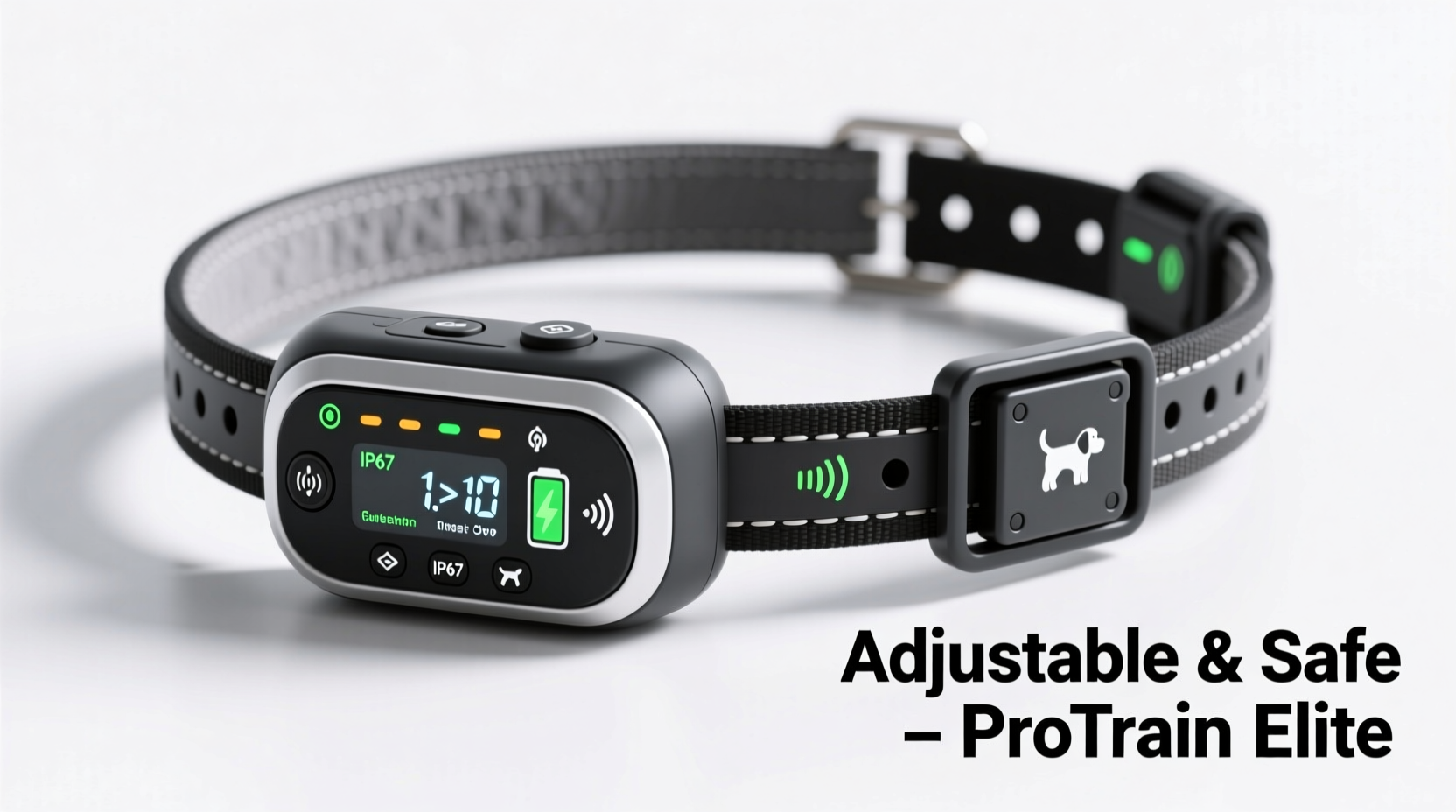
Modern shock collars deliver a brief, low-level stimulation to the dog’s neck via metal contact points. Contrary to popular belief, most reputable brands do not administer painful \"shocks\" but instead use gentle static pulses designed to get attention or interrupt unwanted behavior. These devices typically offer three modes: vibration, tone (beep), and stimulation. Many allow users to fine-tune intensity levels—often from 0 to 100—to match the dog’s size, temperament, and sensitivity.
The goal is not punishment but communication. A well-adjusted collar helps reinforce commands at a distance where voice cues may not reach, making it particularly useful for off-leash training in open areas like fields or parks.
Tip: Always start at the lowest stimulation level and gradually increase only if necessary. Most dogs respond to minimal settings when paired with consistent training.Top 5 Effective and Adjustable Shock Collars for Dogs
After evaluating dozens of models based on range, build quality, customization, and customer feedback, these five stand out for their reliability and user-friendly design.
| Model | Range (ft) | Adjustable Levels | Key Features | Best For |
|---|---|---|---|---|
| E-collar Elite 150 Dog Trainer | 3/4 mile (1,320 ft) | 100 levels | Tone/vibration + static; rechargeable; waterproof | Larger breeds, advanced obedience |
| Garmin Delta XC | 1 mile (1,760 ft) | 18 levels | Stimulation + tone; GPS-compatible; rugged design | Hunting dogs, outdoor work |
| SportDOG 425X | 500 yards (~1,500 ft) | 21 levels | Vibration + static; submersible; dual-dog capable | Moderate-sized active dogs |
| Bossier Pro Series 2.0 | 1,000 ft | 100 levels | Remote spray option; long battery life; LCD screen | Dogs resistant to traditional corrections |
| PetSafe Stubborn Dog Basic | 400 ft | 6 levels | Affordable; waterproof; simple interface | Small to medium dogs with mild behavioral issues |
Why These Models Stand Out
- E-collar Elite 150: Offers unparalleled precision with 100 intensity levels, ideal for trainers who need subtle control over correction strength.
- Garmin Delta XC: Integrates seamlessly with Garmin GPS systems, perfect for hunters needing real-time tracking and training.
- SportDOG 425X: Known for durability and full waterproofing, suitable for waterfowl training or wet environments.
- Bossier Pro Series: Unique remote citronella spray feature adds a non-electric alternative for sensitive dogs.
- PetSafe: Budget-friendly without sacrificing core functionality, great for first-time users.
“Electronic collars aren’t about dominance—they’re tools for clarity. Used correctly, they can save a dog’s life by preventing road accidents or aggressive encounters.” — Dr. Karen Klein, Certified Animal Behaviorist
How to Choose the Right Shock Collar for Your Dog
Selecting the appropriate collar involves more than reading product specs. It requires understanding your dog’s needs, environment, and training goals.
Step-by-Step Guide to Selection
- Assess Your Dog’s Size and Temperament: Smaller or more sensitive dogs benefit from lower maximum intensities and gentler modes like vibration.
- Determine Training Environment: If you train in large, open spaces, prioritize range (1,000+ feet). Urban settings may require shorter-range but more discreet models.
- Check for Adjustability: Look for collars offering at least 10–20 levels of stimulation. More levels mean finer control.
- Verify Waterproofing: Essential for outdoor or hunting dogs. Submersible units withstand swimming and heavy rain.
- Test Battery Life: Rechargeable models with 40+ hours of use reduce long-term costs and downtime.
- Read Return Policies: Some brands offer trial periods—take advantage to ensure compatibility.
Real-World Example: Training a High-Energy Border Collie
Mark, a dog trainer in Colorado, worked with Luna, a 2-year-old Border Collie with intense herding instincts. Despite consistent leash training, she would bolt after wildlife during hikes. Standard recall commands failed at distances beyond 100 feet.
He introduced the E-collar Elite 150, starting with tone-only signals. Over two weeks, he paired the beep with a treat when Luna responded. Once she associated the sound with positive reinforcement, he added low-level stimulation (Level 5) only when she ignored the tone. Within a month, Luna responded reliably up to 800 feet away. The collar was never used aggressively—only as a last resort after verbal cues were ignored.
This case illustrates how adjustable collars, combined with positive reinforcement, can enhance safety and responsiveness without causing fear or aggression.
Safety and Ethical Use: What You Must Know
While effective, shock collars carry risks if misused. Improper application can lead to anxiety, fear-based aggression, or learned helplessness. To minimize harm:
- Never use continuous or high-intensity stimulation.
- Avoid using the collar as punishment for past behavior.
- Always pair corrections with immediate redirection to desired behavior.
- Use only under supervision and discontinue if signs of distress appear.
Do’s and Don’ts of Shock Collar Use
| Do’s | Don’ts |
|---|---|
| Start with vibration or tone before introducing stimulation | Use the highest setting “just to be sure” |
| Train in short, focused sessions (10–15 minutes) | Leave the collar on 24/7 |
| Monitor your dog’s reaction closely | Use it on puppies under 6 months or aggressive dogs |
| Combine with positive reinforcement techniques | Rely solely on the collar without hands-on training |
Frequently Asked Questions
Are shock collars legal?
Yes, in most U.S. states and Canada. However, several countries—including the UK, Germany, and Norway—have banned or restricted their use. Always check local regulations before purchasing.
Can shock collars make my dog aggressive?
Potentially, yes—if used incorrectly. Dogs may associate pain with people, animals, or environments present during correction, leading to redirected aggression. Proper training avoids this by ensuring the stimulus interrupts behavior without creating fear.
What’s the difference between a shock collar and a bark collar?
Shock collars are manually triggered by the handler via remote. Bark collars are automatic—they detect barking and self-activate. While both use similar technology, bark collars lack adjustability and context awareness, making them less precise.
Final Thoughts and Responsible Action
The best shock collars for dogs are not the strongest or loudest—they are the most thoughtful. Effectiveness comes not from power, but from precision, consistency, and respect for the animal’s well-being. Whether you're managing a working dog in the field or improving off-leash manners in a suburban park, the right collar should enhance communication, not replace training.
If you choose to use an electronic collar, commit to learning proper techniques, invest time in gradual conditioning, and always prioritize your dog’s mental health. Technology should serve the relationship, not strain it.
💬 Have experience with electronic training collars? Share your insights or questions below—your input could help fellow dog owners make safer, smarter choices.








