
For dog owners with powerful chewers, finding a durable, safe chew toy isn’t just about convenience—it’s essential for their pet’s health and home safety. Aggressive chewers can demolish standard rubber or plush toys in minutes, posing choking hazards or leading to costly vet visits from ingested fragments. Nylon bones have long been marketed as a solution: tough, long-lasting, and satisfying for intense chewing. But are they truly safe? And what alternatives exist when even nylon doesn’t hold up?
This guide dives into the science and real-world use of nylon chew toys, evaluates their safety profile, and identifies the best options available for dogs that treat toys like prey. We’ll examine material composition, veterinary opinions, and real-life durability across breeds—from Labradors to Pit Bulls—so you can make informed decisions without compromising your dog’s well-being.
The Challenge of Aggressive Chewers
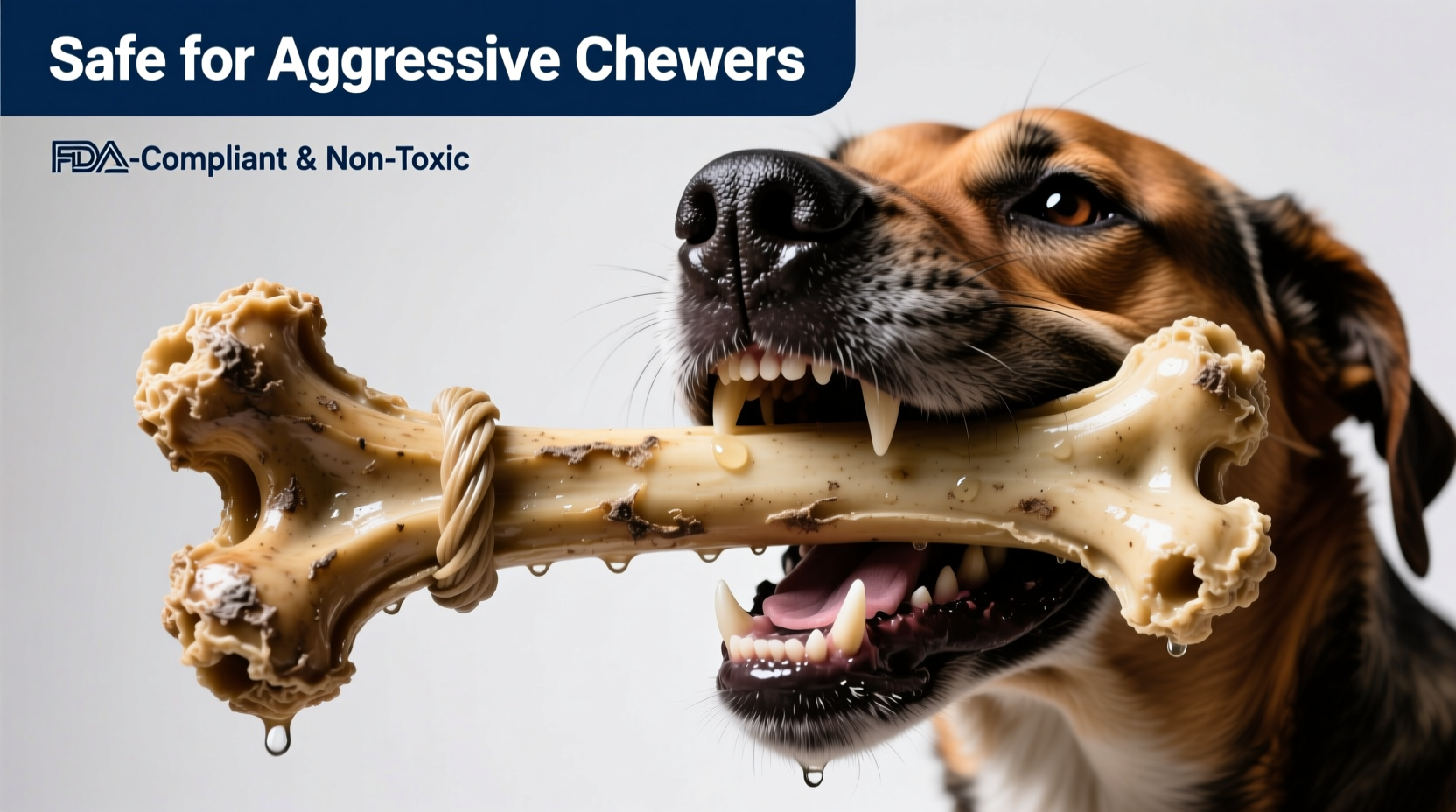
Dogs chew for instinctual, behavioral, and physiological reasons. Puppies chew to relieve teething pain, while adult dogs do it to manage stress, clean teeth, or simply pass time. For high-energy breeds like German Shepherds, Rottweilers, or American Staffordshire Terriers, chewing is both a mental outlet and physical necessity. Without appropriate outlets, they may turn to furniture, shoes, or electrical cords.
Aggressive chewers don’t just gnaw—they apply sustained, forceful pressure capable of fracturing lesser materials. The average dog bite force ranges from 150 to over 320 pounds per square inch (psi), depending on breed. A toy that survives gentle play may shatter under such force, creating sharp edges or swallowable chunks.
Tip: Supervise your dog during chewing sessions, especially with new or hard toys, to catch early signs of breakage or splintering.Are Nylon Bones Actually Safe?
Nylon bones, typically made from thermoplastic polymers, are engineered to resist cracking and fracturing better than rawhide or soft rubber. Brands like Nylabone dominate this space, offering products in various shapes, flavors, and hardness levels. Their durability makes them popular among owners of strong-jawed dogs.
However, “safe” depends on context. While most nylon chews are non-toxic and FDA-compliant for incidental food contact, concerns arise when pieces break off. Unlike digestible chews, nylon is not meant to be consumed. If swallowed, large fragments can cause intestinal blockages—a serious condition requiring surgery.
Veterinarians often caution against unflavored, ultra-hard nylon bones, particularly for dogs that tend to bite aggressively rather than chew methodically. Dr. Karen Becker, a proactive veterinarian and animal health advocate, notes:
“While nylon bones can satisfy a dog’s urge to chew, their rigidity poses risks. I’ve seen cases where dogs fractured molars or developed gastrointestinal obstructions from swallowing broken pieces. They’re not inherently dangerous—but they’re not one-size-fits-all either.” — Dr. Karen Becker, DVM
When Nylon Becomes a Risk
- Size reduction: Once a nylon bone wears down to a small piece (smaller than the dog’s mouth), it becomes a choking hazard.
- Sharp edges: Repeated chewing can create jagged surfaces that irritate gums or damage tooth enamel.
- Overuse: Continuous chewing on hard surfaces may lead to dental wear or fractures, especially in older dogs.
Manufacturers often recommend replacing nylon chews once significant wear appears. Yet many owners overlook this, assuming “if it hasn’t broken yet, it’s still safe.” That assumption can be costly.
Top Chew Toys for Aggressive Chewers: Beyond Nylon
While nylon remains a common choice, newer materials and designs offer safer, more durable alternatives. The ideal chew toy balances toughness with flexibility, minimizing dental risk while resisting destruction.
1. Rubber-Based Toys (High-Density)
Not all rubber is created equal. Standard rubber toys fail quickly under aggressive chewing. However, high-density rubber—like that used in Kong Extreme or GoughNuts—can withstand extreme pressure.
Kong’s black rubber compound is specifically formulated for power chewers. It resists splitting and offers bounce-back resilience, reducing the chance of sharp fragment formation. Similarly, GoughNuts produces multi-layered rubber toys with an indicator system: if the inner green layer becomes visible, the toy is compromised and should be replaced.
2. Vulcanized Rubber and Composite Materials
Some brands use vulcanization—a chemical process that strengthens rubber by adding sulfur—to enhance durability. West Paw’s Zogoflex line uses this technology to create recyclable, non-toxic, dishwasher-safe toys that flex under pressure instead of shattering.
These toys are especially useful for dogs that destroy everything but still need a safe chewing option. They’re also buoyant, making them suitable for water-loving chewers.
3. Edible Chews with Structural Integrity
Edible doesn’t always mean fragile. Bully sticks, thick beef trachea, and yak cheese chews provide long-lasting engagement while being fully digestible. These are excellent for dogs prone to swallowing pieces of hard toys.
However, supervision is still required. Even digestible chews can pose risks if gulped whole. Choose appropriately sized chews—longer than the dog’s muzzle—and remove remnants smaller than a golf ball.
4. Reinforced Fabric Toys
Toys like Planet Dog’s Orbee-Tuff or Tug-A-Jug combine ballistic nylon with rubber components to resist tearing. These aren’t for pure chewing but work well for dogs that enjoy tugging, fetching, and light gnawing.
| Toy Type | Durability | Dental Safety | Digestibility | Best For |
|---|---|---|---|---|
| Nylon Bones | ★★★★☆ | ★☆☆☆☆ | ✗ | Dogs that chew slowly, moderate aggression |
| Kong Extreme | ★★★★☆ | ★★★★☆ | ✗ | Power chewers, fetch lovers |
| GoughNuts Ring | ★★★★★ | ★★★★☆ | ✗ | Dogs with history of toy destruction |
| Yak Cheese Chew | ★★★☆☆ | ★★★★★ | ✓ | Dogs prone to swallowing toy fragments |
| West Paw Qwizl | ★★★☆☆ | ★★★★☆ | Partially (stuffing removable) | Mental stimulation + chewing combo |
Real-World Example: Max the Labrador Mix
Max, a 70-pound mixed-breed rescue, had destroyed every toy his owner bought within days. His previous owner reported he’d eaten parts of two nylon bones, resulting in one emergency vet visit for mild obstruction. Seeking a safer alternative, Max’s new owner consulted a canine behaviorist who recommended switching to a layered approach.
Instead of relying solely on hard chews, Max was given a routine: a stuffed Kong in the morning, a GoughNuts ring for afternoon outdoor play, and supervised yak chews in the evening. The combination satisfied his oral fixation while minimizing risk. Over six months, Max showed no signs of destructive chewing at home, and his dental checkups revealed less wear than before.
This case illustrates that safety isn’t just about material—it’s about strategy. Rotating toy types, matching texture to behavior, and supervising initial use can prevent problems before they start.
How to Choose the Right Chew Toy: A Step-by-Step Guide
Selecting the best chew toy requires more than reading labels. Follow this practical sequence to ensure safety and satisfaction:
- Assess your dog’s chewing style: Does your dog nibble gently, shake toys violently, or crush them with back molars? Power crushers need flexible-yet-durable materials.
- Measure jaw strength and size: Larger dogs with broad skulls typically generate more bite force. Match toy size accordingly—never smaller than the dog’s muzzle.
- Check for safety certifications: Look for BPA-free, phthalate-free, and FDA-compliant materials. Avoid toys with strong chemical odors, which may indicate low-quality plastics.
- Introduce one toy at a time: Monitor how your dog interacts with it. Watch for aggressive biting, attempts to break it apart, or signs of frustration.
- Inspect regularly: Examine toys weekly for cracks, fraying, or loose parts. Replace immediately if structural integrity is compromised.
- Rotate toys weekly: Dogs grow bored easily. Rotating prevents obsession with a single item and reduces overuse wear.
Frequently Asked Questions
Can nylon bones damage my dog’s teeth?
Yes. Veterinarians report cases of cracked or fractured molars in dogs that regularly chew ultra-hard nylon or antler-based toys. The risk increases if the toy doesn’t flex under pressure. Opt for slightly yielding materials like high-density rubber to reduce dental trauma.
Are there any truly indestructible dog toys?
No dog toy is completely indestructible. Claims of “indestructible” are marketing terms, not guarantees. Even the toughest toys can break under persistent chewing. The safest approach is supervision and timely replacement.
What should I do if my dog swallows a piece of nylon?
Contact your veterinarian immediately. Small fragments may pass naturally, but larger pieces can cause blockages. Signs include vomiting, lethargy, loss of appetite, or straining to defecate. X-rays or ultrasounds may be needed to assess the situation.
Final Checklist Before Buying Any Chew Toy
- ✅ Toy is labeled for “power chewers” or “aggressive chewers”
- ✅ Made from non-toxic, BPA-free, phthalate-free materials
- ✅ Size is appropriate for your dog’s weight and mouth
- ✅ Has some flexibility—not completely rigid
- ✅ No small, detachable parts (eyes, squeakers, ropes)
- ✅ Manufacturer provides clear replacement guidelines
- ✅ You’re able to supervise use initially and periodically
Conclusion: Balancing Durability and Safety
Nylon bones can be a viable option for certain aggressive chewers—but only when used responsibly. Their durability comes with trade-offs: dental risk, indigestibility, and potential for injury if fragments break off. For many dogs, safer alternatives like high-density rubber, edible chews, or reinforced composites offer better long-term outcomes.
The key is not to seek a single “perfect” toy, but to build a rotation strategy tailored to your dog’s behavior, size, and chewing intensity. Combine durable chews with mental enrichment, proper supervision, and regular inspections to keep your dog engaged and safe.
🚀 Ready to upgrade your dog’s chew game? Start by replacing one worn toy with a vet-recommended option today. Share your experience or ask questions in the comments—your insight could help another dog owner avoid a costly mistake.








