As temperatures rise each summer, pet owners face a growing concern: how to protect their dog’s sensitive skin from heat, sunburn, insect bites, and allergens. While many focus on hydration and shade, one of the most effective yet underutilized tools is proper protective clothing. From UV-blocking shirts to cooling vests and hypoallergenic fabrics, the right apparel can make a critical difference in your dog’s comfort and long-term health.
Dogs with thin coats, light-colored fur, or medical conditions such as lupus or dermatitis are especially vulnerable during peak sun months. Even breeds with thick double coats aren’t immune to overheating or skin irritation caused by environmental factors. This guide explores how to choose, use, and maintain dog clothing that actively safeguards skin health—all backed by veterinary insight and practical experience.
Why Dog Skin Needs Protection in Summer
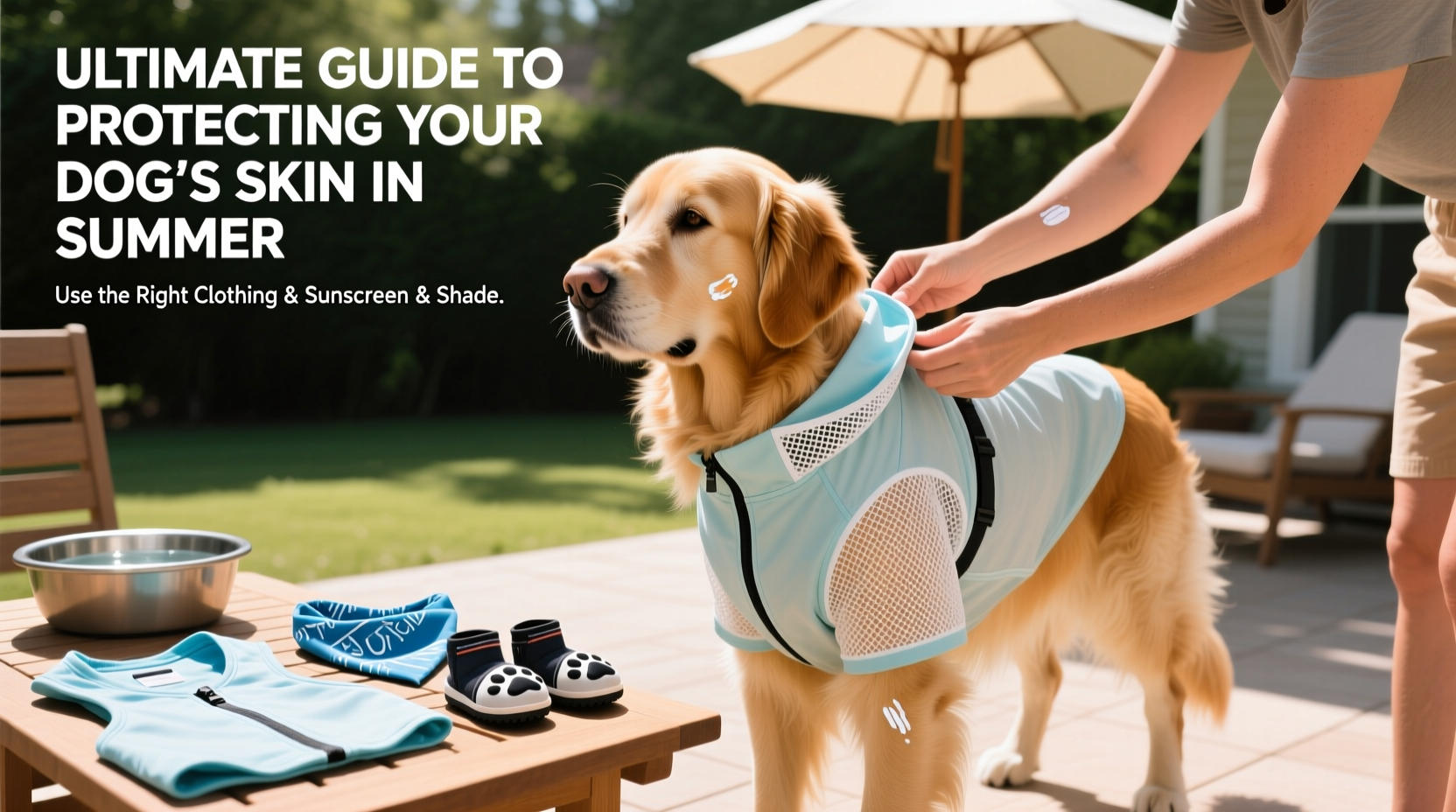
A dog’s skin is more sensitive than many realize. Unlike humans, they rely primarily on panting to cool down and have limited sweat glands (mainly in their paw pads). Their skin lacks the melanin protection many humans have, making them prone to sunburn—especially on exposed areas like the nose, ears, belly, and groin.
Extended exposure to UV rays increases the risk of solar dermatitis and even skin cancer in dogs. Breeds like Dalmatians, Bulldogs, Whippets, and Chinese Cresteds are particularly susceptible due to low pigmentation. Additionally, summer brings heightened threats from insects carrying diseases like Lyme or West Nile virus, and allergens such as pollen and grass irritants that trigger atopic dermatitis.
Tip: Limit outdoor activity during peak UV hours (10 a.m.–4 p.m.) and always pair clothing with pet-safe sunscreen on exposed skin.Choosing the Right Fabrics for Skin Protection
Not all dog clothes are created equal. The fabric determines breathability, moisture management, UV resistance, and comfort. Here’s what to look for:
- UPF-rated textiles: Look for garments labeled UPF 30+ or higher. These block over 97% of harmful UV radiation.
- Cooling materials: Fabrics infused with ceramic particles or phase-change technology absorb body heat and release it slowly, helping regulate temperature.
- Mechanical stretch & airflow: Mesh panels or knitted weaves allow ventilation while still shielding against bugs and UV.
- Hypoallergenic fibers: Bamboo, organic cotton, and TENCEL™ reduce friction and resist bacterial growth—ideal for dogs with allergies.
Avoid polyester-heavy garments unless specifically designed for wicking. Non-breathable synthetics trap heat and moisture, increasing the risk of hot spots and yeast infections.
“Just like human infants, dogs with fair skin need physical barriers against the sun. Clothing is the safest form of daily UV defense.” — Dr. Lena Torres, Veterinary Dermatologist, DACVD
Essential Types of Protective Dog Clothing for Summer
Understanding which garments serve which purpose ensures you’re not just dressing your dog but actually protecting them.
| Type of Clothing | Primary Benefit | Best For | Limitations |
|---|---|---|---|
| UV-Protective Shirts | Blocks 98% of UVA/UVB rays | Light-coated breeds, post-surgery care | May retain heat if poorly ventilated |
| Cooling Vests | Evaporative cooling via water activation | Active dogs, hiking, training sessions | Requires re-wetting every 1–2 hours |
| Insect-Repellent Gear | Treated with permethrin (vet-approved) | Dense woods, tick-prone regions | Not safe for cats; must follow dosage guidelines |
| Allergy Shields (Full-body suits) | Barrier against pollen, dust, grass | Dogs with atopic dermatitis | Can be cumbersome; needs sizing precision |
| Sun Hats & Visors | Shades face, eyes, nose | Dogs with pink noses or facial tumors | May fall off during movement |
Step-by-Step Guide to Introducing and Using Summer Clothing
Even the best gear won’t help if your dog resists wearing it. Follow this timeline to ensure acceptance and effectiveness:
- Day 1–2: Introduce the garment off-leash indoors. Let your dog sniff, paw at, and explore it. Reward curiosity with treats.
- Day 3–4: Drape loosely over back. Fasten only one clip or Velcro strap. Allow short wear (5 minutes), then remove. Praise calm behavior.
- Day 5–6: Full fit without activity. Dress completely while indoors. Monitor for scratching, chewing, or anxiety. Adjust straps if needed.
- Day 7: First outdoor trial. Use during a brief walk in mild weather. Watch for signs of overheating (excessive panting, lethargy).
- Ongoing: Rotate garments and inspect skin daily. Check under armpits, chest, and neck for redness or chafing after each use.
Real-World Example: Managing a Bulldog’s Summer Skin Flare-Ups
Max, a 4-year-old English Bulldog from Phoenix, AZ, began developing raw patches on his belly and inner thighs every summer. His owner, Sarah, initially attributed it to “just itching,” but a vet diagnosis revealed chronic solar dermatitis exacerbated by pavement heat and dust mites.
After trying medicated shampoos and antihistamines with limited success, Sarah introduced a lightweight UPF 50+ bodysuit made from breathable bamboo blend. She paired it with a cooling vest during walks and applied vet-recommended zinc oxide balm on his nose.
Within three weeks, Max’s lesions healed, and he showed no new flare-ups throughout the season. His vet noted, “Physical protection reduced his inflammatory triggers more effectively than medication alone.”
Checklist: Summer Skin Protection Routine
- ✅ Assess your dog’s skin type and sun sensitivity
- ✅ Purchase at least one UPF-rated garment in correct size
- ✅ Test clothing indoors before outdoor use
- ✅ Combine clothing with pet-safe sunscreen on exposed areas
- ✅ Limit midday sun exposure
- ✅ Wash clothing weekly with fragrance-free detergent
- ✅ Inspect skin daily for irritation or infection
- ✅ Consult your vet before using insect-repellent treated gear
Frequently Asked Questions
Can dogs overheat in clothing during summer?
Yes, if the fabric is non-breathable or improperly fitted. Always choose lightweight, ventilated materials and monitor your dog closely. Remove clothing after 1–2 hours of continuous wear, especially in high humidity.
How do I know if the clothing fits correctly?
A properly fitting garment should allow two fingers to slide under any strap or collar. It shouldn’t restrict movement, rub joints, or shift significantly when walking. Refer to brand-specific sizing charts and measure your dog’s neck, chest, and length from base of neck to tail.
Are there natural alternatives to chemical insect-repellent clothing?
Yes. Some brands offer mechanical barriers using ultra-fine mesh that blocks ticks and mosquitoes without chemicals. You can also use neem oil-based sprays (vet-approved) on clothing—but never directly on skin without guidance.
Final Thoughts: Proactive Care for Healthier Skin
Protecting your dog’s skin in summer isn’t about fashion—it’s a vital component of responsible pet ownership. With rising temperatures and longer UV exposure periods due to climate trends, preventive measures like protective clothing are no longer optional for at-risk dogs.
The right garment acts as a shield against multiple threats: sun damage, allergens, pests, and thermal stress. When combined with smart routines and veterinary oversight, it supports not only comfort but long-term dermatological health.
💬 Your dog’s skin deserves the same care as your own. Start today by evaluating your pet’s summer risks and investing in one piece of high-quality protective clothing. Share your experience or ask questions in the comments—help build a safer summer for every dog.








