
Grooming is more than just a cosmetic routine for cats—it's essential for their health, comfort, and emotional well-being. While cats naturally groom themselves, human intervention helps prevent painful mats, reduces hairballs, and strengthens the bond between pet and owner. However, not all cats require the same approach. Coat length, texture, age, and health conditions all influence how often and how you should groom your cat. This comprehensive guide covers proven techniques, tools, and schedules tailored to every life stage and fur type.
Understanding Cat Coat Types and Their Needs
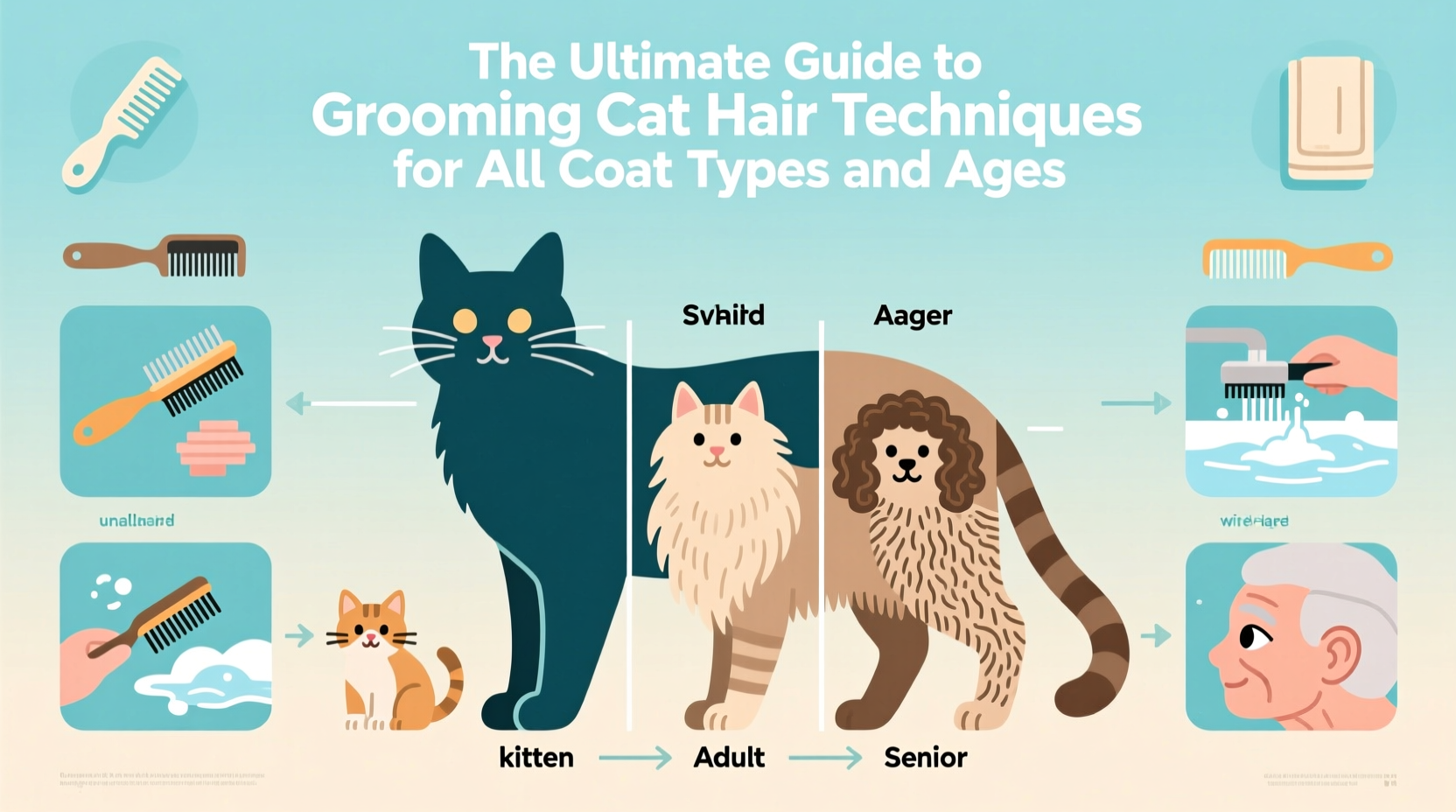
Cat coats vary widely in length, density, and texture. Recognizing your cat’s coat type is the first step toward effective grooming.
- Short-haired (e.g., Domestic Shorthair, Siamese): Low-maintenance but still prone to shedding. Weekly brushing prevents loose hair from accumulating on furniture.
- Medium-haired (e.g., Ragdoll, Himalayan): Prone to tangles around the legs and underbelly. Requires bi-weekly brushing to avoid matting.
- Long-haired (e.g., Maine Coon, Persian): High maintenance. Daily grooming is necessary to prevent severe mats, especially behind the ears and under the armpits.
- Hairless (e.g., Sphynx): Though lacking fur, these cats need weekly wiping to remove oil buildup on their skin.
Grooming by Life Stage: Adapting Techniques for Kittens, Adults, and Seniors
A cat’s grooming needs evolve throughout its life. Adjusting your technique ensures comfort and effectiveness at every age.
Kittens (Under 6 Months)
Introduce grooming early to build positive associations. Start with short sessions—just 2–3 minutes—using a soft rubber brush. Pair grooming with treats to reinforce calm behavior. Focus on sensitive areas like paws, ears, and tail gently.
Adult Cats (6 Months – 10 Years)
This is the prime grooming window. Establish a consistent schedule based on coat type. Short-haired adults benefit from weekly brushing; long-haired ones need daily attention. Check for fleas, ticks, and skin irritations during each session.
Senior Cats (10+ Years)
Older cats may struggle to groom themselves due to arthritis or reduced flexibility. They often develop greasy coats or matted patches. Use gentle strokes and consider shorter, more frequent sessions. If your senior cat resists brushing, consult a vet about sedation-free professional grooming options.
“Cats over ten years old are twice as likely to develop severe mats if not groomed weekly. Regular care isn’t just about appearance—it’s pain prevention.” — Dr. Lena Torres, Feline Dermatology Specialist
Essential Tools and How to Use Them
The right tools make grooming efficient and stress-free. Here’s a breakdown of what you’ll need and when to use each:
| Tool | Best For | Frequency | Notes |
|---|---|---|---|
| Rubber grooming mitt | Short-haired cats, bonding sessions | Weekly | Feels like petting; great for removing top-layer shedding. |
| Slicker brush | Long/medium-haired cats, detangling | Every 2–3 days (long), weekly (medium) | Use gently; never press hard to avoid skin irritation. |
| Wide-toothed comb | All coats, especially for checking mats | Before brushing | Start at the ends and work upward to avoid pulling. |
| Undercoat rake | Dense-coated breeds (e.g., Norwegian Forest Cat) | Seasonally (shedding periods) | Removes dead undercoat without damaging topcoat. |
| Nail clippers | All cats | Every 2–3 weeks | Trim only the tip; avoid the pink quick. |
Step-by-Step Grooming Routine for Long-Haired Cats
Long-haired cats are most vulnerable to matting, which can lead to skin infections and discomfort. Follow this sequence to keep their coat healthy:
- Prepare the space: Choose a quiet area with good lighting. Have treats, a towel, and all tools ready.
- Inspect the coat: Run your fingers through the fur to detect tangles or sensitive spots.
- Start with a comb: Use a wide-toothed comb on the legs, belly, and behind the ears—common mat zones.
- Brush in sections: Work from head to tail in small sections. Hold the base of the fur near the skin to reduce pulling.
- Address mats carefully: For small mats, try a detangling spray and gentle separation with fingers. For large or tight mats, clip carefully with blunt-tipped scissors—never cut close to the skin.
- Finish with a once-over: Use a soft slicker brush to smooth the coat and remove remaining loose hair.
- Reward generously: Offer praise and a treat to reinforce positive behavior.
Real-Life Scenario: Managing Matting in an Older Persian
Mrs. Alvarez adopted Bella, a 12-year-old Persian, from a local shelter. Despite regular feeding and affection, Bella had thick mats along her flanks and under her arms. Mrs. Alvarez tried brushing but Bella hissed and retreated. Concerned, she consulted a veterinary technician who recommended starting with 5-minute sessions using a rubber mitt and offering tuna paste after each. Over three weeks, she gradually introduced a metal comb and detangler. By week six, Bella tolerated 15-minute grooming sessions and showed fewer signs of discomfort. The key was patience and incremental exposure—not forcing the process.
Common Mistakes to Avoid
- Skipping grooming because “cats clean themselves”: While true, self-grooming doesn’t address undercoat tangles or excessive shedding.
- Using human brushes or combs: These can pull fur and irritate sensitive skin.
- Grooming too aggressively: Forceful brushing causes fear and resistance. Always move slowly and watch for body language cues.
- Ignoring the tail and belly: These areas are prone to matting but often overlooked.
Frequently Asked Questions
How often should I groom my cat?
It depends on coat type. Short-haired cats need grooming once a week. Medium-haired cats benefit from 2–3 sessions per week. Long-haired cats require daily brushing to prevent mats. Senior or overweight cats that can’t reach certain areas may need help several times a week regardless of coat length.
Can I use a dog brush on my cat?
No. Dog brushes are typically stiffer and designed for different coat structures. Using them on cats can cause skin abrasions and discomfort. Always choose tools specifically made for felines.
My cat hates being brushed. What should I do?
Start slowly. Begin with touching and massaging, then introduce the brush for just 30 seconds. Reward calm behavior with treats. If your cat remains anxious, consult a veterinarian or certified animal behaviorist. In some cases, professional grooming under mild sedation may be necessary.
Checklist: Your Cat Grooming Essentials
- ✔ Rubber grooming mitt or soft-bristle brush
- ✔ Slicker brush for long-haired cats
- ✔ Wide-toothed comb
- ✔ Detangling spray (alcohol-free, pet-safe)
- ✔ Blunt-tipped scissors for mat removal
- ✔ Cat nail clippers
- ✔ Treats for positive reinforcement
- ✔ Clean towel for wiping or calming
Conclusion: Make Grooming a Ritual of Care
Grooming is one of the most intimate forms of care you can offer your cat. It goes beyond aesthetics—it supports circulation, detects health issues early, and deepens trust. Whether you have a playful kitten with a sleek coat or a dignified senior with luxurious fur, the right technique makes all the difference. Start small, stay consistent, and adapt as your cat ages. With time, grooming can become a peaceful ritual you both look forward to.
💬 Have a grooming tip that worked wonders for your cat? Share your experience in the comments and help fellow cat owners create happier, healthier routines!








