For many cat owners, the litter box is a necessary part of pet care—but it doesn’t have to be a source of persistent odor. Unpleasant smells from your cat’s bathroom area can permeate your home, affecting comfort and air quality. The good news? You don’t need synthetic air fresheners or chemical-laden cleaners to solve the problem. With the right strategies, materials, and habits, you can keep your home smelling fresh using only natural, safe, and effective methods.
Understanding the Source of Litter Box Odor
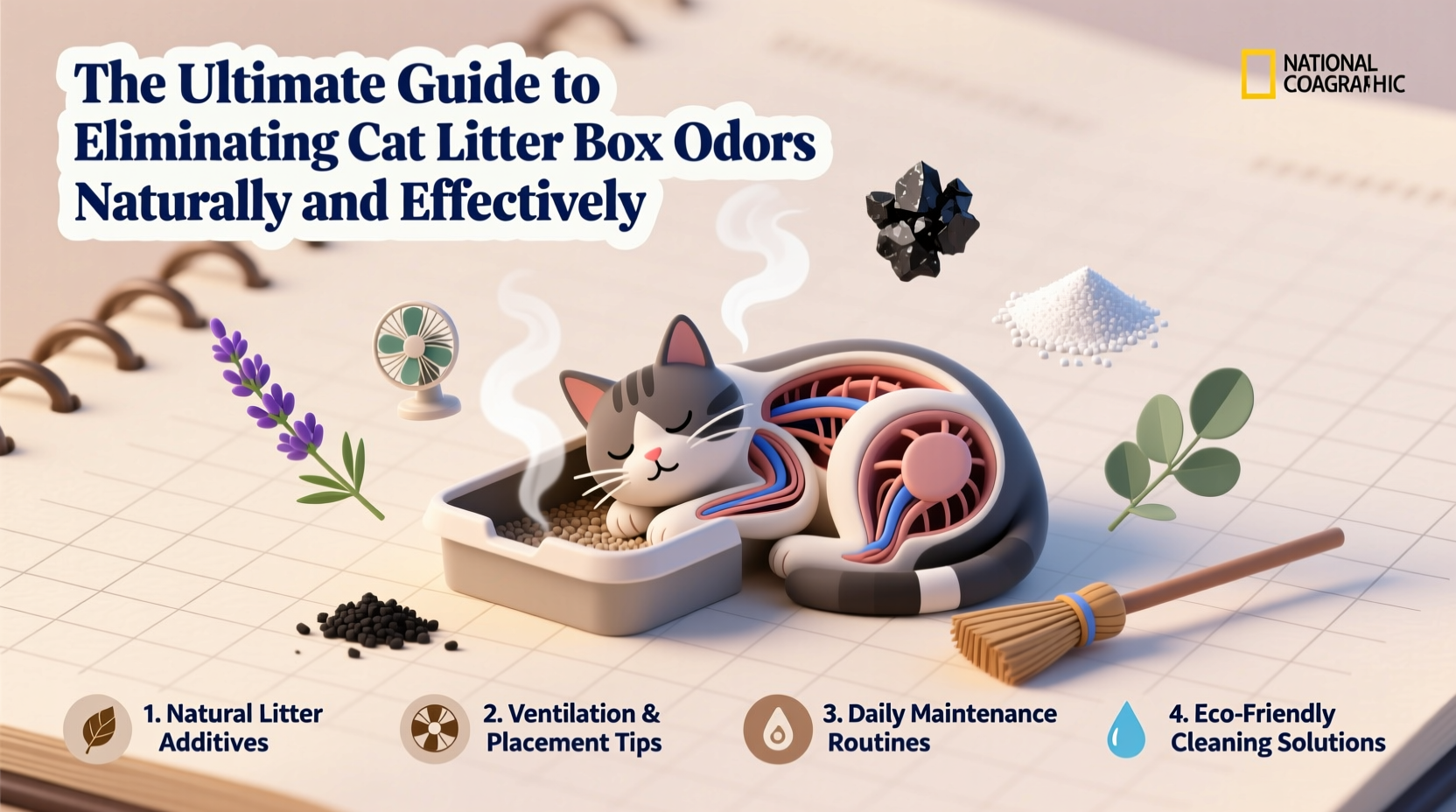
Litter box odors stem primarily from two sources: ammonia (from urine breakdown) and sulfur compounds (from feces). When bacteria break down urea in cat urine, they release ammonia gas—a sharp, pungent smell that clings to fabrics and surfaces. Feces contribute volatile organic compounds that create a foul, earthy odor. These smells intensify when litter is left uncleaned, ventilation is poor, or the wrong type of litter is used.
The key to controlling odor isn’t just masking it—it’s interrupting the process at every stage: absorption, neutralization, and prevention. This means selecting the right litter, maintaining a strict cleaning routine, and improving airflow—all without relying on artificial fragrances that can irritate both cats and humans.
Tip: Cats are sensitive to strong scents. Avoid perfumed litters and sprays—they may deter your cat from using the box.Natural Litter Choices That Minimize Odor
The foundation of odor control starts with the litter itself. Not all litters are created equal when it comes to natural odor absorption. Consider these eco-friendly, biodegradable options known for their superior performance:
- Wood Pellets: Made from compressed sawdust, these absorb liquids quickly and naturally neutralize ammonia with their mild woody scent.
- Wheat-Based Litter: Clumping and biodegradable, wheat litter uses natural enzymes to break down odor-causing compounds.
- Recycled Paper Pellets: Highly absorbent and dust-free, paper-based litters trap moisture and reduce bacterial growth.
- Silica Crystals (Natural): Though not plant-based, silica gel crystals are non-toxic and excel at wicking moisture and trapping odors at a molecular level.
Avoid clay litters with added fragrances. While they may seem effective initially, they often contain synthetic perfumes that pollute indoor air and fail to address the root cause of odor.
“Switching to wheat or pine litter reduced our hallway odor by 80% within a week. No more holding our breath near the laundry room.” — Sarah Lin, Pet Wellness Advocate
Step-by-Step Daily and Weekly Maintenance Routine
Consistency is the most powerful tool in odor prevention. Follow this simple timeline to stay ahead of smells before they start:
- Daily Scooping (Every 24 Hours): Remove solid waste and clumps immediately. Use a stainless steel scoop for durability and hygiene.
- Midday Quick Check: If you’re home during the day, do a fast check to remove any new deposits—especially in multi-cat homes.
- Weekly Deep Clean: Empty the entire box. Wash with warm water and a small amount of unscented castile soap. Never use bleach or ammonia-based cleaners—residues repel cats and react with urine to create worse fumes.
- Rinse and Dry Thoroughly: Moisture breeds bacteria. Let the box air-dry completely before refilling.
- Replace Litter Completely: Even with scooping, old litter accumulates microscopic waste. Replace it every 7–10 days depending on usage.
Do’s and Don’ts of Natural Odor Control
| Do’s | Don’ts |
|---|---|
| Use baking soda under or mixed into litter | Use scented deodorizers or plug-ins near the box |
| Place boxes in well-ventilated areas | Keep the box in a closed closet or cramped space |
| Wash hands after handling litter | Use bleach or ammonia-based cleaners |
| Add activated charcoal filters to box lids | Overfill the box—too much litter traps odors |
| Provide one box per cat, plus one extra | Wait until odor is strong to clean |
Real-World Example: A Multi-Cat Household Success Story
Jamie and Mark live in a two-bedroom apartment with three cats. Despite daily scooping, they struggled with a lingering ammonia smell in their hallway where the litter boxes were kept. They tried commercial sprays, scented liners, and even an air purifier—but nothing worked long-term.
They decided to overhaul their system: switched to pine pellet litter, placed boxes in a ventilated corner near a fan, added baking soda layers, and began washing boxes weekly with castile soap. They also installed a small exhaust fan in the nearby bathroom to improve air exchange.
Within ten days, the odor vanished. “It was like someone opened a window we didn’t know existed,” Jamie said. “Now guests don’t even notice the boxes are there.”
Natural Air Management and Environmental Tweaks
Even with excellent litter and cleaning habits, airflow plays a critical role. Odors linger in stagnant air. Here’s how to manage the environment naturally:
- Improve Ventilation: Open windows daily, use ceiling fans, or place a small oscillating fan near the box area (not pointed directly at it).
- Use Activated Charcoal Filters: Attach them to the lid of covered boxes or place standalone bags nearby. Charcoal absorbs gases without releasing anything into the air.
- Try Indoor Plants: Peace lilies and spider plants help purify air and increase oxygen flow, indirectly reducing odor concentration.
- Neutralize Surfaces: Occasionally wipe surrounding walls or baseboards with a vinegar-water solution (1:3 ratio) to remove invisible residue that contributes to smell.
“Odor isn’t just about the box—it’s about the ecosystem around it. Manage airflow, and you manage smell.” — Dr. Lena Patel, Feline Behavior Specialist
Checklist: Your 7-Point Natural Odor Elimination Plan
Follow this checklist weekly to ensure you're covering all bases:
- ☐ Scoop waste at least once daily
- ☐ Replenish or replace litter every 7–10 days
- ☐ Wash the box with castile soap weekly
- ☐ Sprinkle baking soda at the base before refilling
- ☐ Confirm proper ventilation in the litter area
- ☐ Replace charcoal filters monthly (if using)
- ☐ Inspect for tracking—clean floors and mats regularly
Frequently Asked Questions
Can I use essential oils to freshen the litter box?
No. Most essential oils—including tea tree, citrus, and eucalyptus—are toxic to cats, even in small amounts. Diffusers or oil-soaked cotton balls near the box pose serious health risks. Stick to non-aromatic solutions like baking soda or charcoal.
How many litter boxes should I have?
Veterinarians recommend one box per cat, plus one extra. This prevents territorial avoidance and ensures clean options are always available. Distribute them in quiet, accessible locations.
Why does my litter box still smell even after cleaning?
Residual urine may have soaked into porous flooring, mats, or baseboards. Test the area with a blacklight to detect hidden stains. Clean affected zones with an enzymatic cleaner designed for pet odors (choose one without artificial fragrances).
Take Control of Your Home’s Freshness
Eliminating cat litter box odors naturally isn’t about finding a magic product—it’s about building a system grounded in science, consistency, and respect for your cat’s instincts. By choosing the right litter, maintaining rigorous hygiene, and optimizing your home’s airflow, you can enjoy a clean, odor-free space that works for both you and your feline companion.
🚀 Start tonight: Empty one box, wash it with castile soap, sprinkle baking soda, refill with natural litter, and open a window nearby. Small steps lead to big changes in air quality and peace of mind.








