
Dog leashes and harnesses are essential tools for responsible pet ownership, but they often endure dirt, mud, drool, and odor far more than we acknowledge. Over time, grime builds up not just on the surface but deep within the fibers, compromising hygiene and structural integrity. Regular cleaning isn’t just about appearance—it’s critical for your dog’s comfort, skin health, and the longevity of the gear. Yet many pet owners either neglect this task or use methods that damage materials. This comprehensive guide provides actionable, material-specific techniques to clean, dry, and maintain your dog’s leash and harness safely and effectively.
Why Cleaning Your Dog’s Leash and Harness Matters
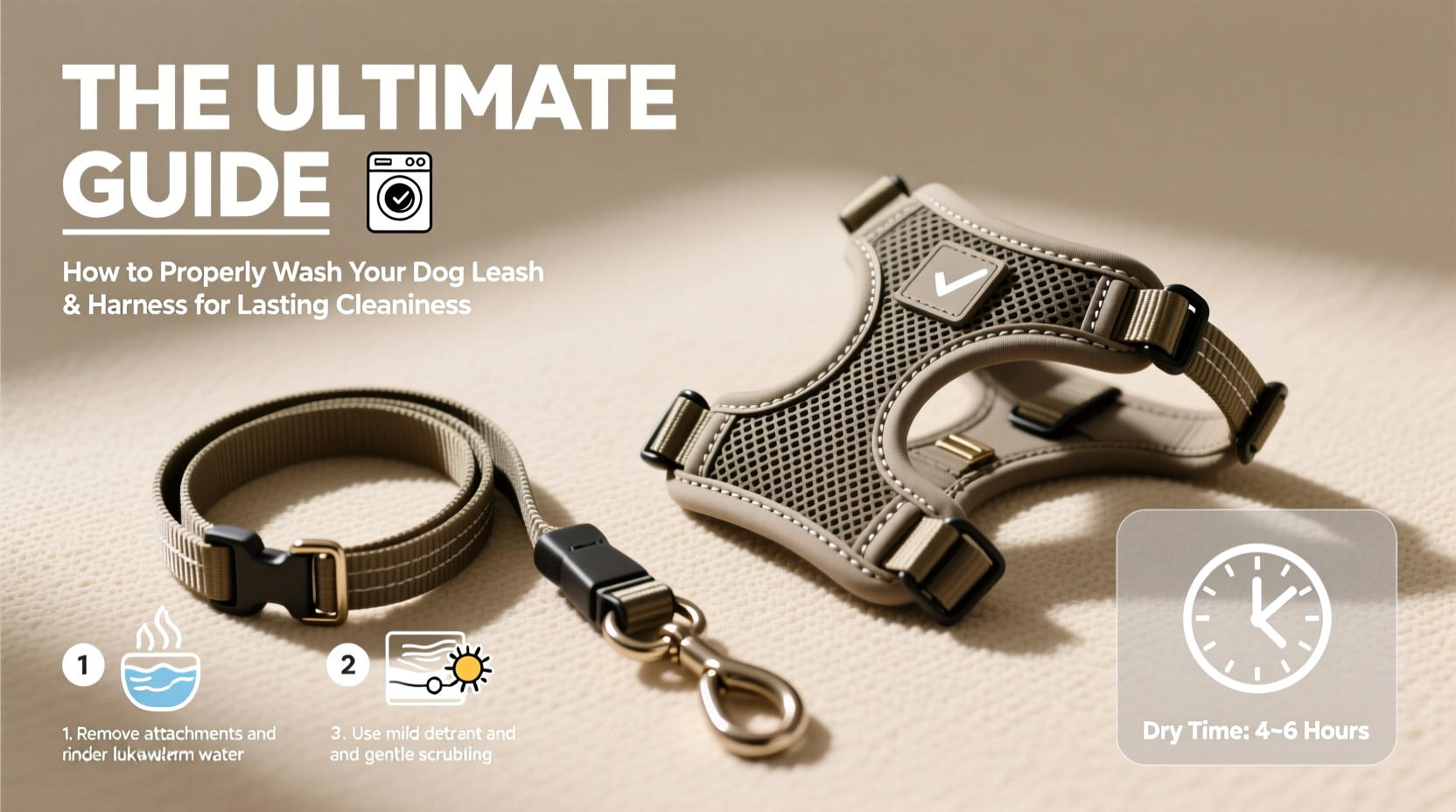
Leashes and harnesses come into constant contact with your dog’s body, pavement, grass, rain, and other environmental contaminants. Sweat, bacteria, allergens, and yeast can accumulate in synthetic fabrics and metal hardware, potentially causing skin irritation or infections—especially in dogs with sensitive skin or allergies.
Beyond health, neglecting maintenance shortens the lifespan of these items. Dirt acts as an abrasive, weakening stitching and degrading webbing over time. A frayed leash or compromised buckle could fail during a walk, putting your dog at risk. Routine cleaning preserves strength, ensures reliable performance, and maintains odor-free gear.
“Many behavioral issues stem from discomfort. A dirty, stiff harness can chafe and make walks unpleasant for dogs.” — Dr. Lena Reyes, Veterinary Behavior Specialist
Step-by-Step Guide: How to Wash Any Dog Leash and Harness
Cleaning methods vary significantly based on material. Applying the wrong technique can lead to shrinkage, stiffness, or hardware corrosion. Follow this structured process to ensure safe and effective results.
- Inspect and Prepare: Check for loose stitching, cracked buckles, or worn areas. If damage is present, repair or replace the item before washing. Remove any accessories like tags or poop bag holders.
- Shake Off Loose Debris: Take the gear outside and shake it vigorously to remove dried dirt, hair, and grass.
- Pretreat Stains: Use a soft brush and mild detergent (or pet-safe stain remover) to gently scrub soiled areas like underarm zones on harnesses or chewed sections of leashes.
- Choose the Right Washing Method: Refer to manufacturer labels. When in doubt, hand-washing is safest.
- Rinse Thoroughly: Residual soap can cause skin irritation. Rinse until water runs clear.
- Air Dry Completely: Never use a dryer. Hang in a well-ventilated area away from direct sunlight to prevent UV degradation.
- Final Inspection: Once dry, recheck buckles, stitching, and fit before reuse.
Material-Specific Care: Do’s and Don’ts
Not all dog gear is created equal. Nylon, polyester, neoprene, leather, and biothane each react differently to water and cleaning agents. The table below outlines best practices by material type.
| Material | Recommended Method | Do’s | Don’ts |
|---|---|---|---|
| Nylon/Polyester | Hand wash or gentle machine cycle (in a mesh bag) | Use mild detergent; air dry flat | Avoid bleach, fabric softener, high heat |
| Neoprene | Hand wash only | Rinse thoroughly; avoid prolonged soaking | Never machine wash; don’t wring out |
| Leather | Wipe with damp cloth; condition monthly | Use leather cleaner and conditioner | Never submerge; avoid detergents |
| Biothane | Wipe down or rinse with hose | Dries quickly; resistant to mold | No conditioning needed; avoid harsh solvents |
Real Example: Reviving a Neglected Harness
Sarah adopted a rescue dog named Milo who came with a heavily soiled padded harness. After weeks of daily walks, the gear developed a sour smell and visible grime around the chest strap. Assuming it was beyond saving, she nearly discarded it—until her groomer suggested a deep clean.
Sarah soaked the nylon harness in lukewarm water with a cap of oxygen-based cleaner (like OxiClean Pet) for 30 minutes, then gently scrubbed with a toothbrush. After thorough rinsing and 24 hours of air drying, the harness looked and smelled fresh. More importantly, Milo stopped scratching his armpits—a sign the old residue had been irritating his skin. The harness lasted another full year with monthly maintenance.
Tip: For odors, add ½ cup of white vinegar to the soak—natural, non-toxic, and effective at neutralizing bacteria.Checklist: Monthly Harness & Leash Maintenance Routine
- ✅ Inspect for fraying, broken stitching, or buckle wear
- ✅ Remove surface debris with a lint roller or brush
- ✅ Hand wash or wipe down based on material
- ✅ Disinfect metal clips with diluted pet-safe disinfectant
- ✅ Air dry completely before storing
- ✅ Condition leather components (if applicable)
- ✅ Test fit and function before next use
Frequently Asked Questions
How often should I wash my dog’s leash and harness?
At minimum, clean them once a month. Dogs that swim, roll in mud, or have skin conditions may require weekly cleaning. After exposure to saltwater, chemicals, or feces, wash immediately.
Can I put my dog’s harness in the washing machine?
Only if the care label permits it—and even then, place it in a zippered mesh laundry bag on a cold, gentle cycle. Avoid washing with towels or heavy garments that can cause tangling or abrasion.
Why does my dog’s harness smell even after washing?
Residual moisture trapped in padding or buckles can lead to mildew. Ensure complete air drying, preferably hung vertically. Adding vinegar or baking soda to the soak helps eliminate odor-causing bacteria.
Expert Tips for Long-Term Durability
Proper storage plays a crucial role in preserving gear. Coiling leashes neatly prevents kinks in the fibers. Store both leash and harness in a cool, dry closet—away from damp basements or hot garages. For multi-dog households, keep separate bins or hooks to avoid tangling and cross-contamination.
If your dog tends to chew the leash, consider rotating between two sets to reduce obsessive behavior and extend wear time. Reflective gear should be wiped gently to preserve reflective coating integrity.
“The best dog gear maintenance plan combines regular cleaning with proactive inspection. It takes five minutes a week and can prevent accidents.” — Mark Tran, Professional Dog Trainer and Safety Advocate
Conclusion
Your dog’s leash and harness are more than accessories—they’re safety equipment. Treating them with consistent care ensures reliability, comfort, and hygiene on every outing. By understanding material types, following proper cleaning steps, and incorporating simple habits like post-walk wipe-downs and monthly deep cleans, you protect your investment and your pet’s well-being.
💬 Start today: Pick up your dog’s gear, inspect it, and schedule its first proper wash. Share your cleaning routine or ask questions in the comments—let’s build a community of informed, responsible pet owners.








