For decades, diamond rings have reigned as the ultimate symbol of love, luxury, and status. From engagement ceremonies to red carpet events, they dominate the jewelry landscape. But in recent years, fashion-forward alternatives like rhinestone snake rings have surged in popularity—offering bold aesthetics at a fraction of the price. So, are diamonds truly worth their legendary reputation, or is it time to reconsider what we value in fine jewelry?
This isn’t just about sparkle; it’s about meaning, longevity, personal expression, and financial sense. Whether you're choosing an everyday accessory or a lifelong investment, understanding the real differences between a rhinestone snake ring and a diamond ring can reshape your perspective on value.
The Allure of the Rhinestone Snake Ring
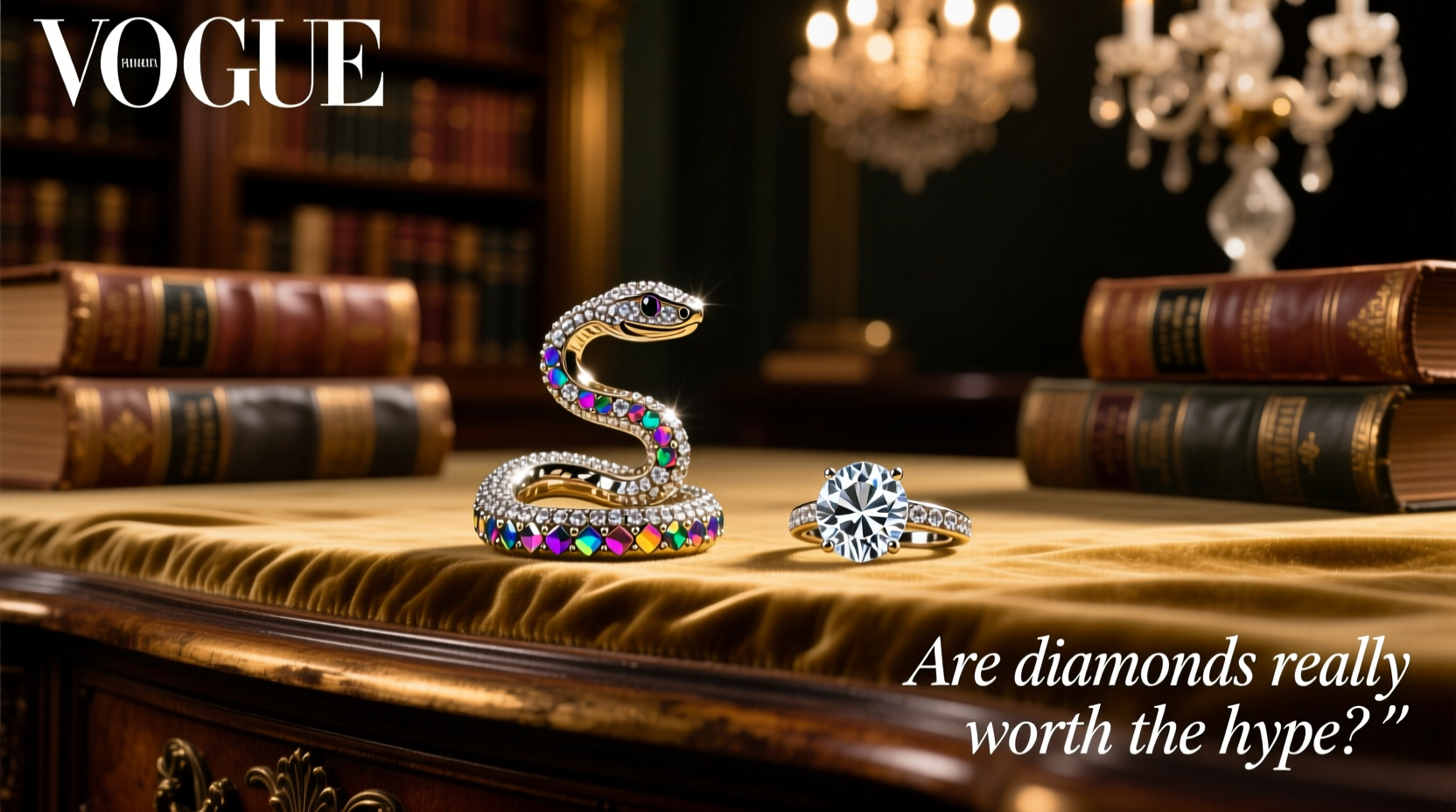
Rhinestone snake rings have carved out a niche in modern fashion with their edgy, symbolic design and accessible pricing. Inspired by ancient motifs—the snake representing transformation, rebirth, and protection—these rings blend mythology with contemporary style. Crafted from base metals like brass or sterling silver and adorned with high-quality rhinestones, they offer dazzling brilliance without the premium price tag.
Unlike traditional fine jewelry, rhinestone snake rings thrive in the realm of self-expression. They’re often worn stacked, mixed with other accessories, or used to make a statement at parties, festivals, or casual outings. Their affordability allows for experimentation, enabling wearers to rotate styles frequently without financial strain.
Tip: Pair your rhinestone snake ring with minimalist pieces to let its bold design stand out.Diamond Rings: Legacy, Status, and Investment
Diamonds have long been marketed as “forever,” thanks in large part to De Beers’ iconic 1947 campaign. This messaging cemented diamonds as the default choice for engagements and milestones. Beyond marketing, diamonds do possess inherent qualities that justify some of the hype: exceptional hardness (10 on the Mohs scale), natural rarity (especially in larger, flawless stones), and enduring cultural significance.
A well-cut diamond ring can last generations, maintaining both structural integrity and emotional resonance. Many view them not only as symbols of commitment but also as tangible assets. High-clarity, certified diamonds from reputable sources can appreciate over time, particularly if they are rare colors or sizes.
“Diamonds aren’t just stones—they’re heirlooms. When chosen thoughtfully, they carry stories across lifetimes.” — Lena Moreau, GIA-Certified Gemologist
Comparing Key Factors: A Side-by-Side Analysis
| Factor | Rhinestone Snake Ring | Diamond Ring |
|---|---|---|
| Cost | $20 – $150 | $1,000 – $50,000+ |
| Durability | Moderate; rhinestones can chip, metal may tarnish | Excellent; resistant to scratches and daily wear |
| Lifespan | 3–7 years with regular use | Generational (50+ years) |
| Symmetry & Brilliance | High luster, consistent sparkle | Natural fire and scintillation vary by cut |
| Ethical Sourcing | Typically low environmental impact | Varies; conflict-free certification recommended |
| Resale Value | Negligible | Potentially high (especially with GIA grading) |
When a Rhinestone Ring Makes More Sense
There are clear scenarios where opting for a rhinestone snake ring isn’t just practical—it’s smarter. Consider someone who loves rotating accessories based on season, outfit, or mood. For this person, investing thousands in a single ring may feel restrictive. Rhinestone rings allow freedom: stack multiple, try new designs, or wear boldly without fear of loss or damage.
Additionally, travelers, outdoor enthusiasts, or those working with their hands often avoid wearing expensive jewelry altogether. A striking rhinestone snake ring offers aesthetic satisfaction without the anxiety of losing a valuable asset.
Fashion evolves. What was once considered “costume jewelry” now graces editorial spreads and celebrity looks. Rihanna, Bella Hadid, and Harry Styles have all embraced bold, non-traditional rings—proving that personal style often trumps convention.
The Emotional Weight of Diamonds
No discussion about diamond rings would be complete without addressing emotion. For many, a diamond engagement ring isn’t merely jewelry—it’s a promise, a milestone, a physical representation of love. The ritual of proposing with a diamond carries deep cultural weight, and for couples honoring tradition, skipping it can feel like bypassing a rite of passage.
That said, younger generations are redefining what commitment looks like. Lab-grown diamonds, moissanite, sapphires, and even custom-designed pieces are gaining ground. The desire for sustainability, transparency, and individuality is shifting priorities away from “he must spend three months’ salary” toward meaningful, personalized choices.
Mini Case Study: Emma and Jordan’s Engagement Story
Emma, a graphic designer, always loved vintage art and bold accessories. When Jordan proposed, he presented her with two options: a classic solitaire diamond ring ($4,200) or a handcrafted rhinestone serpent ring paired with a weekend getaway to Portugal ($1,800 total). After thoughtful discussion, they chose the latter.
“I wear my snake ring every day,” Emma says. “It feels like *me*. And the trip created memories no stone could replace.” Their decision sparked conversations among friends about rethinking traditions—and ultimately inspired two other couples to choose alternative engagement symbols.
Practical Checklist: Choosing What’s Right for You
Before making a decision, ask yourself these key questions:
- What does this ring represent to me—love, style, investment, or rebellion?
- How often will I realistically wear it?
- Do I prioritize longevity or versatility?
- Am I comfortable with the ethical implications of diamond mining?
- Is budget a limiting factor, and if so, how much flexibility do I have?
- Would I regret not going traditional—or not going bold?
Are Diamonds Really Worth the Hype?
The answer depends entirely on your values. If you seek a durable, timeless piece with potential resale value and emotional gravity, a well-chosen diamond ring can absolutely be worth it. However, if your priority is self-expression, affordability, or minimizing environmental impact, a rhinestone snake ring might serve you better.
The truth is, the “hype” around diamonds was cultivated—not discovered. While they are physically impressive, their dominance in culture stems more from strategic branding than objective superiority. Today’s consumers are more informed, skeptical, and individualistic. They demand authenticity over conformity.
Ultimately, the best ring is the one that aligns with your identity, lifestyle, and values—not the one dictated by advertising or social pressure.
FAQ
Can rhinestone rings look luxurious?
Yes. High-quality rhinestones (like Swarovski) cut with precision can mimic the fire and brilliance of diamonds. Set in polished sterling silver or gold-plated metal, they appear elegant and intentional—especially under light.
Do lab-grown diamonds offer a middle ground?
Absolutely. Lab-created diamonds share the same chemical and optical properties as mined diamonds but cost 30–40% less and avoid ethical concerns. They offer the prestige of a diamond with greater transparency and affordability.
Will a rhinestone snake ring tarnish over time?
Possibly. Rings made with copper or low-karat plating may tarnish with exposure to moisture, sweat, or chemicals. To extend life, remove during showers, avoid perfume contact, and store in a dry box lined with soft fabric.
Conclusion: Define Your Own Value
The debate between rhinestone snake rings and diamond rings isn’t about which is objectively better—it’s about what matters to you. Jewelry should reflect who you are, not what others expect. Whether you choose the fiery legacy of a diamond or the rebellious glamour of a serpent-shaped rhinestone ring, the real worth lies in intention.
💬 Your ring, your rules. Share your story—have you chosen tradition, innovation, or something entirely your own? Let’s redefine luxury together.








