
Raising a pet rabbit comes with its own set of joys and challenges—one of the most common concerns new owners face is managing bathroom habits. Unlike cats, rabbits aren’t typically thought of as naturally litter-trained animals, but the truth is, they can be trained effectively. With patience, consistency, and an understanding of rabbit behavior, many owners successfully teach their bunnies to use a litter box. The process isn’t always instantaneous, but it’s absolutely achievable for the vast majority of rabbits.
Litter training a rabbit isn't just about convenience—it's also essential for hygiene, bonding, and creating a harmonious living environment. A well-trained rabbit can safely roam your home without constant cleanup or worry. But how realistic is it? And more importantly, how long should you expect the training to take? Let’s explore what science and experience tell us about rabbit litter habits, effective training methods, and realistic timelines for success.
Understanding Rabbit Behavior and Bathroom Habits
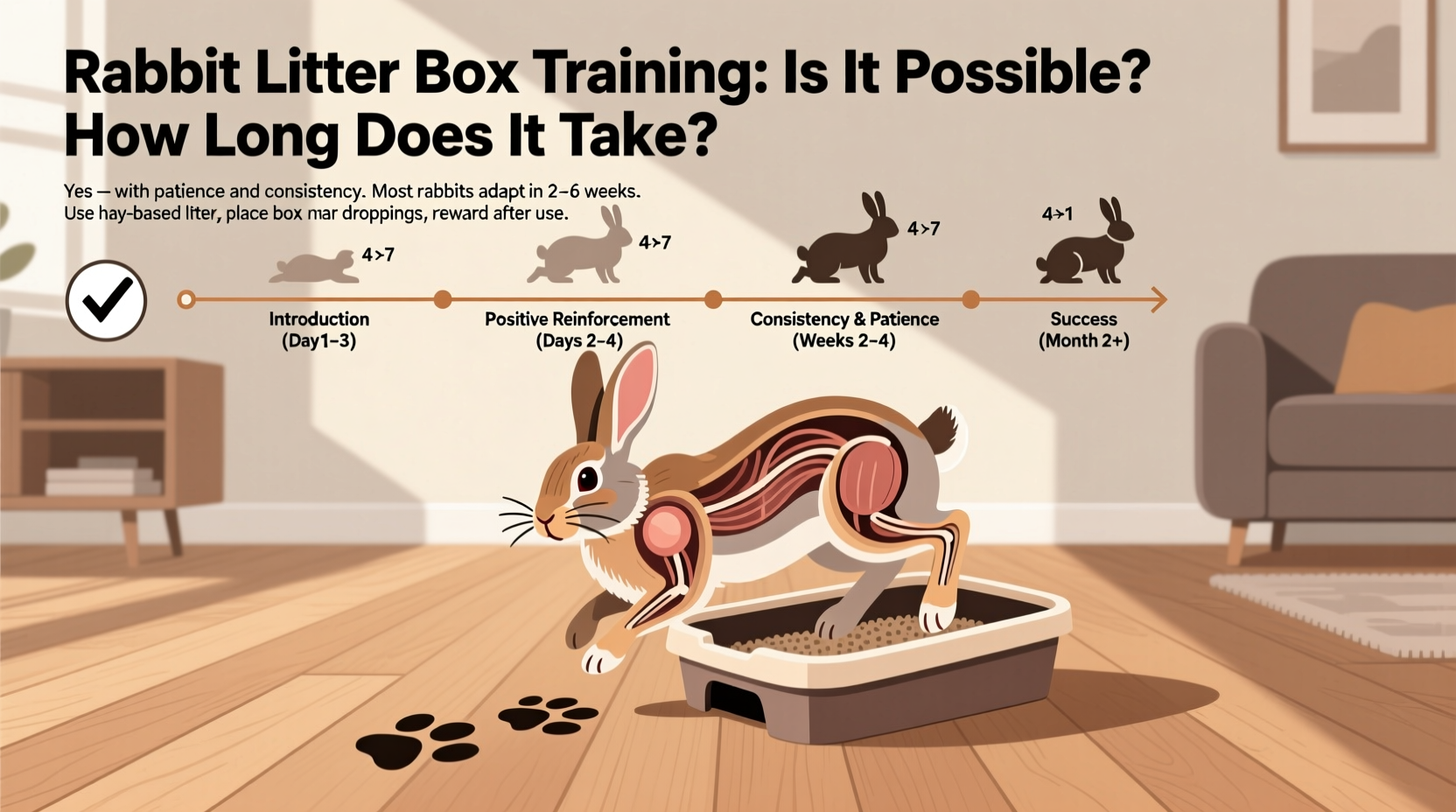
Rabbits are creatures of habit, often choosing one or two corners of their space to eliminate. In the wild, they use specific areas to deposit waste as a way to mark territory and maintain cleanliness in their nesting zones. This instinct makes them surprisingly receptive to litter box training—more so than many people assume.
Unlike dogs or cats, rabbits don’t need to be taught where to go outside; instead, they benefit from having their natural preferences guided into a designated container. Most rabbits will begin using a litter box almost immediately once they recognize it as their designated spot—especially if it aligns with their existing elimination patterns.
However, not all rabbits are identical in temperament or learning speed. Factors like age, spay/neuter status, previous environment (rescue vs. breeder), and individual personality play major roles in how quickly training progresses. For example, unspayed or unneutered rabbits are far more likely to mark territory with urine or droppings, which can interfere with consistent litter use.
“Rabbits are intelligent and clean animals by nature. When given the right setup and routine, most adapt to litter boxes faster than expected.” — Dr. Rebecca Grillo, DVM, Exotic Animal Specialist
Is Litter Box Training Possible for All Rabbits?
The short answer: yes, nearly all rabbits can be litter trained. Success rates exceed 80% when proper methods are applied consistently. However, “fully trained” doesn’t always mean perfect. Some rabbits may occasionally miss the box or leave a few droppings outside, especially during playtime or excitement.
Training effectiveness depends heavily on three key factors:
- Spaying or neutering: Alters hormonal behaviors that lead to spraying and territorial marking. Veterinarians recommend this procedure between 4–6 months of age for optimal behavioral results.
- Consistency in placement: Rabbits thrive on predictability. Keeping the litter box in the same location and using the same type of litter reduces confusion.
- Positive reinforcement: Rewarding correct behavior with treats or affection strengthens the association between the box and appropriate elimination.
Even older rabbits or rescues with unknown histories can learn litter habits. While it may take longer and require extra patience, their ability to adapt should never be underestimated.
Tip: Start training as soon as your rabbit settles into their new home. The earlier you establish routines, the faster they’ll learn.Step-by-Step Guide to Litter Training Your Rabbit
Successful litter training follows a logical progression. Rushing the process or changing setups too frequently can confuse your rabbit. Follow these steps methodically for best results:
- Choose the right litter box: Use a low-sided, wide tray so your rabbit can easily hop in and out. Cat litter boxes work well, or opt for larger rectangular trays designed for small animals.
- Select safe, absorbent litter: Avoid clumping clay or scented litters, which can harm respiratory systems. Opt for paper-based, aspen shavings, or pelleted wood products. Line the bottom with hay to encourage staying in the box.
- Place the box strategically: Observe where your rabbit naturally eliminates and position the box there. If they favor a corner, place it snugly against the walls.
- Add hay to the box: Rabbits like to eat while they eliminate. Placing fresh hay in the litter box reinforces prolonged stays and positive associations.
- Confine initially: Begin training in a smaller space like a pen or enclosed room. This limits options and increases the likelihood of using the box.
- Monitor and redirect: If you catch your rabbit starting to go outside the box, gently pick them up and place them inside. Do not punish—this creates fear and setbacks.
- Gradually expand space: Once consistent for several days, allow access to larger areas. Continue placing backup boxes in new zones until reliability improves.
- Clean regularly—but not excessively: Remove soiled litter daily, but keep some scent behind. Completely sterile boxes may signal to your rabbit that the area is no longer designated for elimination.
This approach leverages your rabbit’s instincts rather than fighting them. Over time, they begin to view the litter box as both a bathroom and a comfortable retreat.
How Long Does It Take to Train a Rabbit?
There’s no universal timeline, but most rabbits show significant progress within **7 to 10 days**. Full reliability—meaning minimal accidents even during free-roam periods—typically takes **2 to 6 weeks**, assuming consistent effort.
Here’s a realistic breakdown based on real-world observations:
| Timeframe | Expected Progress | Common Challenges |
|---|---|---|
| Days 1–3 | Rabbit explores the box; may use it occasionally | Random droppings around enclosure; reluctance to enter box |
| Days 4–7 | Uses box for urination and most droppings; begins eating hay inside | Spraying on walls or furniture (especially intact rabbits) |
| Weeks 2–3 | Reliable use in confined space; fewer accidents | Occasional misses during play; resistance after space expansion |
| Weeks 4–6 | Consistent use during free-roam; only rare slip-ups | Stress-related relapses (e.g., after travel or changes) |
Keep in mind that setbacks are normal. Illness, environmental changes, or stress can trigger temporary regression. As long as you respond calmly and reinforce good behavior, most rabbits return to form quickly.
Common Mistakes That Delay Training
Even well-meaning owners sometimes hinder progress unknowingly. Avoid these frequent pitfalls:
- Punishing accidents: Rabbits don’t connect punishment with past actions. Yelling or rubbing their nose in waste causes fear, not learning.
- Using the wrong litter: Strong-smelling or dusty litters deter use. Some rabbits refuse boxes filled with materials they find unpleasant.
- Changing locations too often: Moving the box disrupts spatial memory. Only relocate once habits are solid.
- Not fixing underlying issues: Unneutered rabbits spray persistently. Medical conditions like UTIs can cause frequent urination and false “accidents.”
- Expecting perfection overnight: Training is a process. Celebrate small wins and stay patient.
Mini Case Study: From Messy Rescue to Litter Champion
Sophie adopted a two-year-old mixed breed rabbit named Oreo from a local shelter. He had lived in overcrowded conditions and showed no litter training. Within his first week at home, he eliminated randomly across his enclosure, including on furniture.
Sophie followed a structured plan: she spayed Oreo (recommended by her vet), used a large open-top litter box filled with paper-based litter and timothy hay, and placed it in the corner he favored. She confined him to a 4x6 ft exercise pen initially and rewarded him with small parsley treats each time he used the box.
By day five, Oreo was using the box for urination and 80% of droppings. After two weeks, Sophie expanded his space gradually, adding secondary boxes in adjacent rooms. By week five, Oreo was reliably using the nearest box, even after hours of supervised roaming. Occasional droppings along his travel path were normal “trail marking,” which diminished over time.
Oreo’s transformation highlights that background doesn’t determine outcome—consistent care and smart strategies do.
Essential Checklist for Successful Litter Training
Use this actionable checklist to ensure you're covering all bases:
- ☑ Spay or neuter your rabbit (if not already done)
- ☑ Choose a spacious, low-entry litter box
- ☑ Use rabbit-safe, non-toxic litter material
- ☑ Fill the box with hay to encourage entry and lingering
- ☑ Position the box in your rabbit’s preferred elimination zone
- ☑ Start in a confined area to build habits
- ☑ Clean waste daily while preserving some odor cues
- ☑ Expand freedom only after consistent use
- ☑ Monitor for signs of medical issues if sudden accidents occur
- ☑ Be patient and avoid punishment
Frequently Asked Questions
Can older rabbits be litter trained?
Absolutely. Age doesn’t prevent learning, though it may slow initial adaptation. Older rabbits benefit from the same techniques—consistent placement, hay enrichment, and positive reinforcement. Even rabbits over five years old have been successfully trained with patience.
Why does my rabbit poop everywhere but still use the litter box for pee?
This is common. Rabbits often drop fecal pellets along their path as a form of scent marking, especially when exploring or excited. This isn’t a training failure—it’s natural behavior. As long as they urinate in the box and aren’t excessively messy, this is considered acceptable. You can reduce scatter by sweeping droppings into the box daily, reinforcing it as the main waste zone.
My rabbit won’t go in the litter box at all—what should I do?
First, rule out medical issues with a vet visit. Then assess the box setup: Is it too high? Is the litter uncomfortable? Try switching materials or lowering sides. Also, ensure the box is in the spot your rabbit already uses. Place a few of their droppings inside to signal its purpose. Persistence and observation are key.
Final Thoughts: Patience Pays Off
Litter training a rabbit is not only possible—it’s one of the most rewarding aspects of responsible ownership. Most rabbits adapt within a few weeks, especially when spayed or neutered and provided with a setup that aligns with their instincts. The timeline varies, but the principles remain the same: consistency, observation, and kindness.
Accidents will happen, and progress isn’t always linear. What matters is your response. Stay calm, reinforce good choices, and trust the process. Over time, you’ll find that your rabbit becomes not just cleaner, but more confident and bonded to you through this shared routine.
💬 Have a litter training success story or tip? Share your experience in the comments below—your insight could help another rabbit owner succeed!








