Pet fashion has evolved beyond function—today, accessories like pearl dog necklaces are as much about expression as they are about identity. These elegant pieces have surged in popularity on social media, often seen on small breeds styled for Instagram. But beneath the sparkle lies a critical question: Are pearl dog necklaces safe for everyday wear, or are they merely a fleeting aesthetic trend? When compared to practical staples like adjustable collars, how do they stack up in terms of safety, durability, and pet well-being?
This article examines both options not just from a stylistic standpoint, but through the lens of veterinary insight, behavioral science, and real-world usage. Whether you're drawn to the glamour of faux pearls or prioritize functionality, understanding the implications of each choice is essential for responsible pet ownership.
The Rise of Pet Jewelry: Style Meets Social Media
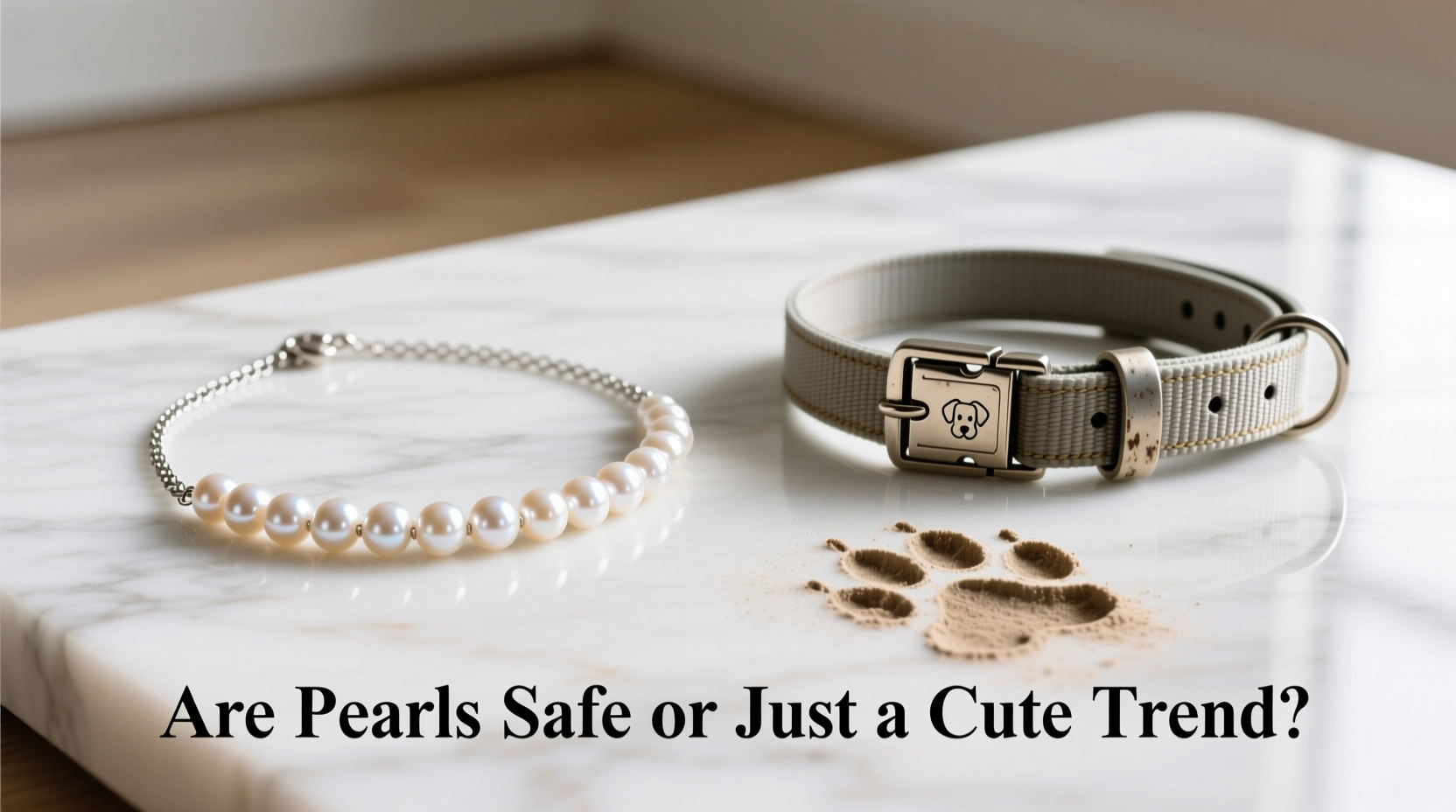
The pet accessory market has exploded in recent years, driven largely by influencer culture and the humanization of pets. Platforms like Instagram and TikTok showcase dogs adorned in rhinestones, silk bows, and yes—pearl necklaces. These items often mimic vintage human jewelry, evoking elegance and sophistication.
Faux pearl dog necklaces typically consist of synthetic beads strung on nylon, satin, or metal chains, designed to resemble classic pearl strands. While visually appealing, their purpose is almost entirely decorative. Unlike functional collars, they rarely include ID tags, leashes, or breakaway safety features.
Veterinarian Dr. Lena Patel notes:
“Pets don’t need jewelry. What they need is safety, comfort, and identification. If an accessory compromises any of those, it shouldn’t be worn regularly.”
Safety Concerns with Pearl Dog Necklaces
While pearl necklaces may look charming, several safety issues arise when used on dogs:
- Choking hazard: Loose beads can detach and be ingested, especially by curious or teething puppies.
- No breakaway mechanism: Most are fixed closures, meaning if snagged (on furniture, fences, or during play), the dog risks injury or strangulation.
- Material sensitivity: Some synthetic coatings or metal clasps may cause skin irritation, particularly in dogs with allergies.
- Lack of adjustability: One-size-fits-all designs may be too tight or too loose, leading to discomfort or escape risk.
Adjustable Collars: Functionality First
Adjustable collars remain the gold standard for daily use. Designed with both fit and function in mind, they offer:
- Customizable sizing for growing puppies or different neck shapes
- Durable materials like nylon, biothane, or padded leather
- Attachment points for ID tags and leashes
- Reflective stitching for nighttime visibility
- Breakaway or quick-release buckles for emergency safety
These collars adapt to a dog’s lifestyle—whether they’re hiking, training, or lounging at home. Veterinarians and trainers consistently recommend them as the primary collar for all dogs.
Comparative Analysis: Pearl Necklace vs Adjustable Collar
| Feature | Pearl Dog Necklace | Adjustable Collar |
|---|---|---|
| Primary Purpose | Decoration | Function + Identification |
| Safety Features | Limited or none | Breakaway, secure buckles |
| Fit Adjustability | Rarely adjustable | Multiple size settings |
| Durability | Low – beads can crack or fall off | High – weather-resistant materials |
| Leash Attachment | Not recommended | Standard D-ring included |
| Skin Comfort | Varies – potential for chafing | Often padded or soft-lined |
| Best Use Case | Short photo sessions or events | Daily walks, ID display, training |
When (and How) to Use a Pearl Necklace Safely
That said, pearl necklaces aren’t inherently dangerous—if used responsibly. They can be part of special occasions, seasonal outfits, or professional photo shoots, provided certain precautions are followed.
- Limited Wear Time: Use only for 15–30 minutes under direct supervision.
- Inspect Before Use: Check for loose beads, frayed strings, or sharp edges.
- Pair with a Functional Collar: Let your dog wear the pearl piece over a properly fitted adjustable collar with ID tags.
- Avoid During Activity: Never use during walks, playdates, or outdoor adventures.
- Know Your Dog: Avoid entirely for chewers, anxious dogs, or escape artists.
Mini Case Study: Bella the Pomeranian
Bella, a 3-year-old Pomeranian, became a local social media sensation thanks to her owner’s curated pet fashion posts. Her signature look? A dainty faux pearl choker paired with a floral bow. However, after Bella began pawing at her neck and developed a minor rash, her owner consulted a vet. The diagnosis: mild contact dermatitis from the necklace’s metal clasp. Switching to a hypoallergenic silicone overlay and limiting wear time resolved the issue. Now, Bella only wears the necklace for photos—and always over her breathable nylon collar.
This case illustrates that even seemingly harmless accessories require monitoring and moderation.
Expert Insight: What Trainers and Vets Recommend
Professional dog trainer Marcus Reed emphasizes behavior-first design:
“A dog should never feel restricted or distracted by what they’re wearing. If a necklace causes scratching, whining, or avoidance behaviors, it’s not worth the aesthetic.”
Likewise, the American Veterinary Medical Association (AVMA) advises against any accessory that cannot be quickly removed in an emergency. Their guidelines state that collars should allow two fingers to fit comfortably underneath and must not impede breathing, movement, or thermoregulation.
Checklist: Is a Pearl Dog Necklace Right for Your Pet?
- ✅ Does your dog tolerate handling and new textures calmly?
- ✅ Will the necklace be worn only briefly and under supervision?
- ✅ Is there no risk of snagging on toys, furniture, or other pets?
- ✅ Have you inspected it for loose parts or sharp components?
- ✅ Is your dog’s primary ID collar still accessible and visible?
If you answered “no” to any of these, reconsider using the necklace—or opt for a safer alternative, such as a collar with subtle pearl-inspired accents rather than a full strand.
Frequently Asked Questions
Can I leave a pearl necklace on my dog overnight?
No. Overnight wear poses serious risks, including choking, strangulation, and skin irritation. Always remove decorative accessories before bedtime.
Are real pearls safe for dogs?
No more than faux ones—and potentially less so. Real pearls are fragile, expensive, and can release harmful substances if chewed. They offer no benefit and significant risk.
What’s a stylish yet safe alternative?
Consider an adjustable collar with pearlized hardware, embroidered details, or a satin finish. Many brands now blend elegance with safety, offering fashionable designs that meet functional standards.
Conclusion: Beauty Shouldn’t Come at the Cost of Safety
Pearl dog necklaces may capture attention online, but they should never compromise your pet’s well-being. While they can serve as occasional accessories for photos or events, they are not substitutes for reliable, adjustable collars designed for comfort, identification, and safety.
The true measure of responsible pet styling isn’t how cute the accessory looks—it’s whether your dog feels calm, secure, and unrestricted while wearing it. Prioritize function. Use decoration sparingly. And always put your pet’s health ahead of trends.
💬 Have experience with pet jewelry? Share your story or safety tip in the comments below—your insight could help another pet parent make a smarter choice.








