Breakouts just above the lip are a common skin concern that affects people of all ages and skin types. Unlike acne on the forehead or cheeks, these bumps often appear in a concentrated area, causing discomfort, irritation, and self-consciousness. While occasional pimples are normal, recurring flare-ups in this region may point to underlying triggers such as hormonal shifts, hygiene habits, or skincare product reactions. Understanding the root causes—and how to treat and prevent them effectively—is key to achieving clearer, healthier skin.
Understanding the Anatomy: Why the Area Above the Lip Is Prone to Breakouts
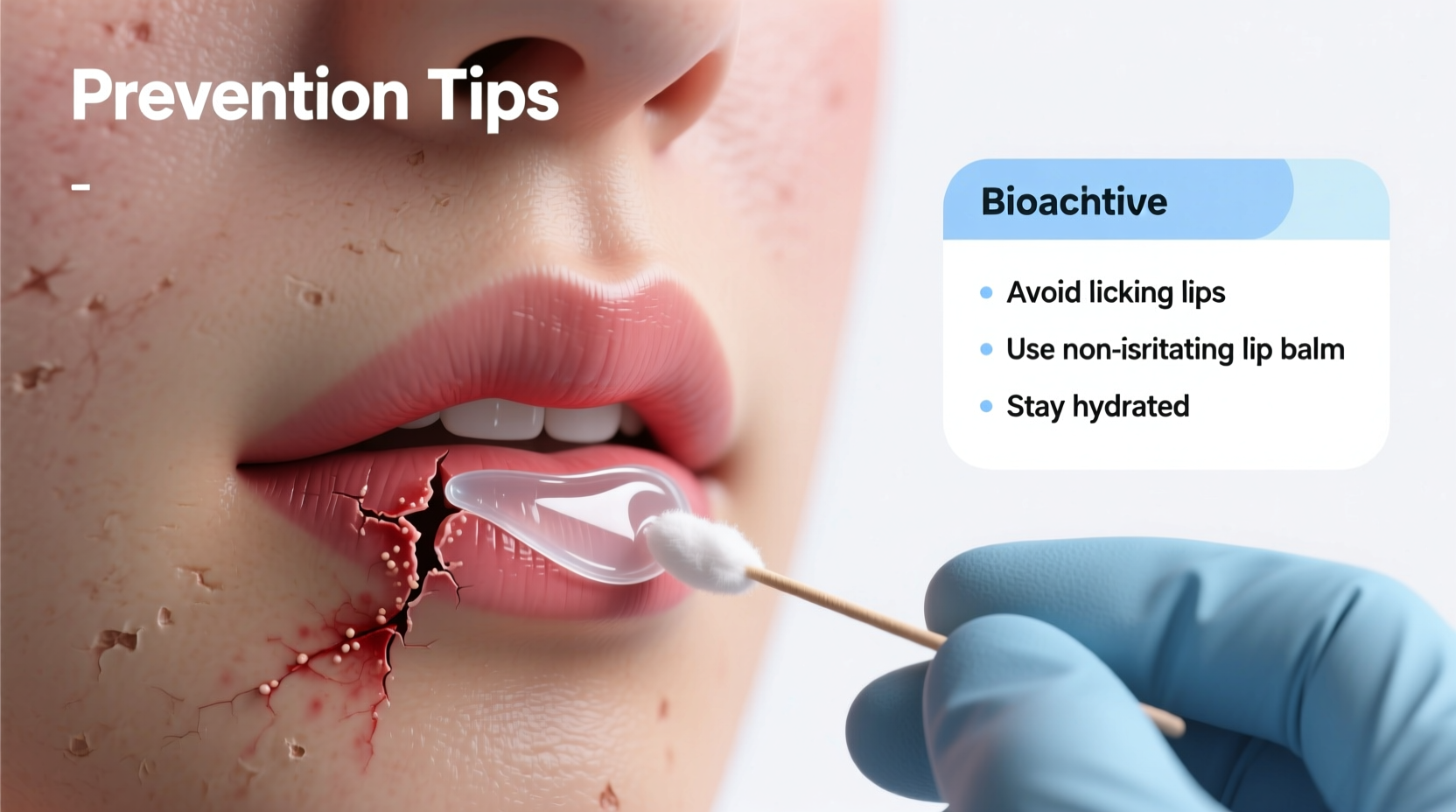
The skin above the upper lip—often referred to as the \"philtrum\"—is rich in sebaceous (oil) glands and sits close to the mucous membranes of the mouth. This makes it particularly sensitive to hormonal fluctuations, bacterial transfer, and irritants from products like lip balms, toothpaste, or even phone screens. Additionally, this zone is frequently touched, kissed, or covered by facial hair or masks, increasing friction and contamination risk.
Hormonal acne commonly appears around the chin and upper lip due to increased sensitivity of sebaceous glands to androgens. When hormone levels shift—such as during menstruation, pregnancy, or stress—the glands produce more oil, which can mix with dead skin cells and bacteria, clogging pores and triggering inflammation.
Tip: Avoid touching your face throughout the day. Hands transfer bacteria, oils, and dirt directly to vulnerable areas like the upper lip.Common Causes of Breakouts Above the Lip
- Hormonal imbalances: Fluctuations in androgens stimulate oil production, especially during menstrual cycles or polycystic ovary syndrome (PCOS).
- Irritating skincare or cosmetic products: Heavy lip balms, petroleum-based ointments, or comedogenic ingredients can clog pores.
- Fluoride in toothpaste: Some studies suggest sodium lauryl sulfate and fluoride may cause perioral dermatitis-like breakouts near the mouth.
- Poor hygiene habits: Not washing your face after eating, using dirty makeup brushes, or resting a phone against your face contribute to bacterial buildup.
- Friction and occlusion: Wearing masks, shaving, or frequent rubbing can inflame hair follicles—a condition known as folliculitis.
- Diet and gut health: High-sugar diets and dairy consumption have been linked to increased acne severity in some individuals.
“Acne around the mouth and upper lip is often misdiagnosed as simple pimples when it could be perioral dermatitis or folliculitis. Accurate identification is crucial for proper treatment.” — Dr. Lena Torres, Board-Certified Dermatologist
Effective Treatment Approaches Based on Cause
Treating breakouts above the lip starts with identifying the likely cause. A blind approach using harsh spot treatments can worsen irritation, especially in this delicate area. Below is a targeted strategy based on common diagnoses:
For Hormonal Acne
Topical treatments containing salicylic acid or benzoyl peroxide can help reduce inflammation and clear pores. However, persistent hormonal breakouts may require internal regulation. Options include oral contraceptives (for women), spironolactone, or lifestyle adjustments like stress reduction and balanced nutrition.
For Perioral Dermatitis
This rash-like condition features small red bumps clustered around the mouth, sparing the skin immediately adjacent to the lips. It’s often triggered by topical steroids, fluoridated toothpaste, or heavy moisturizers. Treatment involves discontinuing steroid creams, switching to non-fluoridated toothpaste, and using prescription antibiotics like metronidazole or erythromycin.
For Folliculitis
Caused by inflamed or infected hair follicles, folliculitis presents as pustules following shaving or friction. Warm compresses, gentle antiseptics like diluted tea tree oil, and avoiding tight clothing or constant rubbing can speed recovery. In severe cases, topical or oral antibiotics may be prescribed.
For Comedogenic Product Reactions
Discontinue use of any lip balm, sunscreen, or foundation that lists ingredients like lanolin, coconut oil, or paraffin near the breakout zone. Replace with non-comedogenic, fragrance-free alternatives labeled “won’t clog pores.”
| Condition | Symptoms | Recommended Treatment |
|---|---|---|
| Hormonal Acne | Deep, painful cysts; cyclical pattern | Salicylic acid, retinoids, hormonal therapy |
| Perioral Dermatitis | Red, scaly bumps; burning sensation | Stop steroid creams; metronidazole gel |
| Folliculitis | Small pus-filled bumps along hairline | Antibacterial washes; avoid friction |
| Contact Dermatitis | Itchy, irritated skin after product use | Eliminate irritant; use barrier repair moisturizer |
Prevention: Daily Habits That Make a Difference
Preventing future breakouts requires consistency and awareness. The skin above the lip is exposed to multiple daily irritants, so a proactive routine is essential.
Step-by-Step Prevention Guide
- Cleanse gently twice daily with a mild, non-abrasive cleanser. Avoid over-washing, which strips natural oils and increases irritation.
- Switch to non-fluoridated toothpaste if you notice breakouts flare after brushing. Look for natural or SLS-free options.
- Apply lip products carefully, avoiding the skin just above the lip line. Use clean fingers or applicators.
- Wash pillowcases and phone screens every 3–4 days to reduce bacterial load.
- Avoid facial hair grooming tools that cause friction. If shaving, use a clean razor and hydrating, non-comedogenic shaving gel.
- Choose non-comedogenic sunscreens and makeup, especially those labeled “oil-free” or “for sensitive skin.”
- Manage stress through sleep, exercise, and mindfulness. Chronic stress elevates cortisol, which can increase sebum production.
Mini Case Study: Resolving Recurring Lip Breakouts
Sarah, a 28-year-old office worker, struggled with monthly breakouts just above her upper lip. They appeared two days before her period and lasted up to a week. She used acne patches and spot treatments, but the issue persisted. After consulting a dermatologist, she learned her hormonal fluctuations were the primary driver. Her dermatologist recommended a low-dose oral contraceptive and a nightly application of adapalene gel (a retinoid). Within three months, her premenstrual breakouts decreased significantly. She also switched to a fluoride-free toothpaste and began cleaning her phone screen weekly—small changes that supported overall improvement.
FAQ
Can lip balm cause breakouts above the lip?
Yes. Many lip balms contain occlusive ingredients like petrolatum, lanolin, or beeswax that can migrate into nearby pores and trigger acne, especially if applied too high on the skin. Opt for non-comedogenic formulas and apply only to the lip surface.
Is it safe to pop a pimple above the lip?
No. Popping increases the risk of infection, scarring, and spreading bacteria. The facial area around the nose and mouth is part of the “danger triangle,” where infections can potentially travel to the brain. Let pimples heal naturally or seek professional extraction if necessary.
How long does a breakout above the lip usually last?
Minor pimples typically resolve in 3–7 days with proper care. Hormonal or inflammatory conditions like perioral dermatitis may take several weeks to improve, especially if underlying triggers aren’t addressed.
Conclusion: Take Control of Your Skin Health
Breakouts above the lip are more than just cosmetic nuisances—they’re signals from your body about internal balance, product compatibility, and hygiene practices. By understanding the causes and tailoring your treatment and prevention strategies accordingly, you can achieve lasting clarity in this sensitive zone. Small, consistent changes—like switching toothpaste, cleaning your phone, or adjusting your skincare routine—can yield significant results over time.
💬 Have you found what works for your skin? Share your experience or questions in the comments—your insight could help others break free from stubborn lip breakouts.