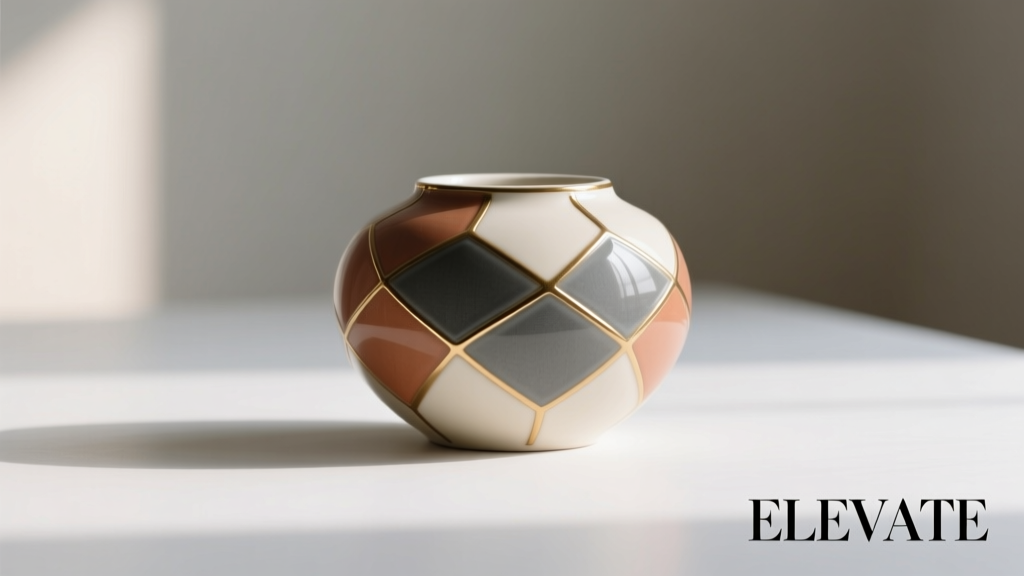
Types of Metal Khajoor Bowls
A metal khajoor bowl is a traditional serving vessel used primarily for presenting dates (khajoor), dry fruits, sweets, and ceremonial offerings. These bowls are not only functional but also carry cultural, aesthetic, and sometimes even health-related significance. Crafted from various metals, each type offers unique benefits in terms of durability, appearance, hygiene, and symbolic value.
Below is a detailed breakdown of the most common types of metal khajoor bowls, highlighting their features, advantages, and ideal use cases.
Stainless Steel
Durable, corrosion-resistant, and easy to maintain—ideal for everyday use.
Advantages
- Highly durable and long-lasting
- Resistant to rust, corrosion, and staining
- Easy to clean and hygienic
- Cost-effective with excellent value
- Suitable for heavy-duty serving (e.g., large quantities of dates or nuts)
Limitations
- Lacks ornamental appeal compared to precious metals
- Can appear utilitarian in formal or ceremonial settings
Best for: Daily household use, modern kitchens, commercial settings
Copper
Known for its striking reddish-gold luster and natural antimicrobial properties.
Advantages
- Possesses natural antibacterial qualities
- Believed to enhance food purity in traditional practices
- Visually stunning with a warm, rich glow
- Adds elegance and cultural authenticity to dining spaces
Limitations
- Requires regular polishing to prevent oxidation
- Can react with acidic foods if unlined
- Higher cost and more delicate than stainless steel
Best for: Traditional homes, Ayurvedic settings, decorative display, special occasions
Brass
A classic alloy with golden brilliance, deeply rooted in cultural and religious traditions.
Advantages
- Rich, luxurious golden appearance
- Widely used in rituals, weddings, and festivals
- Durable and resistant to wear over time
- Symbolizes prosperity and auspiciousness in many cultures
Limitations
- May tarnish without proper care
- Heavier than aluminum or stainless steel
- Should be kept dry to avoid moisture-related degradation
Best for: Religious ceremonies, weddings, cultural events, heritage decor
Aluminum
Lightweight, affordable, and versatile—perfect for casual or outdoor use.
Advantages
- Extremely lightweight and portable
- Budget-friendly with wide availability
- Resistant to rust and corrosion
- Ideal for temporary or outdoor gatherings
Limitations
- Less durable; prone to dents and scratches
- Lacks the premium feel of other metals
- Not suitable for long-term investment or heirloom use
Best for: Picnics, parties, budget-friendly events, temporary setups
Silver
The most luxurious option, symbolizing elegance, purity, and high status.
Advantages
- Exudes sophistication and opulence
- Often used as heirloom gifts or wedding presents
- Antimicrobial properties similar to copper
- High resale and collectible value
Limitations
- Expensive and not practical for daily use
- Requires frequent polishing to prevent tarnishing
- Vulnerable to scratches and damage if mishandled
Best for: Royal events, luxury gifting, religious offerings, collectors
| Metal Type | Durability | Appearance | Maintenance | Best Use Case |
|---|---|---|---|---|
| Stainless Steel | Excellent | Modern, Minimalist | Low (easy to clean) | Daily use, kitchens, commercial |
| Copper | Good | Warm, Reddish-Gold | High (requires polishing) | Traditional, Ayurvedic, Decorative |
| Brass | Very Good | Golden, Ornate | Moderate (regular care needed) | Rituals, Weddings, Cultural Events |
| Aluminum | Fair | Silver-Gray, Simple | Low (but easily dented) | Outdoor, Casual, Budget Events |
| Silver | Good | Luxurious, Shiny | High (frequent polishing) | Gifting, Ceremonies, Collectibles |
Expert Tip: To preserve the shine and longevity of copper and brass bowls, clean them regularly with a mixture of lemon juice and baking soda, then dry thoroughly. For silver, use a dedicated silver polish cloth to prevent tarnishing and maintain luster.
Artistic and Functional Design of Metal Khajoor Bowls
Metal khajoor bowls are more than just utilitarian vessels—they are exquisite expressions of craftsmanship, culture, and heritage. Handcrafted from materials such as brass, copper, stainless steel, and silver, these bowls are celebrated for their intricate designs and multifunctional appeal. From traditional ceremonial use to modern decorative display, the design elements of khajoor bowls blend aesthetics with practicality, making them treasured pieces across households and cultures.
Key Design Elements of Metal Khajoor Bowls
Ornamental Carvings
One of the most striking features of metal khajoor bowls is the presence of elaborate carvings or engravings, particularly in copper and brass variants. Artisans meticulously hand-chisel intricate patterns into the metal surface, creating depth and texture that catch light and enhance visual appeal.
These carvings serve both decorative and symbolic purposes—often reflecting regional artistry and spiritual motifs. Beyond aesthetics, the textured surface improves grip and adds a tactile dimension, transforming the bowl into a sensory experience. Such craftsmanship elevates the piece from a simple container to a functional work of art.
Traditional Motifs
Khajoor bowls frequently showcase culturally significant patterns that connect the user to heritage and tradition. Common motifs include geometric Islamic arabesques, floral arabesque designs, Indian paisleys (known as "ambi"), mandalas symbolizing cosmic order, and nature-inspired engravings like peacocks or lotus flowers.
These designs are not merely ornamental—they carry deep cultural narratives and are often chosen for religious or ceremonial use. For example, mandalas represent harmony and balance, making them ideal for meditation or ritual offerings. By incorporating traditional symbolism, khajoor bowls become vessels of identity, storytelling, and spiritual significance.
Shape Variations
While the classic khajoor bowl is typically round or oval—designed for easy handling and balanced weight distribution—modern interpretations embrace diverse silhouettes. Contemporary artisans experiment with angular edges, asymmetrical profiles, and tiered structures to cater to evolving interior design trends.
These innovative shapes do not compromise functionality; instead, they enhance versatility. For instance, a hexagonal bowl may be used as a centerpiece, while a fluted rim adds elegance to serving platters. The evolution in shape reflects a fusion of tradition and modernity, appealing to both cultural connoisseurs and minimalist design lovers.
Lids and Covers
Many metal khajoor bowls are crafted with fitted lids, especially those intended for storage of dry fruits, spices, or ceremonial items. These lids are not only practical but are often designed as standalone artistic elements—featuring domed tops, knob handles, or even miniature sculptural finials like peacocks or lotus buds.
The inclusion of a lid enhances the bowl’s utility by protecting contents from dust, moisture, and pests. In sacred settings, a covered bowl signifies reverence and preservation of purity. From a design perspective, the lid completes the visual symmetry and adds a layer of sophistication, making the piece suitable for gifting or display.
Finishing Touches
The final finish applied to a khajoor bowl dramatically influences its appearance, feel, and longevity. Common techniques include high-polish buffing for a mirror-like shine, antiquing to create a vintage patina, and matte coatings for a subdued, contemporary look.
For example, stainless steel bowls often feature a sleek, reflective finish ideal for modern kitchens, while oxidized brass bowls exhibit a warm, aged glow that complements traditional decor. Some finishes also offer protective benefits—such as lacquering to prevent tarnishing—ensuring the bowl remains beautiful over time. The choice of finish allows customization based on aesthetic preference and intended use.
Material Influence on Design
The choice of metal directly impacts the design possibilities and overall character of the khajoor bowl. Brass offers malleability for fine detailing and develops a rich patina over time. Copper provides excellent thermal conductivity and a warm reddish hue, often favored in Ayurvedic traditions.
Stainless steel ensures durability and hygiene, making it ideal for everyday use, while silver versions are reserved for luxury or religious offerings. Each material brings unique visual and functional qualities, allowing artisans to tailor the design to cultural, ceremonial, or domestic needs.
| Design Feature | Cultural Significance | Functional Benefit |
|---|---|---|
| Ornamental Carvings | Reflects regional craftsmanship and spiritual symbolism | Enhances grip and tactile experience |
| Traditional Motifs (e.g., Paisley, Mandalas) | Symbolizes prosperity, harmony, and cultural identity | Increases emotional and ceremonial value |
| Shape Variations | Bridges traditional and modern aesthetics | Improves versatility in serving and display |
| Lids and Covers | Represents reverence and preservation in rituals | Protects contents from contamination and spoilage |
| Finishing Techniques | Highlights artisan skill and stylistic intent | Protects against corrosion and enhances longevity |
Design Considerations for Buyers and Collectors
Important: When purchasing metal khajoor bowls, especially for food use, ensure they are lined with food-grade material (e.g., tin lining in copper bowls) to prevent metal leaching. Avoid chemically treated or painted interiors unless certified safe. Proper care preserves both beauty and functionality for generations.
Specification & Maintenance of Metal Khajoor Bowls
Metal khajoor bowls are not only functional serving pieces but also cultural and decorative items, often used during religious and festive occasions. Understanding their material specifications and proper maintenance is essential to preserve their beauty, longevity, and hygiene. These handcrafted bowls come in various metals, each with unique care requirements to prevent tarnishing, corrosion, and surface damage.
Material-Specific Care
The longevity and appearance of a metal khajoor bowl largely depend on its material composition. Different metals react uniquely to environmental factors and cleaning methods.
- Stainless Steel: Highly durable and resistant to rust and tarnish. These bowls are typically dishwasher-safe and require minimal maintenance—ideal for everyday use.
- Copper: Prone to oxidation and develops a natural patina over time. Regular polishing with a mild copper cleaner helps maintain its bright, reflective finish. Avoid abrasive pads or acidic cleaners.
- Brass: Similar to copper, brass tarnishes when exposed to air and moisture. Use a brass-specific polish and soft cloth to restore shine. Never use ammonia-based cleaners.
- Silver: Tarnishes easily due to sulfur in the air. Store in anti-tarnish cloth and clean occasionally with a silver polishing solution.
Pro tip: Always identify the metal type before cleaning—check for hallmarks or consult the manufacturer.
Avoiding Scratches & Surface Damage
Softer metals like copper and brass are especially vulnerable to scratches, which can compromise both aesthetics and structural integrity over time.
- Use wooden, silicone, or plastic utensils when serving dates or other foods to prevent marring the interior surface.
- Clean gently with a soft microfiber or lint-free cloth—never use steel wool or rough sponges.
- Avoid stacking metal bowls directly on top of each other; place a soft liner (like felt or cloth) between them if storage requires stacking.
- For engraved or embossed designs, use a soft-bristled brush to clean crevices without damaging delicate patterns.
Key insight: Even minor scratches can trap moisture and accelerate tarnishing in reactive metals.
Proper Storage Practices
Improper storage is a leading cause of tarnish and corrosion in metal bowls. Environmental conditions play a significant role in long-term preservation.
- Store in a cool, dry place away from humidity, direct sunlight, and heat sources to prevent oxidation.
- Wrap bowls in acid-free tissue paper or anti-tarnish cloth before placing in cabinets or drawers.
- Avoid plastic bags or airtight containers unless they are specifically designed for metal storage—regular plastic can trap moisture and promote corrosion.
- For long-term storage, include silica gel packets to absorb ambient moisture.
Best practice: Rotate stored bowls periodically to ensure even exposure and early detection of tarnish.
Handling & Usage Precautions
How a khajoor bowl is handled during use significantly impacts its condition and appearance over time.
- Wear cotton gloves when handling polished silver or stainless steel bowls to minimize fingerprints and oil transfer.
- Always lift the bowl by its base or sturdy sides—avoid gripping thin rims or delicate handles that may bend.
- If the bowl has a lid, handle it separately and place it upside down on a soft surface to prevent scratching.
- Never leave food residues, especially acidic or sugary substances, in the bowl for extended periods to avoid pitting or staining.
Note: Frequent handling without gloves can accelerate tarnishing on reactive metals like copper and silver.
Consistent Cleaning Routine
Regular and proper cleaning is crucial to maintain hygiene and prevent long-term damage. The method varies based on metal type and usage frequency.
- Wash after each use with lukewarm water and a mild, pH-neutral soap. Rinse thoroughly and dry immediately with a soft cloth.
- For stainless steel, a vinegar-water solution (1:1) can help remove water spots and restore shine.
- Copper and brass bowls benefit from occasional deep cleaning using lemon juice and baking soda paste—apply gently, rinse well, and dry completely.
- For antique or heirloom pieces, avoid commercial polishes; opt for natural methods or professional restoration.
Important: Never soak copper or brass bowls for extended periods—this can lead to waterlogging and internal corrosion.
Food Safety & Protective Coatings
When used for serving food, especially moist or acidic items like dates, some metal bowls may require protective treatments to ensure safety and prevent reactions.
- Uncoated copper and brass should not directly contact food for prolonged periods due to potential metal leaching.
- Apply a food-safe lacquer or beeswax coating to the interior of antique or reactive metal bowls used for serving.
- Reapply protective coatings every 6–12 months, depending on usage, to maintain a safe barrier.
- Stainless steel and silver bowls are generally food-safe without additional coatings.
Safety first: Always verify if the bowl is labeled as food-grade before serving edibles.
Expert Recommendation: For everyday use, stainless steel khajoor bowls offer the best balance of durability, ease of care, and hygiene. For decorative or ceremonial use, copper and brass bowls should be polished monthly and stored properly to maintain their luster. When in doubt about care methods, consult a professional metal conservator—especially for vintage or handcrafted pieces.
| Metal Type | Cleaning Frequency | Recommended Cleaner | Storage Method | Food-Safe? |
|---|---|---|---|---|
| Stainless Steel | After each use | Mild soap & water | Dry cabinet, uncovered | Yes |
| Copper | After use + monthly polish | Lemon & baking soda / copper polish | Wrapped in anti-tarnish cloth | No (unless lined) |
| Brass | After use + bi-monthly polish | Brass-specific polish | Wrapped in soft cloth, dry area | No (unless coated) |
| Silver | After use + quarterly polish | Silver polishing cloth or solution | Anti-tarnish bag with desiccant | Yes |
Additional Maintenance Tips
- Polishing Frequency: Over-polishing can wear down thin metal layers—limit aggressive polishing to only when necessary.
- Water Quality: Hard water can leave mineral deposits; use distilled or filtered water for rinsing if possible.
- Temperature Shock: Avoid sudden temperature changes (e.g., hot food into a cold bowl) to prevent warping or cracking in delicate metals.
- Restoration: For heavily tarnished or damaged bowls, consider professional metal restoration services to preserve craftsmanship.
- Eco-Friendly Care: Use natural cleaning agents like vinegar, lemon, and baking soda to reduce chemical exposure and environmental impact.
Khajoor Bowls Usage Suggestions
Khajoor bowls—traditionally crafted from metals such as brass, copper, or stainless steel—are more than just functional vessels. With their rich cultural heritage, elegant craftsmanship, and durable construction, these bowls serve a wide range of practical, ceremonial, and decorative purposes. Whether used in daily life or special occasions, khajoor bowls blend utility with aesthetic and symbolic value. Below is a comprehensive guide to their diverse applications.
1. Serving and Storage
Metal khajoor bowls are ideal for serving sweets, fresh fruits, dry fruits, and snacks. Their sturdy build makes them perfect for both casual and formal dining settings. Because they are typically made from non-porous, corrosion-resistant metals, they offer excellent protection against moisture, air, and pests—making them highly effective for long-term storage of items like dates, nuts, and preserved sweets.
- Use for displaying fruit platters or dessert spreads at gatherings
- Ideal for storing dried dates, figs, almonds, and other dry fruits
- Resistant to odors and stains, ensuring food remains fresh and uncontaminated
- Easy to clean and maintain, especially when polished regularly
2. Ritual and Cultural Practices
Khajoor bowls hold deep cultural and spiritual significance across various traditions. In religious ceremonies, they are often used as sacred vessels to present offerings, symbolizing prosperity, hospitality, and divine blessings.
- In Indian traditions: Used to offer prasad (blessed food) in temples or during festivals such as Diwali and Janmashtami. The bowl's material—especially brass or silver—adds sanctity to the offering.
- In Arab and Middle Eastern cultures: Bowls filled with fresh or dried dates are presented to guests as a gesture of warmth and respect, especially during Ramadan and Eid celebrations.
- In ceremonial decor: Often placed at altars, prayer rooms, or wedding spreads to represent abundance and auspicious beginnings.
- The choice of metal reflects the occasion’s significance—copper for healing rituals, brass for traditional events, and silver for high-end religious offerings.
Cultural Insight: In many South Asian and Middle Eastern households, gifting a khajoor bowl filled with dates during religious festivals is considered a blessing and a symbol of good fortune.
3. Home Decor and Interior Styling
Beyond functionality, khajoor bowls are prized for their visual appeal. Their intricate engravings, reflective surfaces, and warm metallic tones enhance the elegance of any space. Whether placed on a coffee table, console, or shelf, they serve as eye-catching centerpieces that blend tradition with modern aesthetics.
- Use as a centerpiece on dining or living room tables, filled with seasonal fruit or decorative stones
- Display on bookshelves or mantels to add a touch of cultural sophistication
- Pair with candles, incense holders, or floral arrangements for a curated look
- Brass and silver bowls develop a beautiful patina over time, adding vintage charm to interiors
4. Thoughtful Gift Items
Khajoor bowls make meaningful and practical gifts for a variety of occasions. When filled with premium dates, sweets, or nuts, they become a luxurious and heartfelt present that combines utility with symbolism.
- Popular as wedding, housewarming, or festival gifts (e.g., Diwali, Eid, Navratri)
- Often engraved with names, blessings, or religious motifs for a personalized touch
- Reusable by the recipient, promoting sustainability and lasting value
- Available in elegant packaging, making them suitable for corporate gifting or diplomatic exchanges
Gift Tip: Combine a handcrafted brass khajoor bowl with organic Medjool dates and saffron-infused sweets for a premium gift set that celebrates health, tradition, and luxury.
5. Organizational and Functional Uses
Thanks to their durability and attractive design, khajoor bowls are excellent for organizing small items around the home or office. They transform everyday storage into an elegant solution.
- In the kitchen: Store utensils, spices, garlic, or cooking tools within easy reach
- In the living room: Hold remote controls, coasters, or decorative pebbles
- In the office: Organize pens, paperclips, sticky notes, or business cards
- In the bedroom: Use as a jewelry tray for rings, bracelets, or watches
- In entryways: Keep keys, coins, or sunglasses in a stylish and accessible way
| Usage | Best Materials | Recommended Settings | Key Benefits |
|---|---|---|---|
| Serving & Storage | Stainless Steel, Brass | Dining Room, Kitchen | Airtight, pest-resistant, hygienic |
| Ritual & Ceremonial | Brass, Silver, Copper | Temple, Altar, Event Venue | Sacred, traditional, symbolic |
| Home Decor | Brass, Silver, Engraved Copper | Living Room, Entryway, Study | Stylish, timeless, versatile |
| Gift Items | All (especially engraved) | Festivals, Weddings, Corporate Events | Personalized, reusable, meaningful |
| Organization | Stainless Steel, Medium Brass | Office, Bedroom, Kitchen | Durable, functional, decorative |
Pro Tip: To maintain shine and prevent tarnishing, clean metal khajoor bowls with a soft cloth and natural polish (e.g., lemon and baking soda for brass). Avoid harsh detergents that may damage the finish.
Care and Maintenance Tips
- Hand wash with mild soap and dry immediately to preserve luster
- Poly-coated bowls require less maintenance; uncoated ones benefit from monthly polishing
- Store in a dry place to prevent oxidation, especially copper and brass
- Avoid prolonged exposure to acidic foods if the bowl is not lined
- Use felt pads underneath to protect furniture surfaces
Khajoor bowls are more than mere containers—they are cultural artifacts, functional art, and sustainable lifestyle tools. Whether used in rituals, as home accents, or for everyday organization, their timeless appeal continues to resonate across generations and geographies. By understanding their diverse uses, you can fully appreciate and maximize the value of these beautifully crafted pieces in your home or community.
Frequently Asked Questions About Metal Khajoor Bowls
Q1. Which metal is ideal for khajoor bowls?Choosing the right metal for a khajoor bowl depends on your needs—whether you're looking for everyday functionality, cultural significance, or luxurious presentation. Here's a breakdown of the most common metals used and their benefits:
- Stainless Steel: The top choice for daily use due to its exceptional durability, resistance to rust and corrosion, and ease of cleaning. It's hygienic, long-lasting, and perfect for households that prioritize practicality.
- Copper: Revered in many cultures for its antimicrobial properties and traditional elegance. Copper bowls are often used during religious ceremonies or festive occasions. They develop a beautiful patina over time, adding to their charm—but require regular polishing to maintain shine.
- Brass: Known for its golden luster and deep-rooted cultural symbolism, especially in South Asian traditions. Brass is believed to have purifying qualities and is frequently used in rituals and weddings. Like copper, it needs occasional maintenance to prevent tarnishing.
- Silver: Reserved for luxury and special events, silver khajoor bowls exude sophistication and craftsmanship. Often hand-etched or engraved, these pieces are heirloom-quality items that reflect status and heritage.
Ultimately, your choice should balance aesthetics, usage frequency, and maintenance willingness. Stainless steel suits modern, low-maintenance lifestyles, while copper, brass, and silver offer deeper cultural and decorative value.
Q2. Can metal khajoor bowls hold liquids?While metal khajoor bowls can technically hold liquids, their suitability depends heavily on the type of metal and the nature of the liquid:
- Copper and Brass: These metals can react with acidic substances (like citrus juices, vinegar, or fermented drinks), potentially leaching small amounts of metal into the liquid. This not only affects taste but may pose health concerns with prolonged exposure. For this reason, unlined copper or brass bowls are generally not recommended for storing acidic or perishable liquids.
- Stainless Steel: Highly resistant to corrosion and non-reactive, making it safe for holding water, juices, and other beverages. It's an excellent option for serving drinks at gatherings without compromising safety or flavor.
- Food-Grade Liners: Many high-end copper or brass bowls come with a tin or stainless steel inner lining to prevent direct contact between food/liquid and the reactive metal. If using an unlidded or antique bowl, consider placing a glass or ceramic container inside as a safe alternative.
Pro Tip: Always check if your metal bowl is lined before using it for liquids. For safety and longevity, avoid leaving liquids in reactive metal bowls for extended periods.
Q3. How to select a metal khajoor bowl?Selecting the perfect khajoor bowl involves more than just appearance—it's about matching function, tradition, and personal style. Consider these key factors:
- Material Based on Use:
- Daily Use: Opt for stainless steel for durability and easy care.
- Ceremonial Use: Choose copper or brass for their traditional resonance and visual warmth.
- Luxury Gifting: Silver or intricately crafted gold-plated bowls make elegant, memorable presents.
- Size and Proportion:
- Small Bowls (4–6 inches): Ideal for individual servings or as decorative accents.
- Medium Bowls (7–9 inches): Great for family meals or moderate gatherings.
- Large Bowls (10+ inches): Perfect as centerpieces for weddings, festivals, or banquets.
- Design and Craftsmanship: Look for hand-engraved patterns, traditional motifs (like paisleys or floral designs), or regional artistry (e.g., Thewa, Bidri, or Meenakari work). These details enhance both aesthetic appeal and cultural authenticity.
- Weight and Stability: Heavier bowls often indicate better material quality and craftsmanship. Ensure the base is flat and stable to prevent tipping.
Taking time to evaluate these aspects ensures your khajoor bowl is not only beautiful but also functional and meaningful for years to come.
Q4. How do metal khajoor bowls compare to glass bowls?The decision between metal and glass khajoor bowls often comes down to style, function, and occasion. Here’s a detailed comparison:
| Feature | Metal Khajoor Bowls | Glass Khajoor Bowls |
|---|---|---|
| Aesthetic | Warm, rich tones; enhances traditional and festive settings. | Clean, modern look; ideal for minimalist or contemporary decor. |
| Durability | High—resistant to breakage, suitable for frequent use. | Low—prone to chipping or shattering if dropped. |
| Functionality | Better heat retention; keeps contents at ambient temperature longer. | Transparent, allowing easy viewing of contents; great for layered desserts or colorful fruits. |
| Maintenance | May require polishing (especially copper/brass); stainless steel is low-maintenance. | Easy to clean but shows fingerprints and water spots more easily. |
| Cultural Value | Strong—often used in rituals, weddings, and religious offerings. | Limited—primarily decorative or functional with less symbolic meaning. |
In summary, metal bowls excel in durability, tradition, and warmth, while glass bowls shine in clarity and modern design. Your choice should reflect the event’s tone and your long-term usage goals.
Q5. Are metal khajoor bowls suitable for outdoor use?Yes, metal khajoor bowls—especially those made from stainless steel, aluminum, or properly coated copper/brass—are excellent for outdoor use. Their advantages include:
- Weather Resistance: Stainless steel and aluminum resist rust and corrosion, even in humid or rainy conditions.
- Durability: Unlike glass or ceramic, metal bowls are less likely to break when accidentally knocked over, making them ideal for picnics, garden parties, or wedding lawns.
- Portability: Lightweight metals like aluminum make transport easy, while heavier stainless steel versions offer stability on tables.
- Hygiene: Smooth surfaces are easy to wipe clean, even without access to sinks or detergents.
For best results, avoid leaving reactive metals (unlined copper or brass) outdoors for extended periods, as moisture can accelerate tarnishing. Storing them in a dry place after use will preserve their appearance and longevity.
Whether hosting a backyard barbecue or a cultural festival, a well-chosen metal khajoor bowl combines practicality with elegance, making it a reliable and stylish choice for any outdoor occasion.









