Glitter has long been a symbol of celebration—adorning makeup, crafts, and festival outfits with shimmering brilliance. But as awareness of plastic pollution grows, so does scrutiny over its environmental cost. Traditional glitter is made from microplastics, contributing to oceanic and terrestrial contamination. In response, biodegradable glitter has emerged as a \"greener\" alternative. But does it truly deliver on its eco-friendly promise? The answer lies in chemistry, biology, and real-world conditions—not just marketing claims.
This article examines peer-reviewed research, material composition, degradation timelines, and regulatory standards to determine whether biodegradable glitter is genuinely better for the environment. Spoiler: It’s not a simple yes or no.
What Makes Glitter Harmful?
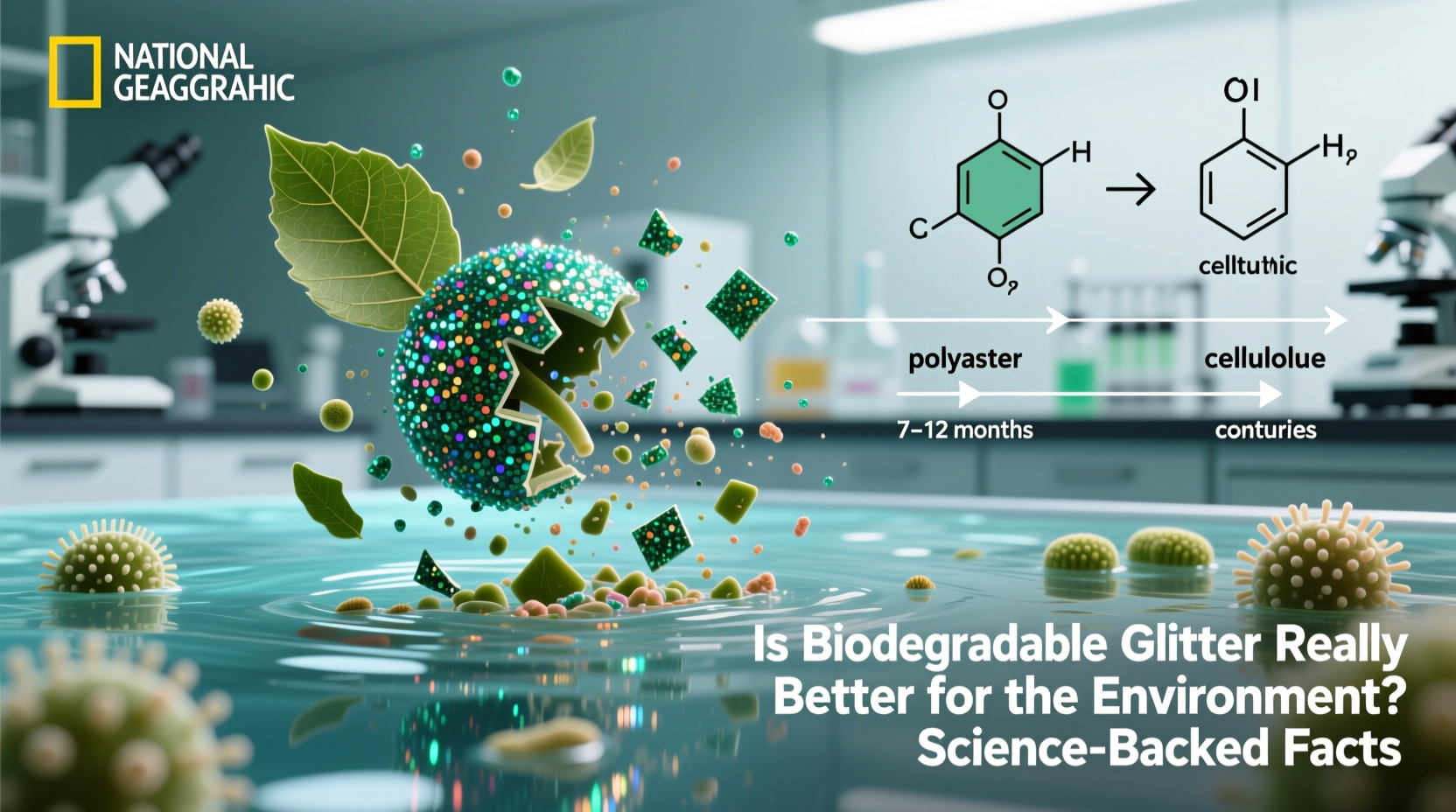
Conventional glitter is typically composed of polyethylene terephthalate (PET), aluminum, and plastic coatings. These materials form tiny, non-soluble fragments—microplastics—that resist natural breakdown. Once washed off or shed into waterways, they enter aquatic ecosystems, where they are ingested by plankton, fish, and even birds.
A 2015 study published in *Environmental Science & Technology* found that microplastics, including glitter-sized particles, were present in 83% of tap water samples globally. Another 2020 review in *Marine Pollution Bulletin* concluded that microplastic ingestion causes physical blockages, reduced feeding, and toxicity in marine organisms.
The problem is scale. A single gram of cosmetic glitter contains thousands of microplastic shards. With millions of people using glitter-infused products annually, cumulative impact becomes significant—even if each individual use seems trivial.
How Biodegradable Glitter Works: The Science Behind the Shine
Biodegradable glitter aims to solve this issue by replacing synthetic plastics with plant-based polymers. Most commercial versions use cellulose derived from eucalyptus or other sustainably sourced wood pulp. This cellulose is processed into thin, reflective films through a combination of optical layering and metallization (often with aluminum or titanium dioxide).
The key difference lies in molecular structure. Unlike PET, which features strong carbon-carbon bonds resistant to microbial action, cellulose contains glycosidic bonds that enzymes like cellulase can break down under suitable conditions.
Manufacturers claim their products degrade in marine or compost environments within weeks to months. However, “biodegradable” doesn’t mean “instantly vanishes.” Degradation depends heavily on environmental factors such as temperature, microbial presence, oxygen levels, and pH.
“Not all biodegradable glitters are created equal. Some require industrial composting facilities to break down—conditions rarely met in nature.” — Dr. Sarah Harper, Microplastics Researcher, University of Plymouth
Do Biodegradable Glitters Actually Break Down in Nature?
Several studies have tested the real-world performance of biodegradable glitter. A 2021 study conducted at the University of Bath exposed common biodegradable glitter brands to simulated freshwater, seawater, soil, and compost environments. Results showed:
- In industrial compost (58°C, high microbial activity), most samples degraded fully within 4–6 weeks.
- In seawater (15°C), only partial fragmentation occurred after 12 weeks, with no complete mineralization observed.
- In freshwater and soil, degradation was negligible over six months.
This indicates a critical gap between laboratory claims and natural conditions. While biodegradable glitter may perform well in controlled settings, it often fails to degrade meaningfully in rivers, oceans, or landfills—where most discarded glitter ends up.
Tip: Look for certifications like OK Biodegradable WATER or ISO 17088, which verify breakdown in specific environments—not just industrial compost.Comparing Traditional vs. Biodegradable Glitter
| Feature | Traditional Glitter | Biodegradable Glitter |
|---|---|---|
| Base Material | Polyethylene terephthalate (PET) | Cellulose (plant-based) |
| Degradation Time (Ocean) | Centuries | Months to years (partial) |
| Degradation Conditions | Does not degrade naturally | Requires warm, microbe-rich environments |
| Toxicity to Aquatic Life | High (physical harm, chemical leaching) | Lower, but aluminum coating may still pose risks |
| Certifications Available | None | OK Compost, OK Biodegradable WATER, TÜV Austria |
| Cost | Low | 2–4x higher |
The table reveals a nuanced picture. Biodegradable glitter outperforms traditional glitter across sustainability metrics, but its environmental benefit is conditional. Without proper disposal infrastructure, even certified biodegradable glitter may persist in ecosystems longer than expected.
Real-World Case: Festival Waste and Municipal Water Systems
In 2019, Glastonbury Festival in the UK banned conventional glitter across its site, urging attendees to switch to biodegradable alternatives. Organizers hoped this would reduce microplastic runoff into nearby rivers. However, post-event water testing revealed mixed results.
Researchers from the University of Exeter collected sediment samples from drainage channels around the festival grounds. While PET glitter levels dropped significantly compared to previous years, cellulose-based particles were still detectable in waterways three months later. Although these fragments showed signs of microbial colonization, full mineralization had not occurred.
The takeaway? Even when consumers make environmentally conscious choices, systemic limitations—like lack of composting facilities and inadequate wastewater filtration—can undermine intended benefits. Individual action matters, but infrastructure must support it.
Step-by-Step Guide to Choosing Truly Eco-Friendly Glitter
Not all products labeled “biodegradable” meet rigorous environmental standards. Follow this evidence-based process to ensure your choice aligns with ecological goals:
- Check the Certification: Look for independent labels such as OK Biodegradable WATER (TÜV Austria) or DIN CERTCO. These confirm breakdown in aquatic environments, not just industrial composters.
- Review Ingredient List: Avoid glitters containing polyethylene, polyester, or acrylates. True biodegradable options list cellulose, eucalyptus extract, or plant-based film as primary components.
- Assess Disposal Method: If you live in an area without composting or advanced wastewater treatment, even certified biodegradable glitter may end up in landfills. Consider minimizing use altogether.
- Contact the Manufacturer: Ask for third-party test reports showing degradation timelines in marine and freshwater settings. Reputable brands will provide them.
- Use Sparingly: The greenest option is less glitter. Apply only where necessary and remove carefully to prevent shedding.
Common Misconceptions About Biodegradable Glitter
Marketing language often misleads consumers about what “biodegradable” means. Here are three widespread myths:
- Myth 1: “If it says biodegradable, it breaks down in the ocean.”
Reality: Most biodegradation occurs only in warm, oxygen-rich compost. Seawater lacks the microbial diversity and temperature for rapid decomposition. - Myth 2: “Natural-looking glitter is always eco-friendly.”
Reality: Some “eco” glitters use mica—a mineral linked to unethical mining practices—and coat it with plastic to create shine. - Myth 3: “A little glitter won’t hurt.”
Reality: Microplastics accumulate. One person’s small amount contributes to collective load affecting food chains and human health.
Expert Recommendations and Industry Trends
Leading environmental scientists advocate for stricter labeling regulations and improved product transparency. The European Chemicals Agency (ECHA) has proposed classifying intentionally added microplastics—including conventional glitter—as restricted substances under REACH legislation.
Meanwhile, innovators are exploring next-generation alternatives. Researchers at Cambridge University are developing protein-based glitter using silk fibroin, which degrades completely in freshwater within two weeks. Though not yet commercially available, such advances signal a shift toward truly sustainable sparkle.
“We need to move beyond ‘less bad’ solutions. Biodegradable glitter is a step forward, but only if paired with responsible consumer behavior and policy change.” — Prof. Helen Fisher, Environmental Materials Scientist, King’s College London
Frequently Asked Questions
Can I compost biodegradable glitter at home?
Most home compost piles do not reach the sustained temperatures (above 50°C) required for effective degradation. Unless your system is hot and actively managed, biodegradable glitter may not break down efficiently. Industrial composting is more reliable—but access varies by region.
Is biodegradable glitter safe for marine life?
It's safer than plastic glitter, but not risk-free. While the cellulose base degrades, the metallic coating (often aluminum) can remain as fine particulate matter. Some studies suggest aluminum accumulation may affect gill function in aquatic species. Choose brands that minimize metal content or use natural pigments.
Are there non-glitter alternatives for sparkle?
Yes. Crushed mineral mica (ethically sourced), ground rose quartz, or edible luster dust made from plant waxes offer shimmer without microplastic concerns. For crafts, consider reusable sequins or fabric scraps instead of loose glitter.
Action Checklist: Reducing Glitter’s Environmental Footprint
Your Eco-Glitter Action Plan:- ✅ Switch to certified biodegradable glitter (look for OK Biodegradable WATER).
- ✅ Avoid loose glitter; opt for pressed or encapsulated forms to reduce shedding.
- ✅ Remove glitter carefully using washcloths or wipes to capture particles.
- ✅ Support brands transparent about sourcing and degradation testing.
- ✅ Advocate for better wastewater filtration systems in your community.
- ✅ Educate others on proper disposal and the limits of biodegradability.
Conclusion: A Step Forward, But Not the Final Answer
Biodegradable glitter is scientifically better for the environment than traditional plastic glitter—but with important caveats. Under ideal conditions, it degrades faster and leaves fewer persistent pollutants. However, in real-world ecosystems like oceans and rivers, its breakdown is slow and incomplete. Certifications help, but they don’t guarantee zero impact.
The broader lesson extends beyond glitter: sustainability requires systems-level thinking. A product isn’t eco-friendly just because it carries a green label. It must be evaluated within the context of how it’s used, disposed of, and processed by natural and municipal systems.
So yes, choosing biodegradable glitter is a responsible upgrade. But the most effective environmental action is reducing reliance on disposable sparkle altogether. By combining informed choices with advocacy for better infrastructure and innovation, we can celebrate without compromising the planet.
💬 Have you switched to biodegradable glitter? What challenges did you face? Share your experience and help build a more sustainable beauty culture—one sparkly decision at a time.








