Rabbits are naturally curious, energetic animals with strong instincts to dig, forage, and explore. While these behaviors are perfectly normal in the wild, they can become problematic when directed at your favorite houseplants. Instead of resorting to punishment—which damages trust and fails to address the root cause—there are compassionate, effective alternatives. Understanding why rabbits dig and how to redirect their energy is key to living harmoniously with your pet. This guide offers practical, science-backed solutions that respect your rabbit’s nature while protecting your indoor greenery.
Why Rabbits Dig: The Instinct Behind the Behavior
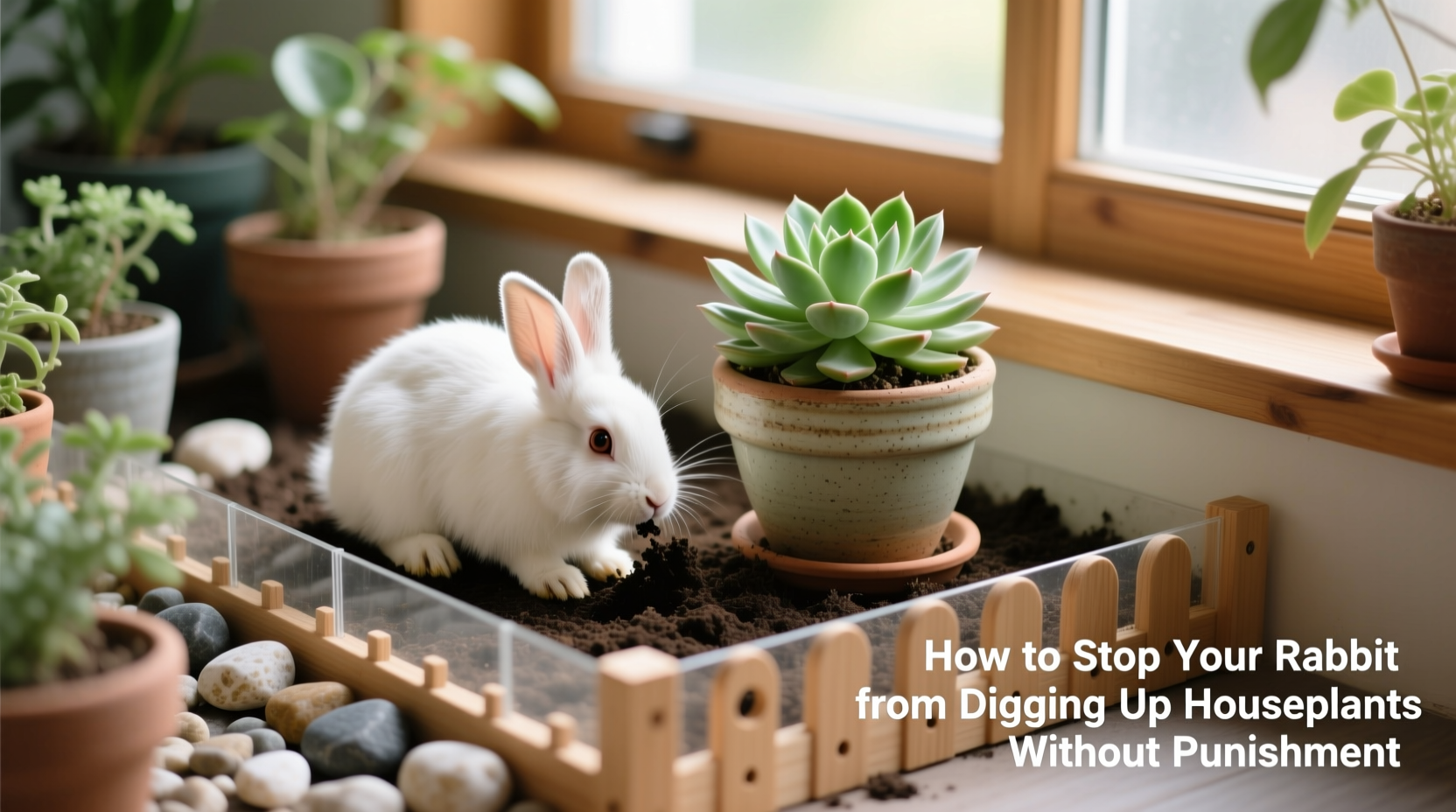
Digging is a deeply ingrained behavior in rabbits. In the wild, they dig burrows to create safe nesting spaces, escape predators, and regulate temperature. Even domesticated rabbits retain this instinct, often expressing it through carpet scratching, litter box excavation, or—unfortunately—uprooting potted plants. It’s not mischief; it’s biology.
When a rabbit targets houseplants, several factors may be at play:
- Exploration: Rabbits use their noses, mouths, and paws to investigate new objects. A plant’s texture, movement, or scent can trigger digging.
- Boredom: Without sufficient mental stimulation, rabbits seek out activities—even destructive ones—to occupy themselves.
- Nesting desire: Unspayed females, especially, may dig as part of nesting behavior, even without pregnancy.
- Foraging instinct: Many houseplants resemble edible greens. If your rabbit has tasted herbs like basil or mint, it may assume others are food too.
Punishment doesn’t teach a rabbit what to do instead—it only creates fear and anxiety. The goal isn’t suppression, but redirection.
Tip: Never yell at or physically correct a rabbit for digging. This damages your bond and increases stress-related behaviors.Step-by-Step Guide to Prevent Plant Destruction
Stopping unwanted digging requires a proactive approach. Follow this sequence to create a rabbit-friendly environment that discourages plant damage without punishment.
- Assess accessibility: Begin by identifying which plants are within reach. Rabbits can stand on hind legs and stretch surprisingly high—assume anything under 3 feet is vulnerable unless protected.
- Remove toxic plants immediately: Some common houseplants—like pothos, philodendron, and lilies—are highly toxic to rabbits. Eliminate any risk of ingestion by relocating or removing dangerous species.
- Create physical barriers: Use baby gates, low fencing, or plant stands to block access. A decorative mesh cage around a plant pot can deter digging while preserving aesthetics.
- Provide alternative digging outlets: Introduce designated digging boxes filled with safe materials (see next section).
- Enrich the environment: Increase toys, tunnels, and foraging opportunities to reduce boredom-driven digging.
- Reinforce desired behavior: When your rabbit ignores plants or uses its digging box, offer praise or a treat. Positive reinforcement strengthens good habits.
- Gradually reintroduce plants: Once your rabbit consistently avoids them, slowly bring non-toxic plants back into shared spaces using deterrents if needed.
Digging Boxes and Enrichment Solutions
A well-designed digging box satisfies your rabbit’s instinctual needs and redirects energy away from houseplants. Think of it as a sandbox for bunnies.
To build an effective digging box:
- Use a sturdy plastic container or wooden crate (minimum 18” x 12”).
- Fill it with safe, diggable materials such as shredded paper, hay, soil-free potting mix, or crumpled cardboard.
- Bury treats, herbs, or small toys to encourage exploration.
- Place the box in a high-traffic area where your rabbit spends time.
Rotate contents weekly to maintain interest. Some owners add a second box with different textures—sand-like material one week, soft fabric scraps the next.
“Rabbits don’t misbehave—they behave according to their instincts. Our job is to provide appropriate outlets.” — Dr. Katrina Warren, Veterinary Ethologist
Effective Deterrents That Respect Your Rabbit
While redirection is the foundation, mild deterrents can support training when used appropriately. The key is to make plants unappealing—not scary.
| Deterrent Method | How It Works | Effectiveness |
|---|---|---|
| Citrus peels or spritz | Rabbits dislike citrus scent; place peels or lightly spray diluted lemon water around pots | Moderate (temporary) |
| Coffee grounds | Strong smell deters digging; also safe for most plants | High (if refreshed regularly) |
| Pine cones or decorative rocks | Physical barrier on soil surface; disrupts digging motion | High |
| Vinegar-water spray | Unpleasant odor; avoid spraying leaves directly | Moderate |
| Double-sided tape on pot edges | Sticky texture discourages pawing | Low to moderate |
Always test deterrents in a small area first. Avoid anything sticky, chemical-heavy, or toxic. Remember: the goal is gentle discouragement, not aversion.
Tip: Combine deterrents with positive reinforcement. When your rabbit sniffs a plant but walks away, reward immediately with a treat or affection.Mini Case Study: How Maya the Rabbit Learned Plant Boundaries
Sarah adopted Maya, a 1-year-old Holland Lop, who quickly developed a habit of uprooting her snake plant and spider plant. Frustrated but unwilling to punish, Sarah consulted a rabbit-savvy behaviorist. Together, they implemented a plan:
- Removed all toxic plants from the home.
- Built a large digging box filled with shredded paper and buried timothy hay cubes.
- Placed coffee grounds on top of remaining plant soil.
- Added a tall plant stand to elevate greenery out of easy reach.
- Introduced daily foraging games using puzzle feeders.
Within three weeks, Maya stopped targeting plants entirely. She spent 15–20 minutes daily in her digging box and showed no interest in the elevated greenery. Sarah noted that consistency and patience were crucial—she resisted the urge to scold even during early setbacks.
“It wasn’t about stopping Maya from digging,” Sarah said. “It was about giving her a better place to do it.”
Checklist: Rabbit-Safe Plant Protection Plan
Use this checklist to implement a humane, effective strategy in your home:
- ✅ Identify and remove all toxic houseplants
- ✅ Install physical barriers (gates, stands, mesh covers)
- ✅ Create a digging box with appealing fill materials
- ✅ Offer daily enrichment: tunnels, chew toys, foraging puzzles
- ✅ Apply natural deterrents (coffee grounds, citrus, rocks)
- ✅ Supervise free-roam time initially to redirect behavior
- ✅ Reward plant-avoidance with treats or praise
- ✅ Rotate enrichment items weekly to prevent boredom
- ✅ Spay or neuter your rabbit (reduces nesting and territorial behaviors)
- ✅ Consult a vet if sudden digging spikes occur (could indicate pain or stress)
Frequently Asked Questions
Can I train my rabbit not to dig at all?
No—and you shouldn’t try. Digging is a natural, necessary behavior. The aim is not elimination, but redirection to appropriate areas. Suppressing instincts leads to stress and behavioral issues.
Are there houseplants that are safe and rabbit-resistant?
Yes. Some non-toxic plants with strong scents or tough textures are less appealing. Options include:
• Spider plant (Chlorophytum comosum)
• Boston fern (Nephrolepis exaltata)
• Areca palm (Dypsis lutescens)
Even these should be protected initially until your rabbit learns boundaries.
What if my rabbit keeps digging despite all efforts?
Reevaluate enrichment levels. Most persistent digging stems from unmet needs. Increase playtime, introduce novel toys, or consult a rabbit behavior specialist. Also rule out medical causes—excessive digging can signal dental pain or hormonal imbalances.
Conclusion: Coexistence Through Compassion
Living with a rabbit means embracing their quirks—not trying to erase them. Digging isn’t defiance; it’s expression. By understanding your rabbit’s instincts and providing thoughtful alternatives, you create a home where both plants and pets thrive. The solution lies not in correction, but in collaboration—with clever barriers, enriching activities, and consistent positive reinforcement.
You don’t need to choose between greenery and your bunny. With patience and empathy, you can have both. Start today by building a digging box or rearranging your space to protect plants. Small changes lead to lasting harmony.
💬 Have a success story or creative solution? Share your experience in the comments and help fellow rabbit owners find peaceful, punishment-free ways to live with their furry landscapers.








