
Dogs with sensitive stomachs often react poorly to commercial treats packed with fillers, artificial preservatives, and common allergens like wheat, soy, or dairy. These ingredients can trigger vomiting, diarrhea, gas, or chronic digestive discomfort. Instead of relying on processed options, making your own dog treats at home allows full control over ingredients—ensuring they are simple, digestible, and tailored to your pet’s needs. With the right approach, homemade treats can be both nutritious and soothing for dogs prone to gastrointestinal issues.
The foundation of any treat for a sensitive stomach lies in choosing single-source proteins, easily digestible carbohydrates, and avoiding known irritants. This guide walks through safe ingredients, effective recipes, preparation tips, and long-term feeding strategies—all designed to keep your dog happy, healthy, and symptom-free.
Understanding Canine Digestive Sensitivity
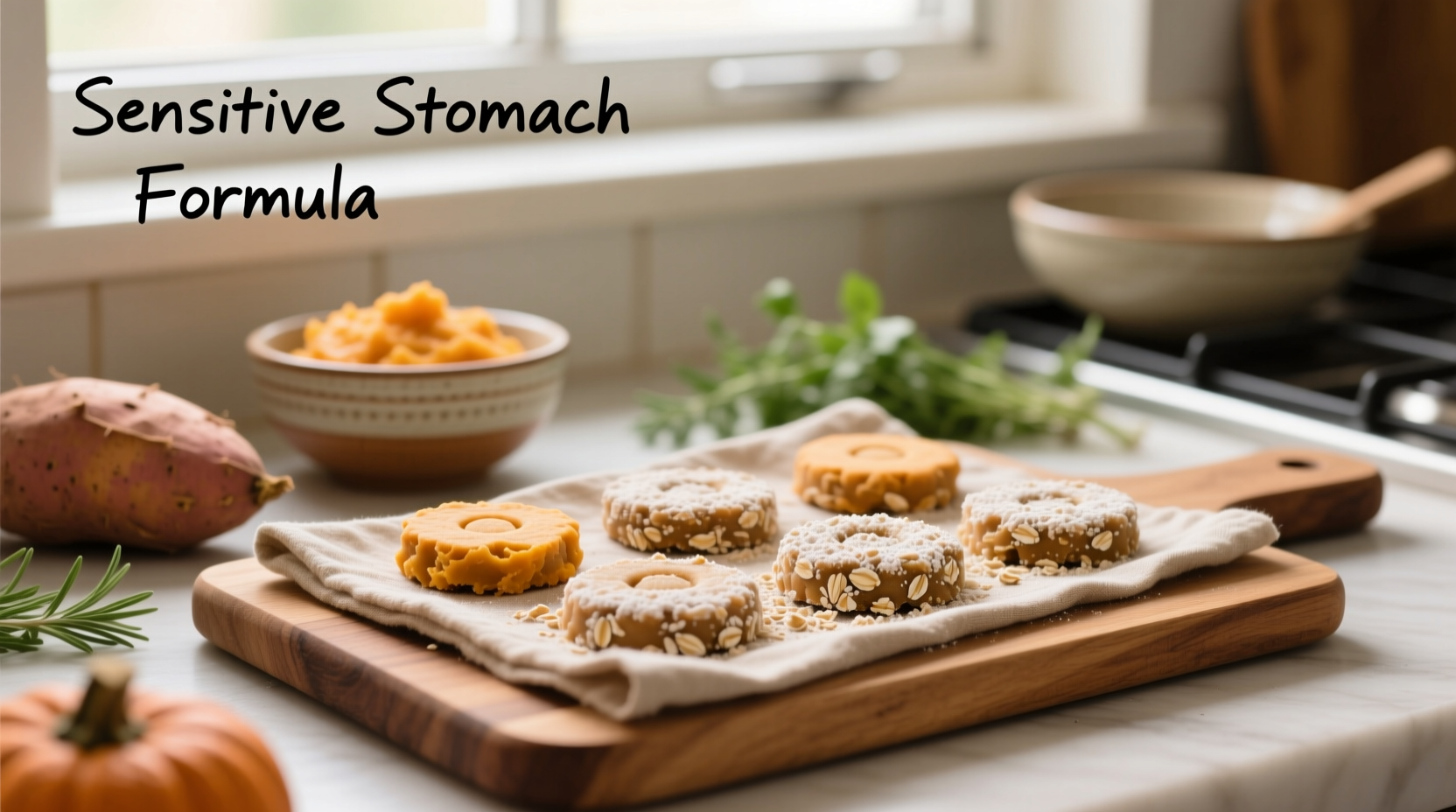
Dog digestive systems vary widely in tolerance. While some dogs thrive on standard kibble and store-bought snacks, others experience distress after consuming even minor additives. Common signs of a sensitive stomach include intermittent vomiting, soft stools, excessive gas, bloating, or reluctance to eat.
These symptoms often stem from food intolerances rather than true allergies. A food allergy involves an immune response (e.g., skin rashes, itching), while intolerance is purely digestive—typically caused by poor absorption or irritation from certain ingredients. The most frequent culprits include:
- Wheat and gluten
- Dairy products
- Soy and corn
- Artificial colors and flavors
- Meat by-products or rendered fats
- High-fat content
Eliminating these elements reduces stress on the gut. Homemade treats let you build from scratch using clean, whole-food ingredients that soothe rather than aggravate.
“Simple ingredient lists are key when managing digestive sensitivity in dogs. When treats contain only one protein and one carbohydrate source, it becomes much easier to identify what works—and what doesn’t.” — Dr. Lena Torres, DVM, Small Animal Nutrition Specialist
Selecting Safe Ingredients for Sensitive Dogs
Choosing ingredients isn't just about avoiding harmful components—it's also about including those that support gut health. Focus on hypoallergenic proteins, low-fiber starches, and binding agents that don’t disrupt digestion.
Recommended Proteins
Stick to novel or lean proteins your dog hasn’t been exposed to frequently. This lowers the risk of developing sensitivities over time.
- Boiled chicken breast (skinless): Highly digestible and mild-flavored.
- Ground turkey (93% lean): Lower fat than beef, less likely to cause pancreatitis flare-ups.
- Canned pumpkin (pure, not pie filling): Technically a fiber-rich vegetable, but its binding properties aid digestion.
- Salmon (cooked, boneless): Rich in omega-3s, which may reduce intestinal inflammation.
- Eggs (fully cooked): Excellent source of amino acids; avoid raw due to biotin interference.
Gentle Carbohydrates
Some dogs struggle with complex grains. Opt for easily broken-down starches that provide energy without fermenting in the gut.
- White rice (cooked): A classic bland diet component; absorbs excess fluid in the intestines.
- Oat flour (gluten-free certified): Soothing and high in soluble fiber, but use sparingly if diarrhea is present.
- Coconut flour (small amounts): Low-carb alternative, though very absorbent—add extra moisture.
- Plain sweet potato (steamed and mashed): Nutrient-dense and well-tolerated by most dogs.
Step-by-Step Guide to Making Gentle Dog Treats
Follow this methodical process to create safe, palatable treats ideal for dogs with delicate digestion. Each step emphasizes hygiene, simplicity, and consistency.
- Choose a base recipe: Start with a single-protein, single-carbohydrate formula to minimize reaction risks.
- Prepare ingredients: Cook all meats thoroughly. Use fresh vegetables or canned pumpkin without added sugar or spices.
- Mix gently: Combine wet and dry components until a dough forms. Adjust texture with water or flour as needed.
- Roll and cut: Flatten dough to ¼ inch thickness and use cookie cutters or a knife to shape treats.
- Bake slowly: Use low heat (300°F / 150°C) for 20–25 minutes to preserve nutrients and prevent burning.
- Cool completely: Let treats air-dry overnight to enhance shelf life and crunchiness.
- Store properly: Keep in an airtight container in the refrigerator for up to two weeks, or freeze for longer preservation.
Sample Recipe: Chicken & Rice Bites
A basic, highly digestible treat perfect for initial trials.
- 1 cup cooked white rice (cooled)
- ½ cup boiled, shredded chicken breast
- 1 egg (beaten)
- ¼ cup oat flour (gluten-free)
Mix all ingredients into a firm dough. Roll out and cut into small squares. Bake at 300°F for 22 minutes. Cool fully before serving. Makes approximately 30 bite-sized treats.
Do’s and Don’ts When Feeding Homemade Treats
| Do | Don’t |
|---|---|
| Use plain, unsalted, unseasoned ingredients | Add garlic, onion, salt, or spices—even in small amounts |
| Cook proteins fully to eliminate bacteria | Use raw meat unless under veterinary guidance |
| Label containers with date and ingredients | Assume all “natural” ingredients are safe (e.g., nutmeg is toxic) |
| Start with pea-sized portions for testing | Give more than 10% of daily calories in treats |
| Freeze extras in portioned bags | Leave treats at room temperature beyond 24 hours |
Real-Life Example: Managing Max’s Chronic Upset Stomach
Max, a 4-year-old Cavalier King Charles Spaniel, had recurring episodes of vomiting and loose stools every few weeks. His owner, Sarah, rotated between premium brands, assuming the issue was food quality. After a vet visit, she learned Max wasn’t allergic—but his system reacted strongly to soy and beet pulp, common fillers in many commercial treats.
Her vet suggested a limited-ingredient diet and advised eliminating all processed snacks. Sarah began making simple pumpkin-oat treats using pure canned pumpkin, gluten-free oat flour, and a single egg. She introduced them gradually, starting with one-eighth of a treat per day.
Within ten days, Max’s bowel movements normalized. Over the next month, he showed increased enthusiasm for meals and stopped licking his paws—a sign of reduced internal discomfort. Now, Sarah prepares a fresh batch every two weeks and keeps frozen backups. Max hasn’t had a digestive episode in over six months.
Essential Checklist for Safe Homemade Treat Preparation
Use this checklist each time you prepare a new batch to ensure safety and consistency:
- ✅ Wash hands and sanitize surfaces before starting
- ✅ Confirm all ingredients are dog-safe and free from additives
- ✅ Avoid cross-contamination with human foods containing onions, garlic, or xylitol
- ✅ Use separate utensils and bowls designated only for pet food
- ✅ Label storage containers with contents and date made
- ✅ Introduce new treats slowly—one type at a time
- ✅ Monitor your dog for 48 hours after first serving
- ✅ Discard any uneaten treats left out for more than 12 hours
Frequently Asked Questions
Can I use peanut butter in treats for a dog with a sensitive stomach?
Peanut butter can be problematic for some dogs due to high fat content and potential additives. If used, choose unsalted, xylitol-free, smooth varieties—and only offer in tiny amounts. For ultra-sensitive dogs, sunflower seed butter (also xylitol-free) is a safer alternative.
How long do homemade treats last?
When stored in an airtight container in the refrigerator, most grain-based treats last 10–14 days. In the freezer, they remain safe for 2–3 months. Moist treats (like those with pumpkin or applesauce) spoil faster and should be consumed within a week refrigerated.
Are grain-free treats better for sensitive stomachs?
Not necessarily. Recent FDA investigations have linked some grain-free diets to heart disease in dogs. More important than being grain-free is being filler-free. Many dogs tolerate white rice or oats well. Focus on minimal ingredients rather than marketing labels.
Final Thoughts and Next Steps
Creating homemade dog treats for sensitive stomachs isn’t just a trend—it’s a practical, compassionate choice that supports your pet’s long-term wellness. By removing mystery ingredients and replacing them with wholesome, transparent components, you empower yourself to manage your dog’s digestive health proactively.
Start small. Try one simple recipe. Observe your dog’s response. Adjust based on their preferences and tolerances. Over time, you’ll develop a repertoire of trusted treats that bring joy without consequence.
💬 Have a favorite gentle recipe or success story? Share it in the comments below—your experience could help another dog parent find relief for their pup.








