
As temperatures rise and outdoor adventures increase, many pet owners focus on keeping their dogs cool and hydrated. However, one often-overlooked risk during summer is sun damage to a dog’s skin. Just like humans, dogs can suffer from sunburn, premature aging of the skin, and even skin cancer from prolonged UV exposure. This risk is especially high for dogs with light-colored coats, thin fur, or exposed skin areas such as the nose, ears, and belly. Understanding how to protect your dog from harmful UV rays isn’t just about comfort—it’s a vital part of responsible pet care.
Understanding Canine Sun Sensitivity
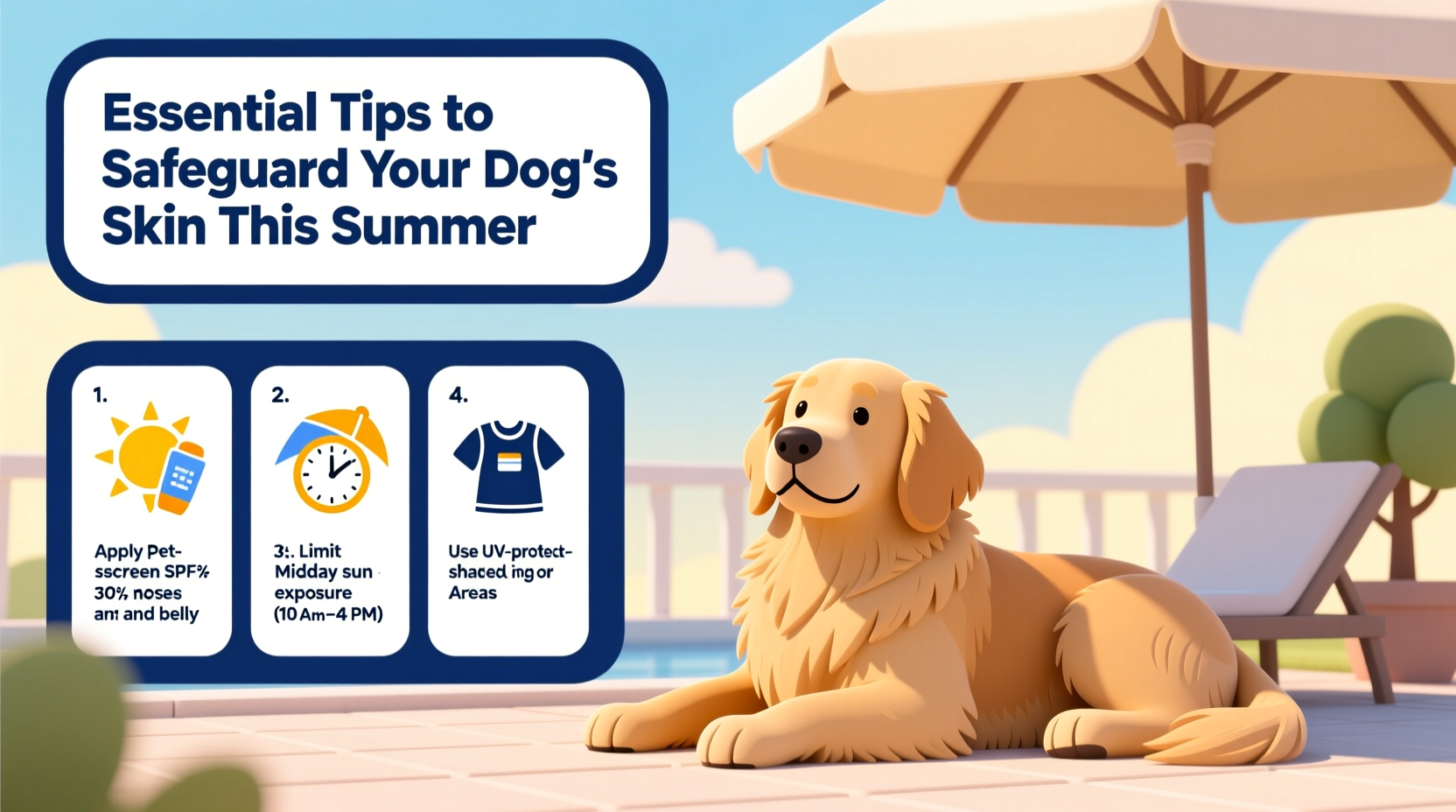
Dogs don’t sweat through their skin like humans do, so they rely heavily on panting to cool down. Their fur provides natural insulation and some UV protection, but it’s not foolproof. Areas with less hair coverage—such as the bridge of the nose, inner ears, groin, and underbelly—are particularly vulnerable. Breeds with short or thin coats, white or light-colored fur, and those with pink skin pigmentation are at higher risk. Examples include Bulldogs, Dalmatians, Boxers, Pit Bulls, and Chinese Cresteds.
UV radiation can lead to actinic dermatitis (sun-induced skin inflammation) and increase the likelihood of squamous cell carcinoma and other forms of skin cancer in dogs. Symptoms of sun damage may include redness, flaking, dry patches, scabs, or thickened skin. In severe cases, lesions may develop that require medical treatment.
“Chronic sun exposure is a known contributor to skin tumors in dogs, especially in breeds with minimal coat protection.” — Dr. Laura Bennett, Veterinary Dermatologist
Top 7 Protective Strategies for Summer Sun Safety
Preventing sun damage doesn’t mean keeping your dog indoors all summer. With thoughtful planning and consistent habits, you can safely enjoy outdoor time while minimizing UV risks.
- Avoid Peak Sun Hours: Schedule walks and playtime before 10 a.m. or after 4 p.m., when UV intensity is lower.
- Seek Shade Relentlessly: Whether at the park or in your backyard, ensure your dog has access to shaded areas at all times.
- Use Dog-Safe Sunscreen: Apply a pet-formulated sunscreen to vulnerable areas. Never use human sunscreen, which may contain zinc oxide or PABA—ingredients toxic if ingested during grooming.
- Invest in UV-Protective Gear: Lightweight sun shirts or rash guards designed for dogs offer physical UV barriers without overheating.
- Monitor Reflective Surfaces: Sand, concrete, and water reflect UV rays, increasing exposure even in shade. Keep extra vigilance at beaches or pools.
- Trim, Don’t Shave: For long-haired breeds, avoid close shaves. A trimmed coat of at least one inch retains natural protection against both heat and UV.
- Inspect Skin Monthly: Run your hands over your dog’s body weekly to check for new lumps, sores, or discoloration, especially on sparsely furred zones.
Choosing and Applying Safe Sun Protection
Not all sunscreens are created equal—especially when it comes to pets. Dogs groom themselves frequently, making ingestion a real concern. Always select a sunscreen specifically labeled for canine use, free of fragrances, parabens, and harmful chemicals like zinc oxide, octinoxate, or para-aminobenzoic acid (PABA).
Apply sunscreen 15–30 minutes before going outside. Focus on high-risk zones: the tip of the nose, ear tips, around the eyes, abdomen, and any areas with thin or missing fur. Avoid getting product in the eyes, mouth, or open wounds. If your dog resists application, try distracting with treats or using a spray formula for easier coverage.
| Product Type | Pros | Cons | Best For |
|---|---|---|---|
| Pet-specific cream | Precise application, long-lasting | May be licked off easily | Nose, ears, small patches |
| UV-protective clothing | No ingestion risk, full coverage | Can cause overheating if poorly ventilated | All-day outdoor activity |
| Sunscreen sprays (pet-safe) | Quick, even coverage | Harder to control dosage | Belly, legs, large areas |
| Shade structures | Passive, no maintenance | Immobile; limited portability | Backyards, dog parks |
Real-Life Scenario: Max the Bulldog’s Summer Recovery
Max, a 5-year-old English Bulldog, spent several weekends at his family’s lakeside cabin. His owners loved taking him boating and lounging on the dock. After two months, Max began scratching his belly excessively. A vet visit revealed crusted, inflamed skin with early signs of solar dermatitis. The diagnosis? Chronic sun exposure compounded by reflective glare off the water.
His treatment included a medicated ointment and strict sun avoidance for six weeks. Moving forward, his owners now use a UPF 50+ dog sun shirt during outings and apply a vet-recommended sunscreen daily. They also installed a pop-up canopy at the dock. Six months later, Max’s skin has healed, and his owners report he’s more comfortable—and still enjoys lake days safely.
Do’s and Don’ts of Canine Sun Care
- Do consult your vet before starting any new skincare product.
- Do reapply sunscreen after swimming or excessive sweating.
- Do keep your dog hydrated—well-hydrated skin is more resilient.
- Don’t shave your dog down to the skin in summer.
- Don’t use human sunscreen, even “natural” brands.
- Don’t assume cloudy days eliminate UV risk—up to 80% of UV rays penetrate cloud cover.
Frequently Asked Questions
Can I use baby sunscreen on my dog?
No. Even baby sunscreens often contain ingredients like zinc oxide or fragrance additives that can be toxic if ingested. Always use products explicitly formulated for dogs and approved by veterinarians.
How can I tell if my dog has sunburn?
Signs include red or warm skin, flaking, peeling, tenderness to touch, and behavioral changes like reluctance to be touched or excessive licking of affected areas. Severe cases may involve blistering or ulceration.
Are certain times of year more dangerous than others?
Summer poses the highest risk due to longer daylight hours and stronger UVB rays. However, winter sun at high altitudes or on snow-covered terrain can also cause damage, especially to sensitive areas like the nose.
Action Plan: Building a Summer Skin Protection Routine
Start protecting your dog now with this simple four-step weekly routine:
- Sunday: Inspect your dog’s skin head to tail. Note any changes in texture, color, or sensitivity.
- Monday: Stock up on supplies—replenish sunscreen, clean UV clothing, and check expiration dates.
- Wednesday: Practice sunscreen application during a calm moment to build positive association.
- Weekend Outings: Pack sun protection gear and apply sunscreen 30 minutes before leaving home.
Repeat this cycle weekly throughout summer. Consistency reduces risk and helps catch problems early.
Final Thoughts: Protect Today, Prevent Tomorrow
Safeguarding your dog’s skin from sun damage is an investment in their long-term health. While a single sunburn might seem minor, cumulative exposure can lead to chronic conditions that affect quality of life. By understanding your dog’s individual risk factors, using safe and effective protection methods, and staying vigilant, you can ensure they enjoy summer safely.
💬 Your dog’s comfort and safety start with awareness. Share these tips with fellow pet owners and help spread the word about summer skin protection for dogs!








