Dogs love to chew, tug, and play—often with anything they can get their paws on. While this behavior is natural, the materials in many commercially available dog toys can pose hidden risks. From synthetic plastics leaching harmful chemicals to dyes that may cause allergic reactions, not all dog toys are created equal. Choosing toys made from safe, non-toxic materials isn’t just about durability; it’s a critical part of responsible pet care. With increasing awareness around pet product safety, owners now have more options than ever—but also more confusion. This guide cuts through the noise, helping you confidently select toys that support your dog’s health, safety, and happiness.
Why Material Safety Matters in Dog Toys
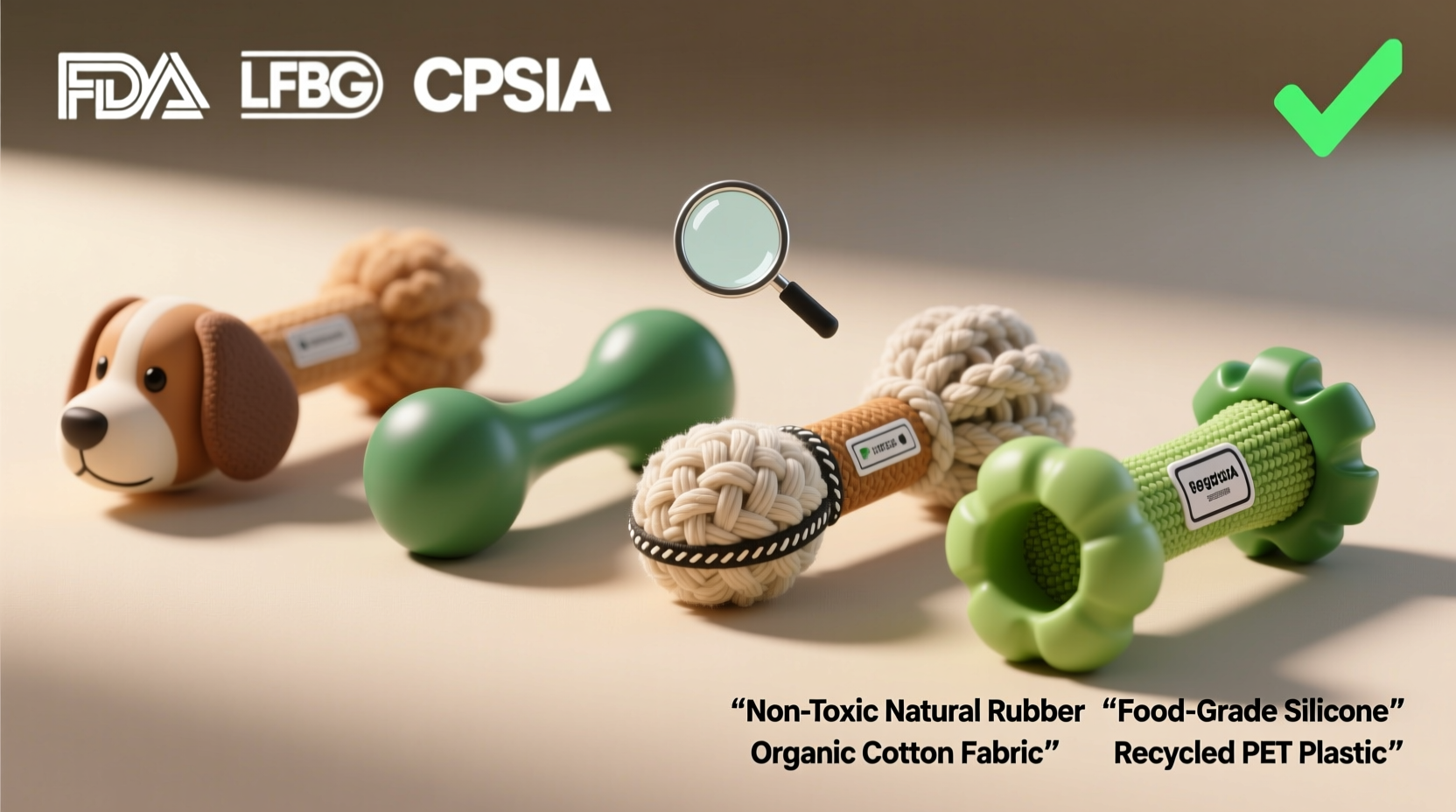
Dogs explore the world with their mouths. Whether gnawing on a rope toy or tossing a squeaky ball, they ingest microscopic particles through chewing and licking. Over time, exposure to toxic substances like phthalates, BPA, lead, or formaldehyde—commonly found in low-grade plastics and synthetic rubbers—can contribute to chronic health issues including liver damage, hormonal imbalances, and even cancer.
Young puppies and aggressive chewers are especially vulnerable. Puppies teethe relentlessly and often swallow small fragments, while power chewers break down toys quickly, accelerating ingestion risks. A 2022 study by the Environmental Working Group (EWG) found that nearly 30% of tested pet toys contained detectable levels of endocrine-disrupting chemicals. This underscores the importance of scrutinizing not just a toy’s design, but its composition.
“Pet parents should treat toy ingredients with the same care as food labels. What goes into a dog’s mouth matters—chemically and physically.” — Dr. Lena Patel, DVM, Veterinary Toxicologist
Common Harmful Materials to Avoid
Manufacturers aren't always transparent about what goes into pet products. However, certain red-flag materials consistently appear in lower-quality toys. Recognizing these helps you make safer choices.
- PVC (Polyvinyl Chloride): Often used in soft, squeezable toys. Contains phthalates that soften plastic but are linked to reproductive and developmental harm.
- BPA (Bisphenol A): Found in hard plastics. Mimics estrogen and can disrupt hormonal systems, especially in developing animals.
- Artificial Dyes and Fragrances: Added for visual appeal or scent. Some dogs develop skin irritation or gastrointestinal upset from synthetic colorants.
- Recycled or Unspecified Plastics: May contain contaminants from previous industrial use, including heavy metals.
- Latex: While natural latex is generally safe, synthetic versions can cause allergic reactions in sensitive dogs.
Safe and Non-Toxic Materials: What to Look For
Thankfully, many brands now prioritize pet health with cleaner material sourcing. The following are widely recognized as safe, durable, and non-toxic options:
| Material | Safety Benefits | Ideal Toy Types |
|---|---|---|
| Natural Rubber (e.g., Hevea) | Biodegradable, free of phthalates and BPA, gentle on teeth | Chew toys, teething rings, puzzle toys |
| Organic Cotton or Hemp | Pesticide-free, breathable, easily washable | Rope toys, tug toys, plush toys |
| Fair Trade Wool | Naturally antibacterial, resilient, compostable | Felted balls, snuffle mats |
| Food-Grade Silicone | Heat-resistant, inert, won’t degrade with chewing | Interactive feeders, collapsible bowls with toy function |
| Sustainable Wood (e.g., untreated maple or birch) | Non-toxic when unfinished or coated with pet-safe sealant | Chew sticks, fetch discs |
Look for third-party certifications such as ASTM F963 (U.S. toy safety standard), CE marking (Europe), or OEKO-TEX® certification, which verifies textiles are free from harmful substances. Brands that disclose full ingredient lists and manufacturing locations tend to be more trustworthy.
Step-by-Step Guide to Choosing Safe Dog Toys
Selecting a safe toy doesn’t have to be overwhelming. Follow this practical process to ensure every purchase supports your dog’s well-being:
- Assess Your Dog’s Play Style: Is your dog a gentle fetcher or an aggressive chewer? Match the toy’s durability to their behavior. A plush toy may be fine for a senior dog but dangerous if shredded by a puppy.
- Read Labels Carefully: Look for specific material names—not vague terms like “soft plastic” or “eco-friendly blend.” Prioritize toys labeled “BPA-free,” “phthalate-free,” and “non-toxic.”
- Check for Certifications: Verify if the product meets independent safety standards. Reputable brands often list test results or compliance documents online.
- Inspect Construction Quality: Seams should be tight, stitching reinforced, and no loose parts that could become choking hazards. Avoid glued components that may separate over time.
- Test at Home: Introduce the toy under supervision. Watch for signs of allergic reaction (itching, sneezing) or attempts to swallow large pieces. Discard immediately if compromised.
Real Example: A Parent’s Wake-Up Call
Sarah M., a dog owner from Portland, Oregon, bought a colorful set of rubber toys for her 8-month-old Labrador, Max. Within days, Max began vomiting and showed lethargy. After a vet visit, tests revealed elevated liver enzymes. The vet suggested possible toxin exposure. Sarah examined the toys and noticed a strong chemical odor. She sent one to a lab for testing—it contained high levels of ortho-phthalates, banned in children’s toys but still legal in pet products. Switching to certified natural rubber toys resolved Max’s symptoms within two weeks. “I never thought a toy could make my dog sick,” she said. “Now I read every label like it’s dog food.”
Checklist: Buying Safe, Non-Toxic Dog Toys
- ☐ Confirm the toy is labeled BPA-free, phthalate-free, and lead-free
- ☐ Choose natural materials like rubber, hemp, or untreated wood
- ☐ Avoid bright neon colors—these often indicate heavy dye use
- ☐ Check for third-party safety certifications
- ☐ Research the brand’s transparency and ethical practices
- ☐ Inspect for small, detachable parts before giving to your dog
- ☐ Monitor your dog during initial play sessions
Frequently Asked Questions
Are “natural” or “organic” labels regulated for dog toys?
Not consistently. Unlike food, pet toy labeling lacks strict regulatory oversight in most countries. Terms like “natural” can be misleading. Always verify with specific material details and certifications rather than marketing language.
Can I make my own non-toxic dog toys safely?
Yes—simple DIY options like braided cotton T-shirt ropes or knotted fleece strips are safe if made from clean, non-fraying fabric. Avoid using old clothing with zippers, buttons, or synthetic blends. Never use treated leather scraps or chemically dyed yarn.
How often should I replace dog toys?
Inspect toys weekly. Replace any with cracks, frayed edges, missing chunks, or broken parts. Even non-toxic materials can become hazardous when degraded. High-chew dogs may need replacements every few weeks.
Conclusion: Prioritize Health Over Hype
Every toy your dog chews, carries, or sleeps with contributes to their overall health environment. Just because a product is sold in a pet store or marketed as “durable” doesn’t mean it’s safe. By learning to decode materials, recognize trustworthy brands, and prioritize non-toxic composition, you take a proactive step in safeguarding your dog’s long-term wellness. The best toy isn’t the flashiest or loudest—it’s the one you can trust won’t harm your pet. Start today: audit your current toy collection, research your next purchase thoroughly, and advocate for greater transparency in the pet product industry.
💬 Have you switched to non-toxic dog toys? Share your favorite brands or DIY tips in the comments to help other pet owners make safer choices!








