
Walking a dog that pulls can be more than just frustrating—it can be physically demanding, potentially dangerous, and even discouraging for both pet and owner. While training is essential, one often overlooked factor in managing a strong puller is the leash itself. The length of the leash plays a critical role in control, safety, communication, and long-term behavioral development. Choosing the wrong length can undermine your efforts, while the right choice supports better walking habits and a more enjoyable experience.
This guide explores the nuances of leash selection for powerful dogs that tend to pull, covering everything from physical dynamics and material considerations to real-life scenarios and expert insights. Whether you have a young, exuberant Labrador or a determined Siberian Husky, understanding how leash length affects behavior and control is key to transforming chaotic walks into calm, cooperative outings.
Understanding the Physics of Pulling
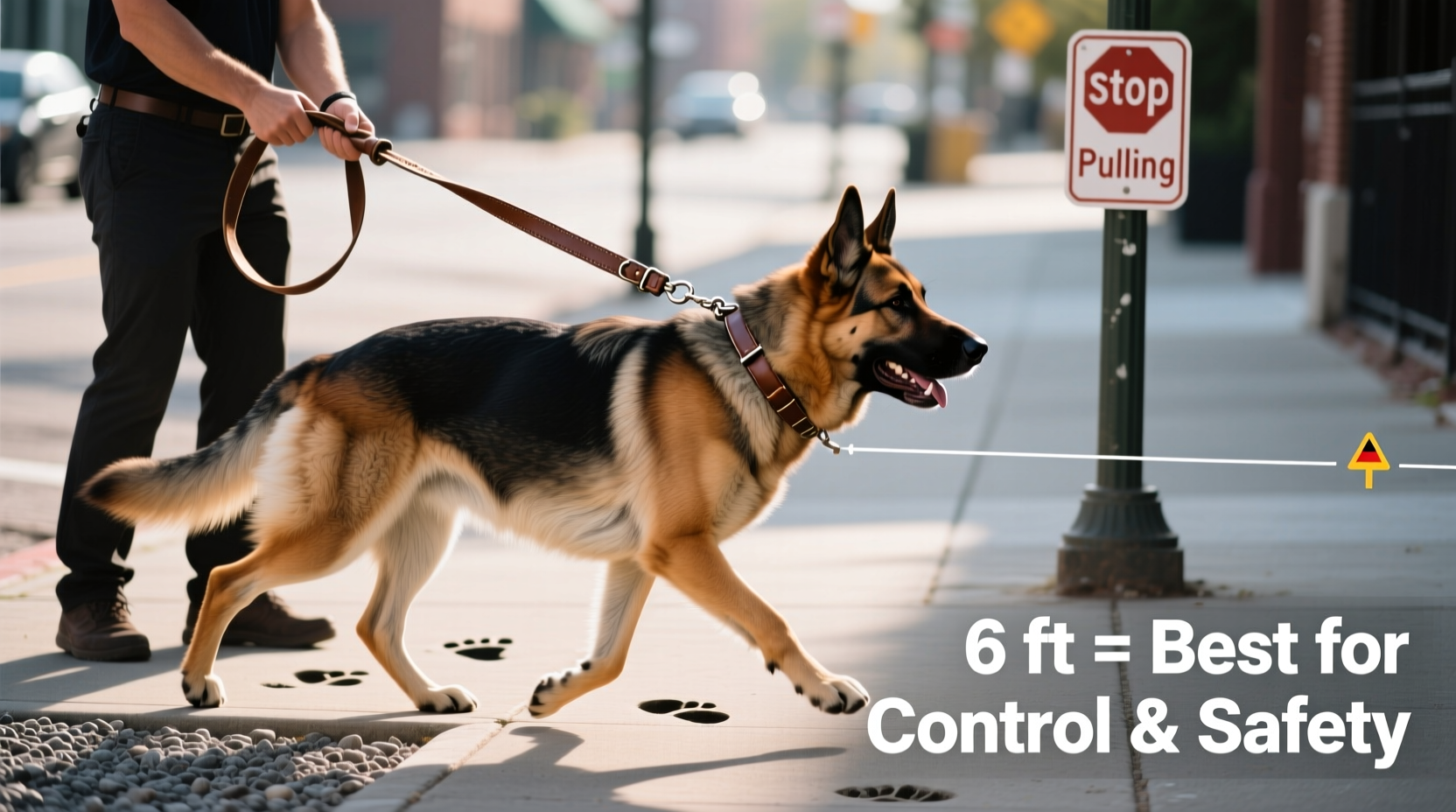
When a dog pulls, force is generated through the collar or harness and transmitted along the leash. The length of that leash directly influences how much leverage the dog has and how quickly the handler can respond. A longer leash increases the distance over which momentum builds, making it harder to correct sudden lunges. Conversely, a shorter leash reduces reaction time and allows for quicker corrections but may feel restrictive or unnatural if used improperly.
Leash length also affects tension distribution. With a 6-foot standard leash, moderate pulling can be managed with consistent technique. But extend that to 10 feet or more—common with retractable leashes—and the dog gains freedom to accelerate before the handler can intervene. This creates a cycle where the dog learns that pulling earns more distance, reinforcing the very behavior you're trying to discourage.
Tip: For strong pullers, avoid retractable leashes—they encourage forward momentum and reduce your ability to set boundaries.Common Leash Lengths and Their Impacts
Different leash lengths serve different purposes. Understanding their strengths and weaknesses helps you make an informed decision based on your dog’s temperament, size, and training level.
| Leash Length | Best For | Risks for Pullers |
|---|---|---|
| 3–4 feet | Training, crowded areas, high-distraction environments | May feel too restrictive; requires close attention |
| 6 feet (standard) | Everyday walks, moderate pullers, general obedience work | Still allows some momentum if not managed consistently |
| 8–10 feet | Off-leash training transitions, open spaces | Too much freedom for strong pullers; difficult to manage |
| Retractable (up to 26 ft) | Casual walks with well-behaved dogs | Encourages pulling, risk of injury, poor communication |
The 6-foot nylon or biothane leash remains the gold standard for most handlers dealing with pulling issues. It provides enough space for natural movement while keeping the dog within effective correction range. Biothane, in particular, offers durability and grip, even when wet—a crucial feature when managing large, powerful dogs.
Step-by-Step Guide to Selecting the Right Leash
Choosing the right leash isn’t just about length—it’s about matching equipment to behavior, environment, and training goals. Follow this process to make a confident, effective decision.
- Assess your dog’s pulling strength and frequency. Is the pull constant and forceful, or occasional and reactive? Strong, persistent pullers need maximum control, favoring shorter leashes.
- Evaluate your walking environment. Urban sidewalks with traffic and pedestrians call for a 4–6 foot leash. Open trails may allow slightly more length—but only if your dog responds reliably to cues.
- Consider your physical ability. If you’re smaller, older, or have limited strength, a shorter, non-retractable leash gives you mechanical advantage. Pair it with a front-clip harness for added leverage.
- Match leash type to training phase. During active training, use a 4–6 foot leash. As your dog improves, you might gradually introduce longer lines in controlled settings to practice loose-leash walking.
- Test and adjust. Try different lengths in low-distraction areas. Observe how much control you have during distractions like squirrels or other dogs.
Remember: no single leash solves pulling permanently. Equipment supports training—it doesn’t replace it. The goal is to use the right tool to reinforce desired behaviors until they become habit.
Expert Insight: What Trainers Recommend
Professional dog trainers emphasize consistency between equipment and technique. According to Sarah Thornton, a certified canine behavior consultant with over 15 years of experience:
“Leash length is part of your communication system. A 6-foot leash keeps your dog in your ‘conversation zone.’ Any longer, and you’re giving them permission to disconnect. For strong pullers, I recommend starting short, using positive reinforcement for walking beside you, and only increasing length as reliability improves.” — Sarah Thornton, CBCC-KA
Thornton also warns against relying on harsh corrections. “Control doesn’t mean choking or yanking. It means timing, consistency, and using tools that support cooperation, not conflict.”
This philosophy aligns with modern, science-based training methods that prioritize relationship-building over dominance. A properly sized leash enhances this approach by allowing clear, timely feedback without causing pain or fear.
Real Example: Transforming a Pulling Problem
Take Max, a two-year-old German Shepherd adopted by first-time owner Jenna. Max weighed 85 pounds and pulled so hard on walks that Jenna often returned with sore shoulders and frustration. She started with a 16-foot retractable leash, thinking it gave Max “freedom.” Instead, he learned to charge ahead, jerking her forward whenever he spotted something interesting.
After consulting a trainer, Jenna switched to a 4-foot biothane leash paired with a front-clip harness. Initially, Max resisted—he was used to leading. But with daily 10-minute focused walks using treats and praise for staying beside her, progress was rapid. Within three weeks, Max walked calmly on a 6-foot leash in quiet neighborhoods. By week six, he could handle busier streets with minimal pulling.
The change wasn’t due to the leash alone. It was the combination of appropriate equipment, consistent technique, and realistic expectations. The shorter leash gave Jenna the control she needed to reinforce good behavior before bad habits took hold.
Checklist: Choosing & Using the Right Leash
- ☐ Avoid retractable leashes for dogs that pull
- ☐ Choose a 4–6 foot leash made of durable material (nylon, biothane)
- ☐ Use a front-clip harness or head halter if needed for extra control
- ☐ Match leash length to environment—shorter in cities, slightly longer in parks
- ☐ Practice loose-leash walking daily in low-distraction areas
- ☐ Reward your dog frequently for staying in position
- ☐ Gradually increase leash length only after reliable behavior is established
- ☐ Replace frayed or damaged leashes immediately
This checklist ensures you’re not just selecting the right tool, but using it effectively within a broader training framework.
Common Misconceptions About Leash Length
Several myths persist about what constitutes the “best” leash for a pulling dog. Debunking them helps prevent counterproductive choices.
Myth 1: Longer leashes give dogs more freedom and happiness.
Reality: Freedom without structure leads to confusion and reinforced pulling. Dogs thrive on clear boundaries. Controlled freedom comes with training, not extended cords.
Myth 2: Retractable leashes are safe because you can lock them.
Reality: Even locked, they’re thin, prone to tangling, and offer poor feedback. The cord can burn hands or cause injuries if snapped. They also teach dogs to pull to gain ground.
Myth 3: Short leashes are cruel or restrictive.
Reality: A 4–6 foot leash isn’t punishment—it’s guidance. Think of it like holding a child’s hand near a busy road. It’s temporary support until independence is earned.
Equipment should empower both dog and handler, not create dependency or danger.
Frequently Asked Questions
Can I train my dog to stop pulling without changing the leash?
It’s possible, but significantly harder. The wrong leash undermines training by rewarding pulling. Switching to a fixed-length, non-retractable leash removes one major obstacle and makes reinforcement more effective.
What’s the ideal leash length for a large breed puppy?
Start with a 6-foot leash. Puppies benefit from consistent boundaries early on. A standard length allows room for growth and transition into adult walking habits. Avoid retractables entirely during socialization and training phases.
Is a hands-free leash suitable for a pulling dog?
No. Hands-free leashes loop around the waist and transfer all pulling force directly to your core. For strong dogs, this can lead to back strain and reduced control. Reserve them for dogs that already walk politely.
Conclusion: Building Better Walks One Step at a Time
Choosing the right leash length for a strong pulling dog isn’t about restriction—it’s about setting the stage for success. A well-chosen leash acts as a communication bridge, helping you guide your dog with clarity and consistency. While no piece of gear replaces patience and training, the right length dramatically improves your odds of building a cooperative walking relationship.
Start with a 4–6 foot durable leash, pair it with proper training techniques, and remain committed to gradual improvement. Over time, your dog will learn that walking beside you is more rewarding than charging ahead. And you’ll regain confidence, comfort, and enjoyment in every walk.
💬 Have a pulling dog? Share your leash experiences or questions below—your story could help another frustrated owner find relief.








