
Choosing a dog is more than selecting a breed based on appearance or size. For many households, especially those in apartments, urban environments, or homes with limited space, small dogs are a natural fit. But beyond size, temperament plays a crucial role in ensuring harmony between pet and owner. A well-matched dog brings joy, companionship, and stability—while a mismatch can lead to stress, behavioral issues, and even rehoming. Understanding what makes a small dog’s temperament suitable for your lifestyle is the first step toward a lasting bond.
Why Temperament Matters More Than Size
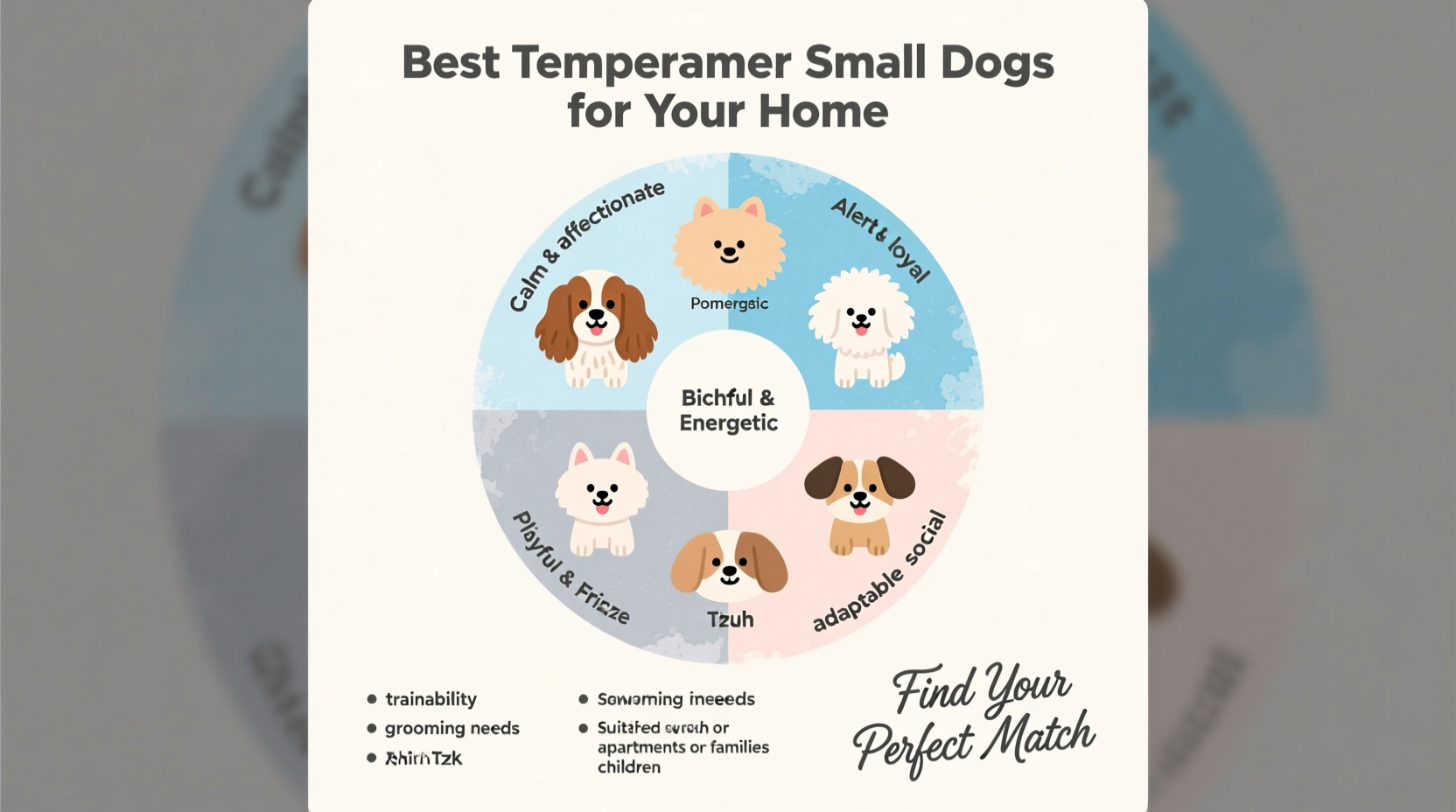
While small dogs are often praised for their portability and lower space requirements, their personalities vary widely. Some are energetic and vocal; others are calm and reserved. A Pomeranian might be bold and alert, while a Cavalier King Charles Spaniel tends to be gentle and affectionate. Assuming all small dogs are inherently “easygoing” or “lap-friendly” can lead to disappointment.
Temperament affects how a dog interacts with children, other pets, strangers, and new environments. It influences trainability, noise levels, separation anxiety, and adaptability to routine changes. For instance, a high-strung toy poodle may struggle in a chaotic household, whereas a Bichon Frise often thrives in social settings due to its cheerful, resilient nature.
“Temperament is not just about friendliness—it’s about compatibility. The right dog for your home isn’t always the cutest one; it’s the one whose emotional rhythm matches yours.” — Dr. Lena Torres, Canine Behavior Specialist
Key Traits of Ideal Small Dog Temperaments
When evaluating small breeds for family life, consider these core temperament traits:
- Sociability: Does the dog enjoy human interaction? Are they comfortable around children and guests?
- Calmness: Can they relax indoors without constant stimulation? This is vital in smaller living spaces.
- Trainability: Are they responsive to commands and consistent routines? Stubbornness can complicate housebreaking and obedience.
- Low Reactivity: Do they bark excessively at noises or movement? High reactivity disrupts peace at home.
- Adaptability: Can they adjust to schedule changes, travel, or new environments without distress?
Top Small Breeds Known for Excellent Temperaments
Not all small breeds are created equal when it comes to ease of living and emotional balance. The following table highlights five small breeds frequently recommended for families, singles, and seniors due to their stable, predictable temperaments.
| Breed | Temperament Traits | Best For | Considerations |
|---|---|---|---|
| Cavalier King Charles Spaniel | Gentle, affectionate, patient | Families, seniors, apartment dwellers | Needs companionship; prone to separation anxiety |
| Bichon Frise | Playful, friendly, resilient | Active households, allergy sufferers | Requires regular grooming |
| Papillon | Intelligent, alert, eager to learn | Owners who enjoy training and agility | High energy; needs mental stimulation |
| Shih Tzu | Calm, loyal, adaptable | Inactive homes, older adults | Can be stubborn during training |
| Greyhound (Pet Type) | Quiet, gentle, low-energy indoors | Apartments, quiet environments | Larger than typical small dogs; needs leash |
Note: While Greyhounds are technically medium-sized, many retired racing greyhounds live comfortably in apartments due to their remarkably calm indoor demeanor—earning them the nickname “45-pound couch potatoes.”
Step-by-Step Guide to Matching a Dog to Your Home
Finding the right small dog isn’t a matter of chance. Follow this structured approach to make an informed decision:
- Assess Your Lifestyle: Are you home most of the day? Do you travel often? Is your home noisy or quiet? Honest answers shape ideal breed traits.
- Evaluate Household Members: Consider age, activity level, and experience with dogs. Families with young kids should avoid fragile or nervous breeds.
- Research Breed-Specific Needs: Look beyond temperament. Grooming, exercise, and health concerns impact long-term happiness.
- Meet the Breed: Interact with adult dogs of the breed. Rescue groups often have fostered dogs available for short visits.
- Choose Reputable Sources: Select ethical breeders or adoption agencies that prioritize temperament testing and socialization.
- Test Compatibility: If adopting, use trial periods if offered. Observe how the dog behaves in your actual environment.
Mini Case Study: The Martinez Family’s Successful Match
The Martinez family lived in a two-bedroom condo with two school-aged children and irregular work hours. They initially considered a Yorkshire Terrier because of its popularity and small size. After research, they learned Yorkies often bark frequently and can be fragile around active kids.
Instead, they met a Shih Tzu through a local rescue. The dog was three years old, already house-trained, and demonstrated patience during interactions with the children. Over a weekend foster trial, the dog adapted quickly, remained calm during TV time, and didn’t react to doorbells or passing dogs. Six months later, the family reports a peaceful coexistence, with the dog becoming a comforting presence for both parents and kids.
Avoiding Common Mistakes When Choosing a Small Dog
Even well-intentioned owners make missteps. Here are frequent pitfalls and how to avoid them:
- Choosing Based on Cuteness Alone: Tiny puppies are undeniably charming, but their adult personality may differ drastically.
- Ignoring Energy Levels: Some small breeds need significant daily exercise. A sedentary owner may struggle with a Jack Russell Terrier, despite its size.
- Underestimating Grooming Needs: Breeds like Maltese or Poodles require weekly brushing and professional grooming every 6–8 weeks.
- Skipping Socialization: Small dogs are often overprotected, leading to fearfulness or aggression. Early exposure to people, sounds, and surfaces is essential.
FAQ: Frequently Asked Questions
Are small dogs good with children?
Some small breeds are excellent with children, particularly those bred for companionship like Cavaliers or Bichons. However, very small or delicate dogs (e.g., Chihuahuas, Toy Poodles) may be injured during rough play. Supervision and early socialization are key.
Do small dogs bark less than larger ones?
Not necessarily. Many small breeds, such as Pomeranians or Miniature Schnauzers, are alert watchdogs and may bark frequently. Calm breeds like the Shih Tzu or Basenji (which rarely barks) are better for noise-sensitive homes.
Can I leave a small dog alone during the day?
Most small dogs do not do well alone for extended periods. They are social animals and prone to separation anxiety. If you work long hours, consider breeds known for independence (like the French Bulldog) or arrange for midday walks or companionship.
Checklist: Is This Small Dog Right for My Home?
Before bringing a dog home, review this checklist:
- ✅ Does the dog’s energy level match my household’s activity?
- ✅ Is the breed known for being calm indoors?
- ✅ Does it get along with children or other pets I have?
- ✅ Am I prepared for grooming, training, and veterinary needs?
- ✅ Have I met the dog in person and observed its behavior?
- ✅ Does the breeder or rescue provide health and temperament history?
Conclusion: Building a Harmonious Home with the Right Companion
Finding the best temperament small dog for your home is an act of thoughtful planning, not impulse. It requires self-awareness, research, and a commitment to meeting the dog’s emotional and physical needs. A calm, well-socialized small dog can become a cherished member of the family, offering loyalty and comfort for years. By prioritizing temperament over trends, you set the foundation for a joyful, lasting relationship.
💬 Have you found the perfect small dog for your home? Share your story or ask questions in the comments—your experience could help another family make the right choice.








