
Puppies explore the world with their mouths. While nipping and mouthing are natural behaviors during teething and play, unchecked biting can escalate into problematic habits as your dog matures. The key to shaping a well-behaved companion lies in early intervention, consistent training, and understanding canine communication. With the right approach, you can redirect your puppy’s energy, teach bite inhibition, and lay the foundation for respectful, confident behavior.
Understanding Why Puppies Bite
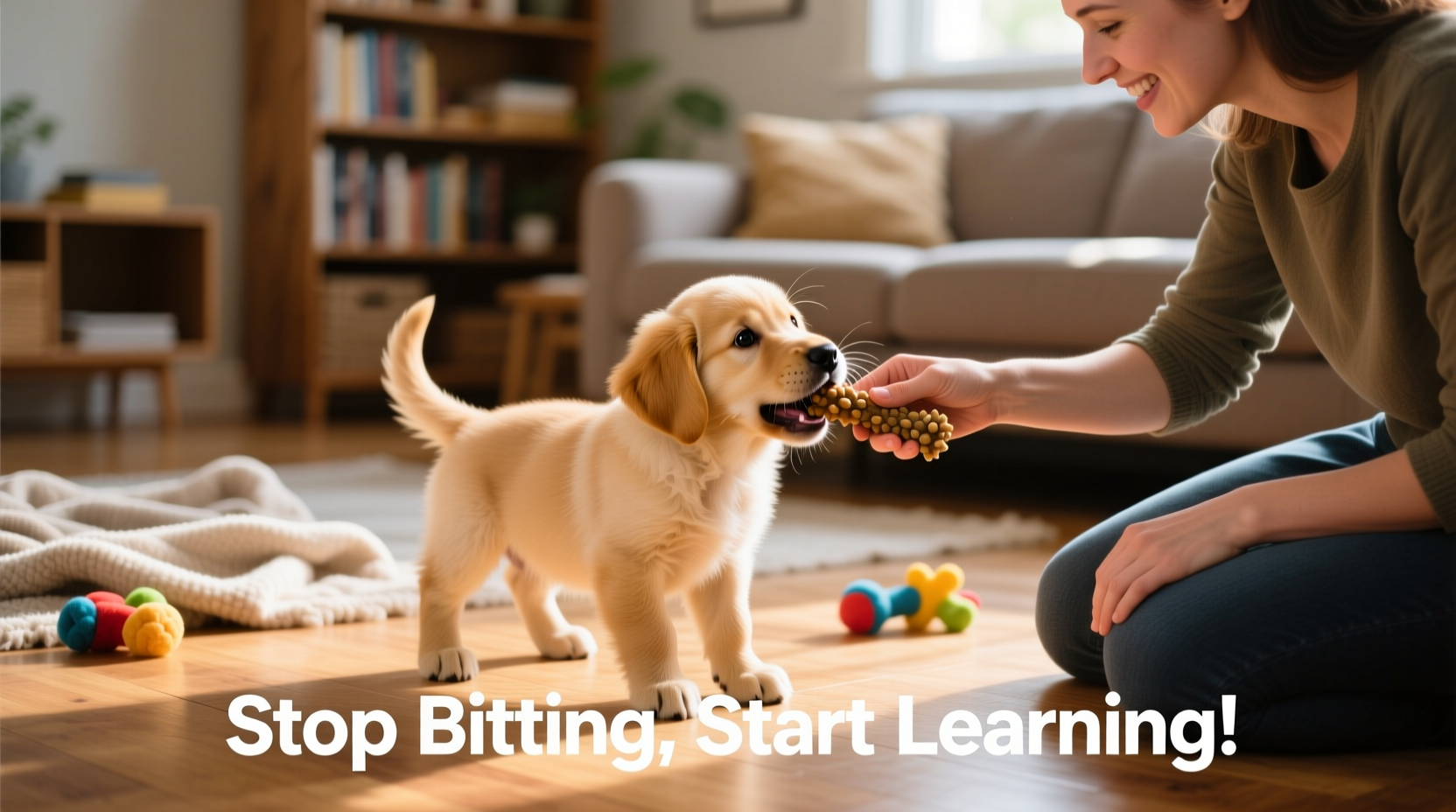
Biting is not an act of aggression in most young puppies—it's a developmental phase. During the first few months, puppies use their mouths to investigate textures, relieve teething discomfort, and engage in social play with littermates. In a litter, puppies learn bite inhibition when a sibling yelps and stops playing after a hard bite. As a pet owner, you must step into that role and teach similar boundaries.
Common triggers for biting include:
- Overexcitement during play or greetings
- Teething discomfort (peaks between 3–6 months)
- Lack of appropriate chew toys
- Insufficient mental or physical stimulation
- Mimicking littermate interactions
Recognizing these causes helps tailor your response. Reacting with frustration or punishment often worsens the behavior by increasing anxiety or reinforcing attention-seeking actions.
Tip: Never use your hands as toys during play—this teaches puppies that human skin is acceptable to bite.Step-by-Step Guide to Stop Puppy Biting
Success comes from consistency, timing, and repetition. Follow this structured approach to gradually reduce and eliminate unwanted biting.
- React Immediately When Bitten: The moment teeth touch skin, let out a high-pitched “Ouch!” or “Yelp!” This mimics how puppies signal pain to each other. Then stop all interaction—no eye contact, no talking, no movement.
- Withdraw Attention: Turn away or stand up and walk out of the room for 20–30 seconds. This teaches the puppy that biting ends fun time.
- Redirect to Appropriate Chewing: After the pause, offer a frozen chew toy or rubber teether. Encourage chewing on the toy with praise when they engage with it.
- Practice Controlled Play: Use tug ropes or fetch with durable toys to satisfy their urge to mouth without involving hands.
- End Sessions Before Overstimulation: Watch for signs like rapid breathing, stiff posture, or intense focus. End play calmly before biting escalates.
- Repeat Daily: Practice multiple short sessions per day. Consistency over weeks builds lasting habits.
This method works because it leverages natural canine learning—consequences tied directly to behavior help puppies make connections quickly.
Essential Training Tools and Techniques
Positive reinforcement is the cornerstone of modern dog training. Reward desired behaviors immediately to strengthen them. Avoid dominance-based corrections, which damage trust and can increase fear-based aggression.
| Technique | How It Works | Effectiveness |
|---|---|---|
| Redirection | Replace biting with chewing on approved toys | ★★★★☆ |
| Time-Outs | Remove attention after biting to discourage the behavior | ★★★★★ |
| Clicker Training | Mark correct behavior with a click, then reward | ★★★★☆ |
| Tug Games (with rules) | Teach “drop it” and controlled mouthing | ★★★★★ |
| Aversives (sprays, yelling) | Punishment-based; risks fear and confusion | ★☆☆☆☆ |
Pair redirection with high-value treats like freeze-dried liver or peanut butter-filled Kongs to boost motivation. Over time, your puppy will associate self-control with rewards.
“Puppies don’t grow out of biting—they grow into whatever behavior we allow. Early training shapes adult temperament.” — Dr. Sophia Yin, Veterinarian and Animal Behaviorist
Real Example: Turning Around a Nippy Labrador
Sixteen-week-old Max, a Labrador Retriever, would lunge at his owner’s ankles during play, drawing blood twice. His family initially responded by yelling and squirting water, which only made him more excited. A certified trainer recommended switching to a structured redirection protocol.
They began using a “yelp-and-withdraw” method, followed by offering a frozen braid of bully sticks. They also introduced daily 10-minute training sessions focusing on “leave it” and “sit” commands. Within three weeks, Max’s biting dropped by 80%. By five weeks, he consistently chose his toy over hands. The family reported stronger bonding and increased confidence in handling him around children.
The turning point was consistency—everyone in the household followed the same rules. No exceptions meant no mixed signals.
Checklist for Preventing and Correcting Biting
Use this checklist daily during your puppy’s first six months:
- ✅ Keep durable chew toys accessible at all times
- ✅ Freeze rubber toys to soothe teething gums
- ✅ End play immediately when biting occurs
- �� Use verbal cues like “Ouch!” consistently
- ✅ Reward calm behavior with treats and affection
- ✅ Schedule short training sessions (5–10 mins) 3x/day
- ✅ Socialize with gentle dogs who model good play
- ✅ Avoid roughhousing or hand-chasing games
- ✅ Ensure daily exercise tailored to age (e.g., 5 mins per month of age)
- ✅ Monitor for fatigue—overtired puppies bite more
Frequently Asked Questions
At what age do puppies usually stop biting?
Most puppies significantly reduce biting by 5–7 months as they mature and learn bite inhibition. However, the timeline depends on training consistency. Without guidance, some dogs continue mouthing into adulthood.
Is it okay to let my puppy nibble gently?
No. Allowing “soft” biting sends mixed messages. If teeth touch skin, even lightly, the behavior is reinforced. The goal is zero tolerance for mouth-on-skin to establish clear boundaries.
Should I use bitter sprays on my hands?
Bitter apple or deterrent sprays are not recommended. They mask the problem rather than teaching alternatives. Focus on redirection and consequence-based learning instead.
Building Long-Term Good Behavior
Stopping biting is just the beginning. The skills learned during this phase—impulse control, focus, and responsiveness—form the basis of lifelong obedience. Continue reinforcing commands like “sit,” “wait,” and “give” during daily routines. Enroll in a positive-reinforcement puppy class to build socialization and handler focus.
Remember, patience is not passive. It’s active guidance through every interaction. Each time your puppy chooses a toy over your hand, you’re shaping a calmer, more thoughtful adult dog.
💬 Start today—your puppy is learning whether you realize it or not. Apply one technique consistently for a week and observe the change. Share your progress or challenges in the comments to connect with fellow pet parents building better behavior, one gentle interaction at a time.








