Birdwatching is a peaceful and rewarding hobby, but it can quickly turn distressing when outdoor cats threaten the very birds you're trying to attract. Domestic and feral cats are natural hunters, and their presence near feeders puts songbirds at risk. While you can't control every cat in the neighborhood, you can take meaningful steps to minimize danger and create a safer environment for birds. The goal isn’t to eliminate cats—many are beloved pets—but to design a backyard ecosystem where both can coexist without compromising avian safety. With strategic placement, physical barriers, and behavioral deterrents, you can significantly reduce predation and enjoy guilt-free bird feeding.
Choose the Right Feeder Placement
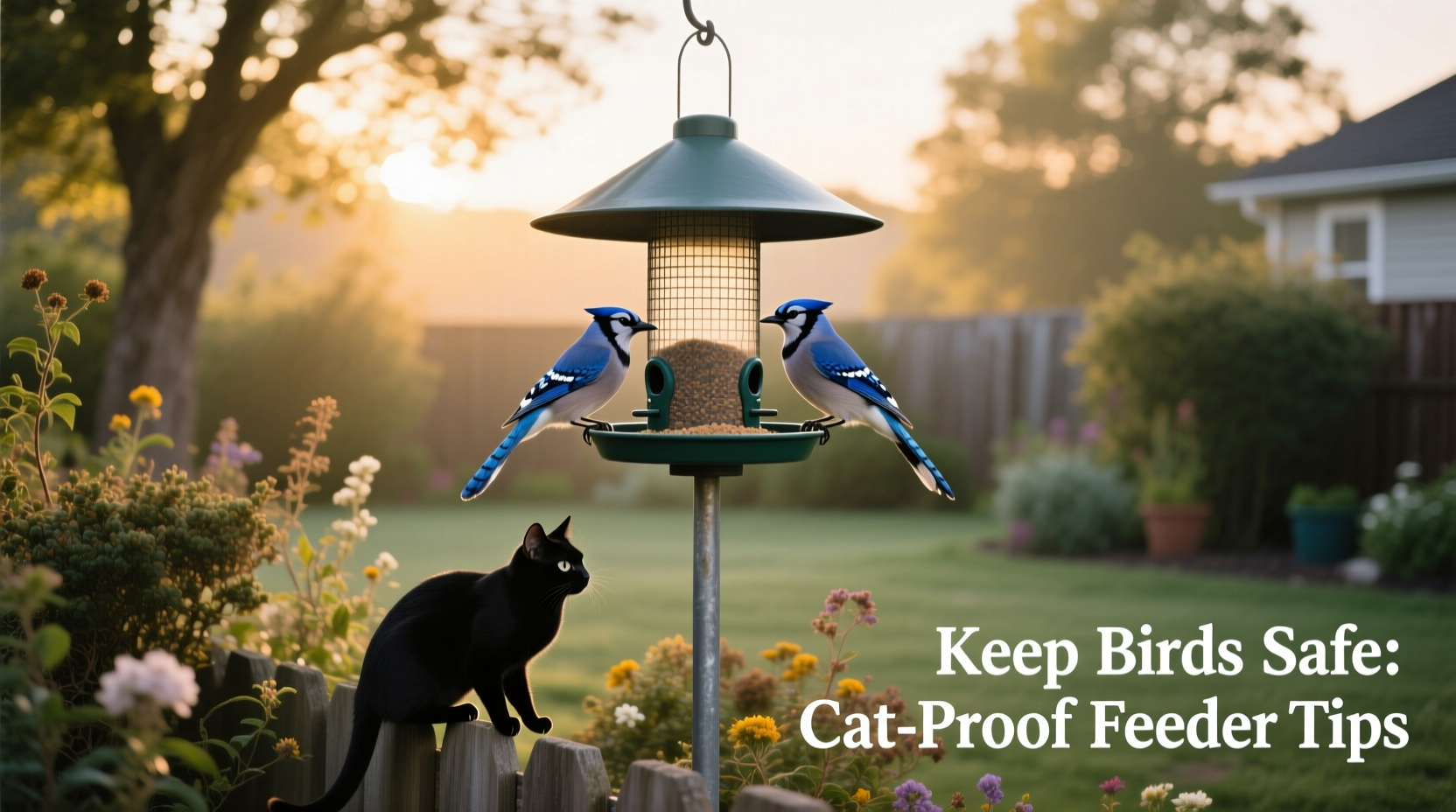
The location of your bird feeder plays a critical role in bird safety. Cats rely on stealth and surprise, so disrupting their hunting strategy starts with smart positioning. Place feeders at least 10 feet away from any structure or vegetation that a cat could use as cover—such as bushes, fences, decks, or trees. This distance forces cats to cross open ground, making them more visible to birds and less likely to attempt an ambush.
Alternatively, mount feeders closer than 3 feet from large windows. While this might seem counterintuitive, it prevents birds from building up enough speed to injure themselves if they fly away in panic. More importantly, such proximity reduces the chance of a successful pounce, as cats need space to accelerate.
Tip: Use a tape measure when installing feeders—precision matters. Even a few extra feet can make the difference between safety and vulnerability.Install Physical Barriers and Deterrents
Creating a physical obstacle around or beneath the feeder is one of the most reliable ways to block access. A variety of commercial and DIY solutions exist to prevent cats from reaching feeding zones.
One highly effective method is using a **baffle**—a dome-shaped shield placed above or below the feeder. Pole-mounted baffles, especially those made of slick plastic or metal, stop cats from climbing up to reach suspended feeders. Ensure the baffle is wide enough (at least 17 inches in diameter) and installed correctly—about 4–5 feet off the ground with no nearby jumping points.
Another option is surrounding the base of the pole with a **collar baffle**, a rotating or slippery cylinder that spins under a cat’s weight, preventing upward movement. These are particularly useful when combined with a metal pole, which is harder to grip than wood or PVC.
| Barrier Type | Best For | Effectiveness |
|---|---|---|
| Top-mounted dome baffle | Hanging feeders | High (if properly sized) |
| Pole-mounted collar baffle | Ground-based poles | Very High |
| Chicken wire enclosure | Multiple feeders in one area | Moderate (can deter birds too) |
| Clear polycarbonate tube guard | Window feeders | High |
Modify the Surrounding Landscape
Your yard’s layout can either enable or discourage cat activity. Dense shrubs, overgrown flower beds, and low tree limbs offer ideal hiding spots for stalking predators. Regular landscaping reduces these risks by eliminating ambush points.
Trim back vegetation within a 5-foot radius of feeders. Replace thick ground cover with gravel, mulch, or stone—surfaces that are uncomfortable for cats to walk on. Consider planting prickly or thorny plants like barberry or holly around key areas; while not harmful, they discourage loitering.
Adding motion-activated sprinklers or ultrasonic deterrents can also disrupt habitual cat routes. These devices detect movement and emit a spray of water or high-frequency sound, startling cats without causing harm. They’re especially effective when rotated periodically to prevent habituation.
“Cats are creatures of habit. Disrupting their routine through environmental changes is often more effective than trying to trap or relocate them.” — Dr. Rebecca Thompson, Wildlife Behavior Specialist, Cornell Lab of Ornithology
Step-by-Step Guide to Cat-Proofing Your Feeder Setup
Follow this sequence to systematically secure your bird feeding station:
- Assess current setup: Observe feeder locations and note where cats typically approach from.
- Relocate feeders: Move them to open areas at least 10 feet from cover or under 3 feet from windows.
- Upgrade support structure: Replace wooden poles with smooth metal ones that resist climbing.
- Install baffles: Add a dome baffle above hanging feeders or a collar baffle on poles.
- Clear surrounding brush: Trim back foliage and remove debris piles near feeding zones.
- Add motion deterrents: Install a motion-activated sprinkler on a separate timer to vary patterns.
- Monitor and adjust: Watch bird behavior—frequent alarm calls may indicate lingering threats.
Mini Case Study: A Suburban Backyard Transformation
In Maplewood, New Jersey, homeowner Linda Chen noticed a sharp decline in chickadee and finch visits after a neighbor’s cat began frequenting her yard. Despite loving birds, she didn’t want to confront her neighbor. Instead, she implemented a layered defense.
She moved her primary feeder from a bush-lined deck edge to the center of her lawn, 12 feet from any cover. She mounted it on a 10-foot metal pole equipped with a rotating collar baffle. Around the base, she laid river rock to deter walking. Within two weeks, sparrow and nuthatch activity returned, and the cat stopped visiting altogether. “It wasn’t about keeping the cat out of the yard,” she said. “It was about making my feeding zone unprofitable for hunting.”
Checklist: Protecting Birds from Cats
- ✅ Position feeders 10+ feet from cat-accessible cover
- ✅ Use metal poles instead of wood or PVC
- ✅ Install a dome or collar baffle
- ✅ Trim back shrubs and low-hanging branches
- ✅ Avoid placing feeders near fences or decks
- ✅ Use motion-activated deterrents if needed
- ✅ Monitor bird behavior for signs of stress
- ✅ Encourage neighbors to keep cats indoors or use breakaway collars with bells
Frequently Asked Questions
Can I still feed birds if I have an outdoor cat?
Yes, but consider timing and location. Feed birds during daylight hours only and remove feeders at dusk. Keep your own cat indoors or use a bell-equipped breakaway collar to warn birds. Better yet, transition your cat to indoor-only living—studies show indoor cats live longer, healthier lives.
Will a squirrel baffle work for cats too?
Squirrel baffles are designed to stop rodents, but many models—especially large dome baffles—also deter cats. However, cats are stronger and more agile, so ensure the baffle is wide (17”+), securely mounted, and made of rigid material. A baffle meant only for squirrels may not withstand a determined cat.
Are ultrasonic cat repellents effective?
Results vary. Some cats ignore the sound after repeated exposure, while others avoid treated areas. For best results, combine ultrasonic devices with physical deterrents like baffles or texture changes on the ground. Rotate devices weekly to maintain effectiveness.
Final Thoughts and Action Steps
Protecting birds from cats doesn’t require extreme measures—just thoughtful planning and consistent effort. By adjusting feeder placement, adding simple barriers, and modifying your landscape, you create a sanctuary where birds can feed without fear. Remember, even small changes can lead to noticeable improvements in bird activity and confidence.
Start today: evaluate your current setup, install one baffle, trim back a bush. Share your progress with neighbors—many may not realize how their cats impact local wildlife. Together, we can foster backyard environments that support biodiversity, respect pets, and bring joy to bird lovers everywhere.
💬 Have a cat-safe bird feeding tip that worked for you? Share your experience in the comments and help build a safer world for backyard birds.








