Birdwatching transforms an ordinary yard into a living sanctuary. But placing a feeder alone won’t guarantee activity. Birds need trust, safety, and reliable resources before they’ll visit—especially if you’ve just installed a new feeder. Success lies not in luck, but in thoughtful planning and consistent effort. By understanding bird behavior and habitat needs, you can turn your outdoor space into a vibrant avian destination.
Choose the Right Feeder and Food for Local Species
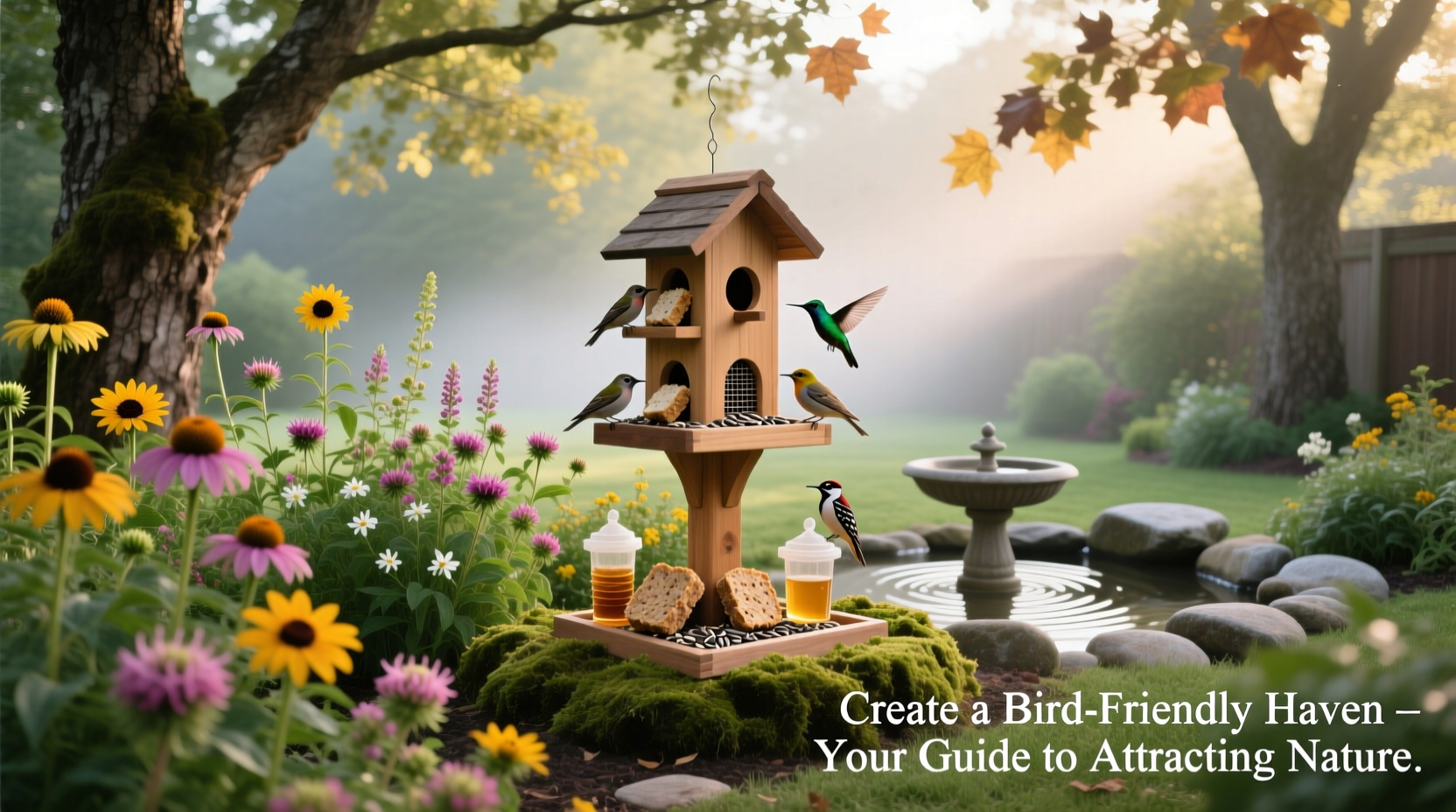
The type of feeder and food you offer determines which birds will come—and whether they’ll stay. Different species have distinct preferences based on beak shape, feeding habits, and dietary needs.
Tubular feeders with small ports attract hummingbirds and finches, while platform or hopper feeders suit cardinals, jays, and sparrows. Suet cages are ideal for woodpeckers, nuthatches, and creepers. Matching the feeder design to local birds increases the likelihood of visits.
Tip: Research common backyard birds in your region using apps like Merlin Bird ID or eBird to tailor your setup.Food quality matters as much as presentation. Black oil sunflower seeds are widely popular due to their high fat content and thin shells. Nyjer (thistle) seed draws goldfinches, while safflower is favored by cardinals and often ignored by squirrels. Avoid cheap seed mixes filled with filler grains like millet or cracked corn—many birds scatter them, creating waste and attracting pests.
“Birds are more likely to return when they find energy-rich, easily accessible food. Consistency in quality builds trust.” — Dr. Laura Finch, Ornithologist, Cornell Lab of Ornithology
Strategic Placement: Safety and Visibility
A poorly placed feeder—even one filled with premium seed—will remain unused. Birds are alert to predators and disturbances. They prefer locations that offer quick escape routes and clear sightlines.
Position feeders 5 to 10 feet from dense shrubs or trees. This distance allows birds to dart to cover if a hawk or cat approaches, without giving predators easy ambush points. Avoid placing feeders directly against windows; collisions are a leading cause of bird mortality. If unavoidable, use window decals spaced no more than 2 inches apart to break up reflections.
| Placement Factor | Best Practice | Avoid |
|---|---|---|
| Distance from cover | 5–10 feet from bushes or trees | Right next to thick brush (predator risk) |
| Height | 5–6 feet off ground | Too low (accessible to cats) |
| Window proximity | Within 3 feet or beyond 30 feet | 10–25 feet (collision zone) |
| Open surroundings | Clear flight paths | Crowded, cluttered areas |
Establish a Reliable Routine
Birds operate on routine. Once they identify your yard as a dependable food source, they’ll return daily. Irregular refilling or sudden changes in food type disrupt this pattern and erode trust.
Refill feeders consistently, ideally every 2–3 days depending on usage. Monitor for spoilage—damp seed breeds mold, which can cause fatal respiratory infections in birds. Clean feeders every two weeks with a 10% bleach solution, rinsing thoroughly and drying completely before reuse.
- Observe visiting species and adjust food offerings accordingly.
- Maintain a refill schedule regardless of weather.
- Keep the ground beneath clean to deter rodents and disease.
- Rotate feeder locations slightly every few weeks to prevent soil contamination.
Create a Complete Bird-Friendly Habitat
A feeder is just one element of a successful bird haven. To truly attract and retain birds, provide all four essentials: food, water, shelter, and nesting opportunities.
Install a shallow birdbath (no deeper than 2–3 inches) with a rough surface for grip. Add a dripper or fountain to create movement—sound attracts birds from greater distances. In winter, consider a heated bath to provide liquid water when natural sources freeze.
Plant native trees, shrubs, and perennials. Serviceberry, dogwood, and elderberry offer berries for birds and host beneficial insects. Coneflowers, black-eyed Susans, and milkweed support seed-eating finches and pollinators alike. Native plants require less maintenance and form the backbone of a sustainable ecosystem.
- Include evergreens like pines or junipers for year-round shelter.
- Leave leaf litter in garden beds—ground foragers like robins and towhees rely on it for insects.
- Avoid chemical pesticides, which reduce insect populations critical for chick diets.
Mini Case Study: Reviving a Silent Backyard
Sarah in central Ohio installed a new tube feeder in March but saw no visitors for six weeks. Discouraged, she consulted a local Audubon chapter. Following their advice, she added a heated birdbath, replaced her mixed seed with black oil sunflower, and planted native spicebush around the yard’s edge. Within three weeks, chickadees and titmice began visiting. By May, she hosted nesting pairs of cardinals and house finches. “It wasn’t the feeder,” she said. “It was making the whole yard feel safe.”
Step-by-Step Guide to Launch Your Bird Haven
Follow this timeline to build momentum and attract birds within the first 60 days:
- Week 1: Install feeder with high-quality seed. Place near natural cover but with open sightlines.
- Week 2: Add a birdbath with fresh, moving water. Position within view of the feeder.
- Week 3: Begin planting 2–3 native shrubs or perennials. Even container gardens help.
- Week 4: Eliminate pesticide use. Allow some insect presence for protein sources.
- Weeks 5–8: Monitor activity, clean feeders weekly, and adjust placement or food as needed.
- Ongoing: Expand native plantings, add nesting boxes if appropriate, and keep records of species seen.
Frequently Asked Questions
Why aren’t birds visiting my new feeder?
New feeders often experience a “lag phase” lasting 2–8 weeks. Birds must discover and assess the site for safety. Ensure you’re offering quality food, placing the feeder correctly, and maintaining consistency. Patience is key—activity often begins suddenly once trust is established.
Should I feed birds year-round?
Yes, especially during extreme weather. While birds don’t become dependent on feeders, reliable food supports survival during cold snaps, droughts, or migration periods. In summer, focus on providing water and native plants over supplemental seed.
How do I keep squirrels and pests away?
Use feeders with weight-activated shutters, install cone-shaped baffles, and avoid corn or peanuts in shells, which attract raccoons. Keep the area under feeders clean with trays or gravel to minimize spilled seed.
Tip: Offer mealworms in a separate cage to attract insect-eating birds like bluebirds and wrens without drawing rodents.Your Yard Can Be a Wildlife Refuge
Creating a bird-friendly haven goes beyond aesthetics—it contributes to broader conservation efforts. Urban and suburban green spaces now serve as critical corridors for declining bird populations. Every native plant, clean water source, and thoughtfully placed feeder strengthens ecological resilience.
Start small. Observe. Adapt. Over time, your yard will pulse with life—the flutter of wings, the chatter of chickadees, the flash of a cardinal through the trees. These moments aren’t accidental. They’re the result of intention, care, and connection to the natural world.
🚀 Ready to transform your yard? Begin today: hang your feeder, fill a dish with fresh water, and plant one native species. Share your journey online with #BirdFriendlyYard and inspire others to welcome wildlife home.








