Ticks are more than just a nuisance—they pose real health risks to dogs, including the transmission of Lyme disease, ehrlichiosis, anaplasmosis, and other tick-borne illnesses. With climate changes expanding tick habitats, pet owners must take proactive steps to protect their dogs. The key lies in combining prevention, early detection, and safe treatment methods that prioritize both effectiveness and your dog’s long-term well-being.
Understanding the Tick Threat
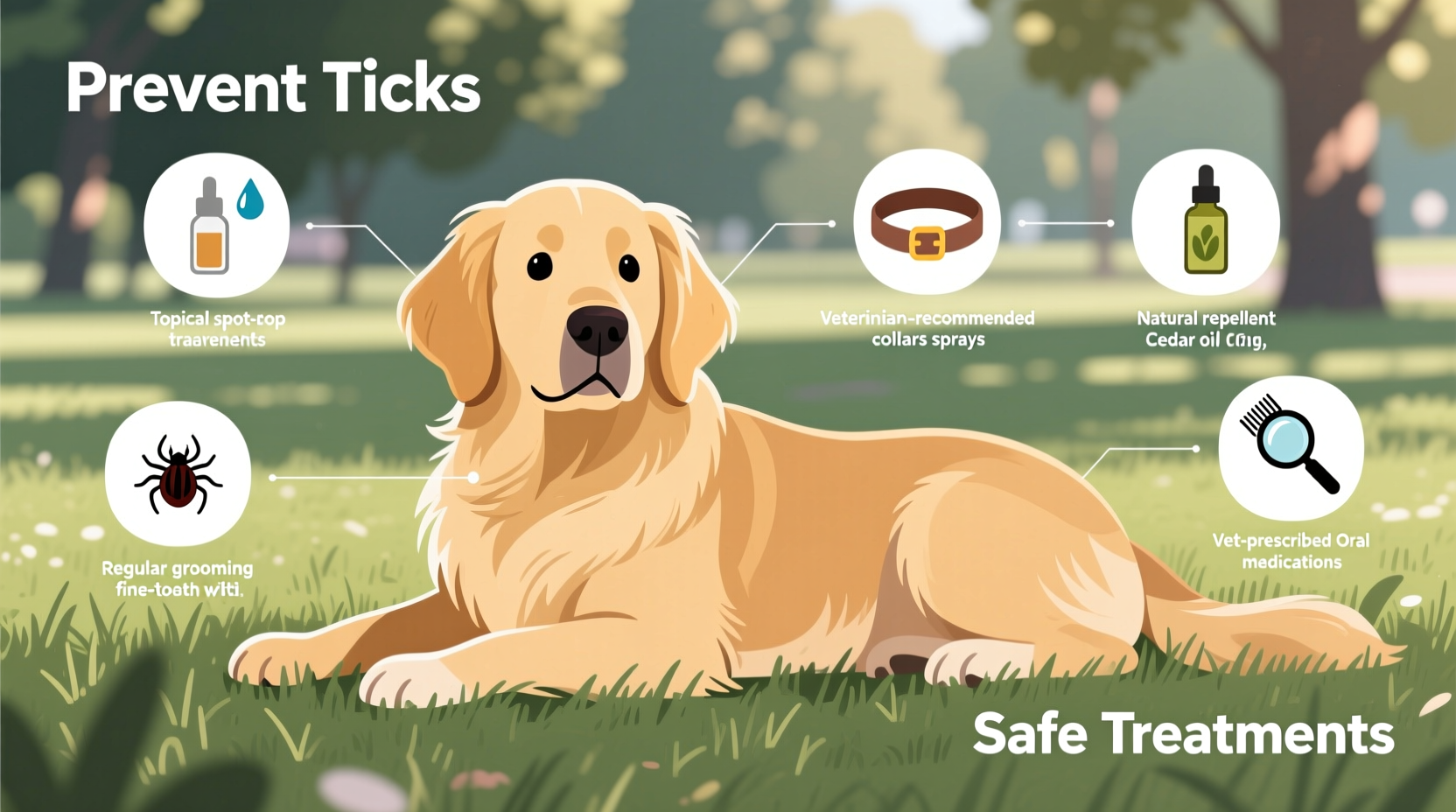
Ticks are parasitic arachnids that latch onto hosts to feed on blood. They thrive in wooded areas, tall grass, and even urban parks. Once attached, ticks can transmit pathogens within hours. The most common species affecting dogs include the black-legged tick (deer tick), American dog tick, and brown dog tick—each capable of spreading different diseases.
Early signs of tick infestation may be subtle: excessive scratching, redness at bite sites, or a small bump. However, some dogs show no visible symptoms until illness progresses. This makes routine checks and preventive care essential.
“Ticks are stealth carriers. By the time clinical signs appear, the infection may already be established. Prevention is far safer than treatment.” — Dr. Laura Simmons, DVM, Veterinary Parasitology Specialist
Safe and Effective Tick Prevention Methods
Prevention should be the cornerstone of any tick management strategy. The best approach combines environmental control, lifestyle adjustments, and veterinarian-approved products.
Topical and Oral Preventatives
Veterinary-prescribed medications remain among the most reliable tools. These include topical treatments like fipronil or permethrin-based spot-ons and oral options such as chewable tablets containing afoxolaner, fluralaner, or sarolaner. These products work by either repelling ticks or killing them shortly after attachment—often within 2–6 hours.
Tip: Always use canine-specific products. Never apply dog tick treatments to cats, as some ingredients (like permethrin) are highly toxic to felines.Natural and Herbal Alternatives
For owners seeking gentler options, certain essential oil blends (e.g., cedarwood, lemongrass, or rosemary) may offer mild repellent effects. However, these should never replace vet-recommended preventatives, especially in high-risk areas. Diluted sprays made from plant-based oils can supplement protection but lack the consistency and duration of prescription solutions.
Protective Gear and Grooming
Dogs with longer coats may benefit from tick collars infused with slow-release active ingredients. Additionally, regular grooming helps detect ticks early. Brushing your dog weekly, especially after outdoor activity, increases the chances of spotting ticks before they embed.
Step-by-Step Guide to Safe Tick Removal
If you find a tick on your dog, prompt and proper removal is crucial. Improper techniques—such as squeezing, burning, or using petroleum jelly—can increase disease risk by forcing pathogens into the bloodstream.
- Prepare your tools: Use fine-tipped tweezers or a tick-removal tool (hook).
- Grasp close to the skin: Position the tweezers as close to the dog’s skin as possible, targeting the tick’s head or mouthparts.
- Pull upward steadily: Apply slow, even pressure without twisting or jerking.
- Disinfect the area: Clean the bite site with antiseptic and wash your hands.
- Dispose safely: Submerge the tick in alcohol, seal it in tape, or flush it—never crush with bare fingers.
- Monitor for symptoms: Watch for fever, lethargy, lameness, or loss of appetite over the next few weeks.
Environmental and Behavioral Strategies
Reducing tick exposure starts at home. Even indoor dogs can encounter ticks brought in by wildlife or on clothing.
- Mow lawns regularly and clear leaf litter to reduce tick-friendly habitats.
- Create gravel or mulch barriers between lawns and wooded edges.
- Avoid walking dogs in tall grass or dense brush during peak tick season (spring through fall).
- Check your dog thoroughly after every outdoor excursion—pay special attention to ears, under collars, between toes, and under the tail.
- Wash dog bedding weekly in hot water to eliminate any hitchhiking ticks.
| Prevention Method | Effectiveness | Duration | Safety Notes |
|---|---|---|---|
| Oral chewables (e.g., NexGard) | High (95–100%) | Monthly | Safe for most breeds; consult vet for dogs with seizure history |
| Topical treatments | High (90–98%) | Monthly | Avoid bathing 48 hrs after application; keep away from children |
| Tick collars | Moderate to High | 6–8 months | Ensure proper fit; monitor for skin irritation |
| Natural sprays | Low to Moderate | Hours to 1 day | Not recommended as sole protection; may cause sensitivities |
Real Example: Managing Ticks in a Rural Household
The Thompson family lives on a five-acre property in upstate New York—a region known for high tick activity. Their two dogs, a Labrador and a Border Collie, spend hours outdoors daily. Despite using over-the-counter flea collars, one dog developed Lyme disease after a hiking trip.
After consulting their vet, they switched to a monthly oral preventative, began daily tick checks, and modified their yard by trimming back brush and installing wood chip borders. Within six months, tick encounters dropped from weekly to fewer than three per year. Their vet credits the comprehensive approach—not just medication—for the improvement.
Common Mistakes to Avoid
- Using expired or incorrect dosage: Under-dosing reduces efficacy; over-dosing risks toxicity.
- Relying solely on home remedies: Vinegar, garlic, or essential oils do not reliably prevent tick-borne diseases.
- Skipping doses during winter: Many ticks remain active above freezing temperatures.
- Ignoring indoor risks: Rodents or birds can introduce ticks into homes.
- Failing to check yourself: Humans can contract the same diseases—practice mutual vigilance.
FAQ: Common Questions About Tick Safety
Can ticks jump or fly onto my dog?
No, ticks cannot jump or fly. They “quest” by clinging to vegetation and latching onto passing hosts. Keeping your dog on trails and avoiding tall grass reduces contact.
How soon after a tick bite should I see a vet?
If the tick was embedded for more than 24–48 hours, or if your dog shows symptoms like joint swelling, fever, or reluctance to move, consult your vet promptly. Blood tests for tick-borne diseases may be recommended 3–6 weeks post-bite.
Are there vaccines for tick-borne diseases?
Yes. A Lyme disease vaccine is available for dogs in high-risk areas. It does not replace prevention but adds an extra layer of protection. Discuss with your veterinarian whether vaccination is appropriate based on your location and lifestyle.
Checklist: Your Dog’s Tick Defense Plan
Your 7-Point Tick Prevention Checklist:- Use a vet-approved monthly preventative (oral or topical).
- Inspect your dog daily, especially after outdoor time.
- Groom regularly to detect ticks early.
- Maintain a tick-unfriendly yard (short grass, cleared brush).
- Wash bedding and collars weekly.
- Consider a Lyme vaccine if you live in an endemic area.
- Keep a tick journal with dates, locations, and photos if possible.
Conclusion: Proactive Care for a Healthier, Happier Dog
Protecting your dog from ticks doesn’t require extreme measures—just consistent, informed action. By combining veterinary science with smart daily habits, you can significantly reduce the risk of tick bites and the diseases they carry. Remember, safety and effectiveness go hand in hand: always choose methods backed by research and professional guidance.
💬 Have a tick prevention tip that works for your dog? Share your experience in the comments and help fellow pet owners stay informed and protected.








