Intestinal obstruction is a serious medical condition that occurs when there's a partial or complete blockage in the small or large intestine. This blockage prevents the normal passage of food, fluids, and gas through the digestive tract. If left untreated, it can lead to severe complications such as tissue death, perforation, and sepsis. Recognizing symptoms early—like abdominal pain, bloating, vomiting, and inability to pass stool—and understanding the safest treatment pathways are crucial for recovery.
While some cases require immediate surgical intervention, others may be managed conservatively under medical supervision. The key is prompt diagnosis and appropriate management tailored to the cause, severity, and patient health status. Below, we explore evidence-based approaches to safely treat and manage intestinal obstruction, supported by clinical insights and practical guidance.
Understanding Types and Causes of Intestinal Obstruction
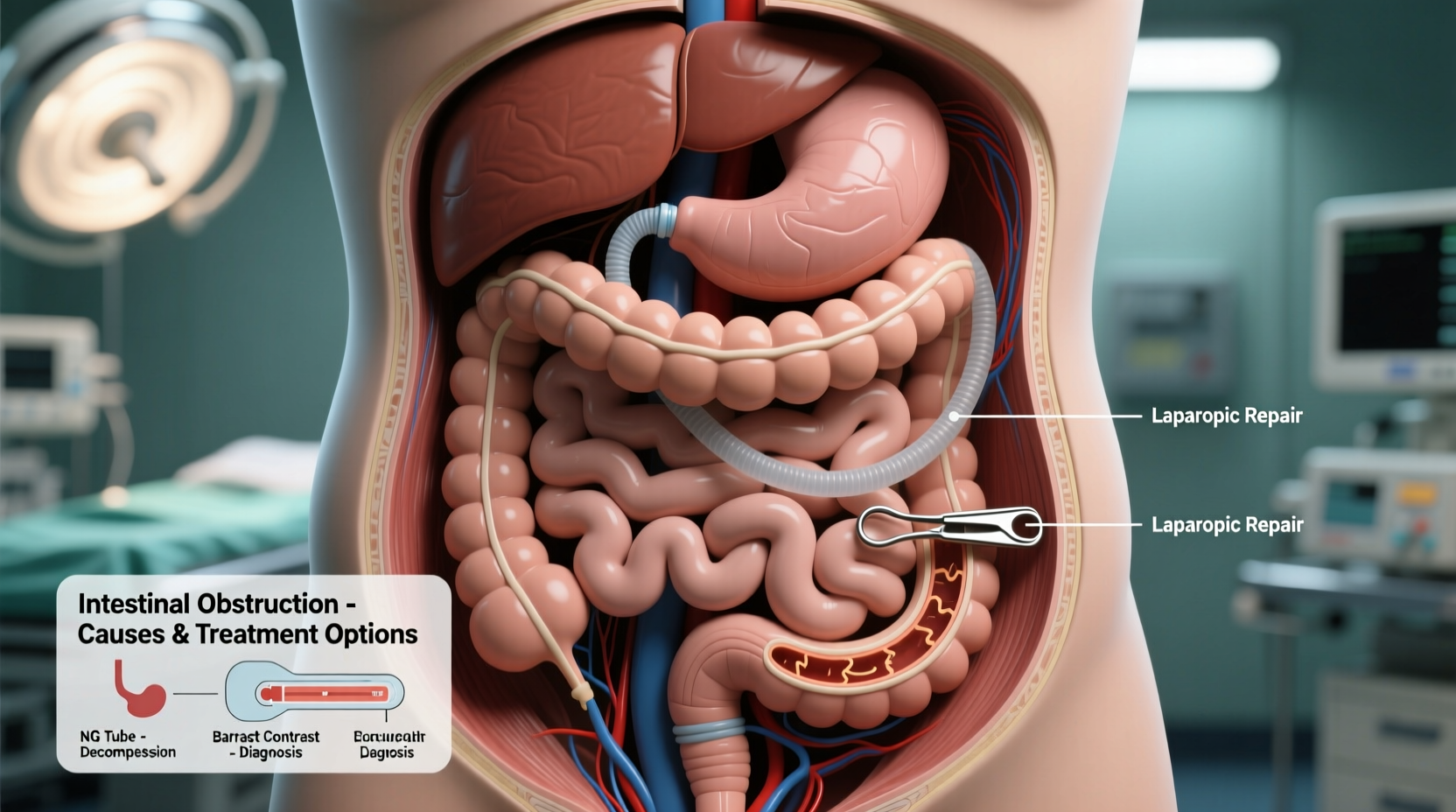
Not all obstructions are the same. They fall into two primary categories: mechanical and functional (also known as pseudo-obstruction). Mechanical obstruction involves a physical barrier blocking the intestine, while functional obstruction results from impaired muscle or nerve function without a physical blockage.
- Mechanical causes: Hernias, adhesions (scar tissue from prior surgery), tumors, impacted feces, volvulus (twisted intestine), and intussusception (telescoping of one segment into another).
- Functional causes: Post-surgical ileus, Parkinson’s disease, diabetes-related neuropathy, electrolyte imbalances, or medications like opioids.
Accurate diagnosis typically involves imaging studies such as abdominal X-rays, CT scans, or ultrasound. Blood tests help assess dehydration, infection, or electrolyte disturbances. Identifying the underlying cause directly influences the choice of treatment strategy.
Tip: Early recognition of symptoms—especially sudden, crampy abdominal pain with vomiting and no bowel movement—warrants immediate medical evaluation.Medical and Non-Surgical Treatment Approaches
When the obstruction is partial and not caused by strangulation or perforation, non-surgical methods may be effective. These are typically used under close hospital monitoring and include:
- Nasogastric (NG) tube decompression: A tube inserted through the nose into the stomach removes accumulated air and fluid, relieving pressure and symptoms.
- Intravenous (IV) fluids: Prevents dehydration and corrects electrolyte imbalances during fasting.
- Bowel rest: No oral intake allows the intestine to recover; nutrition may be provided via IV if needed long-term.
- Medication review: Discontinuation of drugs that slow motility (e.g., anticholinergics, opioids).
In certain cases, such as colonic pseudo-obstruction (Ogilvie’s syndrome), medications like neostigmine may be administered to stimulate bowel contractions. Endoscopic decompression can also be life-saving in these scenarios.
“Non-operative management is successful in up to 70% of adhesive small bowel obstructions, especially when patients show gradual improvement within 48–72 hours.” — Dr. James Lee, Gastroenterologist, Mayo Clinic
When Surgery Becomes Necessary
Surgery is required when there is complete blockage, signs of ischemia (lack of blood flow), perforation, or failure of conservative treatment. Emergency surgery aims to relieve the obstruction, remove damaged tissue, and restore intestinal continuity.
Common surgical procedures include:
- Lysis of adhesions (cutting scar tissue)
- Resection of the affected bowel segment
- Hernia repair
- Stent placement (in select colorectal cancer cases)
Laparoscopic techniques are increasingly used when feasible, offering faster recovery and reduced postoperative complications. However, open surgery remains necessary in complex or emergency cases.
Postoperative Recovery and Monitoring
After surgery, patients are monitored for return of bowel function—indicated by passing gas or stool. Diet is gradually reintroduced, starting with clear liquids. Pain control, early mobilization, and prevention of deep vein thrombosis are standard care components.
Tip: Walking shortly after surgery helps stimulate intestinal motility and reduces the risk of postoperative ileus.Dietary and Lifestyle Adjustments During Recovery
Once the acute phase passes, dietary management plays a critical role in preventing recurrence, especially in those with chronic conditions like Crohn’s disease or recurrent adhesions.
| Phase | Foods to Include | Foods to Avoid |
|---|---|---|
| Initial Recovery | Clear broth, gelatin, diluted juices, water | Solid foods, dairy, high-fiber items |
| Transition Phase | Cooked vegetables, white rice, applesauce, lean poultry | Raw vegetables, nuts, seeds, popcorn |
| Long-Term Maintenance | Low-residue diet if prone to blockages; balanced nutrients otherwise | High-fiber foods in excess, tough meats, skins, shells |
A low-residue diet minimizes undigested material moving through the intestines, reducing strain on narrowed or surgically altered areas. It’s often recommended temporarily after surgery or for individuals with strictures.
Hydration and Fiber Balance
While fiber is generally beneficial, timing and type matter. Soluble fiber (found in oats, bananas, peeled apples) is gentler than insoluble fiber (whole grains, raw veggies). Always pair fiber intake with adequate hydration to prevent impaction.
Prevention and Long-Term Management Checklist
For individuals at risk—such as those with prior abdominal surgeries or inflammatory bowel disease—proactive steps can reduce future episodes.
Checklist: Reducing Risk of Recurrent Intestinal Obstruction- Follow postoperative care instructions precisely after abdominal surgery.
- Stay well-hydrated throughout the day, especially when increasing fiber.
- Eat slowly and chew food thoroughly to aid digestion.
- Avoid foods known to cause blockages (e.g., corn, celery, mushrooms, dried fruit) if you have a history of strictures.
- Manage chronic conditions like Crohn’s disease with regular specialist follow-up.
- Report new or worsening abdominal symptoms promptly to your healthcare provider.
Real-World Example: Managing Adhesive Bowel Obstruction Conservatively
Sarah, a 45-year-old woman with a history of two cesarean sections, presented with cramping abdominal pain, nausea, and constipation. A CT scan revealed a partial small bowel obstruction due to adhesions. She was admitted, placed on bowel rest, and started on IV fluids with NG tube decompression. Over 48 hours, her symptoms improved, and she passed gas. Her diet was slowly advanced, and she was discharged with instructions to avoid heavy lifting and monitor for recurrence. With dietary modifications and awareness, she avoided surgery and remained obstruction-free for over two years.
This case illustrates how timely intervention and conservative management can resolve many obstructions without invasive procedures—provided there are no red flags like peritonitis or ischemia.
Frequently Asked Questions
Can intestinal obstruction resolve on its own?
Partial obstructions, particularly those caused by adhesions, may resolve with non-surgical treatment such as fasting, IV fluids, and NG decompression. However, self-resolution should never be assumed. Medical supervision is essential to monitor for deterioration.
Is it safe to take laxatives for intestinal obstruction?
No. Laxatives are not recommended and can be dangerous in mechanical obstruction, potentially increasing pressure and risk of perforation. Their use should only occur under medical guidance, typically in cases of fecal impaction without true obstruction.
How long does recovery take after treatment?
Recovery varies. For non-surgical cases, improvement may occur within 2–5 days. After surgery, hospital stays range from 3–7 days, with full recovery taking several weeks. Dietary progression and activity levels should be guided by a healthcare provider.
Conclusion: Prioritizing Safety and Timely Care
Fixing intestinal obstruction safely requires a careful balance between medical intervention, surgical necessity, and lifestyle adaptation. There is no one-size-fits-all solution—each case demands individualized assessment and response. The most effective outcomes come from early detection, professional diagnosis, and adherence to treatment protocols. Whether managing a temporary blockage or recovering from surgery, informed decisions make all the difference.
💬 Your health matters. If you or someone you know experiences symptoms of intestinal obstruction, seek medical attention immediately. Share this information to raise awareness and help others recognize the warning signs before complications arise.








