Hard water stains are a common issue for pet owners who use plastic dog feeders. These unsightly white or chalky deposits form when minerals like calcium and magnesium in tap water evaporate, leaving behind residue on surfaces. Over time, this buildup not only makes feeders look unclean but can also harbor bacteria if not addressed properly. Because dogs eat and drink directly from these containers, it’s essential to clean them thoroughly using safe, non-toxic methods that won’t degrade the plastic or leave harmful residues. The good news is that with the right approach, removing hard water stains from plastic dog bowls is both simple and affordable—no harsh chemicals required.
Understanding Hard Water Stains on Plastic
Unlike stainless steel or ceramic, plastic is porous and more prone to staining and odor retention. When hard water dries on the surface of a plastic feeder, the dissolved minerals crystallize and bond with microscopic imperfections in the material. This creates a cloudy film or rough texture that soap and water alone often fail to eliminate. While these stains may seem superficial, they can become breeding grounds for mold and bacteria, especially in damp environments. Additionally, repeated exposure to abrasive cleaners or bleach can accelerate wear, leading to micro-scratches where contaminants accumulate.
The key to effective cleaning lies in understanding that mineral deposits are alkaline in nature, so acidic solutions work best to dissolve them. However, because plastic is sensitive to strong acids and abrasives, balance is crucial: the solution must be potent enough to break down limescale but gentle enough to preserve the integrity of the feeder.
Tip: Always rinse plastic feeders immediately after use to prevent mineral deposits from setting in.Safe and Effective Cleaning Methods
Below are five proven techniques to remove hard water stains from plastic dog feeders. Each method uses common household ingredients, minimizes environmental impact, and prioritizes pet safety.
1. White Vinegar Soak (Most Effective)
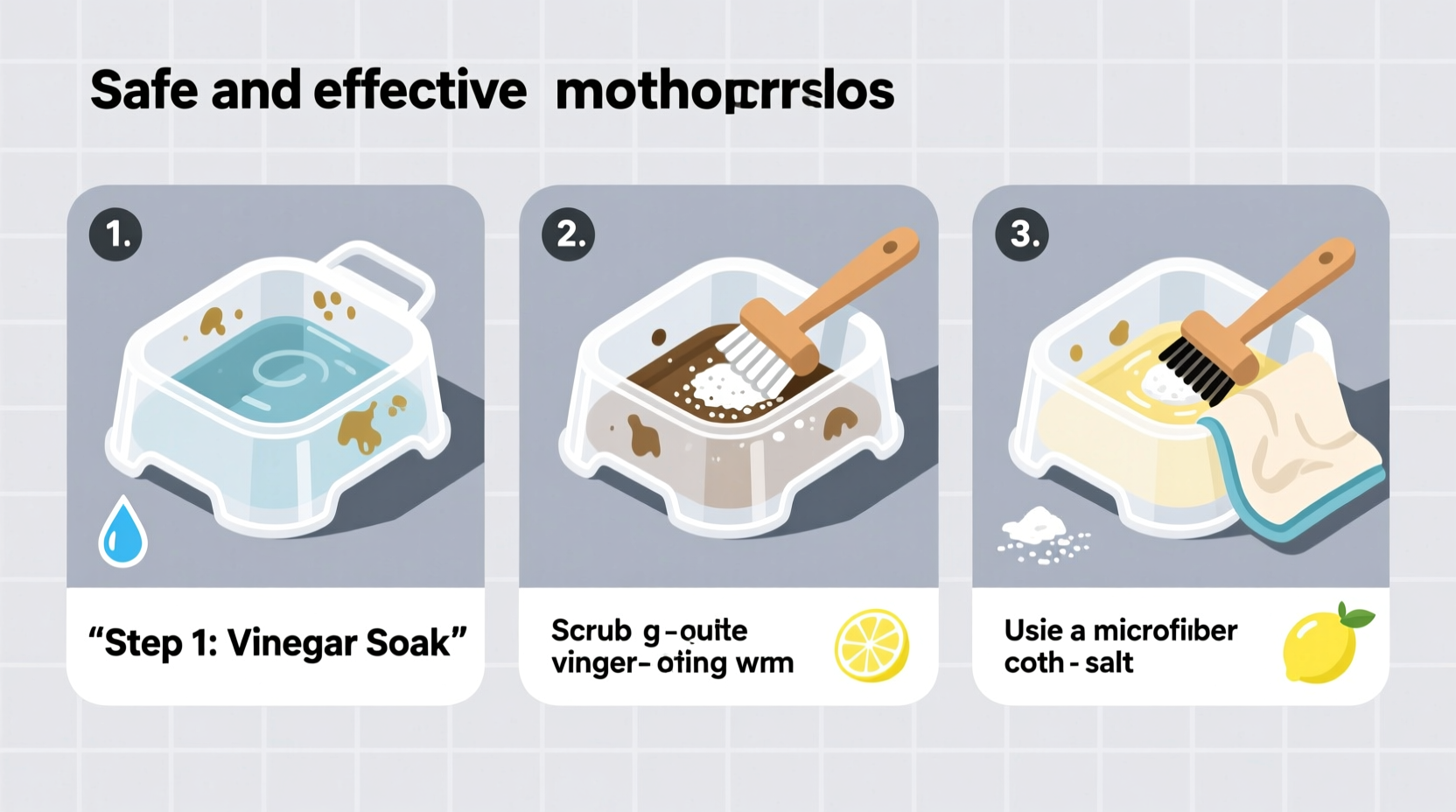
Vinegar is naturally acidic (acetic acid), making it ideal for dissolving mineral buildup. Fill the feeder with equal parts white vinegar and warm water. Let it soak for 30 minutes to an hour. For stubborn stains, extend the soak to two hours. After soaking, scrub gently with a soft sponge or bottle brush, then rinse thoroughly with clean water.
2. Baking Soda Paste (For Scrubbing Power)
Mix two tablespoons of baking soda with one tablespoon of water to form a thick paste. Apply it directly to stained areas and let sit for 10–15 minutes. Use a non-abrasive sponge to scrub in circular motions. Baking soda acts as a mild abrasive without scratching plastic. Rinse completely afterward.
3. Lemon Juice and Sunlight (Natural Bleaching)
Lemon juice contains citric acid, which helps loosen mineral deposits. Squeeze fresh lemon juice into the feeder, add a little water, and place it in direct sunlight for 1–2 hours. UV rays enhance the acid’s cleaning power and help disinfect. Rinse well to remove any citrus residue, which could attract insects or cause digestive upset if ingested.
4. Denture Tablets (Convenient Option)
Denture-cleaning tablets contain effervescent agents and mild acids designed to dissolve plaque and tartar—similar in composition to limescale. Drop one tablet into a full feeder of warm water and let it fizz for 15–30 minutes. Empty the solution, scrub lightly, and rinse. This method is particularly useful for deep-bowled or narrow-necked feeders.
5. Hydrogen Peroxide Disinfection (Final Touch)
After stain removal, sanitize the feeder with a 3% hydrogen peroxide solution. Soak for 10 minutes, then rinse thoroughly. This step kills lingering bacteria and removes any remaining odors without toxic fumes.
“Regular maintenance with natural descalers like vinegar prevents long-term damage and keeps pet feeding gear hygienic.” — Dr. Lena Torres, Veterinary Preventive Care Specialist
Step-by-Step Guide to Deep Cleaning Your Dog Feeder
- Empty and rinse: Remove leftover food and rinse the feeder under warm water.
- Choose your cleaner: Select one of the above methods based on stain severity and available supplies.
- Soak: Submerge or fill the feeder with the chosen solution for the recommended time.
- Scrub gently: Use a soft-bristle brush or sponge to dislodge loosened deposits.
- Rinse thoroughly: Flush with clean water until no residue remains.
- Sanitize: Treat with hydrogen peroxide or a diluted vinegar rinse for added hygiene.
- Air dry: Place upside down on a clean rack to ensure complete drying before reuse.
Do’s and Don’ts When Cleaning Plastic Dog Feeders
| Do’s | Don’ts |
|---|---|
| Use soft sponges or brushes made for baby bottles | Use chlorine bleach regularly—it degrades plastic over time |
| Clean feeders daily with warm soapy water | Put plastic feeders in the dishwasher unless labeled dishwasher-safe |
| Replace feeders every 6–12 months or when cracked | Allow milk or wet food residue to sit overnight |
| Store in a dry, ventilated area | Mix vinegar with bleach—even residual amounts create toxic fumes |
| Label multiple feeders to avoid cross-contamination | Use scented cleaners or dish soaps with dyes |
Real-Life Example: How One Owner Fixed Chronic Staining
Sarah, a dog owner in Denver—known for its extremely hard water—struggled with persistent white film in her Labrador’s plastic water bowl. Despite daily washing, the stains returned within days. She tried commercial lime removers, but noticed the plastic became cloudy and retained a chemical smell. Concerned about her dog’s health, she switched to a weekly deep-cleaning routine using a vinegar soak followed by a hydrogen peroxide rinse. Within three weeks, the bowl regained its clarity, and staining slowed significantly. She now rotates two BPA-free feeders and cleans each one weekly, extending their lifespan and improving hygiene.
Prevention Checklist
- ✓ Wipe feeders dry after each use to minimize water evaporation and mineral deposition
- ✓ Replace tap water with filtered water if your area has high mineral content
- ✓ Avoid leaving water sitting in bowls for more than 12 hours
- ✓ Inspect feeders weekly for early signs of cloudiness or film
- ✓ Perform a deep clean at least once a week
- ✓ Replace old or scratched plastic feeders promptly
Frequently Asked Questions
Can I use apple cider vinegar instead of white vinegar?
Yes, but white vinegar is more effective due to its higher acetic acid concentration (typically 5–7%). Apple cider vinegar works in a pinch but may leave a slight color or scent residue.
How often should I deep-clean my dog’s feeder?
At minimum, perform a deep clean once a week. If your dog eats wet food or you live in a hard water area, consider doing it twice weekly to prevent biofilm formation.
Are there plastic-safe descaling products on the market?
Yes, some pet-safe descaling solutions are formulated specifically for water bowls and humidifiers. Look for products labeled “non-toxic,” “biodegradable,” and “phosphate-free.” Always rinse thoroughly after use.
Conclusion: Keep Feeders Clean, Safe, and Long-Lasting
Maintaining clean, stain-free plastic dog feeders doesn’t require expensive tools or dangerous chemicals. With consistent care and the right natural cleaning methods, you can effectively remove hard water stains while protecting your pet’s health. Regular vinegar soaks, proper drying, and timely replacement of worn feeders go a long way in ensuring your dog’s eating environment stays hygienic and appealing. Start implementing these strategies today—your dog will thank you with better digestion, fresher breath, and fewer allergy flare-ups linked to dirty bowls.
💬 Have a tip that worked wonders for your pet’s feeder? Share your experience in the comments and help other pet owners keep their furry friends healthy and happy!








