Cat litter dust is an unavoidable byproduct of responsible pet ownership. While essential for odor control and clumping performance, this fine particulate can scatter across floors with every paw step and litter box excavation. Over time, accumulated dust not only dulls the appearance of flooring but can also contribute to respiratory irritation in both pets and humans. The challenge lies in removing it thoroughly—without scratching, warping, or otherwise damaging delicate surfaces like hardwood, laminate, tile, or vinyl. Fortunately, with the right tools, timing, and techniques, you can maintain clean floors while preserving their integrity.
Understanding Cat Litter Dust and Its Impact on Flooring
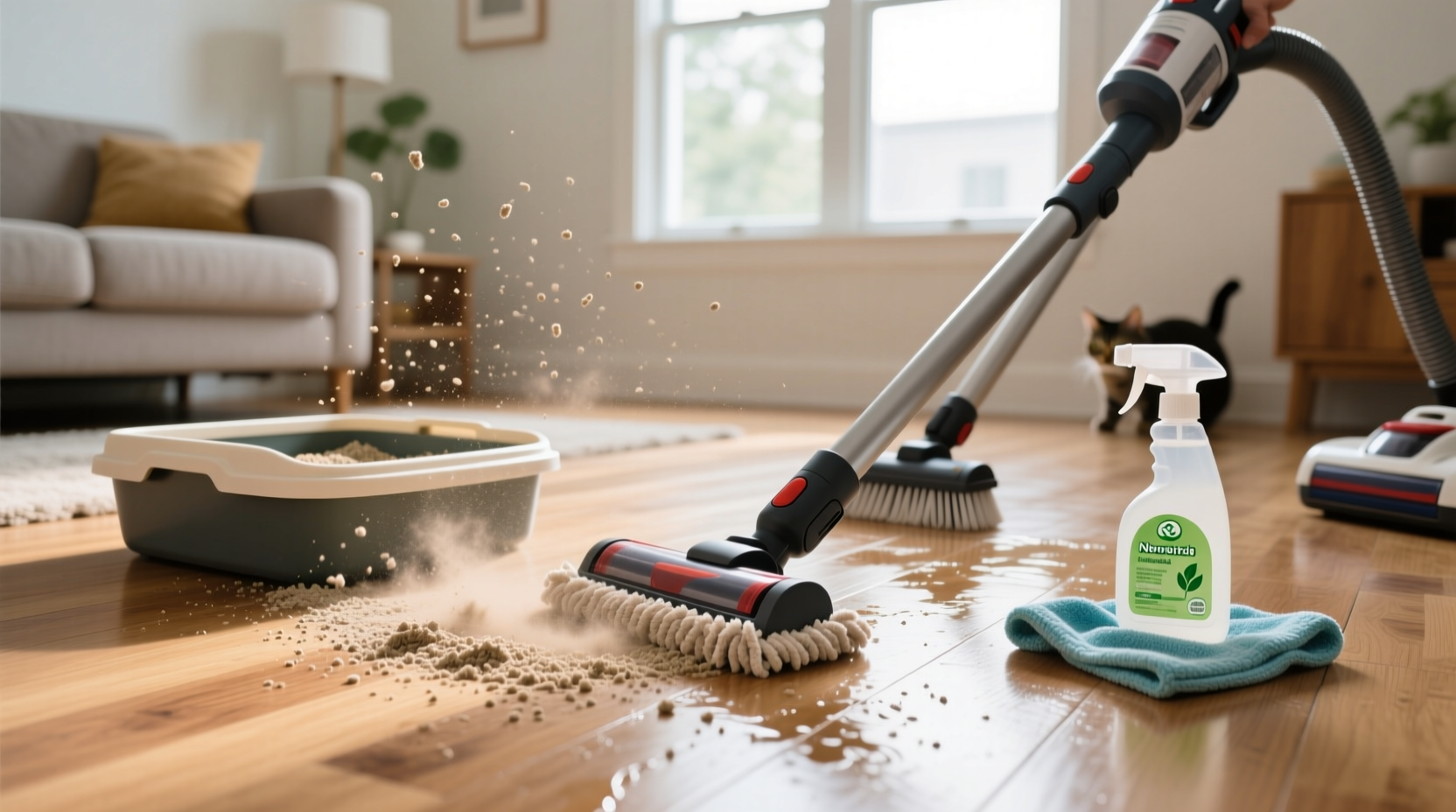
Cat litter dust primarily consists of fine particles from clay, silica, recycled paper, or plant-based materials. These micro-grains are abrasive when dry and can act like sand between a foot and a floor. On hardwood or finished surfaces, repeated exposure can lead to microscopic scratches that accumulate into visible wear. On softer laminates or vinyl, trapped dust can attract moisture, potentially leading to warping or lifting at seams.
Moreover, sweeping dry litter dust often worsens the problem. Traditional brooms kick up clouds of particles, redistributing them onto baseboards, furniture, and even back onto the floor after cleaning. This inefficient method also fails to capture ultrafine silica dust, which remains airborne and settles later.
“Fine litter particles behave like micro-abrasives on flooring. Dry sweeping spreads them; damp mopping without proper prep can grind them in.” — Dr. Lena Torres, Indoor Environmental Health Specialist
Step-by-Step Guide: Safe Removal Process for All Floor Types
Effective dust removal requires a strategic sequence that prioritizes particle containment before contact. Follow this five-step process to eliminate litter dust safely and efficiently:
- Dry Vacuum with HEPA Filtration: Begin by using a vacuum cleaner equipped with a HEPA filter. These filters trap 99.97% of particles as small as 0.3 microns—critical for capturing silica and clay dust. Use a soft brush attachment to avoid scratching. Move slowly in overlapping strokes, focusing on high-traffic zones near the litter box.
- Spot-Treat Clumped Areas: If damp litter or tracked waste has dried into a crust, gently loosen it with a plastic scraper. Avoid metal tools. Dampen a microfiber cloth with warm water and a drop of pH-neutral cleaner to lift residue without spreading grit.
- Damp Mop with Microfiber: After vacuuming, use a slightly damp (not wet) microfiber mop. Excess water damages wood and swells laminate. Wring the mop until it feels barely moist. Move in the direction of wood grain or panel alignment.
- Rinse and Replace Water Frequently: Change mop water when it appears cloudy. Reusing dirty water reintroduces dust and grime. For larger areas, use a two-bucket system—one for cleaning solution, one for rinsing the mop head.
- Air Purification Post-Cleaning: Run an air purifier with a HEPA filter for 30–60 minutes after cleaning to capture any residual airborne particles stirred during the process.
Do’s and Don’ts by Floor Type
| Floor Type | Do’s | Don’ts |
|---|---|---|
| Hardwood | Use dry HEPA vacuuming; damp mop with wood-safe cleaner | Avoid steam mops; never let water pool |
| Laminate | Sweep daily; use manufacturer-approved spray mops | Don’t oversaturate; avoid vinegar-heavy solutions |
| Tile & Grout | Vacuum first, then mop with mild detergent | Don’t skip grout lines; avoid bleach on colored grout |
| Vinyl (LVT/Sheet) | Use soft-bristle broom; damp mop with warm water | Avoid abrasive pads; no wax-based polishes unless specified |
Real Example: Managing Dust in a Multi-Cat Home
Sarah Kim, a pet owner in Portland, Oregon, shares her experience managing litter dust in a home with three cats and light oak hardwood floors. “I used to sweep every morning with a bristle broom, but within six months, I noticed faint scratches near the hallway litter station,” she explains. After consulting a flooring specialist, she switched to a cordless HEPA vacuum used nightly and placed a low-pile washable rug under a covered litter box. She now damps her microfiber mop with a mix of water and a few drops of castile soap twice weekly. “The floors look better than they did a year ago, and my youngest cat’s sneezing stopped,” she says. Her routine reduced visible dust by over 80% within three weeks.
Essential Tools and Supplies Checklist
The right equipment makes all the difference in preventing damage while achieving deep cleaning. Use this checklist to assemble your dust-fighting toolkit:
- HEPA-filter vacuum with soft brush and crevice tools
- Microfiber dry mop (for pre-vacuum dust trapping)
- Flat-head microfiber mop with washable pads
- pH-neutral floor cleaner suitable for your flooring type
- Two buckets (one for solution, one for rinse)
- Plastic scraper for dried clumps
- Washable mat or rug for under the litter box
- HEPA air purifier (optional but recommended)
FAQ: Common Questions About Cat Litter Dust Removal
Can I use a steam mop on floors with cat litter dust?
No, steam mops are not recommended, especially on hardwood and laminate. The high heat and moisture can warp boards, delaminate surfaces, and push dust deeper into pores. Stick to dry vacuuming followed by a lightly dampened microfiber mop.
Is vinegar safe for removing litter dust residue?
Vinegar is acidic and can degrade finishes on hardwood and some laminates over time. While effective for disinfecting tile, it should be avoided on sensitive surfaces. Opt for pH-balanced cleaners specifically formulated for your floor type.
How can I reduce litter dust at the source?
Choose low-dust or dust-free litter made from walnut shells, pine, or recycled paper. Place the litter box on a textured mat designed to trap particles. Consider a top-entry or hooded box with built-in baffles to contain scatter.
Final Recommendations for Long-Term Floor Protection
Prevention is just as important as cleaning. Positioning a high-quality mat under and around the litter box captures up to 90% of tracked particles before they reach flooring. Wash the mat weekly. Regularly trim your cat’s paws fur to minimize litter clinging. Finally, schedule bi-weekly deep cleans and monitor traffic patterns—if dust consistently spreads down one hallway, consider relocating the litter station or adding an additional mat barrier.
Maintaining clean, undamaged floors in a household with cats doesn’t require extreme measures—just consistency and the right approach. By integrating HEPA vacuuming, smart mopping techniques, and preventive strategies, you protect your investment while ensuring a healthier environment for your family and pets.
🚀 Take action today: Audit your current cleaning routine, gather the right tools, and implement one new habit this week. Your floors—and your cat—will thank you.








