Tear stains—those reddish-brown streaks that often appear under a dog’s eyes—are a common concern for pet owners, especially those with light-colored breeds like Maltese, Shih Tzus, or Poodles. While not usually a sign of serious illness, persistent staining can indicate underlying issues and detract from your dog’s appearance. The good news is that many tear stains can be reduced or eliminated with consistent, gentle care. This guide outlines practical, safe, and proven strategies to manage and prevent tear stains effectively.
Understanding Tear Stains in Dogs
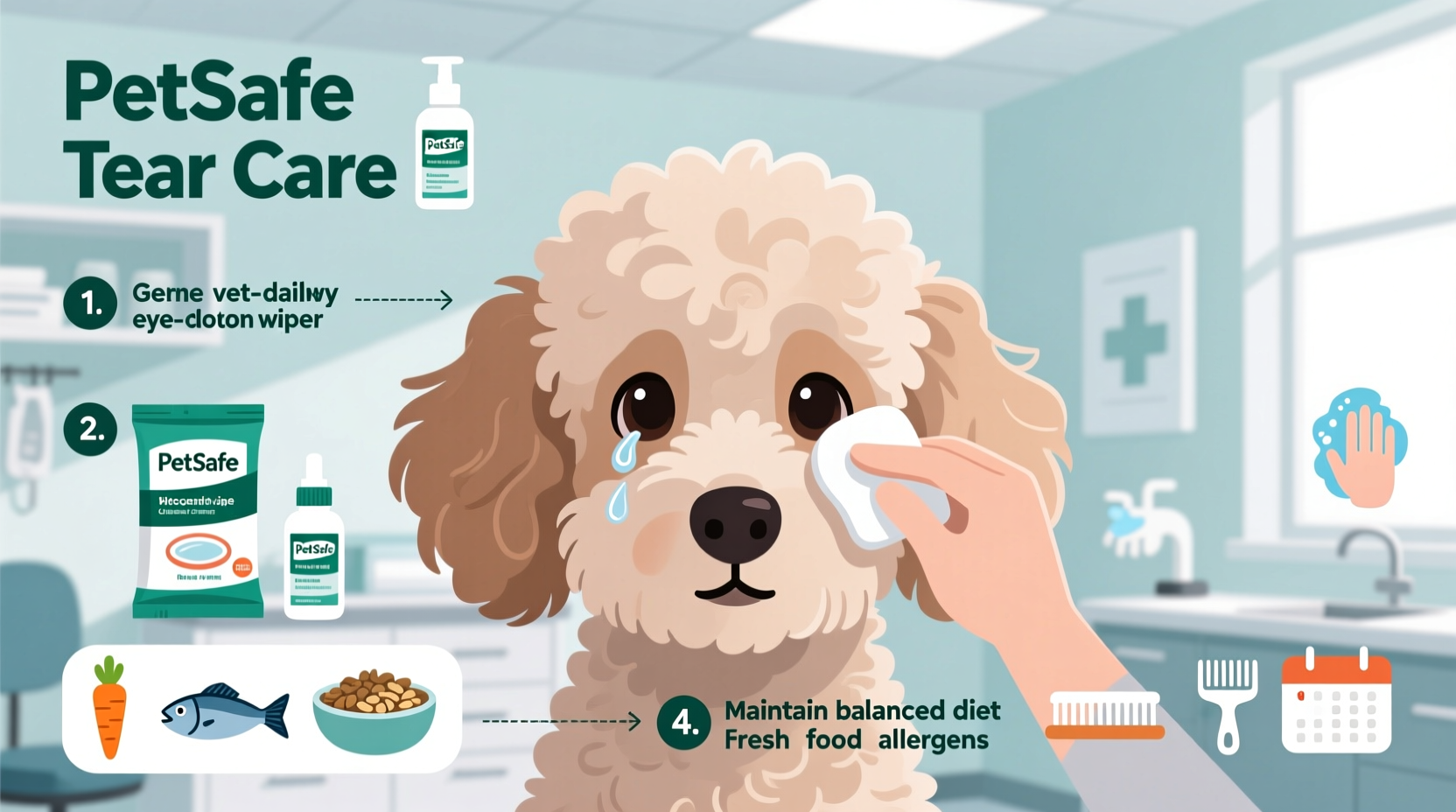
Tear stains result from an overflow of tears, known as epiphora, which leads to moisture buildup around the eyes. When tears mix with bacteria, yeast, and porphyrins (natural compounds in tears), they oxidize and create a reddish-brown discoloration on the fur. While occasional tearing is normal, chronic staining may point to anatomical factors, allergies, diet, or eye irritation.
Brachycephalic (short-nosed) breeds are particularly prone due to shallow eye sockets and blocked tear ducts. However, any dog can develop tear stains, especially if their facial hair stays damp for long periods.
“Tear staining isn’t just cosmetic—it can signal discomfort or infection. Addressing the root cause is key.” — Dr. Rachel Nguyen, DVM, Small Animal Specialist
Step-by-Step Guide to Daily Tear Stain Prevention
Prevention starts with routine care. A consistent daily regimen minimizes bacterial growth and keeps the area dry and clean. Follow this simple timeline:
- Morning Inspection: Check your dog’s eyes for discharge, redness, or excessive wetness.
- Gentle Wipe: Use a soft, lint-free cloth dampened with warm water or a vet-approved eye-cleaning solution to wipe from the inner to outer corner of each eye.
- Dry Thoroughly: Pat the area dry to prevent moisture buildup, which fosters bacteria and yeast.
- Hair Trimming: Keep facial hair around the eyes trimmed short to reduce trapping of tears and debris.
- Nighttime Check: Repeat cleaning if needed, especially before bedtime.
Effective Home Remedies and Natural Solutions
Many pet owners prefer natural approaches before turning to commercial products. While results vary, several time-tested remedies have shown promise when used safely and consistently:
- Chamomile Tea Rinse: Brew cooled, unsweetened chamomile tea and use it to gently wipe the stained area. Chamomile has mild antibacterial and soothing properties.
- Coconut Oil Application: Apply a tiny amount around (not in) the eye area to create a moisture barrier and discourage bacterial growth.
- Distilled Water Flush: Use a dropper to flush the eyes with distilled water weekly to clear irritants (avoid tap water due to mineral content).
Never apply hydrogen peroxide, vinegar, or lemon juice directly to the eye area—they can cause irritation and worsen the condition.
Choosing the Right Products: Do’s and Don’ts
The market is full of tear stain wipes, powders, and supplements. Not all are created equal. The table below helps you evaluate options wisely.
| Product Type | Do’s | Don’ts |
|---|---|---|
| Wipes | Choose alcohol-free, fragrance-free wipes with witch hazel or aloe. | Avoid wipes with parabens or artificial dyes. |
| Supplements | Look for ones with probiotics, cranberry extract, or yucca (may reduce porphyrin production). | Don’t use antibiotics like tylosin without veterinary guidance. |
| Cleansing Solutions | Opt for pH-balanced, ophthalmic-safe formulas. | Never use human eye drops unless prescribed. |
When Diet Plays a Role
What your dog eats can influence tear staining. Low-quality kibble with fillers, artificial colors, and high grain content may contribute to inflammation and excessive tearing. Consider switching to a limited-ingredient, grain-free, or fresh food diet rich in whole meats and vegetables.
Additionally, hard water or metal bowls can leach minerals into your dog’s drinking water, promoting staining. Switch to stainless steel, ceramic, or glass bowls, and offer filtered or distilled water daily.
“We noticed a dramatic reduction in our Maltese’s tear stains within three weeks of switching to a fresh-food diet and using filtered water.” — Lisa Tran, Dog Owner and Groomer
Mini Case Study: Bella the Bichon Frise
Bella, a 3-year-old Bichon Frise, had developed severe tear stains despite regular grooming. Her owner initially tried over-the-counter wipes with no lasting improvement. After a vet visit, it was discovered that Bella had mild allergies to dust mites and corn-based ingredients in her food.
The treatment plan included:
- Switching to a hypoallergenic, grain-free diet
- Using daily chamomile wipes and keeping her face dry
- Adding a probiotic supplement to support gut and skin health
- Weekly cleaning of bedding and air filters at home
Within six weeks, Bella’s tear stains faded significantly. Her owner continues the routine to prevent recurrence, proving that addressing both internal and external factors yields the best results.
Checklist: Your Tear Stain Management Routine
Use this checklist daily or weekly to stay on track:
- ☑ Wipe eyes gently with a clean, damp cloth every morning
- ☑ Dry the eye area thoroughly after wiping
- ☑ Trim facial hair around the eyes regularly
- ☑ Clean food and water bowls daily with hot, soapy water
- ☑ Provide filtered or distilled drinking water
- ☑ Inspect eyes for redness, swelling, or discharge
- ☑ Review dog food ingredients for allergens and fillers
- ☑ Schedule annual vet checkups to rule out medical causes
Frequently Asked Questions
Can I use baby shampoo to clean my dog’s face?
No. Even “tear-free” baby shampoos contain chemicals that can irritate a dog’s sensitive skin and eyes. Stick to pet-safe facial cleansers or plain warm water.
Are tear stains permanent?
No, most tear stains are not permanent. With consistent care and proper treatment of underlying causes, staining typically fades over several weeks. Severely stained fur may need trimming for faster cosmetic improvement.
Should I be worried if my dog suddenly develops tear stains?
Sudden onset warrants attention. It could signal an infection, ingrown eyelash, blocked duct, or allergy flare-up. Consult your veterinarian to rule out medical conditions.
Conclusion: Take Action for a Healthier, Happier Pet
Tear stains don’t have to be a permanent fixture on your dog’s face. With a combination of daily hygiene, dietary improvements, and mindful product selection, you can significantly reduce or eliminate unsightly marks. More importantly, addressing tear stains often improves your dog’s comfort and overall eye health. Start today with one small change—whether it’s switching to filtered water or establishing a morning cleaning routine—and build from there. Your dog deserves to look and feel their best.
💬 Have a tear stain remedy that worked for your dog? Share your experience in the comments and help fellow pet owners find relief!








