Dog owners facing anxious pets often turn to chew toys as a go-to solution. Whether it's thunderstorms, separation, or general nervousness, these toys are marketed as tools for calming. But is there real therapeutic value, or are they simply distractions that keep dogs busy while the root issue remains unaddressed? The answer lies somewhere in between—and understanding the difference can make all the difference in how you support your dog’s emotional well-being.
Chewing is a natural behavior for dogs. From puppyhood to adulthood, gnawing serves multiple purposes: teething relief, jaw development, mental stimulation, and stress management. When anxiety enters the picture, the act of chewing can activate physiological responses that reduce tension. But not all chew toys are created equal, and their effectiveness depends on the type of anxiety, the dog’s temperament, and how the toy is used within a broader care plan.
The Science Behind Chewing and Canine Calming
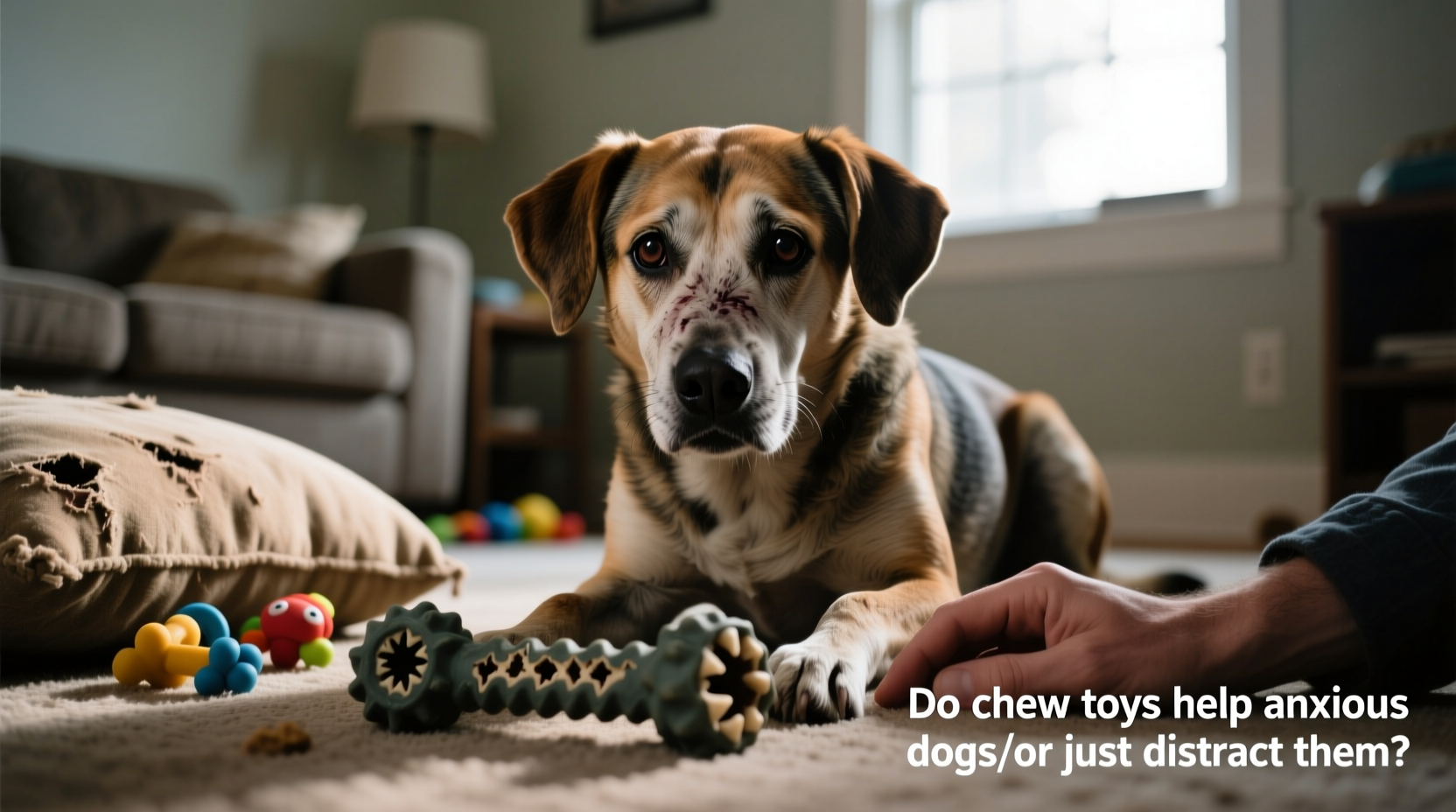
Chewing triggers the release of endorphins—natural brain chemicals associated with pleasure and pain relief. For dogs, this biochemical process is similar to how humans might feel calmer after repetitive motions like knitting or fidgeting. According to Dr. Karen Overall, a board-certified veterinary behaviorist, “The rhythmic motion of chewing can have a self-soothing effect, much like deep breathing or meditation does for people.”
“Chewing isn’t just a pastime—it’s a neurologically grounding activity. For anxious dogs, it provides a predictable, controllable action during unpredictable situations.” — Dr. Sarah Thornton, DVM, Veterinary Behavior Consultant
In one 2020 study published in *Applied Animal Behaviour Science*, researchers observed cortisol levels (a key stress hormone) in dogs given access to appropriate chew toys during isolation. Dogs with chew access showed significantly lower cortisol spikes than those without, suggesting that chewing has measurable physiological benefits beyond mere distraction.
This doesn’t mean chew toys cure anxiety. Instead, they serve as a coping mechanism—an outlet that helps dogs manage their emotional state in the moment. Think of it like handing someone a stress ball during a high-pressure meeting. It won’t solve the underlying stressor, but it gives them a way to regulate their response.
Distraction vs. Relief: What’s the Difference?
It’s important to distinguish between distraction and true anxiety relief. A distraction diverts attention temporarily. For example, giving a dog a squeaky toy during a fireworks display may cause them to focus on the noise rather than the storm—but if the underlying fear persists, the dog remains stressed once the squeaking stops.
True relief, on the other hand, involves reducing the dog’s internal state of arousal. Chew toys that promote prolonged, focused chewing—especially those filled with treats or designed for extended engagement—can shift a dog from a heightened fight-or-flight state into a more relaxed, parasympathetic mode.
Tip: Look for chew toys that require effort—such as treat-dispensing puzzles or long-lasting rubber chews—rather than single-use novelties. These encourage sustained chewing, which supports deeper calming.For instance, a Kong filled with frozen peanut butter forces slow, deliberate licking and gnawing. This engages the dog’s problem-solving skills and prolongs the calming effect far beyond a simple bite-and-release toy. In contrast, a plush toy ripped apart in seconds offers little more than momentary diversion.
Choosing the Right Chew Toy for Anxiety
Not every chew toy is suitable for anxious dogs. Some may even worsen anxiety if they break easily, pose choking hazards, or fail to hold interest. The best options are durable, safe, and mentally engaging.
| Type of Chew Toy | Best For | Limitations |
|---|---|---|
| Treat-dispensing rubber toys (e.g., Kong, West Paw) | Sustained chewing, mental engagement, separation anxiety | May require supervision; some dogs lose interest if not stuffed properly |
| Natural chews (bully sticks, antlers) | Long-duration chewing, instinctual satisfaction | Potential digestive risks; not suitable for all dogs |
| Interactive puzzle chews | Mental stimulation, focus redirection | Can frustrate easily anxious dogs if too difficult |
| Soft plush toys with hidden textures | Gentle mouthing, comfort-seeking behavior | Often destroyed quickly; not ideal for heavy chewers |
When selecting a chew toy, consider your dog’s anxiety triggers. A dog with separation anxiety may benefit most from a long-lasting treat-filled toy left behind when you depart. A noise-sensitive dog might do better with a soft, malleable chew they can mouth quietly during a storm.
Case Study: Max, the Storm-Anxious Border Collie
Max, a 4-year-old Border Collie, would tremble, pace, and hide under the bed during thunderstorms. His owner, Jenna, initially tried covering his crate and playing white noise, but Max remained visibly distressed. After consulting a trainer, she introduced a new protocol centered around a stuffed Kong.
She began using a Kong filled with frozen banana, yogurt, and oats—one he’d never had before—only during storm forecasts. Over time, Max learned to associate the arrival of the special chew with the onset of storms. Instead of retreating, he now runs to his mat and focuses intently on working through the treat.
While Max still notices thunder, his physiological signs of stress—panting, pacing, whining—have decreased dramatically. Video monitoring shows him spending up to 45 minutes engaged with the chew during moderate storms, compared to previous episodes of panic lasting hours.
This isn’t a cure. Max still benefits from a pressure wrap and a soundproofed room. But the chew toy has become a critical component of his anxiety management toolkit—providing both distraction and genuine calming through structured engagement.
How to Use Chew Toys Effectively: A Step-by-Step Guide
Simply handing a chew toy to an anxious dog isn’t enough. To maximize its impact, follow a consistent, intentional approach:
- Identify the trigger: Determine what causes your dog’s anxiety—separation, loud noises, visitors, car rides, etc.
- Select an appropriate chew: Choose a durable, engaging option suited to the situation and your dog’s chewing strength.
- Introduce during calm moments: First present the toy when your dog is relaxed so they form a positive association.
- Use strategically before the event: Begin the chewing session just before the anticipated stressor (e.g., 15 minutes before leaving the house).
- Pair with other calming methods: Combine with pheromone diffusers, calming music, or anxiety wraps for layered support.
- Monitor and adjust: Observe your dog’s response. If they ignore the toy or destroy it too quickly, try a different type or stuffing method.
- Rotate toys to maintain novelty: Keep a few high-value chews in rotation to prevent boredom and preserve their special status.
Common Mistakes That Undermine Effectiveness
- Using low-value or inappropriate chews: Giving a dog a toy they don’t enjoy reduces motivation and shortens engagement time.
- Overuse: If a chew toy is available all the time, it loses its special appeal during stressful moments.
- Ignoring safety: Some chews splinter or create choking hazards. Always supervise initially and choose vet-approved options.
- Expecting a quick fix: Chew toys work best as part of a broader behavioral strategy, not as standalone solutions.
- Failing to match the chew to the anxiety level: A mild chew may not be sufficient for severe anxiety; intense stressors may require additional intervention.
FAQ: Common Questions About Chew Toys and Dog Anxiety
Can chew toys replace medication or training for anxiety?
No. While chew toys can significantly reduce symptoms, they are not a substitute for professional treatment. Severe anxiety often requires behavior modification training, environmental adjustments, and sometimes medication prescribed by a veterinarian. Chew toys are best used as a supportive tool within a comprehensive plan.
How long should a dog chew to get the calming benefit?
There’s no fixed duration, but research suggests at least 10–15 minutes of continuous chewing is needed to initiate noticeable relaxation. Longer sessions—20 to 45 minutes—are more effective, especially for acute stress. The goal is sustained engagement, not just brief nibbling.
Are edible chews safe for daily use?
Some are, but many high-calorie or hard chews (like rawhide or antlers) should be limited due to dental wear or digestive concerns. Opt for digestible, veterinarian-recommended options if using frequently. Always monitor your dog and consult your vet about dietary impact.
Checklist: Is Your Chew Toy Helping or Just Distracting?
Use this checklist to evaluate whether your chew toy is providing real anxiety relief:
- ✅ Does your dog engage with it for more than 10 minutes?
- ✅ Do visible signs of stress (panting, shaking, vocalizing) decrease during or after chewing?
- ✅ Is the toy reserved for anxiety-inducing situations only?
- ✅ Is it safe, durable, and appropriate for your dog’s size and chewing style?
- ✅ Are you combining it with other calming strategies (e.g., quiet space, background noise)?
- ✅ Have you noticed improvement over time with consistent use?
If most answers are “yes,” your chew toy is likely doing more than distracting—it’s actively helping your dog cope.
Conclusion: More Than Just a Chew
Chew toys aren’t magic cures, but they’re far more than simple distractions. When chosen wisely and used intentionally, they tap into a dog’s innate behaviors to deliver measurable calming effects. They offer a safe, accessible way for dogs to self-regulate during stressful moments—bridging the gap between instinct and emotional control.
The key is intentionality. A chew toy handed out randomly may keep a dog busy. One integrated into a thoughtful anxiety management routine can transform their experience of stress. Pair it with training, environmental adjustments, and professional guidance when needed, and you create a holistic support system that respects your dog’s emotional needs.
💬 Have a chew toy that changed your anxious dog’s life? Share your story in the comments—your experience could help another pet parent find hope and practical solutions.








