
When you're shopping for dog clothes, the price tags can vary wildly — from $8 at a discount retailer to over $150 for a designer coat. It’s easy to assume the higher price is just branding, but the truth is more nuanced. Your dog may not care about logos, but they *do* feel the difference in fabric quality, cut precision, and overall comfort. The real question isn’t whether designer clothes look better — it’s whether they offer tangible benefits that affect your dog’s well-being, mobility, and long-term health.
This isn’t just about fashion; it’s about function. From overheating risks to restricted movement, the clothing choices you make can impact your dog’s daily experience. Let’s explore what actually changes when you go from budget to boutique — and which differences your pup will truly notice.
Fit and Comfort: Where Designers Often Win
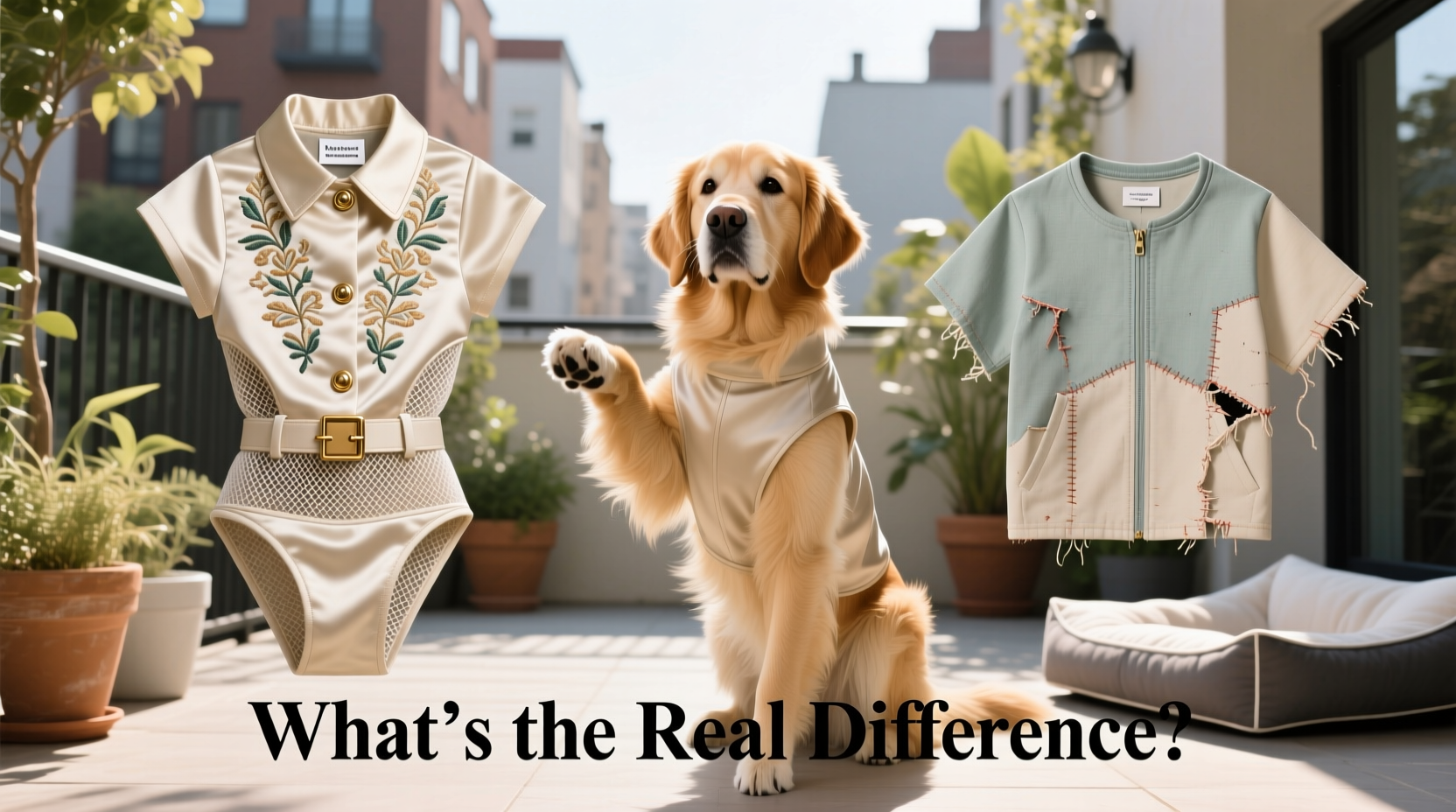
One of the most significant differences between high-end and low-cost dog apparel lies in the pattern engineering. Designer brands typically invest in breed-specific or size-range-specific tailoring. This means seams are placed to avoid pressure points, necklines are shaped to prevent chafing, and leg openings allow full range of motion.
In contrast, many mass-market dog clothes use one-size-fits-all patterns or oversimplified cuts. These often result in tight armpits, constrictive chest bands, or excess fabric that bunches under the belly. Dogs may tolerate these garments, but they don’t enjoy them — and discomfort can manifest as reluctance to walk, excessive scratching, or even behavioral changes like irritability.
“Dogs communicate discomfort through body language, not words. A poorly fitting garment can cause stress without obvious signs until it becomes chronic.” — Dr. Lena Reyes, Veterinary BehavioristTip: Always check that your dog can move freely in their clothes — watch for hunched shoulders, stiff gait, or attempts to rub the garment off.
Material Quality and Skin Health
The fabric used in dog clothing directly impacts skin health and thermoregulation. Designer brands frequently use breathable, moisture-wicking materials like organic cotton, merino wool, or technical performance blends. These fabrics reduce the risk of overheating and minimize irritation for dogs with sensitive skin.
Budget options, on the other hand, often rely on polyester-heavy blends or untested synthetic textiles. These materials trap heat, increase sweating (yes, dogs sweat through their paws and can overheat), and may contain dyes or chemical finishes that trigger allergic reactions.
A 2022 study published in the Journal of Veterinary Dermatology found that prolonged exposure to low-grade synthetic fabrics increased the incidence of contact dermatitis in dogs by 37% compared to natural fiber alternatives.
Common Fabric Types Compared
| Fabric Type | Typical Use | Potential Issues |
|---|---|---|
| Polyester Blends | Budget outerwear, holiday sweaters | Poor breathability, static buildup, overheating |
| Acrylic Wool | Cheap knitwear | Itchy, prone to pilling, traps moisture |
| Organic Cotton | Designer basics, liners | Breathable, hypoallergenic, soft |
| Merino Wool | Premium winter gear | Naturally temperature-regulating, odor-resistant |
| Recycled Performance Fabrics | High-end technical wear | Durable, stretchy, eco-friendly |
Durability and Long-Term Value
While a $10 dog hoodie might seem like a bargain, its lifespan often ends after a few washes. Seams unravel, elastic bands snap, and prints crack. Designer pieces, by comparison, are built with reinforced stitching, durable zippers, and wash-tested construction.
This isn’t just about longevity — it’s about safety. Loose threads, broken fasteners, or frayed edges can become chew hazards. A dog may ingest fabric strips or get a paw caught in a damaged seam. Higher-quality garments are less likely to degrade quickly, reducing these risks.
Consider this: a $120 designer raincoat that lasts two winters offers better value than three $40 coats that fail after one season — both financially and in terms of pet safety.
Real Example: The Beagle Who Hated His Sweater
Max, a 3-year-old beagle from Portland, would consistently stop walking and sit down whenever his owner put on his holiday sweater. At first, the behavior was dismissed as stubbornness. But after switching to a higher-cut, cotton-blend designer version with raglan sleeves, Max walked normally again. A vet later noted mild redness under his front legs — a sign of friction from the original sweater’s tight armholes. The new fit eliminated the pressure, and Max stopped resisting dressing entirely.
Safety and Functional Design Features
Many designer dog clothes include thoughtful safety upgrades that budget lines skip. These include:
- Reflective trims for nighttime visibility
- Non-slip interior linings for active breeds
- Rear access openings for quick potty breaks
- Compatibility with harnesses and seatbelts
- Hypoallergenic dyes and OEKO-TEX certified fabrics
These features aren’t just luxuries — they solve real problems. For example, rear access eliminates the need to remove the entire garment during walks, reducing stress and exposure in cold weather. Reflective details enhance visibility during evening walks, lowering accident risk.
In contrast, cheaper garments often lack these integrations. Zippers may be flimsy, snaps may pop open, and reflective elements may be purely decorative rather than functional.
Checklist: Choosing Dog Clothes That Prioritize Your Pup’s Experience
- Check the seam placement — avoid inner-leg or armpit stitching.
- Ensure full range of motion — your dog should walk, sit, and lift their leg naturally.
- Feel the inside — no rough labels, scratchy tags, or loose threads.
- Test the closure — Velcro shouldn’t pull fur; zippers should glide smoothly.
- Verify wash instructions — machine-washable is ideal for hygiene.
- Look for safety features — reflectivity, breakaway elements, or harness compatibility.
- Smell the fabric — strong chemical odors may indicate unsafe dyes or finishes.
FAQ: What Owners Really Want to Know
Will my dog know the difference between cheap and expensive clothes?
Not in terms of brand prestige, but yes in physical sensation. Dogs notice tightness, itching, overheating, and restriction. A well-fitted, soft, breathable garment feels better — and they’ll show it through relaxed behavior and willingness to wear it.
Are designer dog clothes worth the cost?
For dogs with sensitivities, active lifestyles, or frequent outdoor exposure, yes. If you’re dressing your dog regularly — especially in extreme weather — investing in one or two high-quality pieces often outperforms multiple low-cost replacements in comfort, safety, and durability.
Can cheap dog clothes be dangerous?
They can pose risks if poorly constructed. Exposed wires in hoods, weak seams, or toxic dyes have been reported in some imported budget apparel. Always inspect new clothes before use, and avoid items without clear labeling or safety certifications.
Final Thoughts: Prioritize Function Over Fashion
The gap between designer and cheap dog clothes isn’t just about price — it’s about intention. Budget garments are often designed for novelty and short-term use. Designer pieces, particularly from reputable pet-focused brands, are engineered with canine ergonomics in mind.
Your dog won’t care if their coat says “Paris” on the side, but they *will* react to how it feels on their body. The best clothing supports their natural movement, protects their skin, and enhances safety — not just appearance.
You don’t need a closet full of luxury dogwear. But for essential items like winter coats, rain gear, or therapeutic layers, choosing well-constructed, thoughtfully designed clothing pays off in comfort, durability, and peace of mind.
🚀 Ready to upgrade your pup’s wardrobe? Start with one high-quality piece that addresses their biggest need — warmth, protection, or mobility — and feel the difference thoughtful design makes.








