Finding the right puppy isn’t just about cuteness—it’s about compatibility. A truly charming puppy brings joy, energy, and companionship that aligns with your household’s rhythm. Whether you live in a quiet countryside cottage or a bustling city apartment, there’s a family-friendly breed ready to become part of your daily life. The key lies in understanding temperament, size, care needs, and long-term commitment. With thoughtful selection and preparation, welcoming a puppy can be one of the most rewarding experiences for any family.
Choosing the Right Breed for Your Family
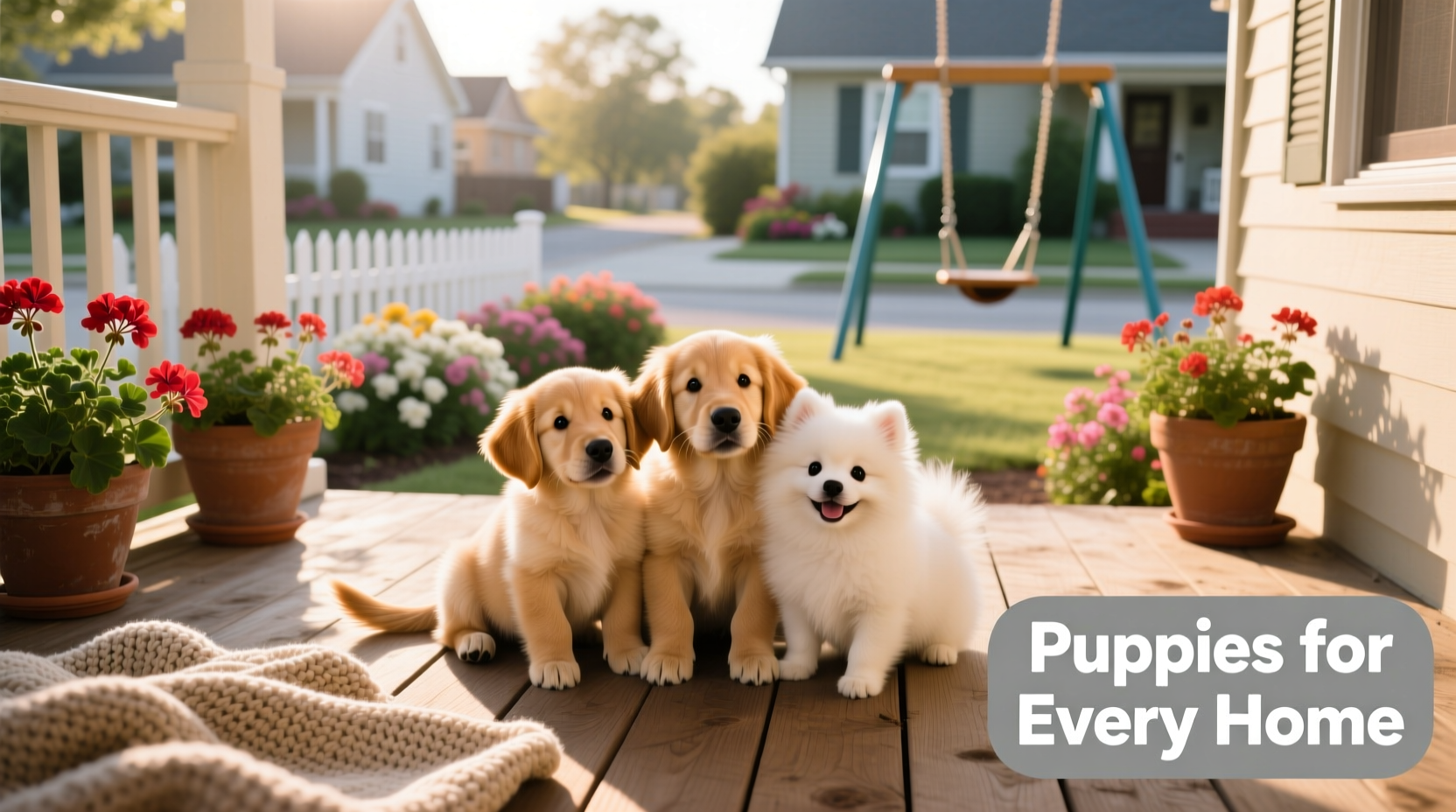
Not all puppies are created equal when it comes to fitting into family life. Some breeds are naturally patient with children, while others thrive on routine and calm environments. Temperament, exercise requirements, grooming demands, and trainability should all factor into your decision.
For families with young children, breeds like the Golden Retriever, Cavalier King Charles Spaniel, and Beagle stand out for their gentle dispositions and playful nature. These dogs tend to be forgiving of clumsy handling and enjoy being included in family activities. Smaller households or those in apartments may find success with Bichon Frises or Pugs—compact, affectionate, and well-suited to indoor living.
Tip: Spend time around a breed before committing. Attend dog parks or meetups to observe behavior firsthand.Top 5 Family-Friendly Breeds at a Glance
| Breed | Average Size | Kid-Friendly Traits | Exercise Needs | Grooming Level |
|---|---|---|---|---|
| Golden Retriever | Large (55–75 lbs) | Patient, loyal, eager to please | High – daily walks + play | Moderate – weekly brushing |
| Cavalier King Charles Spaniel | Small (13–18 lbs) | Gentle, affectionate, adaptable | Low to moderate | Moderate – regular combing |
| Beagle | Medium (20–30 lbs) | Playful, curious, social | Moderate – needs mental stimulation | Low – short coat |
| Bichon Frise | Small (12–18 lbs) | Joyful, resilient, loves attention | Moderate – enjoys games and walks | High – professional grooming recommended |
| Pug | Small (14–18 lbs) | Charming, funny, thrives indoors | Low – short bursts of activity | Moderate – facial wrinkle care needed |
Preparing Your Home for a New Puppy
Bringing a puppy home is more than buying toys and food. It requires thoughtful environmental adjustments to ensure safety and smooth integration. Puppies are naturally curious and prone to chewing, so securing loose cables, storing cleaning supplies out of reach, and blocking off restricted areas is essential.
Create a designated space—like a cozy corner with a bed, water bowl, and chew-safe toys—where your puppy can retreat when overwhelmed. Crate training, when done positively, supports housebreaking and provides a secure den-like environment. Introduce family members gradually, especially if you have very young children, to prevent overstimulation.
“Puppies mirror the energy they receive. A calm, structured introduction helps build confidence and trust from day one.” — Dr. Lena Torres, Veterinary Behaviorist
Step-by-Step: First 7 Days with Your New Puppy
- Day 1: Arrive home during a quiet time. Let the puppy explore the safe zone at their pace. Offer water and a small meal.
- Day 2: Begin basic commands like “sit” using treats. Limit interactions to short, positive sessions.
- Day 3: Start potty training. Take the puppy outside every 1–2 hours and after meals or naps.
- Day 4: Introduce a collar and leash indoors. Practice walking beside you with encouragement.
- Day 5: Allow supervised interaction with all family members. Reinforce gentle touch and quiet voices.
- Day 6: Visit the vet for initial checkup and vaccination plan. Discuss parasite prevention.
- Day 7: Establish a consistent feeding, walking, and bedtime schedule. Celebrate small milestones.
Building a Harmonious Household
The charm of a family-friendly puppy shines brightest when everyone participates in their care. Assign age-appropriate responsibilities to children—such as filling water bowls or helping with treat-based training—to foster empathy and accountability. At the same time, supervise all interactions to prevent accidental roughness or resource guarding.
Socialization is critical between 8 and 16 weeks of age. Expose your puppy to different people, sounds, surfaces, and environments in a controlled, positive way. Enroll in a puppy kindergarten class, which offers structured learning and peer interaction under professional guidance.
Tip: Use high-value treats (like boiled chicken or cheese) during socialization to create positive associations.Mini Case Study: The Thompson Family Adopts a Beagle
The Thompsons, a family of four with two children aged 5 and 8, wanted a dog that could keep up with their active weekends but also relax during homework time. After researching several breeds, they chose a Beagle named Daisy. They prepared by puppy-proofing their backyard, setting up a crate near the living room, and attending a local puppy class.
In the first month, they focused on consistency: feeding at the same times, using identical commands, and rotating chew toys to discourage furniture gnawing. By week six, Daisy was reliably signaling to go outside and had learned “sit,” “stay,” and “come.” The children earned “Puppy Helper” badges for assisting with walks and feeding, reinforcing responsibility without overwhelming them.
Today, Daisy joins hikes, curls up during movie nights, and even greets the school bus with joyful barks. The Thompsons credit their success to early structure and shared involvement.
Essential Checklist Before Bringing a Puppy Home
- ✔️ Schedule a vet appointment within the first week
- ✔️ Purchase food recommended by breeder or shelter
- ✔️ Buy collars, ID tags, and a secure leash
- ✔️ Stock up on chew-safe toys and puzzle feeders
- ✔️ Install baby gates or pens to limit access
- ✔️ Choose a consistent name and basic commands
- ✔️ Designate a potty area outdoors
- ✔️ Enroll in a puppy training course
- ✔️ Discuss household rules with all family members
- ✔️ Microchip and register your puppy
Frequently Asked Questions
How do I know if a puppy is truly family-friendly?
Look for signs of comfort around children—approaching calmly, tolerating gentle petting, and not reacting fearfully to sudden movements. Reputable breeders and shelters often assess temperament and can guide you toward suitable matches. Avoid puppies that are overly aggressive or withdrawn.
Can small puppies be safe with toddlers?
Yes, but supervision is non-negotiable. Small breeds can be injured by unintentional drops or rough handling. Teach children how to pet gently and never disturb a dog while eating or sleeping. Pairing a sturdy small breed like a Bichon Frise with proper education reduces risks significantly.
What if someone in the family has allergies?
Consider low-shedding breeds such as the Poodle, Shih Tzu, or Maltese, which produce fewer allergens. However, no dog is completely hypoallergenic. Spend time with the breed first and maintain rigorous cleaning routines—vacuum frequently, bathe your dog monthly, and use air purifiers.
Nurturing a Lifelong Bond
A charming puppy grows into a devoted companion when raised with patience, love, and consistency. The early months set the tone for years of shared adventures, quiet evenings, and unconditional loyalty. Every home—big or small, busy or serene—can find its perfect match with the right preparation and mindset.
💬 Ready to welcome a family-friendly puppy? Share your story, ask questions, or tell us about your dream dog in the comments below. Let’s build a community of happy homes and wagging tails together.








