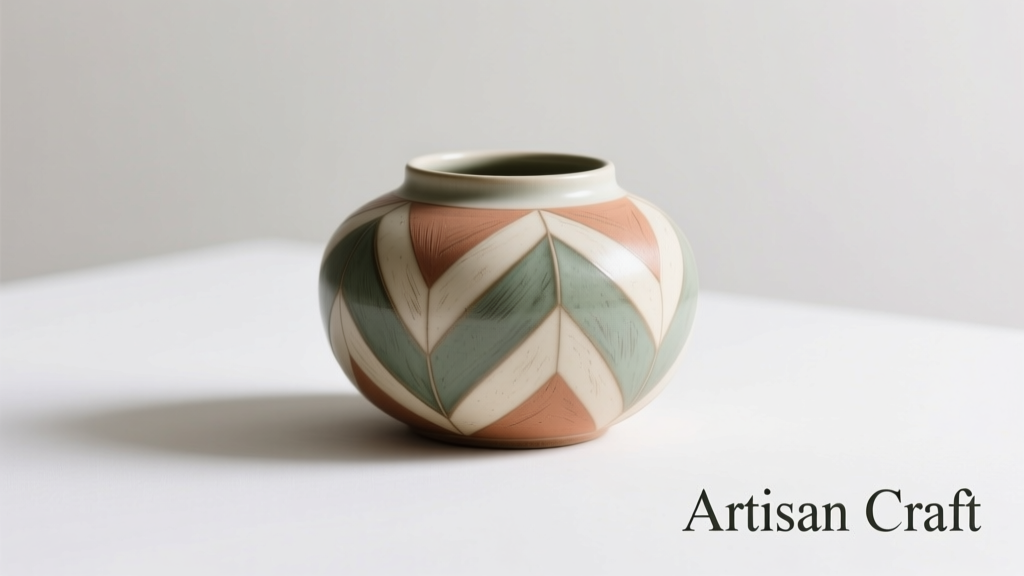
Types of CE & EU Soup Bowls: Design, Function, and Cultural Significance
Soup bowls in Europe and countries adhering to CE standards come in a variety of shapes and styles, each designed for specific types of soups, dining customs, and culinary traditions. From formal European settings to casual family meals, the right bowl enhances both the presentation and enjoyment of the dish. Below is a detailed overview of the most common types of soup-serving vessels used across Europe and in CE-compliant tableware.
Soup Bowls
The classic soup bowl features a rounded shape with tall, curved sides to retain heat and prevent spills. While traditionally deep and cylindrical, modern variations include wide and shallow designs ideal for chunky soups containing large ingredients like vegetables, meats, or beans.
Advantages
- Excellent heat retention
- Versatile for various soup types
- Available in ornate, lidded versions for formal dining
- Common in European households and restaurants
Limitations
- Shallow versions may cool faster
- Lidded models are typically for presentation, not everyday use
Best for: Clear broths, creamy soups, formal dinners, and traditional European meals
Chowder Bowls
Thicker-walled and sturdier than standard soup bowls, chowder bowls have a wide base and are often equipped with handles. Designed to hold dense, creamy soups like clam chowder or bean stews, these bowls are made from durable ceramic or stoneware that can withstand high temperatures.
Advantages
- Heat-resistant and durable
- Handles provide safe serving of hot soups
- Ideal for thick, hearty soups
- Common in coastal European regions
Limitations
- Bulkier and heavier than standard bowls
- Less suitable for light or clear soups
Best for: Creamy soups, chowders, bean stews, and rustic dining settings
Soup Plates
Commonly used in French and Mediterranean cuisine, soup plates are broad, flat, and slightly deep—resembling a cross between a plate and a shallow bowl. This design allows for easy spooning and provides ample space for garnishes, croutons, or additional ingredients.
Advantages
- Promotes even cooling for immediate consumption
- Great for soups with solid components
- Doubles as a serving dish for stews or braised dishes
- Traditional in French and Southern European dining
Limitations
- Poorer heat retention due to wide surface area
- Higher risk of spills when filled
Best for: Thin broths, vegetable soups, French onion soup, and multi-component dishes
Ramen & Soup Jant Bowls
While ramen bowls originate from Japanese cuisine, their spacious, deep design has gained popularity in European fusion and Asian-inspired restaurants. These large bowls accommodate generous portions of broth, noodles, meat, and vegetables. The "soup jant" (or "zhon" dish), used in Eastern European and regional cooking, shares a similar deep, bathtub-like structure designed for hearty, family-style soup servings.
Advantages
- High capacity for complex meals
- Excellent for noodle-based soups
- Culturally versatile and visually impressive
- Used in both home and professional kitchens
Limitations
- Requires more table space
- May be too large for individual portions
- Not standardized in traditional European table settings
Best for: Ramen, pho, borscht, and other noodle or ingredient-rich soups
Ladles – The Essential Serving Tool
A ladle is not a bowl, but an indispensable accessory for serving soup from a pot or serving dish to individual bowls. Typically made from stainless steel, wood, or heat-resistant plastic, ladles come in various sizes to accommodate different soup consistencies—from thin broths to chunky stews.
Advantages
- Enables controlled, mess-free serving
- Ideal for portioning soups with solid ingredients
- Durable and easy to clean
- Available in ergonomic designs for comfort
Considerations
- Requires proper storage to avoid contamination
- Material affects heat resistance and longevity
Best for: Serving soups in bulk, buffets, family meals, and commercial kitchens
| Type | Best For | Heat Retention | Cultural Use | Key Features |
|---|---|---|---|---|
| Soup Bowl | Creamy & clear soups | High | European, Formal Dining | Round, deep, sometimes lidded |
| Chowder Bowl | Thick, creamy soups | Very High | Coastal Europe, Casual Dining | Thick walls, handles, sturdy |
| Soup Plate | Thin soups, stews | Moderate | French, Mediterranean | Wide, flat, shallow depth |
| Raman / Jant Bowl | Noodle soups, hearty meals | High | Fusion, Eastern European | Large, deep, high capacity |
| Ladle (Accessory) | Serving & portioning | N/A | Universal | Stainless steel, ergonomic handle |
Expert Tip: When selecting soup bowls for commercial or home use, ensure they meet CE safety standards for food contact materials—especially if they will be used in dishwashers or ovens. Look for markings such as "CE" or "Food Safe" on ceramic or plastic products.
Designs of CE EU Soup Bowls: Function, Culture, and Innovation
Soup bowls in the European Union are more than just functional tableware—they reflect regional culinary traditions, aesthetic preferences, and evolving design standards. Designed under CE compliance for safety and quality, EU soup bowls must meet strict material and production regulations. Their design is shaped by a combination of cultural heritage, practical usage, and modern dining trends. Below is a detailed exploration of the key design elements that define CE-compliant soup bowls across Europe.
Key Design Elements of EU Soup Bowls
Material Composition
Ceramic and porcelain dominate the European market due to their excellent balance of durability, heat retention, and aesthetic versatility. These materials are non-porous when properly glazed, making them hygienic, dishwasher-safe, and resistant to staining—essential qualities for both home and commercial kitchens.
Tempered glass offers a sleek, modern appearance and is often used in upscale restaurants or minimalist home settings. It provides excellent clarity, allowing the vibrant colors of soups to shine through, and is generally microwave-safe.
Stainless steel is preferred in institutional settings such as hospitals, schools, and outdoor catering due to its impact resistance and longevity. While less common in traditional dining, it excels in heat retention and is ideal for serving hot soups in cold environments.
For eco-conscious consumers, stoneware and recycled ceramic blends are gaining popularity, offering sustainable alternatives without sacrificing performance.
Patterns, Colors, and Aesthetic Trends
Traditional European designs often feature iconic patterns such as the Blue Willow, Meissen florals, or Delftware motifs, reflecting centuries-old craftsmanship. These ornate styles remain popular in heritage-focused households and formal dining settings.
In contrast, contemporary EU designs favor minimalist aesthetics—clean lines, matte finishes, and neutral tones like white, soft grey, navy blue, or earthy beige. These colors ensure versatility, allowing bowls to complement a wide range of tableware and interior styles.
Commercial and branded establishments often customize bowls with logos, restaurant names, or food illustrations to reinforce brand identity. Some high-end cafes use color psychology—such as warm terracotta or deep green—to enhance the perceived flavor and richness of the soup.
Bold, vibrant colors (e.g., cobalt, crimson, or emerald) are typically reserved for decorative or seasonal collections, adding visual interest to dining spaces without compromising functionality.
Size, Shape, and Regional Variations
EU soup bowl dimensions vary significantly based on regional cuisine and serving customs:
- Celadon-style bowls – Common in Northern Europe for hearty chowders and stews, these deeper, wider bowls typically hold 400–600 ml, offering ample capacity for thick, chunky soups.
- French soup plates – Shallow and wide (approx. 20–25 cm diameter), these resemble flat bowls or deep plates. They allow for elegant presentation of delicate consommés or bisques and are easier to balance on the table during formal service.
- Chinese-inspired bowls – Though not native to Europe, these compact, stackable designs (usually 250–350 ml) are widely adopted in EU fast-casual dining and home kitchens for their space-saving efficiency and ergonomic grip.
Modern EU designs increasingly prioritize ergonomic handling, with slightly flared rims and rounded edges for comfort, while maintaining stackability for storage and transport.
Functional and Practical Design Considerations
Beyond aesthetics, EU soup bowls must meet rigorous functional demands:
- Microwave and oven safety – Most ceramic and glass bowls are labeled for microwave use, with some porcelain variants suitable for oven reheating.
- Dishwasher durability – Glazes must resist cracking or fading after repeated washing, a key requirement for both domestic and commercial use.
- Thermal shock resistance – High-quality materials prevent cracking when hot soup is poured into a cold bowl, a critical safety and performance factor.
- Stackability and storage efficiency – Especially important in restaurants and catering, where space optimization reduces operational costs.
- CE marking compliance – Ensures materials are food-safe, free from hazardous substances like lead or cadmium, and manufactured under regulated conditions.
| Design Feature | Common Options | Best Use Cases |
|---|---|---|
| Material | Ceramic, Porcelain, Glass, Stainless Steel | Home dining (ceramic), commercial kitchens (steel), modern aesthetics (glass) |
| Capacity | 250ml (small), 400ml (standard), 600ml (large) | Appetizers (250ml), main courses (400–600ml) |
| Shape | Deep bowl, shallow plate, tapered stackable | Thick soups (deep), clear soups (shallow), bulk storage (stackable) |
| Color & Finish | White, grey, navy, patterned, matte, glossy | Everyday use (neutral), branding (custom), decor (vibrant) |
Important: Always verify that soup bowls bear the CE mark and are labeled as food-safe, microwave-safe, and dishwasher-safe. Avoid unglazed or poorly fired ceramics, which may leach harmful substances when exposed to acidic soups. Proper care extends lifespan and maintains hygiene—avoid sudden temperature changes and use non-abrasive cleaners.
How to Choose CE EU Soup Bowls: A Complete Guide
Selecting the right CE and EU-compliant soup bowl involves more than just aesthetics—it requires understanding how the bowl will be used, its material composition, design compatibility, and functional dimensions. Whether for home use, hospitality, or commercial food service, choosing the right soup bowl ensures safety, durability, and an enhanced dining experience.
End Use: Match Bowl to Purpose
The intended use of the soup bowl is one of the most important factors in selection. Different environments demand different performance characteristics, from durability in high-traffic restaurants to elegance in fine dining.
- Everyday home use: Opt for durable, easy-to-clean materials like ceramic or porcelain that withstand frequent washing and daily handling.
- Formal or special occasions: Choose bowls with refined finishes and elegant designs that complement table settings and elevate presentation.
- Commercial kitchens (restaurants, cafes): Prioritize heat retention, chip resistance, and stackability. Look for heavy-duty ceramic or reinforced porcelain that can endure constant use and high-temperature dishwashing.
- Outdoor or catering events: Consider insulated or break-resistant options such as double-walled glass or high-grade melamine (where permitted under EU food contact regulations).
Best all-rounder: The ceramic soup bowl remains a classic choice—offering excellent heat retention, durability, and timeless appeal suitable for both casual meals and formal dining.
Material: Performance Meets Safety
The material directly affects functionality, safety, and compliance with EU food contact regulations. All materials must be non-toxic, lead-free, and labeled with CE certification for food safety.
- Ceramic & Porcelain: Ideal for home and restaurant use. Naturally heat-retentive, microwave- and dishwasher-safe, and available in a wide range of styles. Ensure glazes are food-safe and certified.
- Double-walled glass: Offers excellent thermal insulation, keeping soups hot longer while remaining cool to the touch. Perfect for presentation-focused settings but more fragile—best for low-impact environments.
- Stainless steel (insulated): Highly durable and hygienic, often used in commercial catering. Retains heat effectively and resists corrosion, but may alter the sensory experience of dining.
- Tempered glass: Visually appealing and modern, but less suitable for heavy use or dishwashers unless specifically rated. Avoid for children’s meals or high-turnover kitchens.
Compliance note: Always verify that materials meet EU Regulation (EC) No 1935/2004 on materials and articles intended to come into contact with food.
Design & Pattern: Style with Function
The visual appeal of a soup bowl should harmonize with the overall aesthetic of the kitchen, restaurant theme, or dining occasion.
- Traditional settings: Floral patterns, bordered rims, or hand-painted designs add elegance and warmth, ideal for family dinners or formal gatherings.
- Modern or minimalist decor: Solid colors, matte finishes, and clean geometric shapes create a sleek, contemporary look. Neutral tones like white, gray, or black offer versatility.
- Themed restaurants: Custom patterns or culturally inspired designs (e.g., Asian-inspired ramen bowls) enhance authenticity and customer experience.
- Color psychology: Warm colors (reds, oranges) can stimulate appetite, while cool tones (blues, greens) offer a calming effect—choose based on the desired ambiance.
Pro tip: Neutral-colored bowls provide maximum flexibility, allowing the food itself to be the visual centerpiece.
Size & Shape: Optimize for Soup Type
The shape and capacity of the bowl influence portion control, heat retention, and the overall eating experience.
- Deep, rounded bowls (300–500 ml): Best for hearty soups like chowder, stew, or ramen. The depth helps retain heat and prevents spills.
- Shallow soup plates (200–300 ml): Suitable for consommés, broths, or light bisques. Offer an elegant presentation and pair well with formal courses.
- Wide, flat bowls: Provide greater surface area, ideal for soups with toppings (croutons, herbs, cheese) and easy access with spoons.
- Angular or square bowls: Modern and stylish, often used in upscale restaurants for a contemporary look—ensure rounded corners for ease of cleaning.
Serving insight: A 400ml capacity is a versatile standard for most adult portions, balancing generous serving with practical handling.
Professional Recommendation: For most customers, recommend high-quality CE-certified ceramic soup bowls with a classic rounded shape and neutral finish. These offer the best balance of durability, heat retention, aesthetic flexibility, and compliance with EU safety standards. For commercial clients, suggest testing a sample batch under real kitchen conditions to assess chip resistance and ergonomics before bulk ordering.
| Use Case | Recommended Material | Optimal Size (ml) | Key Features |
|---|---|---|---|
| Everyday home dining | Ceramic / Porcelain | 350–400 | Dishwasher-safe, chip-resistant, neutral design |
| Formal dining / Events | Premium porcelain / Double-walled glass | 300–400 | Elegant finish, heat-insulated, presentation-focused |
| Restaurant / Café | Heavy-duty ceramic | 400–500 | Stackable, thermal shock-resistant, CE certified |
| Catering / Outdoor use | Insulated stainless steel or melamine* | 400–500 | Break-resistant, lightweight, retains heat |
Additional Considerations
- CE & EU Compliance: Ensure all soup bowls are labeled with CE marking and comply with EU food contact material regulations to guarantee safety and legal sale within Europe.
- Thermal Shock Resistance: Important for ceramic and glass bowls—should withstand sudden temperature changes (e.g., hot soup in a cold bowl) without cracking.
- Eco-Friendliness: Choose recyclable materials and low-impact manufacturing processes. Some brands offer lead-free, eco-glazed ceramics.
- Stackability & Storage: Commercial kitchens benefit from stackable designs that save space and reduce breakage during storage.
- Brand & Origin: Reputable EU-based manufacturers often provide better traceability, quality control, and customer support.
Scenarios of CE EU Soup Bowl Usage Across Settings
The CE EU soup bowl is a versatile and essential piece of tableware designed to meet European safety, hygiene, and quality standards. Whether used in homes, restaurants, or formal events, these bowls are engineered for functionality, durability, and aesthetic appeal. The "CE" marking ensures compliance with EU regulations for materials, thermal resistance, and food safety, making them ideal for both everyday and specialized dining scenarios. Below is a comprehensive exploration of how CE-certified European soup bowls are utilized across different environments.
1. Residential Kitchens: Everyday Elegance and Practicality
In individual households, the CE EU soup bowl serves as a reliable and stylish option for serving a variety of liquid-based dishes. These include delicate preparations such as bisque, consommé, broth, or bouillon, where presentation and heat retention are key. Many modern CE-certified soup bowls come with optional lids, enhancing their utility for storage, reheating, and portion control.
- Design Features: Available in ornate or minimalist styles, often with tapered rims and shallow depths ideal for clear soups and cream-based varieties.
- Material Considerations: Most are crafted from microwave-safe and dishwasher-friendly materials like vitrified porcelain, tempered ceramic, or high-grade melamine—perfect for frequent home use.
- Family-Friendly Options: Larger, deeper, and sturdier models are recommended when soup is served as a main course, especially for heartier meals like chowder or goulash.
- Maintenance: CE certification guarantees non-toxic glazes and resistance to thermal shock, ensuring long-term durability even with daily washing and reheating.
2. Commercial Use: Built for High-Volume Service
In professional environments such as restaurants, hotels, catering companies, and institutional cafeterias, CE-standard soup bowls are selected for their resilience and compliance with health and safety codes. These bowls must endure constant use, industrial dishwashing cycles, and frequent temperature changes without cracking or degrading.
- Durability: Typically made from heavy-duty porcelain, stoneware, or stainless steel—materials known for chip resistance and thermal stability.
- Variety of Sizes and Shapes: From small 6-ounce cups for amuse-bouches to 16-ounce deep bowls for hearty stews, commercial kitchens rely on standardized sizing for portion control and menu consistency.
- Functional Design: Many feature ergonomic handles, pour spouts, or internal dividers for serving soup with accompaniments (e.g., croutons or herbs separately).
- Aesthetic Appeal: In fine dining, elegant bowl designs enhance plating, contributing to the overall visual presentation and guest experience.
3. Formal Dining: Elevating the Culinary Experience
During formal meals, particularly in European traditions, the choice of soup bowl plays a significant role in table setting and course progression. The French-style soup bowl, often part of a matched dinner service, is typically used for the first course and is designed to complement the sophistication of the meal.
- Course-Specific Use: Serves light broths, veloutés, or cream soups with precision, allowing the aroma and color of the dish to be appreciated.
- Visual Impact: Ornate detailing, gold rims, hand-painted patterns, or translucent fine china elevate the elegance of the table setting.
- Serving Etiquette: Often presented with a saucer and spoon, the bowl may be pre-warmed to maintain optimal serving temperature.
- Material Excellence: Fine bone china or premium porcelain is common in formal contexts, all CE-certified for food contact safety and lead-free composition.
4. Cultural Context: Regional Preferences and Dining Traditions
The design and use of CE EU soup bowls are deeply influenced by regional European customs, culinary practices, and personal preferences. These cultural nuances shape everything from bowl size and shape to material choice and serving style.
- German and Russian Preferences: Favor larger, deeper, and more robust bowls capable of holding thick, hearty soups like borscht, goulash, or potato soup. These are often made from stoneware or heavy ceramic for superior heat retention.
- French and Italian Traditions: Emphasize elegance and refinement, favoring smaller, shallower bowls with smooth, delicate linings. These are ideal for clear consommés, bisques, or garlic-based soups like soupe à l’oignon.
- Serving Practices: In Mediterranean regions, soup may be served in wide, flat bowls to encourage sipping, while in Central and Eastern Europe, deep bowls accommodate bread-dipping and chunky ingredients.
- Meal Integration: The type of soup determines the bowl—light broths in finely crafted vessels, while substantial chowders or legume-based soups are served in larger, functional bowls.
| Usage Scenario | Typical Materials | Key Features | Recommended For |
|---|---|---|---|
| Residential Kitchens | Porcelain, Ceramic, Melamine | Dishwasher & microwave safe, lid options, varied designs | Daily meals, family dinners, reheating leftovers |
| Commercial Kitchens | Heavy-duty Porcelain, Stoneware, Stainless Steel | Chip-resistant, stackable, ergonomic handles | Restaurants, hotels, catering services |
| Formal Dining | Fine China, Bone China, Premium Porcelain | Ornate designs, gold accents, heat retention | Gala dinners, weddings, upscale events |
| Cultural & Regional Use | Region-specific ceramics and metals | Size and shape tailored to local cuisine | Traditional meals, ethnic restaurants, cultural events |
Expert Tip: When selecting CE EU soup bowls for any setting, always verify the CE marking to ensure compliance with EU food safety standards. Look for additional indicators like "microwave safe," "dishwasher safe," and "thermal shock resistant" to match the bowl to its intended use.
Additional Considerations
- Choose bowls with a capacity between 8–12 oz for standard servings; larger sizes (14–16 oz) are better for main-course soups.
- For formal events, consider renting or investing in premium sets to maintain consistency and elegance.
- In commercial kitchens, opt for stackable designs to save storage space and improve workflow efficiency.
- Regularly inspect bowls for cracks or glaze damage, especially in high-use environments, to maintain hygiene and safety standards.
- Pair soup bowls with matching saucers, spoons, or trays to create a cohesive and professional presentation.
In summary, the CE EU soup bowl transcends mere functionality—it is a symbol of quality, safety, and cultural expression. Whether used in a cozy home kitchen or a Michelin-starred restaurant, these bowls enhance the dining experience through thoughtful design, material excellence, and adherence to rigorous European standards. Understanding the specific needs of each setting ensures that the right bowl is chosen for the right occasion, maximizing both utility and aesthetic appeal.
Frequently Asked Questions About CE EU Soup Bowls
Q1: Are CE EU soup bowls dishwasher-safe?Yes, many CE EU-certified soup bowls—particularly those made from ceramic, porcelain, and tempered glass—are designed to be dishwasher-safe. These materials are generally durable and resistant to high temperatures commonly used in modern dishwashers.
However, the long-term performance and finish of the bowl can depend on several factors:
- Glaze Quality: Poorly applied or low-quality glazes may crack or fade over repeated dishwasher cycles.
- Decorative Elements: Bowls with metallic trims (e.g., gold or silver accents) are often not dishwasher-safe, as the metal can tarnish or peel.
- Manufacturer Guidelines: Always check the care instructions provided by the manufacturer. Some premium or handcrafted pieces may recommend hand washing to preserve appearance and integrity.
For best results, place soup bowls on the top rack of the dishwasher to minimize exposure to intense water pressure and heat, and avoid overcrowding to prevent chipping.
Q2: What is the purpose of a lid on a soup bowl?A soup bowl with a lid serves multiple functional and aesthetic purposes across different cultures and settings:
- Heat Retention: The primary function is to keep the soup warm for longer periods, especially during serving or transport. This is particularly useful in restaurants, meal prep, or outdoor dining.
- Portion Control & Hygiene: Lidded bowls help maintain cleanliness and prevent spills, making them ideal for takeout containers or individual servings.
- Cultural Tradition: In many Asian cuisines (e.g., Japanese ramen or Korean soups), lidded ceramic bowls are traditionally used to enhance the sensory experience and preserve aroma.
- Decorative Appeal: Lids can complement the design of a dinnerware set, offering a cohesive and elegant presentation at the table.
- Versatility: Some lidded bowls double as food storage containers, making them practical for refrigeration or reheating.
When purchasing a lidded soup bowl, ensure the lid is made from a compatible material (e.g., microwave-safe silicone or heat-resistant glass) if you plan to reheat food with it.
Q3: Can CE EU soup bowls be used in the microwave?In general, most CE EU-compliant soup bowls made from ceramic, porcelain, or microwave-safe glass are suitable for microwave use. The CE marking indicates that the product meets European safety, health, and environmental standards, including thermal resistance.
However, there are important exceptions and precautions:
- Metal Accents: Bowls with metallic paint, trim, or embedded materials (like some decorative patterns) should never be microwaved, as they can spark or cause damage.
- Cracks or Damage: Even small cracks can expand under heat, leading to breakage. Always inspect the bowl before microwaving.
- Lid Material: If the bowl comes with a lid, verify that the lid is also microwave-safe—plastic lids may melt, and certain ceramics may overheat.
- Thermal Shock: Avoid placing a cold bowl directly into a high-powered microwave. Allow it to reach room temperature first to prevent cracking.
To test if a bowl is microwave-safe, place it in the microwave with a cup of water for 30 seconds. If the bowl remains cool while the water heats up, it's likely safe. If the bowl gets hot, it's absorbing microwave energy and should not be used.
Q4: Can soup bowls be used for foods other than soup?Absolutely! CE EU soup bowls are highly versatile and can be used for a wide variety of foods beyond traditional soups. Their deep, rounded design makes them ideal for holding liquids and semi-solid dishes alike.
Common alternative uses include:
- Stews and Curries: Deep sides help contain saucy dishes and prevent spills.
- Cereals and Oatmeal: Perfect for breakfast items that require milk or liquid.
- Pasta and Noodles: Especially useful for dishes like ramen, udon, or mac and cheese.
- Salads: Great for grain bowls, Buddha bowls, or layered salads with dressings.
- Desserts: Ideal for puddings, parfaits, fruit salads, or ice cream.
- Individual Servings: Useful for portion-controlled meals or appetizers like dips and spreads.
Note: The term "soup jant" appears to be a typographical error or miscommunication and is not a recognized food item. It may have been intended to refer to "soup garnishes" or another dish. Always use the bowl according to its intended design and material safety ratings.
Their compact size and elegant design also make soup bowls excellent for modern, minimalist table settings and bento-style meals.
Q5: How should CE EU soup bowls be stored properly?Proper storage is essential to maintain the longevity, appearance, and structural integrity of your CE EU soup bowls. Here are best practices for safe storage:
- Stacking with Protection: If stacking bowls, place a soft liner—such as a felt pad, silicone mat, or cloth—between each piece to prevent scratching and chipping.
- Avoid Overstacking: Limit stacks to 3–4 bowls to reduce pressure on the bottom pieces, especially for delicate ceramics.
- Dry Environment: Store in a dry cabinet or shelf to prevent moisture buildup, which can lead to mold or odors, particularly under lids.
- Temperature Stability: Keep bowls away from areas with extreme temperature fluctuations (e.g., near ovens, windows, or exterior walls) to avoid thermal stress that can cause cracking.
- Lid Storage: Store lids upright or on a separate rack to prevent warping or seal degradation, especially if made of plastic or silicone.
- Organized Arrangement: Use dividers or plate racks to keep bowls separated and easily accessible, reducing the risk of accidental knocks.
For long-term storage or moving, wrap each bowl individually in bubble wrap or packing paper and place them in a sturdy box with padding between layers.









