
As temperatures rise during summer months, pet owners face a growing concern: how to keep their cats comfortable and safe from heat stress. Unlike dogs, cats don’t pant efficiently and rely heavily on limited sweat glands in their paws and the warmth of surfaces they lie on to regulate body temperature. This makes choosing the right cooling solution critical. Two popular options dominate the market—cooling kennels and gel cooling pads—but which one truly works better? Let’s break down the science, comfort, safety, and practicality behind each to help you make an informed decision.
How Cats Regulate Body Temperature
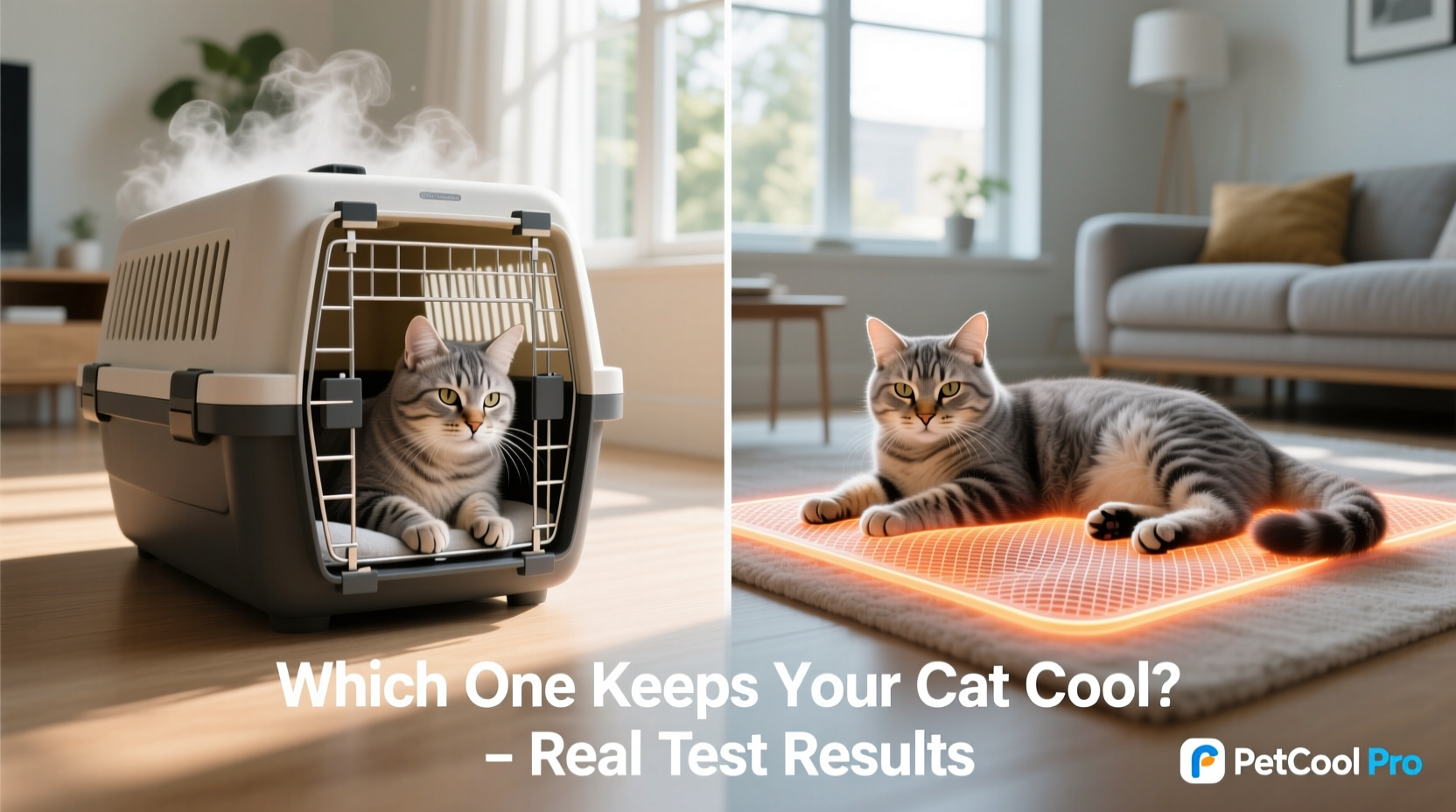
Cats are naturally heat-tolerant due to their desert ancestry, but extreme or prolonged heat can overwhelm their thermoregulatory system. They primarily lose heat through:
- Radiation (releasing heat from the body surface)
- Conduction (transferring heat to cooler surfaces they lie on)
- Evaporation (minimal sweating through paw pads)
- Grooming (saliva evaporation cools the skin)
This means that direct contact with a cooler surface is one of the most effective ways for a cat to lower its body temperature. That’s where conductive cooling products like kennels and pads come into play.
Tip: Never force your cat onto a cooling product. Let them approach it voluntarily—cats prefer to self-regulate.Cooling Kennels: Design, Function, and Benefits
A cat cooling kennel is typically an insulated enclosure with built-in ventilation and passive or active cooling technology. Some models use evaporative cooling systems; others incorporate phase-change materials or reflective linings to reduce internal temperature.
These kennels often resemble small igloos or enclosed beds with mesh panels for airflow. High-end versions may include USB-powered fans or removable cooling inserts. The idea is to create a microclimate—a consistently cool, shaded space where your cat can retreat.
The main advantages of cooling kennels include:
- Enclosed comfort: Many cats feel secure in den-like spaces, increasing usage.
- Built-in airflow: Ventilation helps prevent moisture buildup and improves cooling efficiency.
- Multipurpose design: Doubles as a sleeping or hiding spot year-round.
- Temperature stability: Maintains a cooler environment even in fluctuating room temps.
“Cats seek out cool surfaces instinctively. A well-designed cooling kennel leverages that behavior while offering protection from ambient heat.” — Dr. Lena Torres, Feline Veterinarian & Thermoregulation Researcher
Gel Cooling Pads: How They Work and Limitations
Gel cooling pads are flat mats filled with non-toxic, pressure-activated gel. When your cat lies on the pad, body heat transfers into the material, which absorbs and dissipates it slowly. These pads require no electricity and activate on contact.
They work via conduction—drawing heat away from the cat’s body—and are popular for their simplicity and portability. However, their effectiveness depends heavily on ambient temperature and pad quality.
Key features include:
- No power needed: Ideal for homes without outlets nearby or during power outages.
- Portable: Can be moved between rooms or used in carriers.
- Low maintenance: Wipe clean, no moving parts.
- Limited duration: Most pads stay cool for 1–3 hours before needing “reset” time at room temperature.
A major limitation is that once the gel reaches thermal equilibrium with the surrounding air, it stops absorbing heat. In a hot room (above 85°F / 29°C), this can happen quickly—sometimes within an hour.
Direct Comparison: Cooling Kennel vs Gel Pad
| Feature | Cooling Kennel | Gel Cooling Pad |
|---|---|---|
| Cooling Duration | 4–8+ hours (with ventilation or rechargeable inserts) | 1–3 hours (varies by ambient temp) |
| Power Required | Sometimes (fan models); passive versions available | No |
| Mobility | Low to moderate (bulky design) | High (lightweight, flexible) |
| Cat Acceptance Rate | High (den-like appeal) | Mixed (some cats avoid unfamiliar textures) |
| Surface Coverage | Full-body contact possible | Limited to belly/paw contact area |
| Price Range | $40–$120 | $15–$40 |
| Durability | High (rigid structure) | Moderate (prone to punctures over time) |
Real-World Example: Managing Heat in a Multi-Cat Household
In Phoenix, Arizona, where summer highs regularly exceed 110°F (43°C), Maria Lopez noticed her two senior cats becoming lethargic and avoiding their usual sunny napping spots. She first tried a gel pad placed under a window perch. One cat used it briefly but abandoned it after 40 minutes when it warmed up. The other ignored it completely.
Frustrated, she invested in a ventilated cooling kennel with a removable gel insert and mesh sides. Within days, both cats began rotating shifts inside the kennel. The unit stayed 10–15°F cooler than the room temperature thanks to airflow and shade. Over the next three months, Maria observed fewer signs of heat stress—no excessive grooming, reduced panting, and more normal activity levels.
Her experience reflects a broader trend: while gel pads offer convenience, cooling kennels provide sustained relief in extreme climates.
Step-by-Step Guide: Choosing the Right Option for Your Cat
- Assess your home climate: If you live in a consistently hot or humid area, prioritize long-lasting solutions like kennels.
- Observe your cat’s behavior: Does your cat like enclosed spaces? If yes, a kennel is likely a better fit.
- Check flooring type: Tile or hardwood floors already offer some cooling. A gel pad may suffice in such environments.
- Consider mobility needs: For travel or temporary use (e.g., vet visits), a gel pad is more practical.
- Test one at a time: Introduce the product gradually. Place treats or toys nearby to encourage exploration.
- Monitor usage: Watch for 3–5 days. If your cat avoids it, try repositioning or switching types.
Common Myths About Cat Cooling Products
Several misconceptions cloud judgment when selecting cooling tools:
- Myth: All cooling pads “refrigerate” themselves.
Truth: They only absorb heat—they don’t generate cold. Their max cooling effect is usually 5–10°F below ambient temperature. - Myth: Bigger cooling surface = better.
Truth: Cats only need to cool their core (belly, inner legs). Oversized pads waste space and cost. - Myth: Cooling kennels are just cages.
Truth: Modern designs mimic natural shelters. Most cats enter willingly when acclimated properly.
FAQ: Quick Answers to Common Concerns
Can I put a gel pad in the freezer?
No. Freezing can damage the gel structure and create dangerously cold surfaces that may cause tissue irritation or cold burns. Always use at room temperature.
Are cooling kennels safe for kittens?
Yes, provided there’s adequate ventilation and the kitten can enter/exit freely. Avoid units with small openings or sharp edges.
Do these products replace hydration and shade?
Absolutely not. Cooling aids are supplementary. Fresh water, access to shade, and avoiding direct sun remain essential.
Final Recommendation: It Depends on Your Situation
There’s no universal winner in the cat cooling kennel vs gel pad debate. Each has strengths depending on context:
- Choose a cooling kennel if: You live in a hot climate, have older or overweight cats, or want a long-term, multi-functional solution.
- Choose a gel pad if: You need portability, have budget constraints, or want a supplemental cooling option for moderate temperatures.
For optimal results, many veterinarians recommend combining both: a well-ventilated cooling kennel with a high-quality gel insert provides extended, conductive cooling in a secure environment.
Conclusion
Keeping your cat cool isn’t just about comfort—it’s a health imperative. Heat exhaustion in cats can lead to dehydration, organ stress, and in severe cases, death. While both cooling kennels and gel pads have roles to play, the evidence suggests that cooling kennels offer superior, longer-lasting relief, especially in extreme heat. Gel pads remain valuable for short-term use or mobile scenarios.
Your cat’s safety and well-being depend on informed choices. Evaluate your environment, understand your pet’s preferences, and don’t hesitate to invest in proven solutions. Monitor your cat closely during heatwaves, and remember: the best cooling tool is one your cat actually uses.
💬 Have experience with cat cooling products? Share what worked (or didn’t) for your feline friend in the comments below—your insight could help another cat owner make a life-saving choice.








