
Indoor plants bring life, color, and improved air quality to our homes. But for many cat owners, these green additions come with a constant challenge: curious paws, playful swats, and the occasional full-scale dig session. While it's natural for cats to explore and interact with their environment, unchecked plant destruction can lead to damaged foliage, messes, and even health risks if the plant is toxic. The key lies in addressing the behavior humanely—protecting both your plants and your cat’s emotional well-being. With thoughtful planning and understanding of feline instincts, you can create a home where both plants and pets thrive.
Understanding Why Cats Target Houseplants
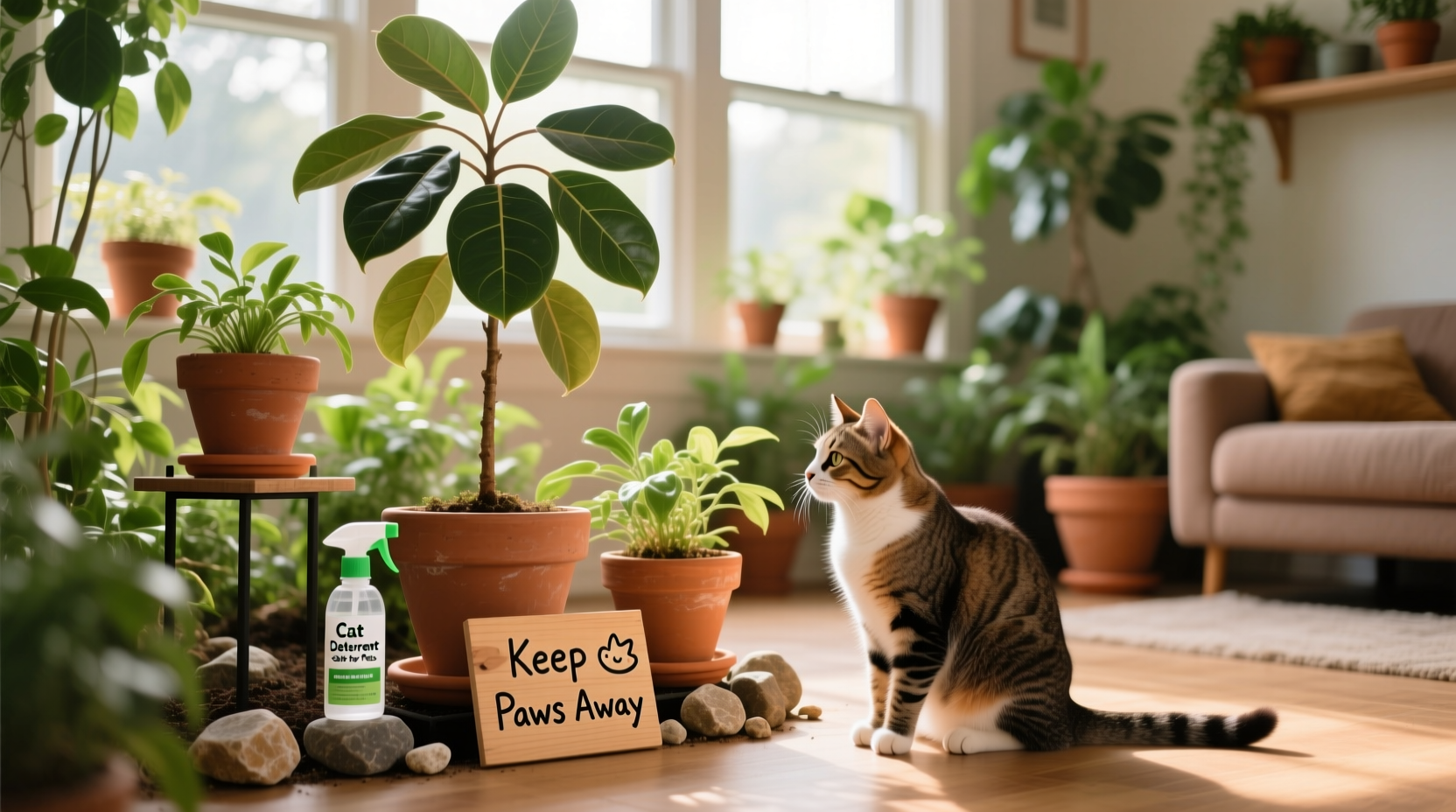
Cats don’t damage plants out of spite. Their actions stem from instinctual behaviors deeply rooted in their nature. Scratching, digging, chewing, and batting at moving leaves are all expressions of hunting, exploration, and territorial marking. Some cats are drawn to the texture of soil, while others enjoy the rustling sound of leaves when pawed. Additionally, certain plants like spider plants or catnip mimic grass—a natural craving for many cats seeking to aid digestion or fulfill sensory needs.
Stress or boredom can amplify these behaviors. A cat left alone for long periods may resort to plant interaction as a form of entertainment. Recognizing the motivation behind the behavior allows for targeted, compassionate solutions rather than punitive measures that could harm the bond between pet and owner.
Tip: Observe your cat’s interaction with plants—does she chew, dig, or bat? Tailor your strategy based on her specific behavior.Strategies That Protect Plants and Respect Your Cat
The most effective solutions work with your cat’s instincts rather than against them. Instead of relying solely on deterrents, focus on redirection, environmental enrichment, and strategic placement.
1. Provide Feline-Friendly Alternatives
Give your cat safe outlets for her natural urges. Grow a small patch of cat grass (wheatgrass or oat grass) in a pot near a sunny window. This satisfies chewing instincts and reduces interest in other plants. You can also offer cat-safe herbs like valerian or lemon balm.
For scratching and digging behaviors, consider a designated “dig box” filled with soft potting soil or sand, placed away from your decorative plants. Encourage use with treats or catnip sprinkled on top.
2. Use Physical Barriers Strategically
Place delicate or toxic plants out of reach—on high shelves, hanging planters, or inside glass display cabinets. If relocation isn’t possible, use physical deterrents that don’t frighten your cat. For example:
- Cover soil with pebbles, aluminum foil, or wooden skewers (pointy side up, blunt end in soil).
- Use plant cages made from wire mesh or decorative fencing.
- Place double-sided tape or plastic mats with nubs around the base—cats dislike sticky or prickly textures underfoot.
3. Leverage Scent Deterrents Wisely
Cats have sensitive noses and often avoid strong citrus, lavender, or eucalyptus scents. Lightly spray a mixture of water and a few drops of citrus essential oil (diluted) around the plant base—not directly on leaves or where the cat might groom it off their fur. Reapply every few days.
“Redirecting behavior with positive alternatives is far more effective and less stressful than punishment-based methods.” — Dr. Sarah Thompson, Feline Behavior Consultant
Step-by-Step Guide to Peaceful Coexistence
Implementing a multi-phase approach ensures lasting results. Follow this timeline over two to three weeks:
- Week 1: Assess & Isolate – Identify which plants are being targeted and why. Move toxic or fragile ones out of reach temporarily.
- Week 2: Introduce Alternatives – Set up cat grass, a dig box, and interactive toys. Place them near problem areas to redirect attention.
- Week 3: Apply Barriers & Scents – Add pebbles to soil, apply diluted citrus spray, or install plant cages. Monitor your cat’s response.
- Ongoing: Reinforce & Rotate – Praise your cat when she interacts with her own items. Rotate toys weekly to maintain interest and prevent boredom.
Do’s and Don’ts When Managing Plant-Cat Conflicts
| Do’s | Don’ts |
|---|---|
| Offer cat-safe plants like catnip, wheatgrass, or parsley. | Use harsh sprays like undiluted essential oils or chili powder. |
| Place favorite plants in hanging baskets or elevated stands. | Yell at or punish your cat for plant interaction. |
| Enrich the environment with climbing shelves and puzzle feeders. | Leave toxic plants within paw’s reach (e.g., lilies, pothos, philodendron). |
| Use motion-activated air sprayers (safe, startling but not harmful). | Rely solely on sticky tape without offering alternatives. |
A Real-Life Example: How the Morales Family Found Balance
The Morales family loved their monstera and fiddle-leaf fig, but their young tabby, Luna, treated them like personal playgrounds. Within weeks, the soil was scattered, leaves were shredded, and stems were bent. Concerned about both plant loss and Luna’s stress, they consulted a veterinary behaviorist.
They began by relocating the most vulnerable plants to a sunroom accessible only via a baby gate. They introduced a small tray of cat grass on the living room windowsill and placed a sisal-covered dig box nearby. They covered the remaining plant pots with smooth river stones and used citrus-scented cotton balls tucked into the soil.
Within ten days, Luna lost interest in the protected plants and spent time nibbling her grass and batting at a feather toy tied above her dig box. The family reported not only healthier plants but a more engaged and relaxed cat.
Essential Checklist for Cat-Safe Plant Ownership
- ✅ Identify and remove any toxic plants from accessible areas.
- ✅ Provide at least one cat-safe plant or grass option.
- ✅ Elevate or enclose prized or fragile plants.
- ✅ Cover soil with unappealing textures (pebbles, skewers, foil).
- ✅ Introduce scent deterrents using diluted citrus or commercial pet-safe sprays.
- ✅ Enrich your cat’s environment with climbing structures, toys, and scratching posts.
- ✅ Monitor interactions and adjust strategies as needed.
Frequently Asked Questions
Are there any houseplants that are completely cat-proof?
No plant is entirely cat-proof if a determined cat sets its mind to it. However, some are less appealing due to tough leaves or bitter taste—such as snake plants (though mildly toxic) or ZZ plants (also toxic). True safety comes from placement and enrichment, not just plant selection.
Can I train my cat to leave plants alone?
Yes, through consistent redirection and positive reinforcement. Reward your cat when she ignores plants or engages with her own toys. Avoid negative reinforcement, which can increase anxiety and worsen the behavior.
What should I do if my cat eats a non-toxic plant?
Occasional nibbling is usually harmless. However, monitor for vomiting, diarrhea, or lethargy. If ingestion is excessive, consult your vet. To minimize risk, continue offering cat grass and ensure your cat is mentally stimulated.
Final Thoughts: Harmony Is Possible
Living with both cats and houseplants doesn’t have to be a battle. By understanding your cat’s motivations and making simple, thoughtful adjustments, you can protect your greenery without compromising your pet’s comfort. The goal isn’t to suppress natural behaviors but to guide them toward appropriate outlets. When cats feel secure, enriched, and understood, they’re far less likely to seek stimulation in ways that disrupt your home.
💬 Have a tip that worked for your cat and plants? Share your experience in the comments and help fellow pet-loving plant enthusiasts find balance!








