
Bell peppers are a staple in many human diets—colorful, crunchy, and packed with nutrients. But when it comes to guinea pigs, pet owners often wonder: can they safely enjoy this vibrant vegetable? The short answer is yes, but with important caveats. Bell peppers can be a healthy treat for guinea pigs, offering essential vitamins and fiber. However, overfeeding or improper preparation can lead to digestive issues or nutrient imbalances. Understanding the right way to incorporate bell peppers into your guinea pig’s diet ensures they receive maximum benefit without risk.
Nutritional Profile of Bell Peppers for Guinea Pigs
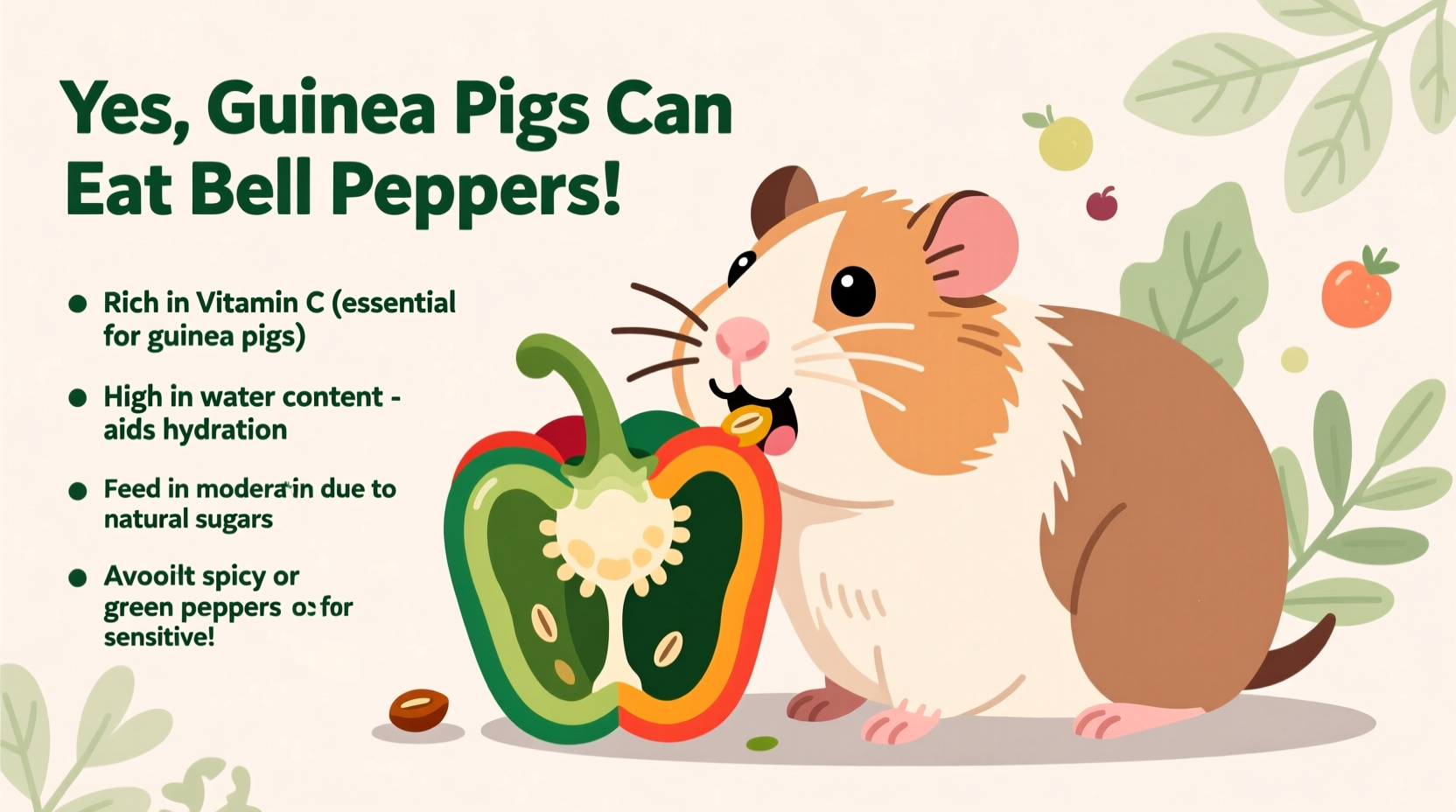
Guinea pigs, like humans, cannot synthesize vitamin C on their own. This makes dietary sources of the vitamin critical for preventing scurvy, a potentially fatal condition. Bell peppers—especially red ones—are one of the richest natural sources of vitamin C among vegetables. A single cup (about 150 grams) of chopped red bell pepper contains approximately 190 mg of vitamin C, far exceeding the daily requirement for an adult guinea pig, which ranges between 10–50 mg depending on age, health, and activity level.
In addition to vitamin C, bell peppers provide:
- Vitamin A (as beta-carotene): Supports eye health and immune function.
- Vitamin B6: Aids in metabolism and nervous system regulation.
- Fiber: Promotes healthy digestion and gut motility.
- Low sugar content: Especially compared to fruits, making them safer for regular feeding.
- Water content (~92%): Helps with hydration, especially in warmer months.
Green, yellow, orange, and red bell peppers all come from the same plant species (Capsicum annuum) but differ in ripeness and nutrient concentration. As bell peppers mature from green to red, their vitamin C and antioxidant levels increase significantly. Red bell peppers contain up to three times more vitamin C than green ones, making them the most nutritionally valuable option for guinea pigs.
Tip: Always choose ripe, brightly colored bell peppers over green ones when possible—your guinea pig will get more nutrients and may prefer the sweeter taste.Benefits of Feeding Bell Peppers to Guinea Pigs
When fed in moderation, bell peppers offer several key advantages for guinea pig health:
1. Prevention of Scurvy
Scurvy is caused by vitamin C deficiency and manifests as lethargy, joint swelling, poor appetite, and rough coat. Regular inclusion of vitamin C-rich foods like red bell peppers can prevent this condition entirely. Because guinea pigs metabolize vitamin C quickly, daily intake through fresh produce is essential.
2. Improved Immune Function
The combination of vitamin C, antioxidants like lutein and zeaxanthin, and anti-inflammatory compounds helps strengthen the immune system. This is particularly important for older guinea pigs or those recovering from illness.
3. Digestive Health Support
Bell peppers contain both soluble and insoluble fiber, which supports a balanced gut microbiome and prevents constipation. Unlike high-starch vegetables, bell peppers don’t disrupt the delicate pH balance of the cecum, reducing the risk of harmful bacterial overgrowth.
4. Hydration Boost
With nearly 92% water content, bell peppers contribute to daily fluid intake. This is beneficial during hot weather or if your guinea pig isn't drinking enough water independently.
“Bell peppers are among the safest and most nutritious vegetables you can offer a guinea pig, provided they're given in appropriate portions.” — Dr. Laura Bennett, Exotic Animal Veterinarian
Potential Risks and Precautions
Despite their benefits, bell peppers aren’t without risks if not managed properly. Overfeeding or incorrect preparation can lead to complications.
Digestive Upset
While low in sugar, bell peppers still contain natural sugars and moisture. Excessive amounts can cause bloating, gas, or diarrhea in sensitive individuals. Introduce new foods gradually and monitor stool consistency closely.
Pesticide Exposure
Bell peppers consistently rank high on the Environmental Working Group’s “Dirty Dozen” list due to pesticide residues. Always wash bell peppers thoroughly under running water before serving. For maximum safety, consider using organic produce or peeling the skin—though this reduces fiber and some nutrients.
Choking Hazard (Rare)
The firm texture of raw bell peppers could pose a minor choking risk, especially in younger or elderly guinea pigs with dental issues. Cut pieces into small, manageable sizes—no larger than 1 inch square—and remove tough stems or seeds.
Overreliance on One Vegetable
Feeding only bell peppers—or any single vegetable—leads to nutritional imbalance. Variety is crucial. Rotate bell peppers with other safe vegetables like cucumber, romaine lettuce, cilantro, and zucchini to ensure broad nutrient intake.
| Bell Pepper Color | Vitamin C (per 100g) | Sugar Content (g) | Recommended Serving Size |
|---|---|---|---|
| Red | 127 mg | 4.2 g | 1/6 of a medium pepper, 2–3 times per week |
| Yellow | 183 mg | 4.5 g | Same as red |
| Orange | 139 mg | 4.3 g | Same as red |
| Green | 80 mg | 2.4 g | Larger portion acceptable due to lower sugar and vitamin C |
How to Safely Feed Bell Peppers to Your Guinea Pig
Introducing bell peppers into your guinea pig’s diet should follow a structured approach to minimize risk and maximize acceptance.
- Choose fresh, organic peppers when possible. Look for firm, glossy skins without soft spots or mold.
- Wash thoroughly under cool running water. Scrub gently with a produce brush to remove surface contaminants.
- Remove seeds and inner membranes. While not toxic, these parts are tougher to chew and digest.
- Cut into small cubes or thin strips. Aim for bite-sized pieces to prevent choking.
- Start with a small amount—about one teaspoon. Observe your guinea pig for 12–24 hours for signs of digestive upset.
- If well tolerated, increase to a standard serving. For an average adult guinea pig, this is roughly 1–2 tablespoons of chopped pepper, offered 2–3 times per week.
- Never feed cooked, canned, or seasoned bell peppers. These may contain oils, salt, or preservatives that are harmful.
Always serve bell peppers raw and at room temperature. Remove any uneaten portions after a few hours to prevent spoilage and bacterial growth in the cage.
Real-Life Example: Bella the Guinea Pig
Bella, a 2-year-old female guinea pig, had been showing signs of fatigue and reluctance to move. Her owner noticed her fur was dull and she’d stopped grooming regularly. After a vet visit, Bella was diagnosed with early-stage scurvy due to inadequate vitamin C intake. Her previous diet relied heavily on timothy hay and commercial pellets, with limited fresh vegetables. The veterinarian recommended introducing red bell peppers three times a week alongside dark leafy greens. Within two weeks, Bella’s energy improved, her coat regained its shine, and she resumed normal social behaviors. This case highlights how targeted dietary changes can reverse deficiencies and restore health.
Common Mistakes to Avoid
Even well-meaning owners sometimes make errors when feeding bell peppers. Watch out for these common pitfalls:
- Feeding too frequently: Daily servings can lead to excess vitamin C excretion and potential kidney strain over time.
- Serving large chunks: Increases choking risk and may discourage thorough chewing.
- Mixing with unsafe foods: Never combine bell peppers with onions, garlic, potatoes, or avocado—all toxic to guinea pigs.
- Using leftovers from human meals: Even plain-cooked peppers may have trace seasonings or oils.
- Ignoring individual preferences: Some guinea pigs dislike strong tastes. Try different colors—many prefer the sweetness of red or yellow over green.
Vegetable Rotation Checklist
To maintain a balanced diet, use this weekly rotation guide:
- Monday: Romaine lettuce + red bell pepper
- Tuesday: Cucumber + parsley <3d>Wednesday: Kale (limited) + carrot (small slice)
- Thursday: Zucchini + cilantro
- Friday: Red bell pepper + dandelion greens
- Saturday: Green bell pepper + spinach (occasionally)
- Sunday: Mixed greens (arugula, endive) + small herb sprig
This rotation ensures variety while keeping vitamin C intake consistent and oxalate-rich foods (like spinach) infrequent.
Frequently Asked Questions
Can baby guinea pigs eat bell peppers?
Yes, but only after they are fully weaned (around 3–4 weeks old). Start with very small amounts—just a few bites—and watch for digestive reactions. Baby guinea pigs need extra vitamin C for growth, so moderate servings of red bell pepper can be beneficial.
Are bell pepper seeds safe for guinea pigs?
The seeds themselves are not toxic, but they are hard and pose a slight choking hazard. It's best practice to remove them along with the white inner pith before serving.
How often can I feed bell peppers?
Offer bell peppers 2–3 times per week. Daily feeding isn’t necessary and may reduce your guinea pig’s interest in other vegetables. Rotating different types keeps the diet engaging and nutritionally diverse.
Final Thoughts and Action Steps
Bell peppers are a powerful tool in maintaining your guinea pig’s health—rich in vitamin C, low in sugar, and widely enjoyed by most pets. When served correctly, they support immune strength, prevent disease, and add enrichment to daily meals. However, they must be part of a varied, carefully managed diet rather than a staple food.
To get started today:
- Purchase a fresh red or yellow bell pepper.
- Wash, deseed, and cut it into small pieces.
- Offer a teaspoon-sized portion and observe your guinea pig’s response.
- If digestion remains normal, integrate it into your weekly veggie rotation.









