
Cats are fastidiously curious—and that curiosity doesn’t stop at sniffing new boxes or investigating spilled water. When alcohol enters the home—whether in hand sanitizer, rubbing alcohol, wine left on a counter, or even fermenting fruit—it introduces an invisible but serious hazard. Unlike humans, cats lack the metabolic enzymes to process ethanol efficiently, and their small size means even trace exposures can trigger rapid, dangerous physiological responses. This isn’t theoretical: veterinary toxicology databases log dozens of confirmed cases annually where cats developed life-threatening symptoms after inhaling or licking alcohol-containing products. Understanding *how* alcohol fumes affect cats—and implementing consistent, low-effort safeguards—isn’t just responsible pet care. It’s essential prevention.
Why Alcohol Fumes Are Especially Dangerous for Cats
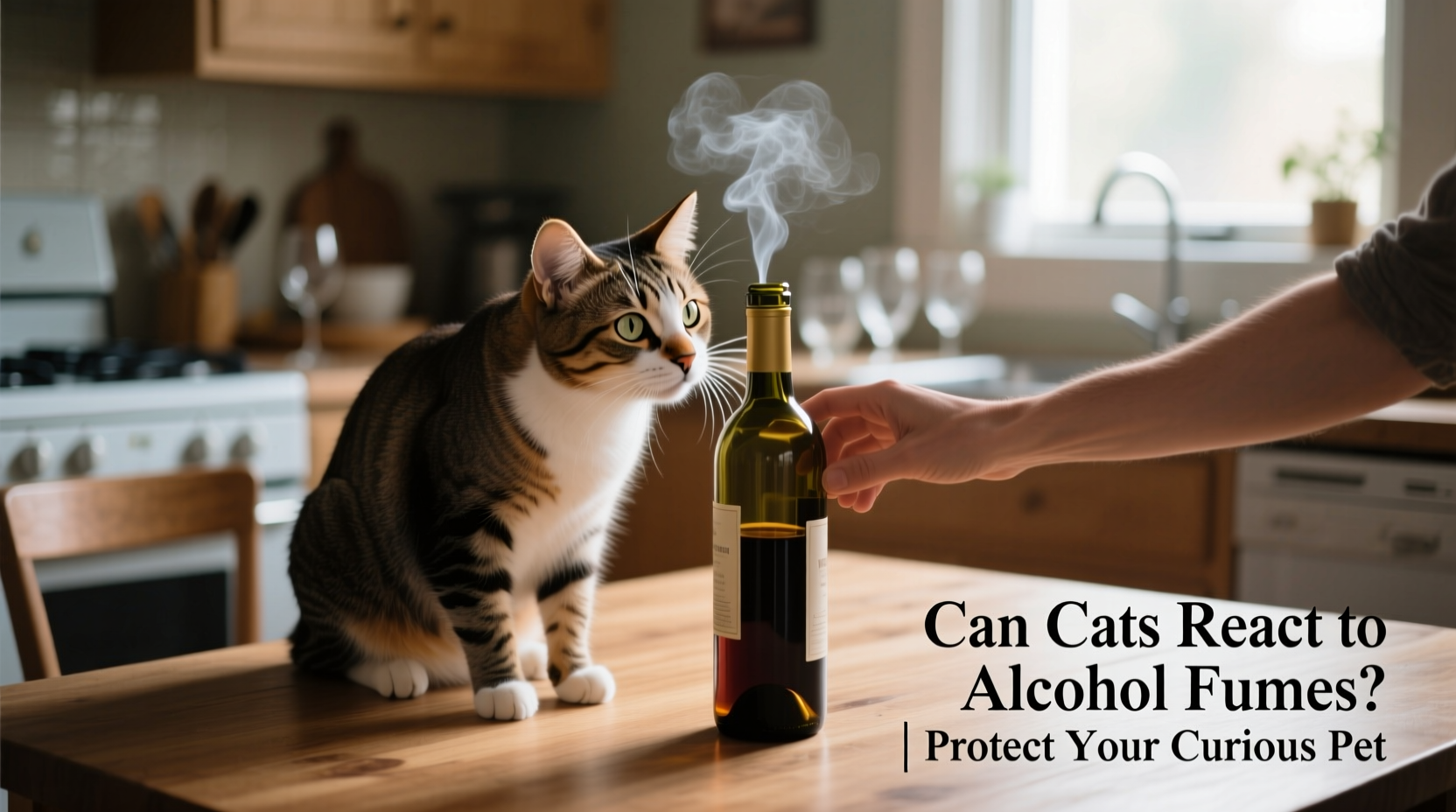
Cats’ respiratory and metabolic systems make them uniquely vulnerable to airborne ethanol. Their high respiratory rate (20–30 breaths per minute at rest) increases inhalation volume, while their smaller lung surface area concentrates absorbed vapors more intensely than in larger animals. More critically, felines lack significant levels of alcohol dehydrogenase (ADH) in their liver—the primary enzyme humans use to break down ethanol into less harmful acetaldehyde. Instead, cats rely heavily on slower, secondary pathways involving catalase and microsomal ethanol-oxidizing system (MEOS) enzymes. This delay allows ethanol to circulate longer, depress the central nervous system, and disrupt cellular function before detoxification begins.
Additionally, cats’ grooming behavior creates a dual-exposure risk: they may inhale fumes while investigating a spill *and* later ingest residual alcohol when licking their paws or fur. A 2022 study published in Journal of Veterinary Emergency and Critical Care found that cats exposed to isopropyl alcohol vapor alone—without ingestion—developed measurable blood ethanol concentrations within 12 minutes, with clinical signs appearing as early as 8 minutes post-exposure. That speed leaves little margin for error.
Tip: Never assume “just a whiff” is harmless. Ethanol is volatile—even unopened hand sanitizer bottles emit detectable vapors in warm rooms, and open containers of wine or spirits release increasing concentrations over time.Recognizing the Signs: From Subtle to Severe
Symptoms of alcohol exposure in cats progress rapidly and often deviate from classic “drunkenness” seen in humans. Because cats cannot vocalize discomfort or confusion, owners must rely on behavioral and physical cues—many of which appear within minutes.
- Early signs (5–20 minutes): Uncharacteristic lethargy, wobbliness (ataxia), drooling, nausea (lip-licking, swallowing frequently), and mild disorientation (e.g., bumping into furniture or staring blankly).
- Moderate signs (20–60 minutes): Significant loss of coordination, vomiting, slow or shallow breathing, low body temperature (hypothermia), and dilated pupils.
- Severe signs (1–3 hours): Seizures, coma, cardiac arrhythmias, respiratory depression, and—if untreated—death. Blood ethanol concentrations above 0.5 g/dL are considered life-threatening in cats; some commercial hand sanitizers contain 60–95% ethanol by volume, meaning even brief proximity to an open bottle can elevate levels dangerously.
Crucially, symptoms can mimic other conditions—such as kidney disease, neurological disorders, or heat stroke. If your cat exhibits any of the above after known or suspected exposure, treat it as a medical emergency—not a wait-and-see situation.
Real-World Exposure Scenarios: A Mini Case Study
In March 2023, a 3-year-old domestic shorthair named Mochi was brought to the UC Davis Veterinary Medical Teaching Hospital after collapsing in his owner’s home office. His owner had been working remotely and used alcohol-based hand sanitizer multiple times throughout the day, leaving the bottle uncapped on her desk. She also opened a bottle of white wine during lunch, placing the glass near her laptop. Mochi, who regularly sat beside her chair, was observed repeatedly sniffing the sanitizer cap and the wine glass rim over several hours. By late afternoon, he began stumbling, then vomited once and became unresponsive. Blood tests revealed a serum ethanol level of 0.72 g/dL. He received IV fluids, thermoregulation support, and close monitoring for 36 hours before stabilizing. Veterinarians confirmed no underlying health issues—the intoxication was entirely attributable to cumulative vapor inhalation and incidental oral contact.
This case underscores two key realities: first, that exposure doesn’t require ingestion to be dangerous; second, that routine household items—used without malice or negligence—can become acute hazards in a cat’s environment.
Vet-Backed Protection Strategy: A 5-Step Home Safety Protocol
Preventing alcohol-related incidents requires consistency—not perfection. These five actionable steps, validated by the ASPCA Animal Poison Control Center and the American College of Veterinary Pharmacists, form a realistic, sustainable safety framework:
- Secure storage, every time: Store all alcohol-containing products—including hand sanitizers, rubbing alcohol, mouthwash, perfumes, cooking extracts (like vanilla or almond), and unfinished beverages—in closed cabinets *above counter height*. Avoid bathroom or kitchen cabinets accessible via countertops or open shelves cats can jump onto.
- Immediate cleanup protocol: Wipe spills with a damp cloth (not paper towels, which retain residue), then ventilate the area for at least 15 minutes before allowing cat access. For carpet or upholstery, blot thoroughly and use fans—not heaters—to accelerate evaporation without concentrating vapors.
- Reassess “pet-safe” labeling: Many products marketed as “non-toxic” refer only to ingestion thresholds—not inhalation risk or dermal absorption. Always verify active ingredients: if ethanol, isopropanol, or methanol appears in the first three ingredients, treat it as hazardous regardless of marketing claims.
- Create alcohol-free zones: Designate one room—ideally a bedroom or quiet living area—as a “no-alcohol zone.” Keep hand sanitizer, nail polish remover, and cleaning supplies out entirely. Use this space for cat naps, feeding, or litter box placement to minimize background exposure.
- Monitor post-event behavior: After hosting guests (who may carry alcohol-based products), returning from travel (where you may have used sanitizers), or using alcohol-based cleaners, observe your cat for 2–3 hours. Note changes in activity level, grooming frequency, or vocalization patterns—they’re often the earliest red flags.
What to Do If Exposure Occurs: Immediate Response Checklist
If you witness or suspect your cat has inhaled or ingested alcohol, act decisively—but calmly. Follow this checklist without delay:
- ✅ Remove from source immediately: Gently carry your cat to fresh air—preferably outdoors or to a well-ventilated room with open windows and a fan running.
- ✅ Check responsiveness: Gently tap their shoulder and call their name. Note eye movement, ear twitch, and ability to stand. Do not attempt to induce vomiting—it increases aspiration risk and offers no benefit for inhaled toxins.
- ✅ Call for professional help: Contact your veterinarian or the ASPCA Animal Poison Control Center (888-426-4435) *before* heading to the clinic. Have product label, estimated exposure time, and observed symptoms ready.
- ✅ Maintain warmth: Wrap your cat loosely in a blanket if shivering or cool to touch—hypothermia commonly accompanies ethanol toxicity. Avoid heating pads or direct heat sources.
- ✅ Document timeline: Note exact time of exposure, duration, and all symptoms with timestamps. This information directly informs treatment decisions.
Alcohol-Containing Products: Risk Comparison & Safer Alternatives
Not all alcohol-based products pose equal risk—but many common household items are far more hazardous than owners realize. The table below compares volatility, typical concentration, and safer alternatives recommended by veterinary toxicologists.
| Product Type | Typical Ethanol/Isopropanol % | Volatility Risk (High/Med/Low) | Safer Alternative |
|---|---|---|---|
| Hand sanitizer (gel/liquid) | 60–95% | High | Foam-based sanitizer with benzalkonium chloride (check label for no ethanol/isopropanol) |
| Rubbing alcohol (isopropyl) | 70–99% | High | Diluted vinegar solution (1:1 with water) for surface cleaning |
| Mouthwash | 10–27% | Medium | Pet-specific dental wipes or chlorhexidine oral rinse (veterinarian-prescribed) |
| Vanilla/Almond extract | 35% | Medium | Alcohol-free baking extracts (widely available online and in health food stores) |
| Wine, beer, cocktails | 4–20% | Low-Medium (but high risk due to accessibility) | Keep glasses on high surfaces; use covered drink holders; never leave unattended on coffee tables or counters |
“Ethanol toxicity in cats is preventable—but it demands environmental awareness, not just vigilance. Owners often focus on ‘what not to feed,’ yet overlook that what’s *in the air* or *on the floor* poses an equally urgent threat.” — Dr. Lena Torres, DVM, Diplomate of the American Board of Veterinary Toxicology, ASPCA Animal Poison Control Center
Frequently Asked Questions
Can cats get drunk from smelling wine or beer?
Yes—though “drunk” is a misleading term. Cats don’t experience euphoria; instead, they suffer neurodepression. Even brief exposure to open alcoholic beverages can cause measurable blood ethanol levels and symptoms like ataxia or sedation. Fermenting fruit (e.g., grapes left out) produces ethanol naturally and poses similar risks.
Is rubbing alcohol more dangerous than drinking alcohol for cats?
Yes—inhalation of isopropyl alcohol vapors is particularly hazardous because it’s more volatile than ethanol and metabolizes into acetone, which further depresses respiration. Isopropyl alcohol is also more readily absorbed through skin and mucous membranes, making accidental contact during grooming especially risky.
My cat licked hand sanitizer once—should I be worried?
Yes. Even a single lick of high-concentration sanitizer can deliver a toxic dose. Monitor closely for 2–4 hours. If drooling, lethargy, or imbalance develops, seek veterinary care immediately. Do not wait for vomiting or collapse—early intervention prevents progression to severe stages.
Conclusion: Small Changes, Lifesaving Outcomes
Protecting your cat from alcohol fumes isn’t about eliminating alcohol from your life—it’s about thoughtful, consistent boundaries in shared spaces. A capped bottle, a closed cabinet, a ventilated room, and 90 seconds to wipe a countertop are minor adjustments that collectively create meaningful safety. Cats live in the moment, guided by instinct and scent. They don’t understand labels, warnings, or chemical structures. They trust us to shape their world with intention. Every time you secure that hand sanitizer, move your wine glass, or choose an alcohol-free alternative, you reinforce that trust—not with grand gestures, but with quiet, daily acts of stewardship. Start tonight. Check one cabinet. Wipe one surface. Make one substitution. Your cat’s resilience, vitality, and longevity depend not on perfection—but on your willingness to see the invisible risks and act before they become emergencies.
💬 Have you implemented alcohol-safety practices in your home? Share your most effective tip in the comments—your experience could help another cat parent prevent a crisis.








