Rabbits are more than just soft fur and twitching noses—they’re intelligent, affectionate animals capable of forming deep bonds with their human families. When chosen wisely and cared for properly, they can become cherished members of the household, bringing quiet joy and lively charm to daily life. Unlike high-maintenance pets, rabbits thrive on routine, gentle interaction, and a calm environment, making them ideal companions for singles, couples, and families alike.
Not all rabbit breeds are equally suited to life as indoor pets. Temperament, size, grooming needs, and activity levels vary significantly across breeds. Selecting the right one involves matching a rabbit’s natural disposition with your lifestyle, living space, and expectations. With thoughtful consideration, you can welcome a furry friend who not only fits into your home but enhances it with warmth and companionship.
Top Rabbit Breeds for Friendly, Cuddly Companionship
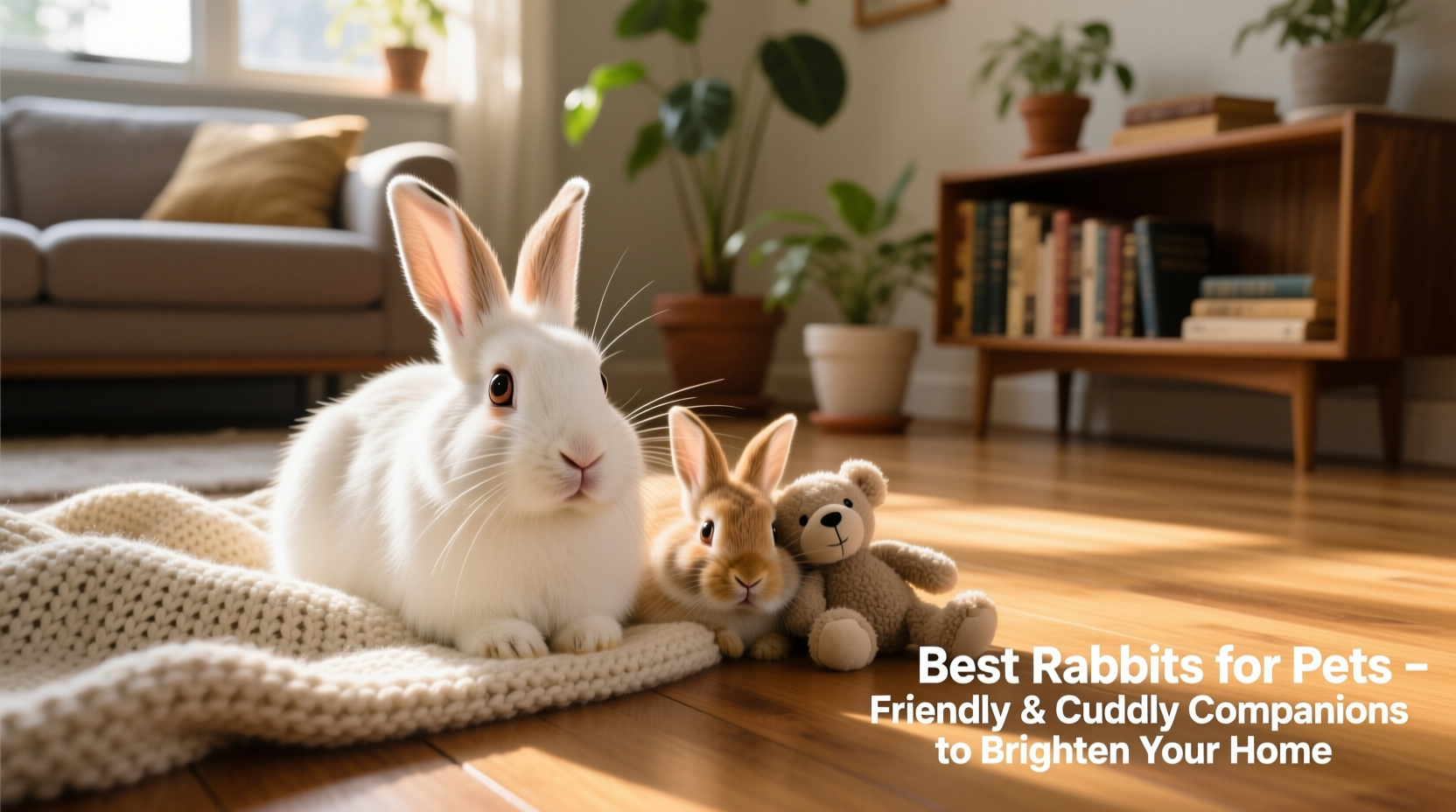
Certain rabbit breeds stand out for their docile nature, affectionate tendencies, and adaptability to indoor living. These breeds tend to enjoy human contact, respond well to handling, and form strong emotional bonds with their caregivers.
- Netherland Dwarf – Small in size but big in personality, this breed is popular among first-time rabbit owners. While some individuals can be skittish if not socialized early, Netherland Dwarfs raised with gentle handling often become very attached to their people.
- Lionhead – Named for its distinctive mane, the Lionhead is known for being sweet-natured and playful. They enjoy attention and often seek out lap time, especially when treated with patience and consistency.
- Mini Rex – With velvety plush fur and a calm demeanor, Mini Rex rabbits are frequently described as “cuddle champions.” They’re curious without being hyperactive and respond well to training and affection.
- Holland Lop – One of the most beloved pet rabbit breeds, Holland Lops are renowned for their floppy ears and gentle temperament. They are typically easygoing, enjoy being held (when taught from a young age), and adapt well to apartment living.
- English Lop – Larger than the Holland Lop, English Lops have exceptionally long ears and a laid-back attitude. Though less common as pets due to their size, they are deeply affectionate and thrive in homes with ample space.
What Makes a Rabbit a Good Pet Companion?
A rabbit’s suitability as a cuddly pet depends on more than breed alone. Individual personality, early socialization, and ongoing care play crucial roles in shaping behavior. However, certain traits consistently indicate a rabbit likely to become a loving companion:
- Approachability – A good pet rabbit will come to you willingly, sniff your hand, and show curiosity rather than fear.
- Calmness under handling – While no rabbit should be forced to be held, those that tolerate or even enjoy brief lifting and cradling tend to bond more closely.
- Vocal and physical communication – Rabbits \"talk\" through nudges, circling, purring-like tooth grinding, and soft grunts. Those who engage in these behaviors with humans are often seeking connection.
- Playfulness without aggression – Gentle binkies (joyful hops) and toy-chasing indicate happiness; biting or lunging may signal stress or poor socialization.
“Rabbits aren’t naturally cuddly like cats or dogs, but many learn to love closeness when trust is built gradually. The key is respecting their boundaries while offering consistent, gentle affection.” — Dr. Lena Torres, Exotic Animal Behavior Specialist
Essential Care Checklist for a Happy, Healthy Rabbit
Owning a rabbit is a long-term commitment—often 8 to 12 years—with specific needs that must be met for them to thrive emotionally and physically. Use this checklist to ensure you're providing optimal care:
- Provide unlimited access to fresh hay (timothy or orchard grass) – makes up 80% of diet.
- Offer a small portion of high-quality pellet food daily (¼ to ½ cup depending on size).
- Serve leafy greens (like romaine, cilantro, kale) in controlled amounts—1–2 cups per 5 lbs body weight.
- Ensure constant access to clean, fresh water via bowl or bottle.
- Create a safe, spacious enclosure (minimum 12 sq ft) with room to stretch, hop, and stand upright.
- Allow at least 3–4 hours of supervised free-roam time outside the cage daily.
- Rabbit-proof your home by covering cords, blocking gaps, and removing toxic plants.
- Gently brush your rabbit weekly (more often for long-haired breeds like Angoras).
- Trim nails every 4–6 weeks to prevent overgrowth and discomfort.
- Schedule annual vet checkups with an exotic animal veterinarian.
Choosing the Right Rabbit: Do’s and Don’ts
| Do’s | Don’ts |
|---|---|
| Adopt from a shelter or rescue group—many rabbits need loving homes. | Buy from pet stores without knowing the breeder background. |
| Observe the rabbit’s behavior: look for alertness, cleanliness, and approachability. | Select a rabbit solely based on appearance or size. |
| Ask about the rabbit’s history—handling experience, diet, medical care. | Assume all baby rabbits will stay small or remain tame as adults. |
| Consider adopting a pair—rabbits are social and often happier with a bonded companion. | House rabbits with solitary pets like guinea pigs or hamsters. |
| Spay or neuter your rabbit—it improves behavior, health, and bonding potential. | Delay spaying/neutering past 4–6 months of age. |
Real-Life Example: How Mia Found Her Perfect Bunny Match
Mia, a graphic designer living in a two-bedroom apartment, wanted a calm pet that wouldn’t disturb her work-from-home routine. After researching breeds, she visited a local rabbit rescue and met Oreo, a 1-year-old Holland Lop mix. He wasn’t the fluffiest or most energetic, but he sat quietly beside her during their meet-and-greet, gently nudging her hand for pets.
She adopted him, set up a large pen in her sunlit living room, and began a daily routine of feeding, grooming, and floor time. Within weeks, Oreo started hopping to her feet when she came home and would rest his chin on her lap while she worked. By month three, he was confidently exploring the apartment and even learned to come when called. Today, Oreo curls up beside her on the couch each evening—a quiet, comforting presence that has enriched her life in ways she hadn’t expected.
Step-by-Step Guide to Bonding with Your Rabbit
Bonding takes time and patience. Follow this timeline to build trust and encourage affection:
- Week 1: Let your rabbit explore their new space. Sit nearby quietly, reading or watching TV. Avoid picking them up.
- Week 2–3: Offer treats from your hand (e.g., small pieces of apple or carrot). Speak softly and move slowly.
- Week 4: Begin gentle petting around the forehead and behind the ears—never reach over the head.
- Month 2: Introduce short, supervised interactions outside the enclosure. Allow them to approach you on their terms.
- Month 3+: If your rabbit seems comfortable, try sitting on the floor and letting them climb onto your lap. Always support their hind legs if lifting.
Frequently Asked Questions
Can rabbits really be cuddly?
Yes, many rabbits become affectionate with proper socialization. While they express love differently than dogs or cats—through grooming, following you, or resting nearby—some do enjoy being held or sitting on laps, especially breeds like Mini Rex and Holland Lop.
Are rabbits good pets for children?
With adult supervision, yes. Young children may unintentionally squeeze or drop a rabbit, causing injury or fear. Teach kids to interact gently and always handle the rabbit together with an adult. Older, calmer children often form beautiful bonds with rabbits.
Do I need to get two rabbits?
While not mandatory, rabbits are highly social. Two rabbits (spayed/neutered and properly bonded) often live happier, less lonely lives. If you’re home frequently and spend quality time daily, a single rabbit can also thrive.
Bring Joy Home with the Right Rabbit Companion
The best rabbits for pets aren’t just cute—they’re compatible with your lifestyle, responsive to care, and capable of deep emotional connection. Whether you choose a petite Netherland Dwarf or a fluffy Lionhead, what matters most is creating a safe, loving environment where trust can grow. With patience, consistency, and respect for their nature, your rabbit can become a loyal, joyful presence in your home—one that brightens ordinary moments with quiet companionship and unexpected affection.
💬 Ready to welcome a furry friend into your life? Visit a local rabbit rescue, learn more about responsible care, and discover how a small hop can lead to a lifetime of joy.








