Nostalgia is not simply remembering. It’s a full-bodied experience—a quiet ache in the chest, a fleeting smile followed by a sigh, the sudden warmth of a memory that vanishes as quickly as it came. We often speak of nostalgia fondly, as if it were purely comforting. But anyone who has sat alone at night listening to an old song or found themselves scrolling through years-old photos knows the truth: nostalgia can hurt. Deeply. It carries joy and sorrow in equal measure, like sunlight filtered through storm clouds. Understanding why this emotional duality exists—and why it sometimes cuts so deeply—is essential to making peace with our past and integrating it into a healthier present.
The Emotional Anatomy of Nostalgia
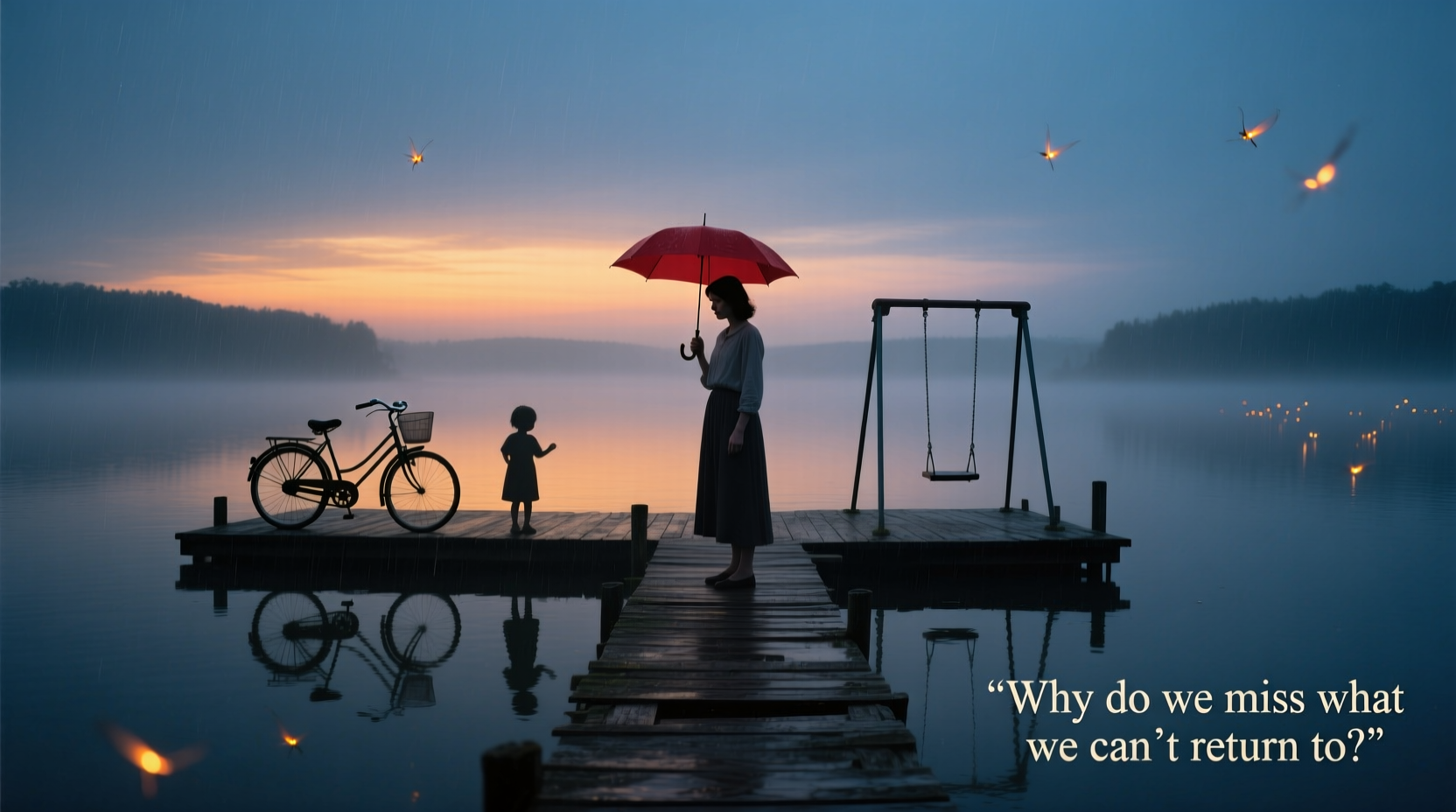
At its core, nostalgia is a psychological mechanism rooted in memory and emotion. It typically involves revisiting moments from our personal past—often idealized versions—that are associated with safety, belonging, love, or identity. These memories aren’t always accurate; they’re curated by time and emotion, stripped of discomfort and amplified for emotional resonance. The pain arises when we confront the unbridgeable gap between then and now.
This emotional dissonance—between what once was and what no longer is—creates a unique kind of longing. Unlike simple sadness or grief, nostalgia doesn’t mourn a loss in the conventional sense. Instead, it mourns the impossibility of return. No matter how vivid the memory, you cannot go back to childhood summers, first loves, or family dinners where everyone was still alive. That realization is where the ache settles.
“Nostalgia is not about the past. It’s about our relationship with absence.” — Dr. Lena Moreau, Clinical Psychologist & Memory Researcher
The bittersweet quality of nostalgia comes from its dual function: it connects us to meaningful experiences while simultaneously reminding us of their impermanence. This makes it both healing and destabilizing. On one hand, recalling positive memories can boost mood, increase self-esteem, and reinforce social bonds. On the other, it can trigger feelings of loneliness, regret, or dissatisfaction with current life circumstances.
Why Does Nostalgia Hurt? Four Psychological Roots
The pain of nostalgia isn’t arbitrary. It stems from identifiable cognitive and emotional processes that shape how we relate to time, memory, and identity.
1. Temporal Displacement and Loss of Control
We live in the present, but nostalgia pulls us backward—emotionally, if not physically. This creates a form of temporal displacement, where our emotional center shifts to a time we can no longer access. The discomfort emerges from the helplessness of knowing that, despite the clarity of the memory, we have no control over returning to it. This lack of agency intensifies the emotional sting.
2. Idealization of the Past
Memory is not a recording device—it’s a storyteller. Over time, our brains naturally filter out pain, conflict, and boredom from past experiences, leaving behind polished highlights. A difficult high school year might be remembered only for late-night talks with friends. A strained family holiday becomes a warm image of laughter around the table. When we compare these idealized memories to the complexity of today, the present often feels lacking. This comparison isn’t fair—but it’s human.
Tip: When nostalgia begins to distort your perception of the present, gently remind yourself: \"I’m remembering the best version of that moment. Today has its own quiet strengths.\"3. Identity Continuity and Personal Change
Nostalgia often centers on times when we felt most ourselves—perhaps more confident, connected, or free. Revisiting those moments can highlight how much we’ve changed, which may feel unsettling. You might wonder: Have I lost something essential? Did I betray my younger self? This tension between past and present identity can provoke existential unease, especially during transitions like aging, career shifts, or relationship changes.
4. Longing for Lost Connection
Many nostalgic memories involve people—friends who moved away, grandparents who passed, relationships that ended. The pain here isn’t just about missing the event, but missing the person. Even if contact remains, the dynamic has likely shifted. Nostalgia forces us to acknowledge that certain connections exist only in the past tense. That awareness brings a quiet grief, even when there’s no formal loss to mourn.
The Role of Modern Life in Amplifying Nostalgic Pain
Today’s world intensifies nostalgic triggers in ways previous generations never experienced. Digital technology preserves our past with unprecedented clarity and accessibility. Photo archives, social media timelines, music streaming playlists—these tools make it effortless to revisit yesterday at any moment. While this can be comforting, it also increases exposure to emotionally charged memories without natural buffers like time or distance.
Consider the experience of opening a “On This Day” notification showing a photo from five years ago: a trip with a friend you haven’t spoken to in months, a job you left under stress, a version of yourself that felt more vibrant. The memory appears uninvited, evoking complex emotions before you’ve had time to prepare. In this way, digital culture turns nostalgia into a constant undercurrent rather than an occasional reflection.
Moreover, modern life often lacks the communal rituals that once gave structure to memory and transition—seasonal festivals, extended family gatherings, neighborhood traditions. Without these anchors, individuals are left to process change and loss more privately, making nostalgic reflection both more frequent and more isolating.
Turning Pain into Insight: A Practical Framework
Nostalgia doesn’t need to be avoided. In fact, leaning into it—with intention—can foster emotional maturity and deeper self-awareness. The goal isn’t to stop feeling nostalgic, but to transform the experience from one of passive longing into active integration.
Step-by-Step Guide: Processing Nostalgic Emotions
- Pause and Name the Feeling: When a wave of nostalgia hits, resist the urge to suppress or indulge it immediately. Instead, pause. Acknowledge: “I’m feeling nostalgic. There’s both warmth and sadness here.” Naming the emotion reduces its power to overwhelm.
- Identify the Trigger: Was it a scent? A song? A photo? Understanding what sparked the memory helps you recognize patterns in your emotional landscape.
- Examine the Memory Honestly: Ask: What am I really remembering? What parts might be idealized? Were there challenges during that time that memory has softened?
- Connect to Present Needs: Often, nostalgia signals an unmet need in the present—loneliness, desire for creativity, need for connection. Ask: What does this memory tell me about what I value now?
- Create a Bridge, Not a Escape: Use the insight to take small actions in the present. If you miss deep friendship, reach out to someone. If you long for creative expression, pick up a pen or instrument. Let the past inspire the present, not replace it.
Mini Case Study: Maria’s Walk Through Autumn Leaves
Maria, 34, began experiencing intense waves of nostalgia every autumn. Driving past trees ablaze with color, she’d feel tears well up—memories of walking to elementary school with her father flooded in. He had passed away ten years earlier, and those walks were among her clearest memories of his affection. For years, she avoided fall drives, associating the season with unbearable grief.
After starting therapy, Maria used the processing framework above. She realized her nostalgia wasn’t just about missing her father—it was also about craving reliability and unconditional love in her current life, where work stress and a distant partner left her feeling isolated. With her therapist’s help, she began writing letters to her younger self and initiated monthly coffee meetups with close friends. She also started an annual tradition: a solo walk in the woods on her father’s birthday, bringing a thermos of his favorite tea.
The pain didn’t vanish, but it transformed. Autumn became less of an ambush and more of a homecoming—one that honored the past while affirming her presence in the now.
Do’s and Don’ts of Healthy Nostalgia
| Do | Don’t |
|---|---|
| Use nostalgia as a compass for values—what did that time teach you about what matters? | Use nostalgia to escape or devalue your current life |
| Share memories with others to strengthen bonds | Romanticize the past so much that you dismiss present joys |
| Journal about nostalgic feelings to gain insight | Isolate yourself while沉浸在 memories (immerse) |
| Create new rituals that echo meaningful aspects of the past | Assume the past was objectively better than the present |
Frequently Asked Questions
Is it normal for nostalgia to make me cry?
Yes. Crying during nostalgic episodes is completely normal. Tears often arise not from sadness alone, but from emotional intensity—the collision of love, loss, and memory. Crying can be a release valve for suppressed feelings and a sign that you’re emotionally engaged with your life story.
Can too much nostalgia be harmful?
Occasional nostalgia is healthy, but excessive rumination on the past—especially if it leads to withdrawal, dissatisfaction, or avoidance of present responsibilities—can contribute to depressive symptoms. If nostalgic thinking interferes with daily functioning, it may be helpful to speak with a mental health professional.
Why do certain songs trigger such strong nostalgic reactions?
Music is uniquely tied to memory because it activates multiple brain regions involved in emotion, timing, and sensory processing. A song heard during a formative experience becomes neurologically linked to that moment. Hearing it again can instantly recreate the emotional context, bypassing conscious thought—a phenomenon known as “involuntary musical imagery.”
Conclusion: Embracing the Bittersweet
Nostalgia hurts because it reminds us of what it means to be human: transient, connected, and deeply feeling. Its pain is not a flaw—it’s a testament to having loved, grown, and lived. The past cannot be reclaimed, but its echoes can guide us. When we stop resisting the ache and start listening to it, nostalgia becomes more than memory. It becomes wisdom.
The bittersweet is not a problem to solve. It’s a dimension of depth. By honoring both the joy and the sorrow in our recollections, we learn to hold complexity in our hearts. We begin to see that the moments we miss most are not gone—they live on in the values we carry, the choices we make, and the way we show up for others.
💬 Your past shaped you—what part of it do you want to bring forward? Share your thoughts, memories, or personal reflections in the comments below. Let’s build a conversation about how we honor where we’ve been, while staying rooted in where we are.