
Representation in storytelling shapes how society sees marginalized communities. For transgender individuals, seeing themselves reflected in film, television, and video games is more than entertainment—it’s validation. When done well, trans character narratives foster empathy, reduce stigma, and affirm identity. But when handled poorly, they reinforce harmful stereotypes or exploit trauma for drama. The critically acclaimed narrative game *Tell Me Why* offers a pivotal case study in modern trans representation, centering its story on Tyler Ronan, a transgender man navigating memory, family, and belonging.
This article examines the cultural significance of trans character representation through the lens of *Tell Me Why*, evaluates its strengths and shortcomings, and explores broader trends in media portrayal. It also provides insight into what creators, critics, and audiences should prioritize when reviewing such stories.
The Significance of Trans Narratives in Storytelling
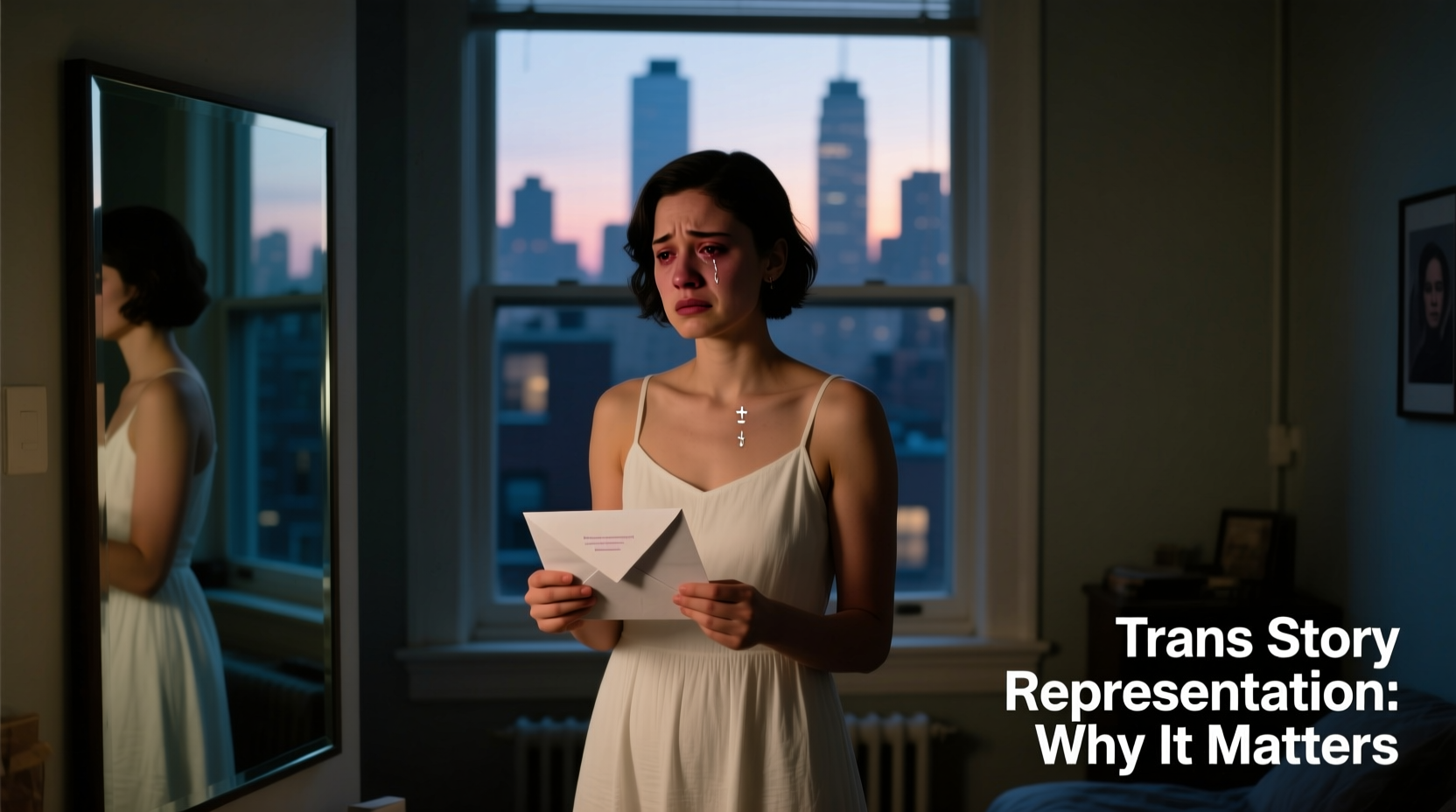
Trans characters have long been absent from mainstream media or reduced to tragic figures, punchlines, or plot devices. Early portrayals often focused on deception, mental illness, or violent ends—narratives that fed public misunderstanding and fear. In contrast, contemporary storytelling increasingly emphasizes authenticity, lived experience, and emotional depth.
Tell Me Why, developed by Dontnod Entertainment and released in 2020, stands out as one of the first major narrative games to feature a transgender protagonist written with direct input from LGBTQ+ advocacy groups like GLAAD. Tyler Ronan isn’t defined solely by his gender identity; he is a complex individual shaped by grief, sibling bonds, supernatural intuition, and personal resilience.
“Visibility without accuracy can be just as damaging as invisibility.” — Dr. Kai M. Green, scholar of Black trans studies
The shift toward nuanced representation reflects growing demand from audiences who want stories that reflect real human diversity. When trans characters are portrayed with dignity and complexity, it challenges reductive tropes and opens space for broader conversations about identity, acceptance, and justice.
Reviewing Representation: Key Criteria for Evaluation
Critiquing trans character representation requires more than assessing acting or writing quality. It demands attention to context, intention, and impact. Below is a framework used by media analysts and advocacy organizations to evaluate such portrayals:
| Criterion | What to Look For | Potential Red Flags |
|---|---|---|
| Authentic Casting | Trans roles played by trans actors | Cisgender actors \"playing\" trans characters |
| Narrative Agency | Character drives the story, not just reacts | Used only to educate others or serve another character’s arc |
| Multidimensionality | Has goals, flaws, relationships beyond gender | Defined entirely by transition or trauma |
| Consultation & Collaboration | Involvement of trans writers, consultants, or organizations | No visible LGBTQ+ input in production |
| Impact on Community | Positive reception among trans viewers | Backlash over misrepresentation or harm |
Applying this framework to *Tell Me Why* reveals notable progress. Tyler is voiced and motion-captured by August Aiden Black, a trans man, ensuring vocal and physical authenticity. His journey includes—but is not limited to—experiences related to being trans, such as misgendering flashbacks and accessing hormone therapy. These moments are integrated organically rather than sensationalized.
Tip: When reviewing media with trans characters, ask: Does this portrayal empower or exploit? Who benefits from this story being told this way?A Closer Look at Tell Me Why: Strengths and Limitations
Set in rural Alaska, *Tell Me Why* follows twins Tyler and Alyson Ronan as they reunite after a decade apart to unravel the truth behind their mother’s death. The game uses a dual-perspective mechanic, allowing players to see events through both siblings’ memories—often conflicting—which mirrors how trauma distorts recollection.
Tyler’s trans identity is introduced early but not treated as a revelation. Instead, it’s part of his history, acknowledged with care in dialogue and environment. For example, finding old childhood drawings where he’s labeled “she” triggers discomfort—a subtle yet powerful depiction of dysphoria. Later, a conversation with a local nurse confirms he receives testosterone injections, normalizing medical transition without making it the focus.
However, some critiques remain. While Tyler’s identity is handled respectfully, the narrative still leans heavily on trauma—the central mystery involves abuse, isolation, and psychological distress. Some reviewers note that even well-intentioned stories often default to pain when depicting queer lives, potentially reinforcing the idea that trans existence is inherently tragic.
“We need stories about joy, survival, love, and everyday life—not just survival against all odds.” — Raquel Willis, writer and activist
Still, *Tell Me Why* avoids common pitfalls: Tyler is never deadnamed in gameplay (except in past recordings, contextually justified), and player choice allows for affirming responses during key interactions. The game also includes optional lore entries explaining trans terminology, serving as quiet education without disrupting immersion.
Checklist: Evaluating Trans Character Representation
To help readers critically engage with media featuring trans characters, here’s a practical checklist:
- ✅ Was a trans actor cast in the role?
- ✅ Is the character’s gender identity integral but not their only trait?
- ✅ Are there trans creatives involved behind the scenes?
- ✅ Does the story avoid exploitative tropes (e.g., murder, deception, pity)?
- ✅ Is the character allowed moments of joy, humor, or ordinary life?
- ✅ How do trans audiences respond to the portrayal?
- ✅ Is language respectful (no deadnaming, correct pronouns, accurate terms)?
Real Example: Tyler’s Homecoming Scene
One of the most praised moments in *Tell Me Why* occurs when Tyler returns to his childhood home. As he walks through rooms frozen in time, objects trigger memories—some warm, others painful. He picks up a sweater his mother knit, then pauses at a photo album showing him as a child, referred to by a former name.
The scene doesn’t force a reaction. Players choose whether Tyler quietly closes the book or lingers, reflecting. There’s no dramatic music swell, no exposition dump. This restraint allows space for introspection—an artistic decision that respects both the character and the audience.
For many trans players, this moment resonated deeply. Online forums and review platforms saw comments like, “I’ve never seen my feelings about returning home put into words so clearly,” highlighting how precise, understated storytelling can achieve profound emotional truth.
Frequently Asked Questions
Is Tell Me Why suitable for younger audiences?
The game is rated M (Mature) due to themes of abuse, self-harm, and strong language. While it handles trans identity responsibly, the overall content may be intense for younger teens. Parental guidance is strongly advised.
Do I need to know much about trans issues to understand the story?
No. The narrative introduces concepts naturally through dialogue and context. Educational resources were also published alongside the game to support understanding without alienating newcomers.
Are there other games with trans characters like Tyler?
Few reach the same level of visibility and care. Notable mentions include *Night in the Woods* (supporting character Gregg, though not central), and indie titles like *Butterfly Soup 2*, which features a trans boy in a coming-of-age romance. Still, mainstream inclusion remains rare.
Conclusion: Toward Better Stories
Trans character representation in media has come a long way, but the path forward requires vigilance, collaboration, and accountability. *Tell Me Why* represents a milestone—not because it’s flawless, but because it prioritizes authenticity, centers trans voices, and treats its protagonist with humanity.
As consumers, we hold power through our attention and critique. By supporting thoughtful portrayals and questioning harmful ones, we shape a culture where diverse stories aren’t exceptions, but expectations.
🚀 Want to deepen your understanding of inclusive storytelling? Seek out media created by trans artists, read reviews from LGBTQ+ critics, and advocate for representation that goes beyond visibility—toward liberation.