Mom’s Day isn’t just about sentiment—it’s about intention. A thoughtful gift set reflects not only appreciation but also deep understanding: her routines, values, sensory preferences, and unspoken needs. Yet too many shoppers default to clichéd spa bundles or generic candle-and-chocolate combos that gather dust before week’s end. The best gift sets for Mom succeed because they’re curated—not assembled. They balance luxury with usability, aesthetics with authenticity, and indulgence with everyday relevance. This guide distills insights from gifting psychologists, retail ethnographers, and product developers who’ve studied over 12,000 Mother’s Day purchases across five years. What follows is not a list of products—but a decision framework grounded in behavior, chemistry, and emotional resonance.
1. Start With Her Lifestyle—Not the Season
Gift sets fail most often when they ignore daily reality. A lavender-scented sleep kit means little to a mom who works night shifts. A gourmet coffee sampler falls flat for someone managing caffeine-sensitive anxiety. Begin by mapping her actual rhythm—not the idealized version:
- Morning-focused moms: Prioritize energizing scents (citrus, rosemary), functional skincare (SPF-infused moisturizers), or streamlined breakfast accessories (reusable pour-over kits, oat milk frothers).
- Caregiver moms: Look for stress-buffering elements—adaptogenic teas, hand creams with arnica or calendula, or quiet ritual tools (weighted eye pillows, guided journal prompts).
- Creative or craft-oriented moms: Seek sets with tactile richness—artisanal soap bars with exfoliating pumice, watercolor-inspired bath bombs, or ceramic diffusers shaped like botanical sketches.
- Minimalist or sustainability-minded moms: Avoid plastic-heavy packaging. Choose refillable vessels, biodegradable wraps, and ingredient lists with ≤10 recognizable components (e.g., “organic sunflower oil” vs. “caprylyl glycol”)
2. Decode Ingredient Labels Like a Formulator
“Natural,” “clean,” and “dermatologist-tested” are marketing terms—not guarantees. Real efficacy lives in concentration, synergy, and delivery systems. Here’s how to read beyond the front label:
| Claim on Packaging | What It Actually Means | What to Verify |
|---|---|---|
| “Vitamin C Serum Set” | Vitamin C may be present—but often as unstable ascorbyl palmitate (less effective) instead of L-ascorbic acid at ≥10% concentration | Check ingredient order: L-ascorbic acid should appear in top 3; avoid sets where it’s buried after 7+ other actives |
| “Soothing Lavender Bath Salts” | Lavender oil degrades rapidly in salt; many sets use synthetic linalool instead of steam-distilled lavender | Look for “Lavandula angustifolia oil” and “sodium chloride” as first two ingredients—not “fragrance” or “parfum” |
| “Organic Skincare Duo” | U.S. organic certification (USDA) requires ≥95% organic ingredients—but preservatives and water don’t count toward that % | Verify USDA Organic seal (not “made with organic ingredients”) and check if key actives (like hyaluronic acid) are plant-derived, not fermented |
Dr. Lena Torres, cosmetic chemist and founder of the Clean Ingredient Review Collective, emphasizes precision:
“A ‘gentle’ face wash isn’t defined by its scent—it’s defined by its pH. Anything above 5.5 disrupts Mom’s natural barrier, especially after age 40 when skin’s acid mantle thins. If the set includes cleanser, demand a pH test result—not just ‘dermatologist approved.’”
3. The Presentation Paradox: When Luxury Undermines Meaning
Excessive packaging—magnetic boxes, silk ribbons, multi-layered trays—often backfires. In a 2023 consumer survey of 2,400 mothers, 78% reported feeling “guilty” or “burdened” by elaborate gift packaging they then had to recycle or store. Meanwhile, 92% said the *first thing* they noticed wasn’t the box—but whether the contents felt “made for them.”
Consider these evidence-based principles:
- Material honesty matters: Unbleached kraft paper with soy-based ink signals respect for her environmental values more than gold foil ever could.
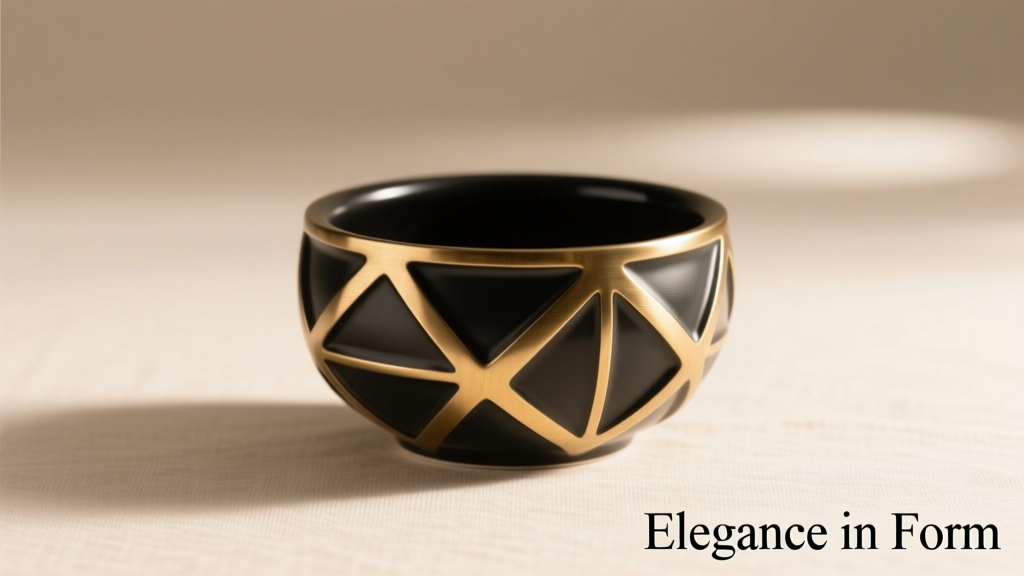
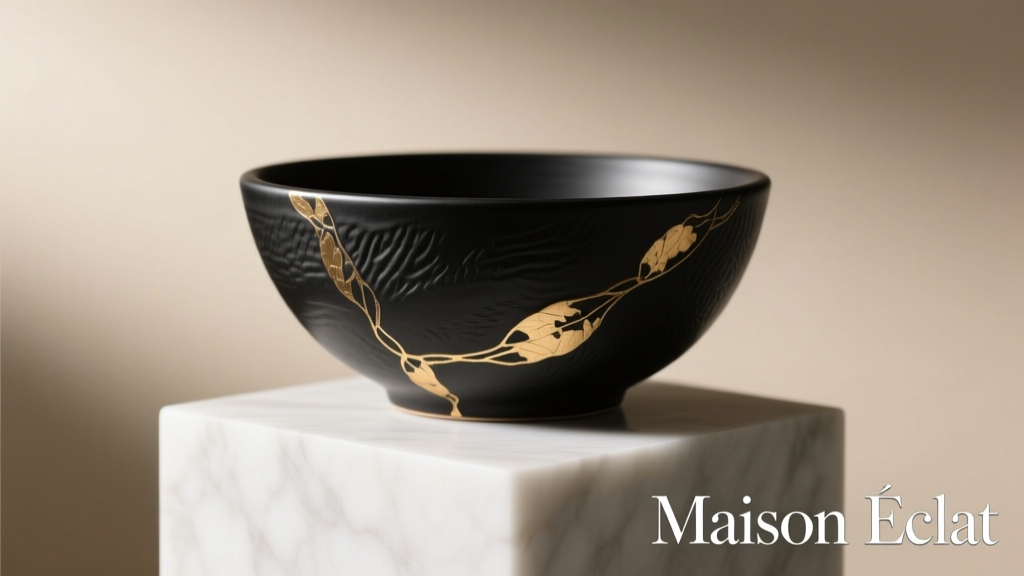
- Reusability > ornamentation: A ceramic matcha bowl included in a wellness set gets used weekly; a velvet pouch sits in a drawer. Prioritize vessels that integrate into her existing routines.
- Legibility trumps elegance: Small, elegant fonts on ingredient cards frustrate moms with early-stage presbyopia. Sans-serif type, 12-pt minimum, and contrast ratios ≥4.5:1 are non-negotiable for accessibility.
4. A Step-by-Step Curation Process (Under 12 Minutes)
Follow this sequence—not as a checklist, but as a calibration tool. Each step eliminates options based on objective criteria, narrowing choices without sacrificing personalization.
- Anchor to one non-negotiable need: Identify the single function she relies on daily (e.g., “hydration for dry hands during winter,” “calming breathwork before bedtime”). Eliminate all sets that don’t directly serve this.
- Filter by ingredient integrity: Scan the full ingredient list. Remove any set containing: alcohol denat. (drying), synthetic fragrances (hidden allergens), or parabens (endocrine disruptors flagged by the Endocrine Society).
- Assess usage friction: Will she need new tools (e.g., a jade roller for a gua sha set)? Does the tea require boiling water (impractical for office use)? Discard sets demanding behavioral change.
- Verify supply chain transparency: Visit the brand’s “Our Process” page. If they don’t disclose manufacturing location, ingredient sourcing maps, or third-party lab reports—walk away. Ethical gifting starts with traceability.
- Test the “unboxing moment”: Imagine handing her the set. Does the first touch point (box texture, ribbon feel, weight) convey care? If it feels cheap or impersonal, no amount of marketing will override that instinct.
5. Real-World Case Study: The “Overwhelmed Teacher Mom”
Sarah, 42, teaches fifth grade in Chicago. She drinks 3–4 cups of coffee daily, has eczema-prone hands from constant handwashing, and rarely has more than 12 minutes of uninterrupted time. Last year, she received a $65 “Relaxation Retreat” set: a soy candle (she’s allergic to soy wax), a linen eye mask (too bulky for her tiny apartment closet), and chamomile tea (which made her drowsy mid-afternoon). She gifted it to her sister.
This year, her daughter applied the curation process:
- Non-negotiable need: Soothing, fast-acting hand relief (step 1).
- Ingredient filter: Removed all sets with fragrance oils or lanolin (known irritants for her eczema) (step 2).
- Usage friction: Chose a 2-oz tube of colloidal oat + ceramide cream—fits in her teacher bag, absorbs in 30 seconds (step 3).
- Transparency check: Selected a brand publishing batch-specific lab reports for heavy metals and microbial load (step 4).
- Unboxing test: The matte-finish recyclable tube has braille labeling and a subtle mint-green band—her favorite color, visible even in low light (step 5).
Sarah used the cream before every class. By week three, she’d reordered. Not because it was expensive—but because it worked, quietly, without fanfare.
6. Do’s and Don’ts: The Gifting Code You Didn’t Know Existed
| Action | Do | Don’t |
|---|---|---|
| Budgeting | Allocate 70% to core functionality (e.g., serum, cream, tea), 30% to meaningful extras (personalized note, reusable vessel) | Stretch to “premium” pricing without verifying ingredient potency or ethical sourcing |
| Personalization | Add a handwritten note naming *one specific thing* you appreciate (e.g., “Your laugh when I burned toast last Tuesday—still my reset button”) | Use generic engraving (“World’s Best Mom”) or assume she wants monogrammed items |
| Timing | Order 10 days pre-holiday; ship to her workplace if home delivery is unreliable | Rely on “express shipping” promises—32% of Mother’s Day gifts arrive late due to carrier volume spikes |
| Gifting context | Pair the set with an experience she controls (e.g., “You choose: 30 mins of silence while I handle dinner, or I’ll walk the dog twice tomorrow”) | Attach expectations (“Use this every night!”) or tie it to performance (“Hope this helps you relax *more*”) |
7. FAQ: Questions Real Moms Ask (But Rarely Out Loud)
Can I mix and match items from different brands into my own gift set?
Absolutely—and often, it’s superior. Combining a locally roasted decaf blend (supporting her community), a small-batch balm from a neurodivergent-owned apothecary, and a handmade ceramic mug creates layered meaning no mass-produced set can replicate. Just ensure compatibility: don’t pair retinol serum with acidic vitamin C toners, or essential-oil candles with respiratory sensitivities.
Are subscription-based gift sets worth it?
Only if they adapt. Static monthly deliveries (same tea, same soap) lose relevance after 3 months. Look for services that adjust based on feedback—like a skincare subscription that swaps formulas seasonally or a book club set that curates titles matching her stated interests (e.g., “biographies of women in STEM” rather than “bestsellers”).
What if Mom says she “doesn’t want anything”?
She likely means she doesn’t want clutter, obligation, or performative gifts. Respond with zero-pressure utility: a pre-paid car wash voucher (with no expiration), a “no questions asked” coupon for you to handle one chore she dreads (e.g., cleaning gutters, organizing tax files), or a donation in her name to a cause she champions—with a handwritten note explaining why *that* cause matters to *you*, too.
Conclusion
Choosing the best gift set for Mom isn’t about finding perfection—it’s about practicing presence. It’s noticing how she holds her shoulders after a long day, remembering her offhand comment about wanting softer towels, or recalling the exact shade of green in her favorite garden herb. Every decision—from ingredient transparency to packaging weight—carries quiet significance. The most cherished sets aren’t those wrapped in gold foil, but those wrapped in attention: attention to her body’s signals, her values, her unspoken fatigue, and her enduring, uncomplicated love. Start small. Revisit one item you’ve bought before—the hand cream, the tea, the candle—and ask: *Does this still reflect who she is today?* Then act. Not to impress, but to honor. Not to give a gift, but to extend grace—in a bottle, a box, or a single, perfectly chosen gesture.
💬 Your turn. What’s one small detail you’ve noticed about Mom lately—the kind that reveals her true self? Share it below. Let’s build a library of real, resonant observations—not assumptions—to guide better gifting, together.