Materials Used for Sculptural Forms
The creation of sculptural forms spans centuries and cultures, with artists choosing materials based on availability, workability, durability, and aesthetic expression. From traditional earth-based mediums to modern synthetic compounds, each material offers unique properties that influence both the creative process and the final artwork. Below is a comprehensive overview of the most widely used sculptural materials, their characteristics, advantages, and ideal applications.
Clay
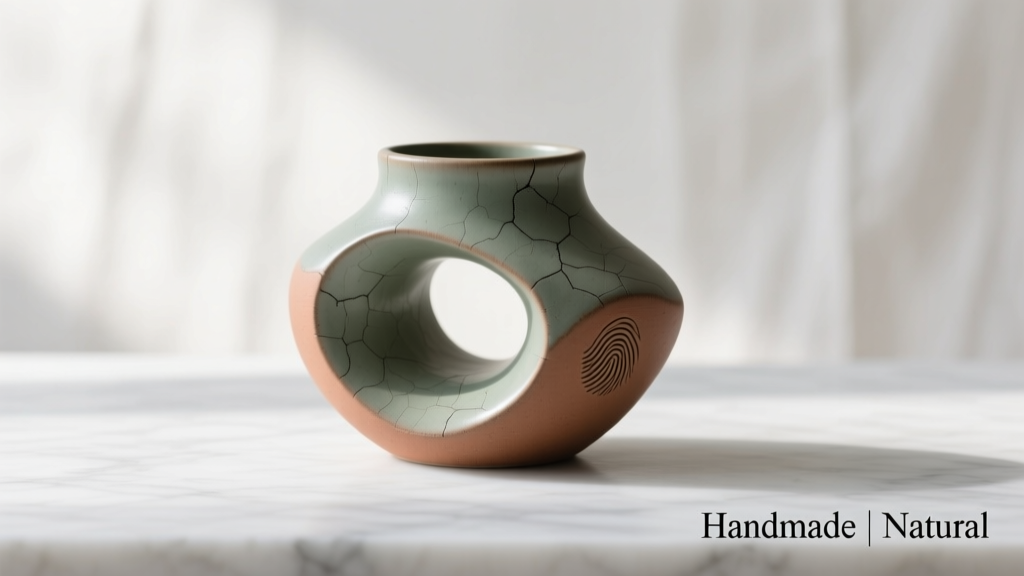
A versatile and accessible medium, clay is ideal for both beginners and experienced sculptors. Types include plasticine (non-hardening), air-dry clay, and ceramic clay that requires kiln firing. Natural clays typically exhibit earthy tones but can be glazed or painted for vibrant finishes.
Advantages
- Highly malleable and easy to shape
- Excellent for capturing fine details and textures
- Cost-effective and widely available
- Suitable for both small studies and large-scale works
Limitations
- Fired ceramics are fragile and prone to cracking
- Requires access to kilns for permanent pieces
- Not ideal for outdoor installations without sealing
Best for: Figurative sculpture, pottery, prototyping, educational settings
Stone
One of the oldest sculptural materials, stone has been used since prehistoric times to create enduring masterpieces. Common types include marble, limestone, sandstone, and granite. Marble is prized for its smooth finish and translucency, while granite offers extreme durability but demands specialized tools.
Advantages
- Exceptional durability and longevity
- Timeless, elegant aesthetic
- Can be polished to a high luster
- Ideal for monumental and outdoor sculptures
Limitations
- Heavy and difficult to transport
- Requires significant physical effort and skill to carve
- Expensive tools and safety equipment needed
Best for: Classical sculpture, public art, memorials, architectural integration
Wood
A warm and organic material, wood has been used in sculpture across cultures for its natural beauty and workability. Popular types include cedar, mahogany, oak, walnut, and basswood. Each species offers unique grain patterns, colors, and densities, influencing both carving techniques and final appearance.
Advantages
- Relatively lightweight and easy to carve
- Natural warmth and aesthetic appeal
- Versatile—can be carved, burned, or laminated
- Renewable and eco-friendly when sourced responsibly
Limitations
- Prone to warping, cracking, or insect damage
- Requires sealing or finishing for outdoor use
- Hardwoods demand sharp, durable tools
Best for: Religious art, folk sculpture, decorative carvings, interior installations
Metal
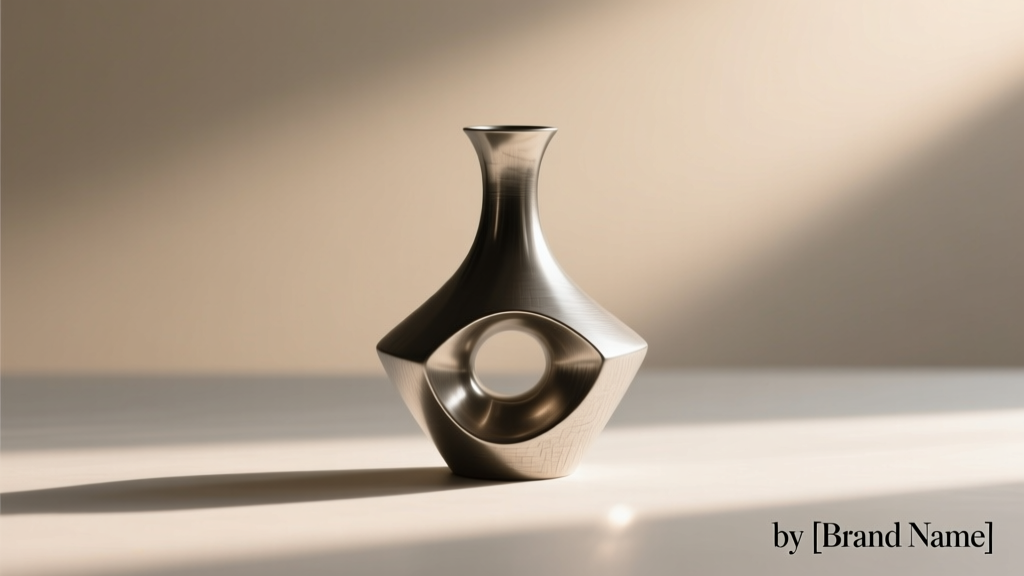
Metal sculpture combines strength with artistic expression, often used for large-scale or contemporary works. Common metals include bronze (cast), steel (welded or forged), and aluminum (lightweight and corrosion-resistant). Techniques range from lost-wax casting to direct metal fabrication.
Advantages
- Extremely durable and weather-resistant
- Allows for dynamic, abstract, and large-scale forms
- Bronze captures intricate detail exceptionally well
- Can develop a desirable patina over time
Limitations
- High cost of materials and tools
- Requires specialized skills (welding, foundry work)
- Heavy and challenging to move or install
Best for: Public art, modern and abstract sculpture, outdoor installations, kinetic art
Plastics
Modern synthetic materials like acrylic (Plexiglas), polyvinyl chloride (PVC), and polystyrene have expanded the possibilities of sculptural art. These materials can be molded, cast, cut, or 3D-printed, enabling innovative forms and translucent effects. Their use has grown significantly in contemporary and experimental art.
Advantages
- Lightweight and easy to manipulate
- Available in transparent, colored, or reflective finishes
- Weather-resistant (especially PVC for outdoor use)
- Ideal for geometric, futuristic, or minimalist designs
Limitations
- Can degrade under prolonged UV exposure
- Limited textural depth compared to natural materials
- Perceived as less "traditional" or prestigious
Best for: Contemporary art, installations, conceptual pieces, indoor displays
| Material | Workability | Durability | Aesthetic Qualities | Ideal Use Cases |
|---|---|---|---|---|
| Clay | Excellent | Medium (fired) | Earthy, customizable with glaze | Beginner projects, ceramics, modeling |
| Stone | Fair (hard stones) | Excellent | Prestigious, smooth, timeless | Monuments, classical art, exteriors |
| Wood | Good (softwood), Fair (hardwood) | Good (with maintenance) | Warm, organic, textured | Carvings, folk art, interiors |
| Metal | Fair (requires tools) | Excellent | Industrial, reflective, strong | Public art, modern sculpture, outdoors |
| Plastics | Excellent | Good (UV-sensitive) | Modern, transparent, colorful | Contemporary art, installations, design |
Expert Tip: When working with clay or wood, always consider the drying or curing process—uneven shrinkage can cause cracks. For outdoor metal sculptures, apply protective coatings or allow natural patina formation for both beauty and preservation.
Usage and Scenarios for Sculptural Forms
Sculptural forms have played a vital role in human expression, culture, and design across centuries. From ancient monuments to modern installations, sculptures serve both aesthetic and functional purposes in diverse environments. Their adaptability allows them to enhance public, private, spiritual, and performative spaces while conveying cultural narratives, emotional depth, and artistic innovation.
1. Public Spaces: Art in the Urban Fabric
Sculptures in public spaces are essential elements of urban design and community identity. Installed in parks, plazas, city squares, and along pedestrian pathways, these artworks transform ordinary environments into engaging, thought-provoking areas. Public sculptures often serve dual roles—both artistic and functional. For instance, a sculptural bench provides seating while doubling as a visual centerpiece. Others act as landmarks or navigational cues within a cityscape.
Beyond beautification, public sculptures frequently commemorate historical events, honor cultural figures, or reflect societal values. War memorials, heritage markers, and abstract tributes foster collective memory and civic pride. Interactive or kinetic sculptures invite public engagement, encouraging dialogue and connection among diverse audiences. When thoughtfully integrated, these works contribute to placemaking, economic revitalization, and a sense of belonging.
2. Gardens and Landscapes: Harmony Between Nature and Art
In gardens and natural landscapes, sculptural forms create dynamic relationships between art and the environment. Crafted from durable materials such as stone, bronze, stainless steel, or weather-resistant wood, garden sculptures withstand outdoor conditions while enhancing the sensory experience of a space.
These works often serve as focal points, drawing the eye and guiding movement through a landscape. A carefully placed sculpture can frame a view, highlight a water feature, or contrast with surrounding greenery. Some are designed specifically for aquatic settings—such as fountains or submerged installations—that incorporate water flow and reflection into their artistic expression.
Garden sculptures also carry symbolic meaning. Abstract forms may evoke tranquility or movement, while figurative pieces can represent mythological themes or seasonal cycles. Artists and landscape designers collaborate to ensure that scale, color, and texture complement the planting scheme and overall garden theme. Seasonal adaptations—like painted or illuminated sculptures—add versatility and allow for evolving displays throughout the year.
3. Interior Spaces: Sculpture as Atmosphere and Identity
Within homes, offices, museums, and galleries, sculptural forms elevate interior design by adding dimension, texture, and narrative depth. Unlike two-dimensional art, sculptures occupy physical space, creating an immersive experience that changes with the viewer’s perspective.
In residential settings, sculptures reflect personal taste and storytelling—whether it’s a family heirloom, a contemporary art piece, or a handcrafted ceramic form. In corporate environments, large-scale installations convey brand values, inspire creativity, and define architectural character. In art galleries, dedicated exhibition areas showcase sculptural art through curated lighting, spatial arrangement, and interpretive context.
Interior sculptures range from small tabletop pieces to monumental installations suspended from ceilings or integrated into walls. Materials vary widely, including glass, resin, fabric, and mixed media, allowing for experimentation in form and light. Their presence transforms static rooms into dynamic environments, stimulating conversation and emotional response.
4. Theater and Performance Art: Sculpture in Motion
Sculptural forms are integral to theatrical productions and performance art, where they transcend static display to become active participants in storytelling. Costumes, masks, props, and set designs often incorporate sculptural techniques—crafted with precision to support movement, visibility, and dramatic effect.
Giant puppets, such as those used in parades or avant-garde theater, are prime examples of performative sculpture. These large-scale figures are engineered for mobility, often manipulated by teams of performers. They enable symbolic representation, amplify emotional impact, and engage audiences in immersive narratives. In dance and opera, sculptural elements may define the stage environment or interact directly with performers.
Beyond visual impact, these forms enhance functionality—supporting acrobatics, concealing mechanisms, or enabling transformation during a scene. The fusion of artistry and engineering ensures that sculptural components are both expressive and practical, contributing significantly to the overall theatrical experience.
5. Religious and Spiritual Contexts: Symbols of Faith and Devotion
For millennia, sculptural forms have held profound significance in religious and spiritual traditions worldwide. Statues of deities, saints, ancestral figures, and sacred symbols serve as focal points for worship, meditation, and ritual practice. Found in temples, churches, shrines, and pilgrimage sites, these sculptures bridge the material and the divine.
In many cultures, the creation of religious sculpture follows strict iconographic rules, ensuring doctrinal accuracy and spiritual authenticity. Materials such as marble, gold leaf, wood, or terracotta are chosen not only for durability but also for their symbolic resonance—light, purity, earthiness, or transcendence.
These works facilitate both communal ceremonies and personal devotion. Believers may offer prayers, flowers, or incense before a statue, treating it as a conduit to the sacred. In some traditions, sculptures are believed to house spiritual presence or energy. Pilgrimage destinations often feature monumental sculptures—like the Great Buddha of Nara or the Statue of Liberty as a symbol of hope—drawing millions seeking inspiration, healing, or enlightenment.
| Context | Primary Function | Common Materials | Examples |
|---|---|---|---|
| Public Spaces | Beautification, commemoration, wayfinding | Bronze, steel, concrete, stone | War memorials, interactive installations, urban benches |
| Gardens & Landscapes | Visual focus, environmental integration | Stone, metal, ceramics, water-compatible composites | Fountains, kinetic garden art, seasonal displays |
| Interior Spaces | Atmosphere enhancement, personal expression | Wood, glass, resin, mixed media | Gallery exhibits, decorative home art, corporate installations |
| Theater & Performance | Narrative support, visual spectacle | Papier-mâché, foam, fabric, lightweight alloys | Giant puppets, wearable art, stage props |
| Religious & Spiritual | Devotion, symbolism, ritual use | Marble, gold, wood, terracotta | Idols, icons, temple carvings, pilgrimage statues |
Note: When commissioning or installing sculptural forms, consider environmental conditions, cultural sensitivity, accessibility, and long-term maintenance. Outdoor pieces require weather-resistant materials and regular upkeep, while indoor or sacred installations should respect spatial proportions and contextual meaning. Collaborating with artists, architects, and community stakeholders ensures that sculptural works are meaningful, sustainable, and inclusive.
How To Choose Sculptural Forms
Selecting the right sculptural form is a thoughtful process that blends artistic vision, functional needs, and environmental context. Whether for public art, private collections, or integrated design elements, the success of a sculpture depends on how well it aligns with its intended purpose, space, and audience. Below are key considerations to guide informed and impactful decisions when choosing sculptural forms.
Purpose and Intent
The function and conceptual goal of a sculpture should be the foundation of any design decision. Is the piece meant to inspire, decorate, provoke thought, or serve a practical role? Understanding the intent ensures the form supports the message.
- Public Art: Often symbolic or abstract, designed to engage communities and reflect cultural identity
- Architectural Integration: Sculptures that double as seating, lighting, or environmental features should prioritize usability and ergonomics
- Indoor Display: Figurative or intimate works in homes or galleries benefit from detailed craftsmanship and emotional resonance
- Landscape Enhancement: Outdoor sculptures can define spaces, guide movement, or complement natural elements
Key insight: Always align the sculpture’s form with its primary function—whether aesthetic, narrative, or utilitarian.
Scale and Proportion
The size of a sculpture must harmonize with its environment. A piece that is too large can overwhelm a space, while one that is too small may go unnoticed. Proportion also affects visual balance and spatial dynamics.
- Large-scale sculptures work best in open plazas, parks, or building exteriors where they can be viewed from multiple angles
- Smaller sculptures are ideal for interior settings, tabletop displays, or intimate garden nooks
- Consider sightlines—how the sculpture appears from different distances and elevations
- In architectural contexts, proportion should complement surrounding structures and human scale
Design tip: Use mockups or digital renderings to visualize the sculpture in situ before finalizing dimensions.
Style and Aesthetic
The visual language of the sculpture should resonate with the overall design theme of the space. Whether minimalist, classical, organic, or avant-garde, consistency in style enhances cohesion and impact.
- Modern & Minimalist: Clean lines, geometric forms, and monochromatic finishes suit contemporary interiors and urban spaces
- Classical & Figurative: Realistic human or animal forms evoke tradition and timelessness, often used in formal gardens or institutions
- Organic & Nature-Inspired: Flowing shapes, textured surfaces, and biomorphic designs blend seamlessly with natural landscapes
- Abstract & Expressive: Non-representational forms encourage interpretation and emotional response
Creative note: Surface treatment—polished, patinated, rough-hewn, or weathered—can dramatically alter perception and mood.
Material Selection
The choice of material influences durability, maintenance, cost, and aesthetic expression. Each medium brings unique qualities to the sculptural form.
- Stone (marble, granite, limestone): Timeless and durable, ideal for outdoor installations; requires skilled carving
- Metal (bronze, steel, aluminum): Offers strength and versatility; bronze allows fine detail, while corten steel develops a protective rust finish
- Wood: Warm and organic, best suited for sheltered environments; prone to weathering if untreated
- Clay & Ceramics: Excellent for detailed work and indoor pieces; fragile and less suitable for harsh climates
- Composite & Recycled Materials: Sustainable options gaining popularity in eco-conscious design
Engineering consideration: Heavier materials may require reinforced foundations or structural support, especially in public installations.
Symbolism and Meaning
Sculptures often carry deeper narratives, cultural significance, or emotional weight. The form becomes a vessel for storytelling, identity, or philosophical ideas.
- Animal forms may symbolize strength, freedom, or spiritual guidance (e.g., eagles, lions, horses)
- Human figures can represent historical figures, mythological themes, or universal human experiences
- Abstract shapes might convey movement, growth, or interconnectedness through form and negative space
- Public monuments often use symbolism to honor events, people, or collective values
Cultural sensitivity: Be mindful of symbolic meanings across different communities to ensure respectful and inclusive representation.
Environmental and Contextual Fit
A successful sculpture doesn’t exist in isolation—it interacts with light, weather, surrounding architecture, and human activity.
- Outdoor sculptures must withstand UV exposure, moisture, temperature fluctuations, and potential vandalism
- Consider how sunlight interacts with reflective surfaces or casts shadows throughout the day
- In urban settings, noise, pollution, and foot traffic influence material and form choices
- Natural settings call for forms that complement rather than compete with the landscape
Sustainability tip: Opt for locally sourced, low-impact materials and finishes that age gracefully over time.
Professional Recommendation: When selecting a sculptural form, begin with a clear vision of purpose and audience. Collaborate with artists, architects, or designers to ensure technical feasibility and artistic integrity. For public or commercial projects, consider community input and long-term maintenance. A well-chosen sculpture not only enhances a space but becomes a lasting landmark of meaning and beauty.
| Project Type | Recommended Form | Ideal Materials | Key Considerations |
|---|---|---|---|
| Urban Public Plaza | Abstract or symbolic | Stainless steel, bronze, granite | Durability, vandal resistance, visibility from multiple angles |
| Residential Garden | Organic or figurative | Stone, copper, treated wood | Weather resistance, scale, integration with plants |
| Corporate Lobby | Minimalist geometric | Polished metal, glass, composite | Professional tone, low maintenance, spatial harmony |
| Educational Institution | Narrative or historical | Cast bronze, limestone, concrete | Cultural relevance, educational value, accessibility |
Additional Considerations
- Lighting: Strategic illumination can enhance visibility and drama, especially for evening viewing
- Accessibility: Ensure sculptures are viewable and engaging for all audiences, including those with disabilities
- Maintenance: Plan for cleaning, corrosion protection, and potential repairs, particularly for outdoor installations
- Permitting & Regulations: Public art may require approvals, structural engineering, or compliance with zoning laws
- Budget & Timeline: Complex forms or rare materials increase costs and production time—balance ambition with practicality
Understanding Sculptural Forms in Art: A Comprehensive Q&A Guide
Sculptural forms are a fundamental aspect of three-dimensional art, offering viewers a tactile and spatial experience that goes beyond flat surfaces. This guide explores key questions about sculptural forms, their definitions, types, and significance in the world of visual art. Whether you're an art student, educator, or enthusiast, this resource provides clear, detailed answers to deepen your understanding of sculpture as an artistic medium.
Note: While terminology may vary slightly between institutions and art historians, the classifications and definitions provided here reflect widely accepted standards in contemporary art education and practice.
Q1: What are sculptural forms in art?
A1: Sculptural forms in art refer to three-dimensional representations created by artists using a variety of materials such as stone, metal, wood, clay, or mixed media. These forms occupy physical space and can be experienced from multiple angles, offering depth, volume, and texture. Sculptural forms express artistic vision through shape, mass, and surface, allowing artists to explore themes of form, balance, movement, and emotion in tangible ways. From ancient statues to modern installations, sculptural forms play a vital role in cultural expression and aesthetic innovation.
Q2: What does form mean in sculpture?
A2: In sculpture, "form" refers to the complete three-dimensional structure of the artwork—its shape, volume, mass, and spatial presence. Unlike two-dimensional art where form is implied, sculptural form is physically real and can be walked around, touched (when permitted), and viewed under changing light conditions. A sculpture’s form may be abstract, geometric, or representational (such as human figures, animals, or objects). The interplay of positive space (the solid material) and negative space (the areas around and within the sculpture) is also a critical component of sculptural form.
Q3: What are the three main types of sculptures?
A3: The three primary categories of sculpture are:
- Relief Sculpture: Attached to a flat background surface (such as a wall or panel), relief sculptures project outward to varying degrees. They are classified as low relief (bas-relief) or high relief (alto-rilievo), depending on how much the forms extend from the background.
- Freestanding (or In-the-Round) Sculpture: Fully three-dimensional and not attached to a background, these works can be viewed from all sides. Examples include statues, busts, and abstract forms placed on pedestals or in open spaces.
- Moving (Kinetic) Sculpture: Designed to move, either through mechanical means, motors, or natural forces like wind or water. Kinetic sculptures introduce time and motion as elements of the artwork, creating dynamic visual experiences.
Q4: What are the four sculptural forms?
A4: Expanding on traditional classifications, the four major sculptural forms recognized in modern art are:
- Relief: Projects from a flat backing surface; commonly seen in architectural carvings and commemorative plaques. The depth of projection determines whether it's bas-relief or high relief.
- Full Round (Freestanding): Fully independent, three-dimensional sculptures that invite viewing from every angle. These are often displayed centrally in galleries or public spaces.
- Kinetic Sculptures: Incorporate actual movement, either through motors, wind, or viewer interaction. Artists like Alexander Calder pioneered this form with his famous mobiles.
- Assemblage: Constructed by combining disparate objects, materials, or found items into a unified artwork. Assemblage blurs the line between sculpture and collage, often carrying symbolic or conceptual meaning.
These forms reflect the evolution of sculpture beyond traditional carving and modeling into experimental and interdisciplinary practices.
Q5: Are three-dimensional forms sculptures?
A5: Yes, all sculptures are three-dimensional forms by definition. They possess height, width, and depth, allowing them to occupy real space and be perceived from multiple viewpoints. While not all 3D forms are considered art (e.g., functional objects), within the context of art, any intentionally created three-dimensional piece—whether carved, modeled, cast, constructed, or assembled—is classified as a sculpture. This distinguishes sculpture from two-dimensional media like painting or drawing, which only simulate depth.
| Sculptural Form | Description | Common Materials | Notable Examples |
|---|---|---|---|
| Relief | Projects from a flat background; viewed primarily from front | Stone, plaster, wood, metal | Greek temple friezes, Maya stelae |
| Full Round (Freestanding) | Complete 3D form; viewable from all sides | Marble, bronze, clay, resin | Michelangelo’s David, Rodin’s The Thinker |
| Kinetic | Incorporates movement; often interactive or motorized | Metal, plastic, electronics, wind-powered elements | Alexander Calder’s mobiles, George Rickey’s wind sculptures |
| Assemblage | Constructed from found or repurposed objects | Mixed media, everyday items, industrial parts | Pablo Picasso’s Guitar, Louise Nevelson’s wooden wall pieces |
Expert Tip: When analyzing a sculpture, consider not only its visual appearance but also how it interacts with space, light, and the viewer’s movement. The experience of walking around a piece or witnessing its motion can profoundly influence your interpretation of its form and meaning.
Additional Insights for Art Enthusiasts
- Understanding sculptural form enhances appreciation of both classical and contemporary art installations.
- Many modern artists blend multiple sculptural forms—for example, a kinetic assemblage made from recycled materials.
- Public art often utilizes freestanding and relief forms to engage communities and transform urban environments.
- Emerging technologies like 3D printing are expanding the possibilities for sculptural creation and form experimentation.
- Studying sculptural forms helps develop spatial reasoning and critical thinking in art education.
Sculptural forms continue to evolve as artists push the boundaries of material, technique, and concept. By understanding the core principles and categories of sculpture, viewers gain deeper insight into the creative process and the powerful ways in which art inhabits and transforms physical space.