
The global average life expectancy for women is consistently higher than for men—by about 5 to 7 years in most developed countries. This disparity isn’t new; it has persisted across decades and cultures. While some may dismiss it as a statistical quirk, the reality is far more complex. The gap between male and female lifespans stems from a combination of biological predispositions, behavioral patterns, and societal expectations. Understanding these factors not only explains why men die earlier but also reveals actionable pathways to close the gap.
Biological Factors: The Genetic and Hormonal Divide
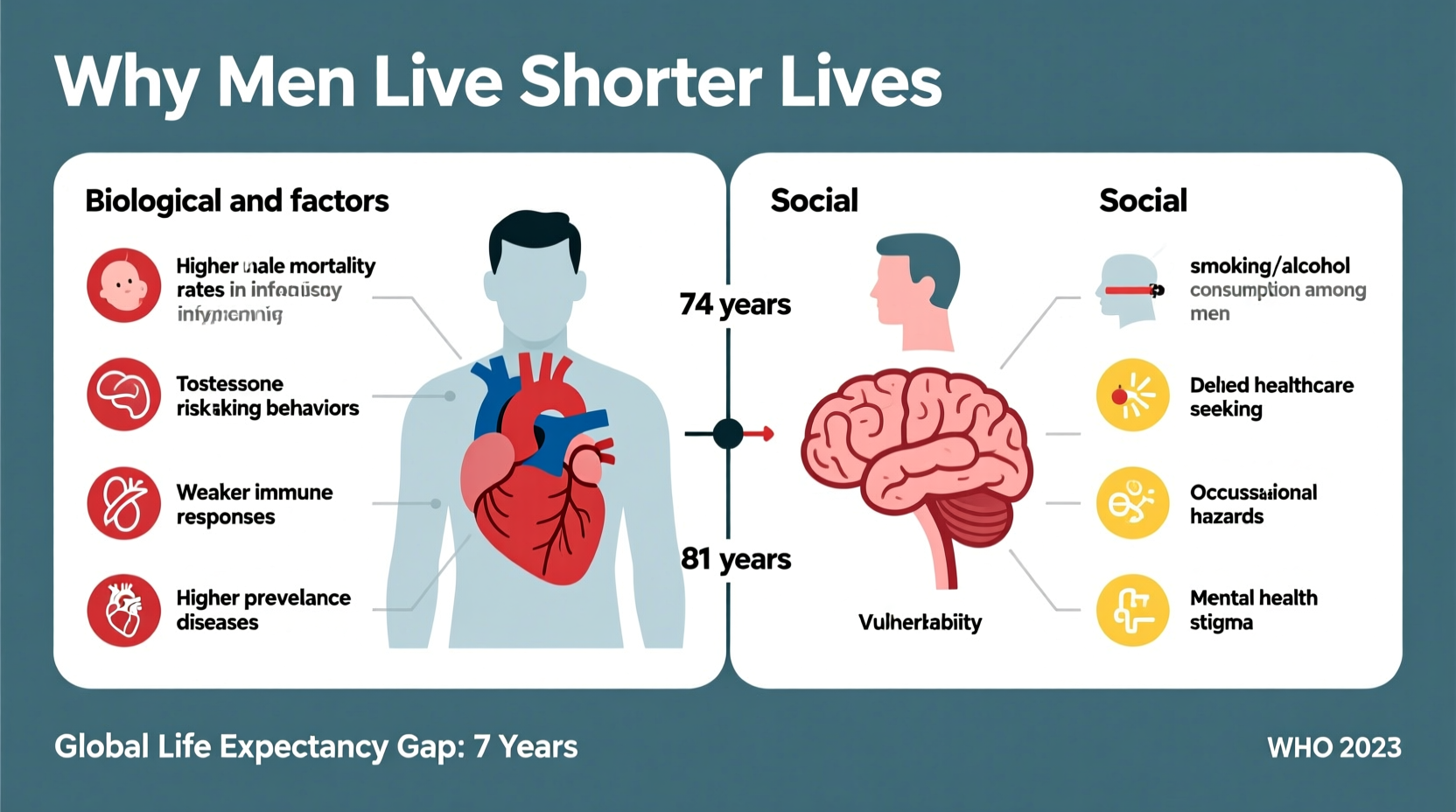
From conception, males and females differ biologically in ways that influence longevity. One key factor lies in genetics. Women have two X chromosomes, while men have one X and one Y chromosome. The X chromosome carries many genes related to immune function and DNA repair. Having two copies provides a backup if one gene malfunctions—a safety net men lack.
Hormones also play a critical role. Testosterone, predominant in men, is linked to increased risk-taking behavior and higher levels of LDL cholesterol, contributing to cardiovascular disease. Conversely, estrogen in women appears to offer protective effects on the heart and blood vessels, particularly before menopause. Studies show that premenopausal women have lower rates of heart attacks than men of the same age, suggesting hormonal advantages.
“Biologically, women are built with redundancy in key systems—like immunity and cellular repair—that gives them an edge in surviving illness and aging.” — Dr. Linda Chen, Biogerontologist at Harvard T.H. Chan School of Public Health
Behavioral Patterns: Risk, Routine, and Responsibility
Beyond biology, lifestyle choices significantly impact lifespan. Men are statistically more likely to engage in high-risk behaviors: smoking, excessive alcohol consumption, reckless driving, and workplace hazards. According to the World Health Organization, men account for nearly 80% of road traffic fatalities globally among those aged 15–49.
Diet and exercise habits also diverge. Men tend to consume more red meat, processed foods, and salt, while eating fewer fruits and vegetables. They're also less likely to meet physical activity guidelines or seek preventive care. A U.S. CDC report found that men visit doctors 30% less frequently than women, often waiting until symptoms become severe before seeking help.
Tip: Men who schedule annual check-ups reduce their risk of late-stage disease diagnosis by up to 40%.Social and Psychological Influences
Societal norms shape male identity in ways that harm health. From childhood, boys are often taught to suppress emotions, avoid vulnerability, and equate strength with silence. This “tough it out” mentality discourages help-seeking behavior, especially for mental health issues. Depression and anxiety go undiagnosed, increasing suicide risk. In fact, despite lower rates of diagnosed depression, men die by suicide at rates 3 to 4 times higher than women in most Western nations.
Workplace stress and social isolation further compound the issue. Men are more likely to work in physically demanding or hazardous jobs (e.g., construction, mining), and less likely to maintain deep social connections outside of family. Loneliness is a known mortality risk factor—comparable to smoking 15 cigarettes a day.
Real Example: James, Age 52 – A Preventable Tragedy
James, a warehouse supervisor from Ohio, had high blood pressure and a family history of heart disease. He avoided doctor visits, believing they were “for sick people.” After months of fatigue and occasional chest tightness—which he dismissed as indigestion—he suffered a fatal heart attack during his morning commute. His autopsy revealed advanced coronary artery disease, largely unmanaged. His wife later said, “He never complained. He just kept going.” James’s story reflects a common pattern: silent suffering due to cultural expectations of masculinity.
Key Differences in Health Management
| Factor | Men (Typical Pattern) | Women (Typical Pattern) |
|---|---|---|
| Annual Check-Ups | Less frequent; often symptom-driven | More routine; encouraged by reproductive care |
| Mental Health Help-Seeking | Low; stigma around therapy | Higher; greater openness to counseling |
| Smoking Rates | Historically higher (though narrowing) | Lower, especially in younger generations |
| Lifetime Doctor Visits | Average: ~180 by age 65 | Average: ~300 by age 65 |
| Chronic Disease Monitoring | Delayed diagnosis common | Earlier detection due to regular screenings |
Action Plan: How Men Can Extend Their Lifespan
The longevity gap is not inevitable. With targeted changes, men can significantly improve both the length and quality of their lives. Here's a step-by-step guide to building healthier habits:
- Prioritize Preventive Care: Schedule a comprehensive physical exam every year, including blood pressure, cholesterol, diabetes screening, and cancer checks (prostate, colon).
- Break the Silence on Mental Health: Talk openly about stress, anxiety, or sadness. Consider speaking with a therapist—even once—to normalize emotional wellness.
- Adopt a Heart-Healthy Diet: Increase intake of leafy greens, whole grains, fish, and nuts. Reduce processed meats, sodium, and sugary drinks.
- Stay Physically Active: Aim for 150 minutes of moderate aerobic activity weekly, plus strength training twice a week.
- Cultivate Relationships: Invest time in friendships, join community groups, or participate in team activities to combat isolation.
Checklist: Building a Healthier Life After 40
- ✅ Schedule an annual physical (don’t skip even if feeling fine)
- ✅ Know your numbers: BP, cholesterol, blood sugar, BMI
- ✅ Limit alcohol to ≤2 drinks per day
- ✅ Quit smoking or using tobacco products
- ✅ Practice stress management: meditation, journaling, or breathing exercises
- ✅ Get 7–8 hours of quality sleep nightly
- ✅ Connect with someone daily—emotionally, not just transactionally
Frequently Asked Questions
Is the life expectancy gap shrinking?
Yes, in many countries the gap has slightly narrowed over the past decade. This is largely due to declining smoking rates among men and improved awareness of heart disease risks. However, progress has stalled in some regions where opioid use, suicide, and obesity are rising.
Do women age slower than men?
Not exactly. Both sexes age at similar chronological rates, but women often exhibit slower biological aging. Telomeres—the protective caps on chromosomes—tend to shorten more slowly in women, and their cells show greater resistance to oxidative stress, which contributes to delayed onset of age-related diseases.
Can men catch up in longevity with lifestyle changes?
Absolutely. Research from the University of Cambridge shows that men who adopt five key healthy behaviors—no smoking, moderate drinking, healthy weight, regular exercise, and balanced diet—can gain up to 12 additional years of life compared to those with none.
Conclusion: Closing the Gap Starts Today
The shorter lifespan of men is not written in stone—it’s shaped by choices, culture, and access to care. Biology may load the gun, but behavior pulls the trigger. Every man has the power to change his trajectory through small, consistent actions: showing up for appointments, speaking honestly about feelings, eating better, moving more, and connecting deeply.
This isn’t about competing with women’s longevity—it’s about giving men the chance to live full, vibrant lives into old age. The tools are available. The knowledge is clear. Now it’s time to act.
💬 What’s one health habit you’re committing to this month? Share in the comments and inspire others to take charge of their longevity journey.