
Personal growth isn’t a destination—it’s a continuous journey shaped by daily choices, mindset shifts, and intentional actions. Many people wait for motivation or a major life event to spark change, but real progress comes from consistent, small improvements. The most successful individuals aren’t necessarily the most talented; they’re often the ones who commit to self-awareness, discipline, and learning. By applying practical, research-backed strategies, anyone can improve their habits, relationships, and overall sense of fulfillment.
1. Master the Power of Daily Habits
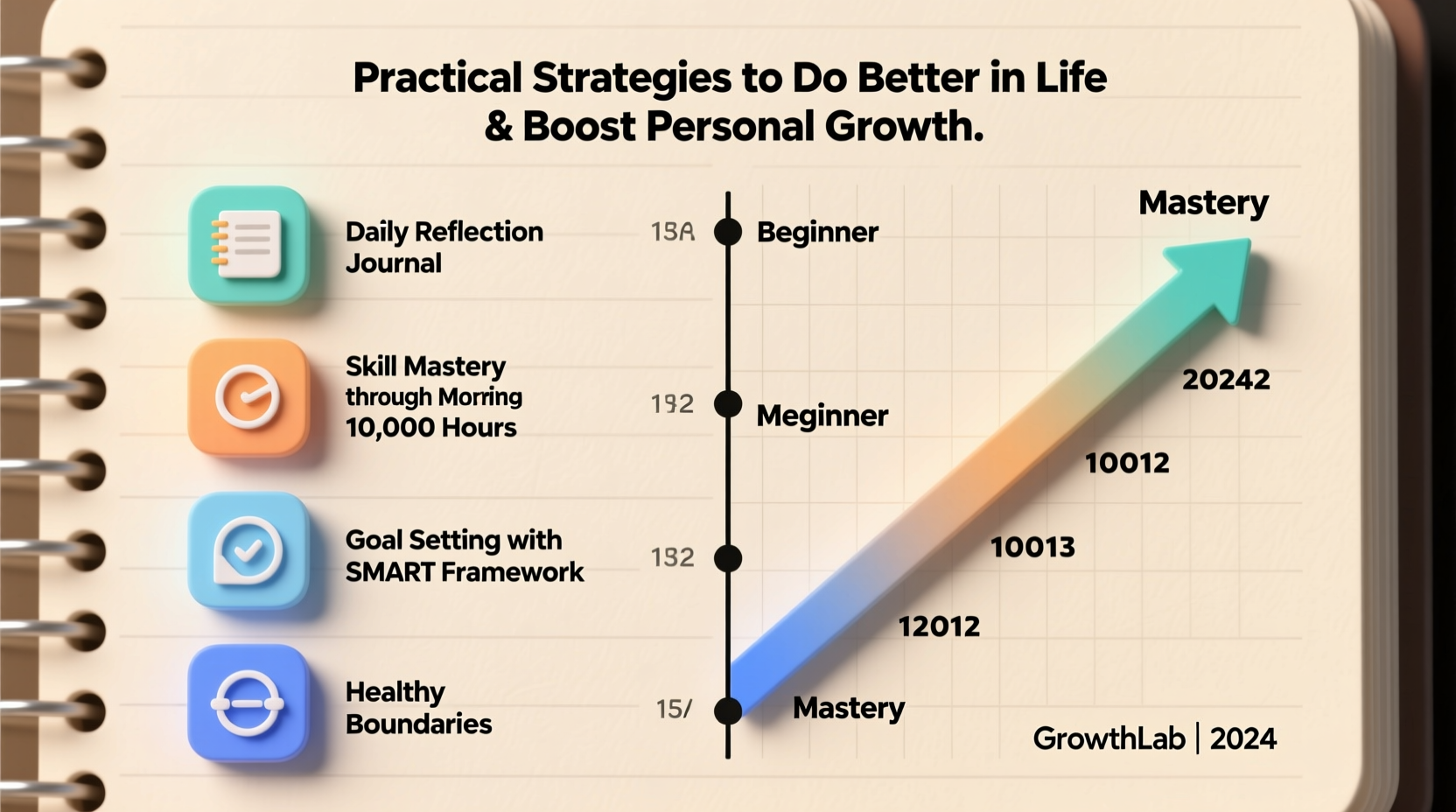
Habits are the invisible architecture of long-term success. Small behaviors repeated over time compound into significant results. Instead of chasing dramatic transformations, focus on building systems that support gradual improvement.
Start by identifying one keystone habit—something simple that positively influences other areas of your life. For example, waking up 30 minutes earlier allows time for exercise, planning, or reading. Once established, this single change can enhance productivity, mood, and decision-making throughout the day.
Tip: Use habit stacking—attach a new behavior to an existing routine. If you already brush your teeth every morning, follow it with two minutes of mindfulness.Track your progress with a habit tracker. Studies show that visible accountability increases adherence. Whether using a paper calendar or a mobile app, marking each completed day reinforces commitment and builds momentum.
2. Set Goals with Clarity and Purpose
Vague aspirations like “be happier” or “get better at life” rarely lead to action. Effective goal-setting requires specificity, measurement, and emotional resonance.
Use the SMART framework: Specific, Measurable, Achievable, Relevant, Time-bound. Instead of “exercise more,” aim for “walk 30 minutes after dinner five days a week for the next three months.” This clarity removes ambiguity and makes tracking possible.
But beyond structure, connect your goals to deeper values. Ask: Why does this matter? If improving health means being more present for your children, that emotional anchor strengthens resolve during setbacks.
“People with clear, written goals accomplish far more than those who don’t—even when talent levels are equal.” — Brian Tracy, Personal Development Expert
Goal-Setting Checklist
- Define one primary goal per area (health, career, relationships, personal development)
- Break it into quarterly milestones
- Identify potential obstacles and solutions
- Review weekly and adjust as needed
- Write your 'why' and keep it visible
3. Cultivate Emotional Intelligence
Technical skills get you hired; emotional intelligence gets you promoted—and helps you live well. EQ (emotional quotient) involves self-awareness, self-regulation, empathy, and social skills. It directly impacts relationships, stress management, and decision-making.
Begin by observing your emotional triggers. When frustration arises, pause and ask: What am I really reacting to? Often, surface emotions mask deeper concerns like insecurity or unmet needs.
Practice active listening. In conversations, focus fully on the speaker instead of planning your response. Reflect back what you hear: “It sounds like you’re feeling overwhelmed because of the deadline.” This builds trust and reduces conflict.
| Skill | Practice Method | Expected Benefit |
|---|---|---|
| Self-awareness | Daily journaling about emotions and reactions | Better impulse control |
| Empathy | Ask open-ended questions in conversations | Stronger relationships |
| Stress regulation | Breathing exercises (e.g., box breathing) | Improved focus under pressure |
4. Learn Continuously and Apply Knowledge
Growth stops when learning stops. The world changes rapidly, and staying relevant—both professionally and personally—requires curiosity and effort.
Read widely, not just within your field. Books on psychology, history, or philosophy offer perspectives that sharpen critical thinking. Dedicate at least 20 minutes a day to focused reading or listening to educational podcasts.
But knowledge without application is inert. After reading a book on communication, try one technique in your next meeting. Test, reflect, refine. This cycle turns information into wisdom.
Tip: Follow the 70/20/10 rule: 70% of learning should come from experience, 20% from feedback and relationships, 10% from formal education.Mini Case Study: From Stagnation to Growth
Mark, a mid-level manager in tech, felt stuck despite good performance reviews. He worked long hours but lacked direction. After reading *Atomic Habits*, he started small: five minutes of planning each morning and 15 minutes of skill-building three times a week. He also requested monthly feedback from peers. Within six months, his confidence grew. He initiated a cross-departmental project, which led to a promotion. His breakthrough wasn’t a sudden leap—it was consistency in learning and reflection.
5. Build Resilience Through Mindset and Recovery
Setbacks are inevitable. What separates high-growth individuals is not immunity to failure, but their response to it. Resilience is built through mindset, rest, and reflection.
Adopt a growth mindset, a concept developed by psychologist Carol Dweck. View challenges as opportunities to develop rather than threats to ego. Instead of “I failed,” say “I learned what doesn’t work.” This subtle shift fosters perseverance.
Equally important is recovery. Chronic stress depletes cognitive resources and impairs judgment. Schedule downtime like any other priority. Take short breaks during work, get seven to eight hours of sleep, and unplug from digital devices before bed.
“Rest is not the opposite of productivity. It’s part of it.” — Alex Soojung-Kim Pang, Author of *Rest: Why You Get More Done When You Work Less*
Step-by-Step Guide to Building Resilience (Weekly Practice)
- Monday: Set an intention for the week (e.g., “Stay calm under pressure”)
- Wednesday: Reflect on one challenge and reframe it as a learning moment
- Friday: Evaluate progress and celebrate small wins
- Sunday: Plan rest and renewal activities for the coming week
FAQ
How long does it take to see results from personal growth efforts?
Visible changes can appear in 3–6 weeks with consistent practice. However, meaningful transformation typically takes 3–12 months. Focus on process, not immediate outcomes.
Can personal growth help with anxiety or low self-esteem?
Yes. Practices like journaling, mindfulness, and goal achievement build self-trust and reduce negative self-talk. While not a substitute for therapy, personal development complements mental health treatment.
What if I keep falling back into old habits?
Relapse is normal. Instead of self-criticism, analyze the trigger: Was there a change in routine? Lack of support? Adjust your strategy and restart without delay. Progress isn’t linear.
Conclusion
Doing better in life doesn’t require perfection—it requires persistence. The strategies outlined here—habit formation, purposeful goal-setting, emotional intelligence, continuous learning, and resilience—are not quick fixes, but lifelong tools. They work not because they’re complex, but because they’re repeatable, measurable, and human-centered.
Start today. Choose one strategy. Implement it consistently for 30 days. Track your experience. Adjust as needed. Growth happens in the doing, not the planning. Over time, these practices reshape your identity, turning aspiration into action and potential into progress.
🚀 Ready to grow? Pick one strategy from this article and commit to it for the next 30 days. Share your choice in the comments—accountability starts now.