Grand Cayman, the largest of the three Cayman Islands, is a Caribbean gem known for its powdery white-sand beaches, crystal-clear waters, and vibrant marine life. Whether you're planning a romantic getaway, a family vacation, or a diving adventure, choosing the right area to stay can make all the difference. While the island spans just 76 square miles, each region offers a distinct atmosphere, accommodation style, and access to attractions. Understanding the nuances between these areas ensures you pick a location that aligns perfectly with your travel goals.
Seven Mile Beach: The Heart of Tourism and Luxury
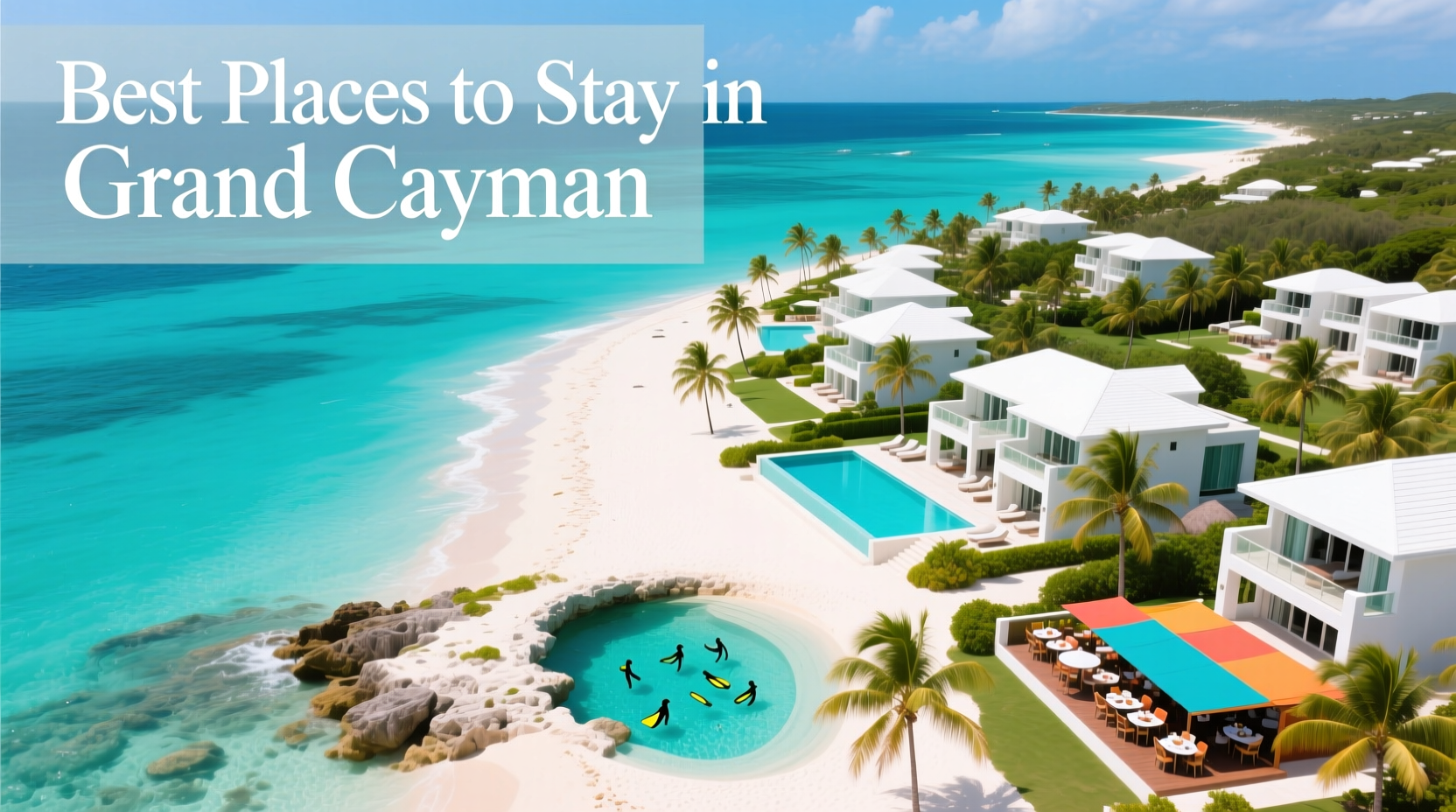
Undoubtedly the most popular destination on the island, Seven Mile Beach isn’t actually seven miles long—it’s about 5.5 miles—but it lives up to its legendary reputation. This stretch of coastline is lined with high-end resorts, boutique hotels, beachfront villas, and world-class dining options. The calm, turquoise waters are ideal for swimming, paddleboarding, and snorkeling, while the soft sand invites leisurely strolls at sunrise or sunset.
The central location makes it easy to reach duty-free shopping in George Town, local art galleries, and water sports operators. Nightlife thrives here too, with beach bars and rooftop lounges offering cocktails against panoramic ocean views. Families appreciate the safe swimming conditions, while couples often book private cabanas for a more intimate experience.
Tip: Book accommodations slightly off the main strip if you prefer quieter surroundings but still want walkable access to restaurants and activities.George Town: Urban Convenience Meets Island Charm
The capital city of Grand Cayman may be compact, but it pulses with energy. Staying in or near George Town places you steps away from financial district landmarks, cultural sites like the National Museum, and some of the island’s best restaurants serving fresh seafood and traditional Caymanian dishes such as turtle stew and conch fritters.
While George Town lacks expansive public beaches, many waterfront hotels offer private beach access or poolside relaxation. It's an excellent choice for business travelers or tourists who want to explore beyond the resort scene. The cruise port brings daytime foot traffic, so visitors can enjoy bustling markets and historic architecture without staying on a crowded ship.
Public transportation is more reliable here than in remote areas, and taxis are readily available. However, those seeking peace and quiet might find the urban pace less relaxing than other regions.
East End & Rum Point: Secluded Serenity and Local Culture
If tranquility is your priority, look no further than the northern and eastern shores. East End and Rum Point offer a slower rhythm, surrounded by mangroves, nature trails, and protected marine parks. These areas are beloved by eco-tourists, kayakers, and those interested in authentic island life.
Rum Point Club, a longstanding favorite, features a casual beach bar where visitors sip rum punches under swaying palms. Accommodations tend to be smaller—private cottages, rental homes, and boutique inns—giving guests a homier feel. Access to Stingray City is convenient via boat tours departing directly from Rum Point docks.
“The quieter parts of Grand Cayman reveal the true soul of the island—untouched nature, warm community spirit, and unmatched starlit skies.” — Julian Forbes, Cayman Islands Eco-Tourism Guide
Comparison Table: Top Areas at a Glance
| Area | Best For | Accommodation Types | Drawbacks |
|---|---|---|---|
| Seven Mile Beach | Luxury stays, families, nightlife, water sports | Resorts, condos, villas | Higher prices, peak-season crowds |
| George Town | Business travelers, culture seekers, shoppers | Hotels, serviced apartments | Limited beach access, urban noise |
| East End / Rum Point | Nature lovers, divers, privacy seekers | Cottages, rentals, small inns | Fewer dining options, limited transport |
| North Side (e.g., Crystal Caves) | Adventure tourism, cave explorers | Vacation homes, eco-lodges | Remote, fewer services |
| South Sound | Long-term stays, expats, locals | Private homes, mid-range hotels | Minimal tourist infrastructure |
A Real Traveler’s Experience: Choosing Between Bustle and Quiet
Sarah and Mark, a couple from Toronto, visited Grand Cayman for their 10th anniversary. They initially booked a resort on Seven Mile Beach but decided to spend their final two nights at a seaside cottage in Rum Point after hearing about its serenity. “The first few days were perfect—we loved the beach clubs and fine dining,” Sarah said. “But switching to Rum Point gave us something different: total peace, incredible stargazing, and a real sense of escape. Waking up to birdsong instead of jet skis was magical.” Their hybrid approach allowed them to experience both luxury and authenticity—a strategy worth considering for future visitors.
Checklist: How to Choose Your Ideal Area
- ✅ Determine your primary goal: relaxation, adventure, romance, or exploration?
- ✅ Decide whether proximity to beaches, restaurants, or dive sites matters most.
- ✅ Consider your budget—Seven Mile Beach commands premium rates, especially in winter.
- ✅ Evaluate transportation needs; renting a car is recommended outside George Town and Seven Mile Beach.
- ✅ Check if your accommodation includes extras like breakfast, Wi-Fi, or water sport credits.
- ✅ Read recent guest reviews focusing on cleanliness, service, and noise levels.
- ✅ Look into cancellation policies, especially during hurricane season (June–November).
When to Visit and How It Affects Your Stay
The time of year influences not only pricing but also crowd levels and weather conditions. Peak season runs from mid-December to April when North Americans escape colder climates. During this period, Seven Mile Beach resorts are often fully booked months in advance, and rates can double. If you prefer lower prices and fewer tourists, consider visiting between May and early June or September to November—though these months fall within hurricane season.
That said, Grand Cayman rarely experiences direct hits, and most storms pass well offshore. Many hotels offer flexible booking terms during this window, making it a smart option for budget-conscious travelers willing to monitor forecasts. Additionally, the off-season brings lush greenery and fewer lines at popular attractions like the Queen Elizabeth II Botanic Park.
Frequently Asked Questions
Is Seven Mile Beach safe for solo travelers?
Absolutely. The area is well-patrolled, brightly lit at night, and frequented by tourists and locals alike. Most resorts have 24-hour security, and walking along the beach during daylight hours is common and safe.
Do I need a car if I stay in George Town?
Not necessarily. Many key sites, restaurants, and the cruise port are within walking distance. However, having a rental car opens up access to secluded beaches, inland caves, and rural dining spots that aren’t reachable by taxi or bus.
Which area is best for scuba diving enthusiasts?
Divers often favor bases near dive operators on the West Bay side of Seven Mile Beach or those close to North Side entry points like Eden Rock. Proximity to shore dives and quick boat access to famous sites like the Kittiwake wreck make these locations ideal.
Final Thoughts and Next Steps
Selecting where to stay in Grand Cayman depends on what kind of experience you’re chasing. For glamour, convenience, and endless ocean views, Seven Mile Beach remains the gold standard. For cultural immersion and city energy, George Town delivers. And for travelers craving solitude, natural beauty, and a deeper connection to the island’s rhythms, East End and Rum Point provide a sanctuary unlike any other.
No single area is objectively “best”—only what’s best for you. By matching your priorities with the strengths of each region, you’ll lay the foundation for an unforgettable Caribbean escape.
🚀 Ready to plan your Grand Cayman getaway? Compare accommodations in your preferred area, check flight deals, and book early—especially for winter travel. Share this guide with fellow travelers to help them choose wisely too!