Skincare routines are evolving, and ingredient layering has become a cornerstone of effective regimens. Among the most talked-about combinations is niacinamide and hyaluronic acid—a pairing frequently found in serums, moisturizers, and toners. But while both ingredients are widely praised for their benefits, many users wonder: can they be safely combined? More importantly, how do they impact the skin barrier when used together?
This guide dives deep into the science behind niacinamide and hyaluronic acid, explains their compatibility, and offers practical advice on integrating them into your routine to strengthen, hydrate, and protect your skin.
The Science Behind Niacinamide and Hyaluronic Acid
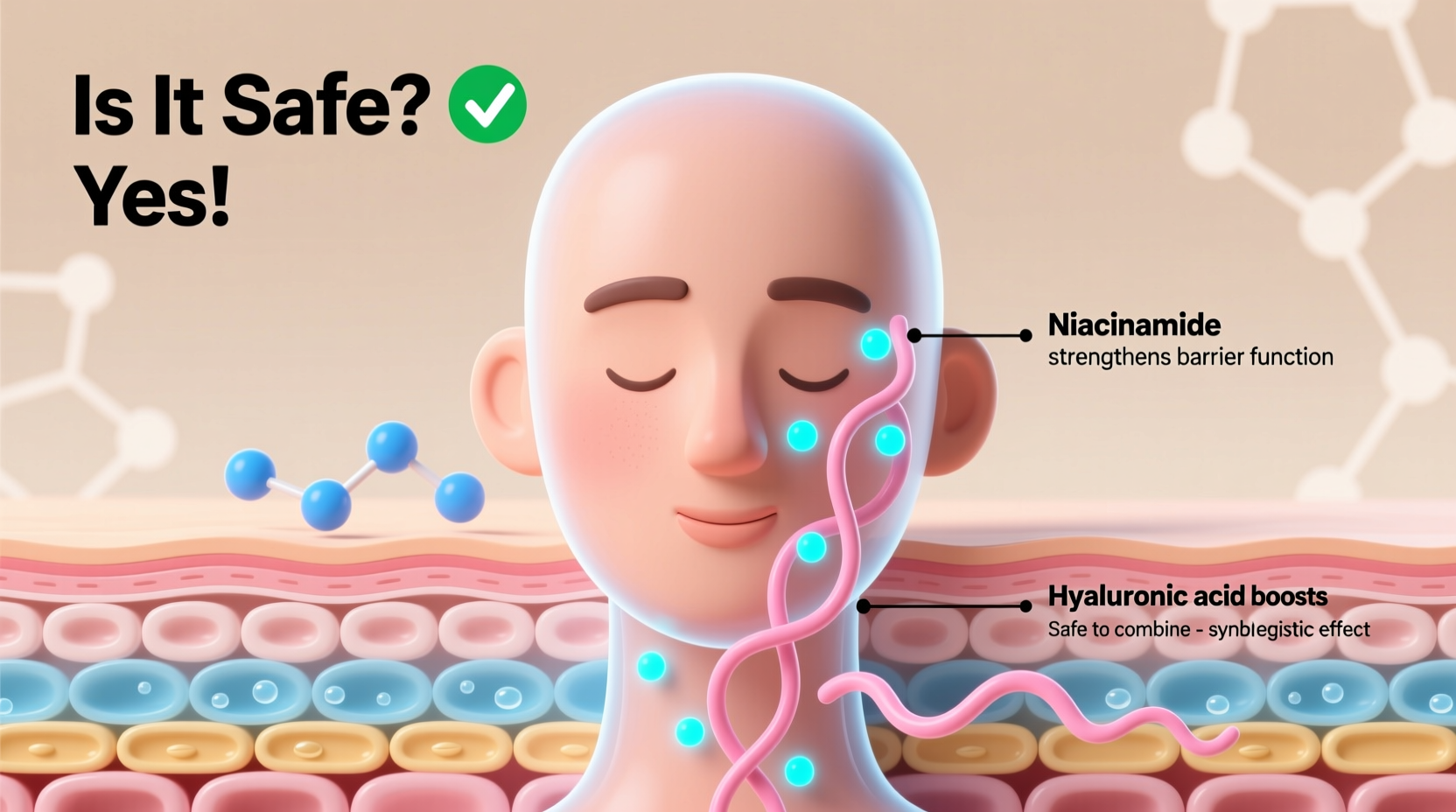
Niacinamide, also known as vitamin B3, is a water-soluble vitamin celebrated for its multitasking abilities. It plays a crucial role in cellular metabolism, helping to repair damaged skin and improve resilience. Its benefits include reducing inflammation, minimizing enlarged pores, regulating sebum production, and fading hyperpigmentation. Importantly, niacinamide strengthens the skin’s natural barrier by boosting ceramide synthesis—lipids essential for retaining moisture and defending against environmental aggressors.
Hyaluronic acid (HA), on the other hand, is a humectant naturally present in the skin. It has the remarkable ability to hold up to 1,000 times its weight in water, making it a gold standard for hydration. When applied topically, hyaluronic acid draws moisture from the environment into the epidermis, plumping the skin and smoothing fine lines. Unlike occlusives that seal in moisture, HA works by attracting water to the surface layers, making it ideal for all skin types, including oily and acne-prone complexions.
Together, these ingredients target two critical aspects of skin health: hydration and structural integrity. Their mechanisms are complementary rather than competing, which makes them a scientifically sound pair.
“Niacinamide enhances the skin’s lipid matrix, while hyaluronic acid ensures optimal hydration. Used together, they create a resilient, well-balanced complexion.” — Dr. Lena Patel, Board-Certified Dermatologist
Is It Safe to Mix Them? Debunking the Myths
A common myth circulating online claims that combining niacinamide with certain acids or active ingredients causes irritation or even converts niacinamide into nicotinic acid (niacin), leading to flushing and redness. This concern stems from outdated lab studies where high concentrations of niacinamide were exposed to extreme pH conditions—conditions not replicated in properly formulated skincare products.
In reality, modern formulations are pH-balanced and designed for stability. Most niacinamide serums sit between pH 5.0 and 6.5, which is compatible with hyaluronic acid solutions. There is no clinical evidence showing adverse reactions when these two ingredients are layered or combined in the same product.
FDA-approved over-the-counter products containing both ingredients have undergone rigorous testing for safety and efficacy. Brands like The Ordinary, Paula’s Choice, and CeraVe offer dual-ingredient formulas, further confirming their compatibility.
Tip: If you're new to either ingredient, patch test first. Apply a small amount behind the ear or on the jawline for three nights to check for sensitivity.How This Duo Supports Your Skin Barrier
The skin barrier—specifically the stratum corneum—is your body’s first line of defense. A compromised barrier leads to transepidermal water loss (TEWL), increased sensitivity, breakouts, and accelerated aging. Both niacinamide and hyaluronic acid play distinct yet synergistic roles in reinforcing this protective shield.
- Niacinamide increases the production of ceramides, fatty acids, and cholesterol—key components of the lipid bilayer that prevent moisture loss.
- Hyaluronic acid maintains surface hydration, preventing dryness-induced cracking and flaking that can weaken barrier function.
When used together, they address both internal structure and external moisture balance. For example, someone with dehydrated, sensitive skin may benefit from hyaluronic acid’s immediate plumping effect, while niacinamide gradually repairs underlying damage from pollution, UV exposure, or harsh cleansers.
This combination is especially beneficial for individuals dealing with conditions like rosacea, eczema, or post-procedure recovery, where barrier support is critical. Clinical trials have shown that topical niacinamide reduces redness and improves skin elasticity within four weeks, while hyaluronic acid provides instant relief from tightness and roughness.
Step-by-Step Guide to Layering Safely
To maximize benefits without overwhelming your skin, follow this simple timeline for incorporating both ingredients into your daily routine:
- Cleanse gently. Use a sulfate-free, non-stripping cleanser to preserve natural oils.
- Apply hyaluronic acid on damp skin. After cleansing, lightly pat your face so it remains slightly wet. This allows HA to bind more effectively to existing moisture.
- Layer niacinamide next. Wait 30–60 seconds after applying HA, then apply your niacinamide serum. This prevents dilution and ensures proper absorption.
- Seal with a moisturizer. Lock in hydration with a ceramide-rich cream or ointment to reinforce the lipid barrier.
- Finish with sunscreen (AM only). Always protect repaired skin with broad-spectrum SPF 30+ during daylight hours.
Note: You don’t need to use separate products. Many dermatologists recommend starting with a combined formula to simplify your routine and reduce risk of overloading the skin.
Do’s and Don’ts When Using Niacinamide + Hyaluronic Acid
| Do’s | Don’ts |
|---|---|
| Use on damp skin to boost HA effectiveness | Apply HA in dry environments without sealing it |
| Start with lower concentrations (e.g., 5% niacinamide) | Combine with strong exfoliants (like pure glycolic acid) immediately |
| Patch test before full-face application | Store products in humid bathrooms (can degrade formulations) |
| Pair with ceramides and peptides for enhanced repair | Expect overnight results—barrier repair takes weeks |
| Use twice daily for consistent improvement | Mix with unstable vitamin C (L-ascorbic acid at low pH) in the same routine |
Real-World Example: Repairing a Damaged Barrier
Sophie, a 32-year-old marketing executive, struggled with persistent redness and flakiness after switching to a popular retinol regimen. She had been using a foaming cleanser, followed by alcohol-heavy toners and multiple actives at night. Within weeks, her cheeks felt raw and stung upon product application.
After consulting a dermatologist, she simplified her routine: switched to a milky cleanser, discontinued harsh toners, and introduced a dual-action serum containing 5% niacinamide and multi-molecular-weight hyaluronic acid. She applied it morning and night on damp skin, followed by a thick moisturizing balm.
Within ten days, the stinging subsided. By week three, her skin appeared calmer and more supple. After six weeks, her dermatologist noted improved barrier cohesion via corneometer readings. Sophie continues the regimen as part of her maintenance plan, now tolerating occasional retinol use with far less irritation.
Choosing the Right Products: What to Look For
Not all formulations are created equal. To ensure you’re getting effective, stable products:
- Check concentration: Niacinamide is effective at 2–5%. Higher percentages (10%) may irritate sensitive skin.
- Look for multi-weight hyaluronic acid: Formulas with low, medium, and high molecular weights penetrate different layers of the skin for comprehensive hydration.
- Avoid unnecessary additives: Fragrance, essential oils, and drying alcohols can counteract barrier repair efforts.
- Opt for airless packaging: Prevents oxidation and contamination, especially important for water-based serums.
- Review ingredient order: Niacinamide should appear in the top half of the list (indicating meaningful concentration), and hyaluronic acid near the top for potency.
Some trusted options include Paula’s Choice 10% Niacinamide Booster (for experienced users), The Ordinary Niacinamide 10% + Zinc 1% (budget-friendly but potent), and Vichy Mineral 89 Hyalu Serum (hyaluronic acid-focused with volcanic water).
FAQ: Common Questions Answered
Can I use niacinamide and hyaluronic acid every day?
Yes. Both ingredients are gentle enough for daily use, even twice a day. Consistency yields better long-term results, particularly for barrier strengthening and hydration maintenance.
Will this combination help with acne and large pores?
Yes. Niacinamide regulates oil production and reduces pore congestion, while hyaluronic acid keeps skin hydrated without clogging pores. Non-comedogenic and suitable for oily and acne-prone skin types.
Can I layer this with retinoids or AHAs/BHAs?
Carefully. While niacinamide actually enhances tolerance to retinoids, it’s best to alternate or buffer them initially. Avoid mixing niacinamide with direct acids (like glycolic or salicylic) at full strength in the same step. Instead, use niacinamide + HA in the morning and exfoliants at night.
Your Action Plan for Healthier Skin
Strengthening your skin barrier doesn’t require complex routines or expensive treatments. Often, the most effective solutions come from combining well-researched ingredients in thoughtful ways. Niacinamide and hyaluronic acid represent one of the safest, most effective duos available in over-the-counter skincare.
Begin by assessing your current routine. Are you stripping your skin too much? Are you locking in hydration properly? Introduce this pairing gradually, prioritize consistency, and observe how your skin responds over time. Remember, healthy skin isn't about quick fixes—it's about sustainable support.
💬 Ready to rebuild your skin barrier? Start tonight with a simple combo of hyaluronic acid on damp skin, followed by a 5% niacinamide serum. Track changes weekly and share your journey with others building healthier skin—one layer at a time.








