
A white leather Cocio designer bag is a statement of sophistication, blending minimalist design with premium craftsmanship. However, maintaining its pristine condition requires more than occasional wiping. White leather is particularly vulnerable to stains, yellowing, and drying, especially when exposed to environmental pollutants, oils from skin, or improper cleaning methods. Many owners unintentionally damage their bags using household cleaners or skipping conditioning steps. With the right approach, you can not only clean but also restore luster and softness to your bag, ensuring it remains a centerpiece in your wardrobe for years.
Understanding White Leather: Why It’s Different
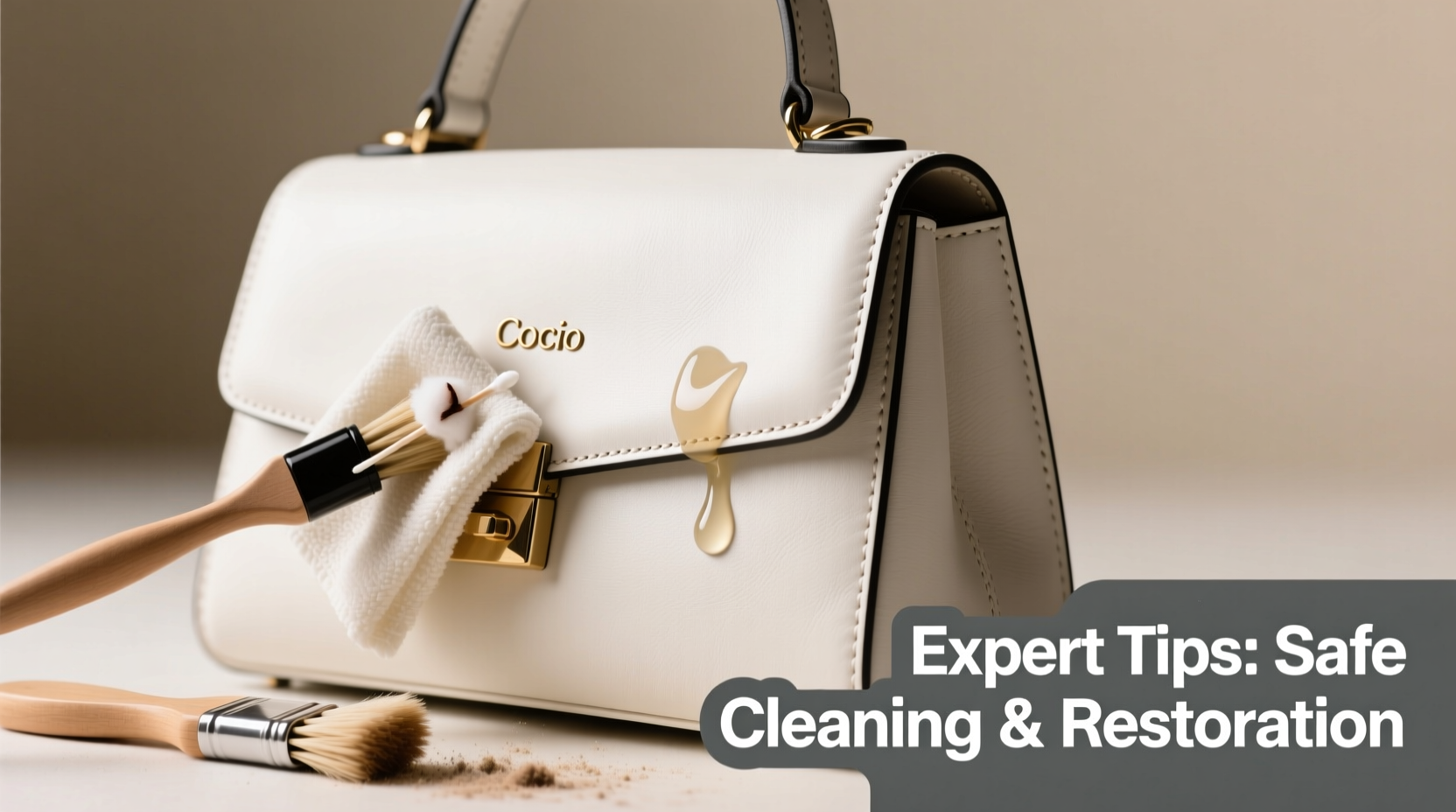
White leather demands more attention than darker shades because discoloration and soiling are immediately visible. Unlike pigmented leathers that mask minor flaws, white leather—especially full-grain or corrected grain used in luxury pieces like Cocio bags—shows every fingerprint, water spot, or scuff. Moreover, oxidation over time can cause yellowing, particularly in areas exposed to light or stored improperly.
The key is recognizing that leather is a natural material with pores that absorb moisture and oils. Harsh chemicals strip essential fats, leading to cracking. On the other hand, neglect allows dirt buildup that degrades the surface layer. The goal is gentle, consistent maintenance that preserves both appearance and structural integrity.
“White leather isn’t high-maintenance—it’s precision-maintained. A few minutes weekly prevent hours of restoration later.” — Lena Moretti, Luxury Accessory Conservator
Step-by-Step Guide to Cleaning Your Cocio Bag
Cleaning should be approached methodically. Rushing or improvising increases the risk of irreversible damage. Follow this detailed sequence to ensure safety and effectiveness.
- Empty and Inspect: Remove all contents. Check seams, corners, and hardware for loose stitching or tarnish. Note any stubborn stains or areas of discoloration.
- Dry Dust Removal: Use a soft, dry microfiber cloth or a fine-bristle brush (like a makeup brush) to remove surface dust. Work in circular motions, focusing on crevices around zippers and handles.
- Prepare Cleaning Solution: Mix one part pH-neutral leather cleaner with two parts distilled water. Avoid vinegar, alcohol, or dish soap—they disrupt the leather’s pH balance.
- Test First: Apply a small amount to an inconspicuous area (e.g., inside pocket flap). Wait 10 minutes. If no darkening or texture change occurs, proceed.
- Clean Gently: Dampen a second microfiber cloth with the solution—never soak it. Wipe the surface in straight lines, not circles, to avoid spreading grime. Re-dampen the cloth as needed, never reusing dirty sections.
- Tackle Stains Carefully: For ink, use a specialized leather ink remover with a cotton swab. For oil spots, sprinkle cornstarch, let sit overnight, then brush off. Never scrub aggressively.
- Dry Naturally: Place the bag in a well-ventilated room away from direct heat or sunlight. Stuff it lightly with acid-free tissue paper to maintain shape. Allow 6–12 hours to dry completely.
Restoration Techniques for Faded or Yellowed Areas
Even with careful use, white leather may develop a yellow tint due to UV exposure or aging. This doesn’t mean replacement is necessary—restoration is possible with targeted treatments.
- Leather Brightening Foam: Products formulated for white leather contain mild optical brighteners that reverse yellowing without bleaching. Apply with a sponge applicator, let sit for 5 minutes, then wipe clean.
- Baking Soda Paste (Emergency Use Only): For localized yellowing, mix baking soda with a drop of water into a paste. Apply with a cotton pad, wait 2 minutes max, then wipe off immediately. Overuse can abrade the finish.
- UV Light Exposure (Controlled): Sunlight can naturally bleach yellow tones, but prolonged exposure causes further degradation. Limit to 15–20 minutes in indirect morning sun, rotating the bag every 5 minutes.
After any restoration step, conditioning is non-negotiable. Dehydrated leather will crack and lose elasticity.
Conditioning: The Final Step to Longevity
Apply a cream-based conditioner designed for light leathers. Avoid silicone-heavy products that create shine or attract dust. Using a third microfiber cloth, apply a thin layer in circular motions. Let it absorb for 30 minutes, then buff gently with a dry cloth. Repeat every 6–8 weeks, or monthly with heavy use.
| Action | Recommended Frequency | Purpose |
|---|---|---|
| Dust removal | Weekly | Prevents abrasive buildup |
| Full cleaning | Every 2–3 months | Removes deep-set grime |
| Conditioning | Every 6–8 weeks | Maintains suppleness |
| Stain treatment | As needed | Prevents permanent marks |
Common Mistakes That Ruin White Leather Bags
Even experienced owners make errors that compromise their investment. Awareness prevents costly regrets.
- Using baby wipes or disinfectant wipes: These contain alcohol and citric acid, which dry out and degrade leather finishes.
- Over-cleaning: Excessive wiping strips protective coatings. Stick to scheduled routines unless visibly soiled.
- Storing in plastic bags: Trapped moisture promotes mold and accelerates yellowing. Always use breathable cotton dust bags.
- Ignoring hardware care: Zippers and clasps collect dirt that transfers to leather. Clean with a cotton swab dipped in isopropyl alcohol (only on metal parts).
Real Example: Restoring a Neglected Cocio Tote
Sophie, a marketing executive in London, inherited her mother’s white Cocio tote. Stored in a basement for five years, it arrived with grayish stains, stiff texture, and noticeable yellowing on the straps. She avoided professional services, fearing cost and potential damage.
Following a structured plan—dry brushing, two rounds of pH-balanced cleaning, 48-hour drying, and three applications of restorative conditioner over ten days—the bag regained 90% of its original brightness. The final step was a single application of leather brightening foam, which lifted residual yellowing. Sophie now maintains it with bi-monthly dusting and quarterly conditioning. “I thought it was beyond saving,” she said. “Now it’s my favorite piece.”
Frequently Asked Questions
Can I use toothpaste to clean white leather?
No. Despite popular myths, toothpaste is abrasive and often contains whitening agents that damage leather fibers. It may temporarily lighten a spot but weakens the material long-term.
How do I protect my bag during rainy weather?
Apply a leather protector spray before exposure. These create an invisible barrier against water and stains. Reapply every 4–6 weeks if used frequently in wet conditions. If the bag gets wet, blot with a dry cloth and air-dry—never use a hairdryer.
Is professional cleaning worth the cost?
For deep stains, odor absorption, or extensive yellowing, yes. Experts use vacuum tanning techniques and color stabilizers unavailable to consumers. Expect £75–£150, but it can extend the bag’s life by several years.
Essential Care Checklist
- Inspect bag weekly for stains or wear
- Dust with microfiber cloth
- Clean every 2–3 months with pH-neutral solution
- Condition every 6–8 weeks
- Store in breathable dust bag with shape support
- Avoid direct sunlight and humidity
- Treat stains immediately with correct method
- Use leather protector spray seasonally
Conclusion: Preserve Beauty Through Consistent Care
Your white leather Cocio bag is more than an accessory—it’s a testament to timeless design and personal taste. Its longevity depends not on luck, but on deliberate, informed care. By integrating these expert practices into your routine, you protect both aesthetic value and financial investment. Start today: assess your current storage, gather proper supplies, and schedule your next cleaning. A little consistency goes a long way in keeping luxury looking luxurious.
💬 Have a success story or a tough stain you conquered? Share your experience below and help others master the art of leather care.








