
The world of women’s footwear is evolving rapidly, with fashion trends increasingly prioritizing both aesthetics and wearability. One of the most notable shifts in recent seasons is the rise of embroidered kitten heels—delicate, often floral-adorned shoes with a modest 1.5- to 2-inch heel. As these whimsical designs gain popularity on runways and city streets alike, many are asking: are they truly displacing the classic leather pump, long considered the cornerstone of professional and formal wardrobes? More importantly, what does this shift mean for comfort, support, and daily usability?
This isn’t just a matter of trend versus tradition. It’s a conversation about ergonomics, lifestyle demands, and how modern consumers are redefining elegance. While leather pumps have symbolized polished sophistication for decades, their reputation for discomfort—especially during extended wear—is well-documented. In contrast, embroidered kitten heels offer a softer silhouette, lighter construction, and often more forgiving materials. But do they deliver on function as well as form?
The Evolution of the Heel: From Power Dressing to Personal Comfort
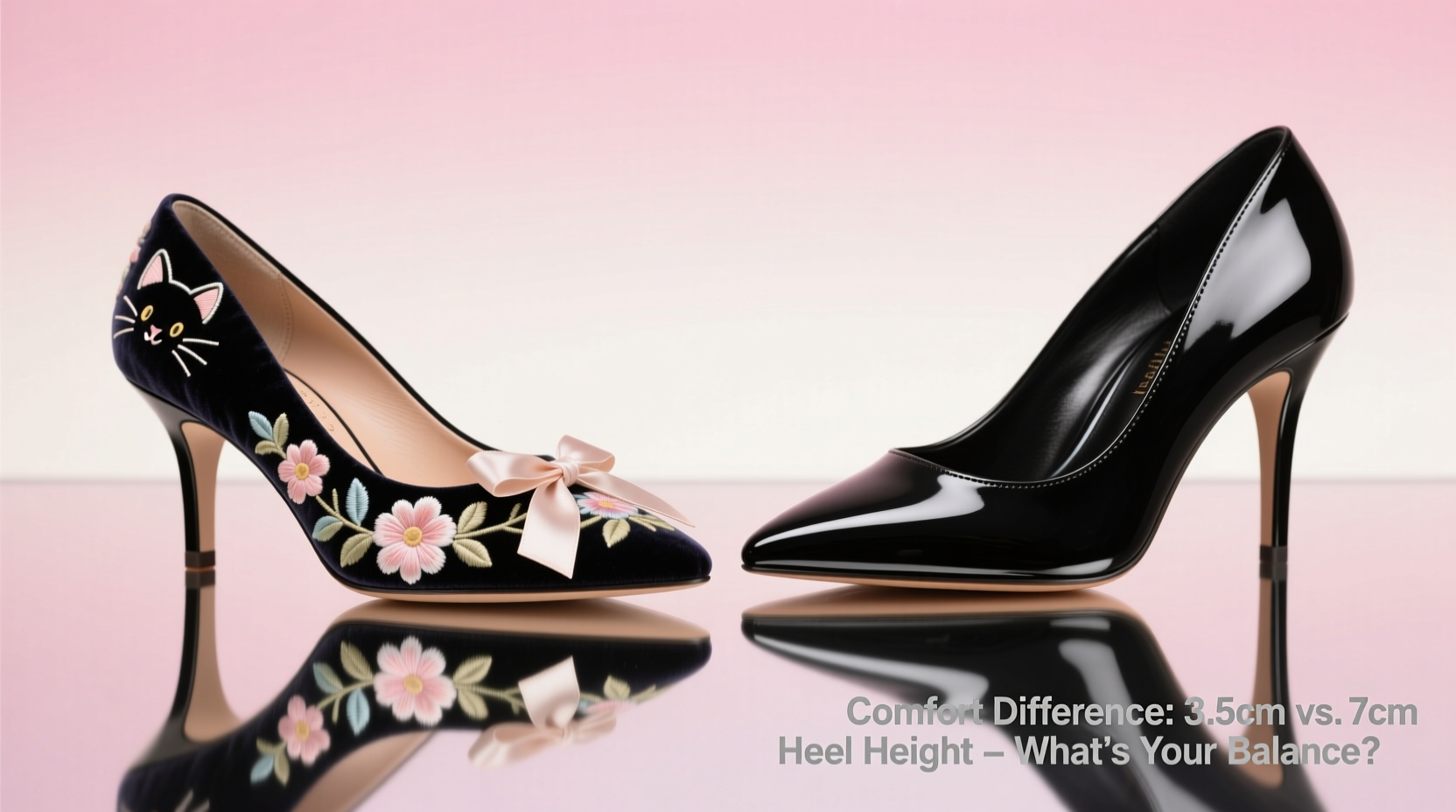
Leather pumps emerged in the mid-20th century as a symbol of authority and refinement. With their sleek lines, closed toes, and consistent 3-inch stiletto or block heels, they became standard office attire. Designers like Roger Vivier and André Perugia helped cement their status, while figures such as Jackie Kennedy elevated them into cultural icons.
Yet, despite their enduring appeal, traditional pumps have long faced criticism for ergonomic shortcomings. Narrow toe boxes, rigid leather uppers, and minimal cushioning often lead to foot fatigue, bunions, and even long-term joint strain. A 2022 survey by the American Podiatric Medical Association found that over 76% of women reported foot pain linked to high-heeled footwear, with pumps being the most commonly cited culprit.
In response, fashion has pivoted toward “comfort-first” designs without sacrificing elegance. Enter the embroidered kitten heel—a fusion of vintage charm and modern sensibility. These shoes typically feature rounded toes, lower heels, and flexible soles. The embroidery adds visual interest without adding weight, allowing for breathability and reduced material stiffness.
“Footwear today must serve dual roles: it should look intentional and feel intuitive. Kitten heels, especially those with textile details, are answering that demand better than rigid leather pumps.” — Dr. Lena Torres, Podiatrist & Footwear Consultant
Comfort Comparison: Materials, Structure, and Wearability
To understand the real-world difference between embroidered kitten heels and leather pumps, it’s essential to break down their construction and how each component affects comfort.
| Feature | Embroidered Kitten Heels | Traditional Leather Pumps |
|---|---|---|
| Heel Height | 1.5–2 inches (lower center of gravity) | 2.5–4 inches (higher pressure on forefoot) |
| Upper Material | Fabric, satin, or soft textiles with embroidery | Stiff or semi-stiff leather |
| Toe Box | Often rounded or almond-shaped, roomier fit | Narrow, pointed, may compress toes |
| Insole Cushioning | Commonly includes padded footbeds | Rarely cushioned; firm underfoot feel |
| Flexibility | Higher flexibility due to fabric construction | Limited flex; leather resists natural foot motion |
| Breathability | Good airflow through textile layers | Poor; leather traps heat and moisture |
The data shows a clear advantage for kitten heels in nearly every category related to comfort. The lower heel reduces strain on the Achilles tendon and calf muscles, while the softer upper materials adapt to foot swelling throughout the day. Additionally, the absence of tight seams and linings in many embroidered designs minimizes friction and blister risk.
Tip: When choosing between styles, prioritize heel height and toe box shape over aesthetics alone. Even a beautifully crafted leather pump can cause long-term issues if it doesn’t support natural foot alignment.Real-World Use: A Day-in-the-Life Scenario
Consider Sarah, a marketing executive who commutes 45 minutes each way via subway and spends her workday moving between meetings, client calls, and desk work. For years, she wore black leather pumps five days a week. By mid-afternoon, she regularly experienced numbness in her toes and sharp pain in her arches.
Last spring, she switched to a pair of navy-blue embroidered kitten heels with a cushioned insole and rubber-treaded sole. The difference was immediate. “I walked from Grand Central to Midtown without needing to stop once,” she recalls. “And I didn’t have that ‘kick-off-the-shoes’ moment when I got home.”
While the embroidered heels don’t project the same austere professionalism as her old pumps, Sarah finds they’re still appropriate for most settings—especially since they maintain a closed-toe, structured silhouette. Her clients haven’t commented negatively; if anything, several have complimented her “unique yet polished” style.
This scenario reflects a broader cultural shift: workplaces are becoming more accepting of individual expression, and comfort is no longer seen as antithetical to competence. As hybrid offices and creative industries grow, so does the tolerance—and even preference—for footwear that supports mobility and well-being.
Step-by-Step Guide: How to Transition from Pumps to Kitten Heels
If you're considering making the switch but aren't sure where to start, follow this practical timeline:
- Assess Your Daily Needs (Week 1): Track how much walking, standing, or sitting you do. Note when your current shoes become uncomfortable.
- Research Brands with Ergonomic Designs (Week 2): Look for labels like Naturalizer, Sam Edelman, or By Far that blend style with podiatrist-approved features.
- Try Two Test Pairs (Week 3): Choose one neutral color (e.g., beige or black) and one patterned or embroidered option. Wear each for a full workday.
- Gauge Feedback (Week 4): Pay attention to physical comfort and social reception. Do colleagues notice? Is the style accepted in formal settings?
- Build a Hybrid Rotation (Ongoing): Keep one pair of leather pumps for highly formal events, but rely on kitten heels for daily wear.
Are Leather Pumps Obsolete? Not Quite—But Their Role Is Changing
It would be premature to declare leather pumps obsolete. They remain relevant in conservative industries like law, finance, and government, where visual uniformity and tradition hold sway. However, their dominance is waning. According to retail analytics firm Edited, sales of classic black pumps dropped 22% between 2019 and 2023, while kitten heels saw a 38% increase in the same period.
The future likely lies in hybridization. We’re already seeing “pump-inspired” kitten heels—closed-toe silhouettes with low heels and soft leather or textile uppers—that bridge the gap between formality and function. Some designers are incorporating memory foam insoles and flexible outsoles into traditionally rigid structures, blending the best of both worlds.
FAQ
Can embroidered kitten heels be worn in professional settings?
Yes, especially if they have a clean silhouette, neutral base color, and minimal embellishment. Avoid overly bright patterns or excessive fringe in corporate environments.
Do kitten heels provide enough arch support?
It varies by brand. Many modern kitten heels now include contoured footbeds. Look for models labeled “arch support” or “ergonomic design” if you have flat feet or plantar fasciitis.
How do I care for embroidered uppers?
Use a soft brush to remove dust and avoid water exposure. Store in a breathable cloth bag. For stains, consult a specialist cleaner familiar with delicate textiles.
Checklist: Choosing the Right Kitten Heel- ✓ Heel height between 1.5 and 2 inches
- ✓ Roomy toe box (you should wiggle toes freely)
- ✓ Padded insole or memory foam layer
- ✓ Non-slip outsole (rubber or textured TPR)
- ✓ Secure fit (ankle strap or adjustable buckle preferred)
- ✓ Embroidery that doesn’t rub against skin
Conclusion
The rise of embroidered kitten heels isn’t just a passing trend—it’s a reflection of deeper changes in how we value comfort, sustainability, and self-expression in fashion. While leather pumps still have a place in the wardrobe, their reign as the default choice for elegant footwear is diminishing. For most daily scenarios, especially those involving movement and prolonged wear, kitten heels offer a superior balance of style and support.
The comfort difference isn’t subtle: it’s measurable in reduced foot fatigue, improved posture, and greater confidence during long days. As consumers continue to demand versatility without compromise, the industry will keep innovating—bringing us shoes that don’t force us to choose between looking good and feeling good.
💬 Have you made the switch from pumps to kitten heels? Share your experience, favorite brands, or styling tips in the comments below—your insight could help others step into comfort with confidence.








